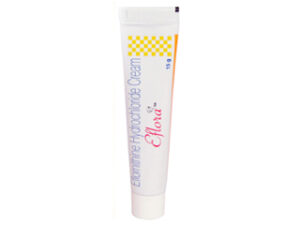
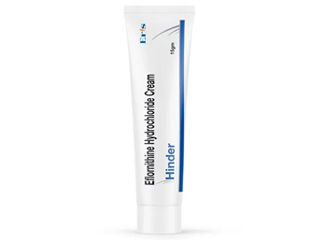
Vaniqa (Eflornithine) 13.9% Cream – Patient Guide (UK)
Vaniqa is a prescription medicine used to help reduce the growth of unwanted facial hair in some women. It comes as a topical cream containing eflornithine, an ingredient that works by targeting a key pathway involved in hair growth. This page explains how Vaniqa works, when you can expect results, how to use it safely, and what to consider with food, alcohol, and other medicines.
Quick overview
- Product: Vaniqa 13.9% cream (eflornithine)
- What it’s for: Reducing unwanted facial hair growth in women
- How it works: Slows hair follicle growth by affecting a hair-growth enzyme pathway
- How it’s used: Usually applied to the affected facial areas twice daily, with consistent use
- Typical results: Gradual reduction; noticeable improvements may take several weeks
Basic product information
| Feature | Details |
|---|---|
| Active ingredient | Eflornithine (13.9% w/w) |
| Dosage form | Cream for topical use |
| Common target area | Unwanted facial hair in women (e.g., upper lip, chin, cheeks) |
| How often | Typically twice daily |
| Onset | Results build gradually over weeks |
| Storage | Store at room temperature; keep tightly closed and out of reach of children |
Indications (what it is used for)
In the UK, Vaniqa is used to reduce unwanted facial hair growth in women. It is intended to slow down regrowth after hair removal methods such as shaving, plucking, or waxing and to help manage hair density over time.
Important: Vaniqa is designed for facial use and is not a general hair removal product for use anywhere on the body.
Mechanism of action (how it works)
Eflornithine works locally in the skin. Hair growth relies on a process involving enzymes that support the growth of hair follicles. Eflornithine helps inhibit an enzyme involved in polyamine production—a biochemical pathway that supports cell growth and division in hair follicles.
By interfering with this pathway, Vaniqa reduces the rate at which facial hair grows, leading to finer, slower regrowth over time. It does not “remove” hair instantly; instead, it helps control regrowth.
Pharmacokinetics (what happens in the body)
Because Vaniqa is applied to the skin, absorption into the bloodstream is generally limited. Most of the cream acts within the skin where it is applied.
- Absorption: Topical eflornithine is absorbed through the skin to a limited extent.
- Distribution: The medicine may reach systemic circulation at low levels.
- Metabolism and elimination: Eflornithine is processed and eliminated primarily by the body; systemic exposure remains relatively low when used as directed.
Factors such as application to larger areas, use on broken skin, or covering the treated area with occlusive dressings may increase absorption. For this reason, it’s important to follow the directions closely.
Typical use and timing
Vaniqa is usually applied to clean, dry facial skin in a thin layer.
- Start date matters: Begin consistently at the planned time each day.
- Typical schedule: Twice daily (commonly about 12 hours apart).
- How long to see results: Many people notice changes only after several weeks of regular use.
- Maintenance: Hair growth is not permanently “switched off.” Ongoing treatment is often needed to maintain results.
Dosing guidance (how much and how often)
Your prescriber will provide personal instructions. The commonly used regimen is:
- Dose: Apply a thin layer to the affected facial areas.
- Frequency: Twice daily.
- Quantity: Use only enough cream to cover the treatment area evenly.
Missed dose: If you forget a dose, apply it when you remember unless it’s nearly time for the next application. Do not double up.
Duration: If there is no meaningful improvement after the period advised by your healthcare professional, discuss continuing treatment.
How to use Vaniqa safely (practical steps)
- Wash and dry the area before applying the cream.
- Use clean hands to apply a thin layer to the affected facial hair-bearing areas.
- Wash hands thoroughly after application (unless your hands are the treatment area, which they should not be).
- Avoid eyes and mucous membranes (eyes, lips, inside the nostrils, etc.).
- Allow the cream to absorb before applying other skin products.
Hair removal timing
Vaniqa works by reducing hair regrowth, not by immediately removing hair. Many people continue their usual hair removal methods (for example shaving or plucking) alongside treatment, especially during the initial weeks while results build.
- You may use hair removal methods as advised by your clinician.
- Gentle practices are recommended to reduce irritation (avoid harsh methods on inflamed or broken skin).
- Do not apply Vaniqa to irritated, sunburnt, or broken skin.
Food interactions
Vaniqa is a topical medicine, and significant interactions with food are not typically expected. Because absorption is limited, dietary changes are generally not required.
However, if you experience side effects such as skin irritation, follow the advice in the safety section and seek guidance if symptoms persist.
Alcohol and medicine interactions
Alcohol: There is no well-established direct interaction between alcohol and topical eflornithine in most patients when used as directed. Still, if you notice worsening of skin irritation after drinking alcohol, consider moderating intake and speaking to a healthcare professional.
Other medicines: Interactions are generally less likely with topical medicines due to lower systemic exposure. That said, it’s important to consider:
- Topical products: Using other skincare products on the same area (especially those that can be irritating) may increase redness or stinging.
- Medicines that affect skin sensitivity: If you use retinoids, exfoliating acids, medicated creams, or strong antiseptic/anti-acne preparations, you may be more prone to irritation.
- Tell your healthcare professional: Ensure they know about all other medicines and skin products you use.
When to avoid combining products
Avoid applying Vaniqa at the same time as other potentially irritating topical treatments. If your clinician allows combination therapy, they may recommend spacing applications or patch testing first.
Safety profile and side effects
Like all medicines, Vaniqa can cause side effects. Most are mild and related to skin reactions at the application site. Serious reactions are uncommon, but you should be aware of warning signs.
Common side effects
- Skin irritation (e.g., burning, stinging, or discomfort)
- Redness or inflammation
- Dryness or mild scaling
- Itching
Less common but important reactions
- Severe skin reactions (marked swelling, blistering, or intense rash)
- Allergic reactions (e.g., widespread hives, swelling of face/lips, difficulty breathing)
What to do if side effects occur
- If you develop mild irritation, you may be able to manage it by following application instructions carefully and avoiding other irritants. If symptoms persist or worsen, seek advice.
- If you develop signs of severe allergy or significant worsening redness, stop using the product and seek urgent medical help.
Who should be cautious
Discuss Vaniqa with a healthcare professional if you:
- Have a history of skin allergy or sensitive skin reactions
- Have eczema, open sores, or broken skin on the face
- Are pregnant, trying to conceive, or breastfeeding (guidance may be needed based on individual risk-benefit)
Safety tips for practical use
- Patch test where appropriate: If you have very sensitive skin, ask your healthcare professional whether you should test on a small area first.
- Apply to clean, dry skin: This reduces stinging and improves adherence to instructions.
- Don’t occlude: Avoid covering treated areas with tight bandages or occlusive dressings unless instructed.
- Keep away from eyes: If the cream gets in the eyes, rinse thoroughly with water.
- Use sunscreen: If you are using other products that increase sun sensitivity, sun protection may help reduce overall irritation.
- Be consistent: Irregular application can delay results and increase the chance of skin irritation.
Alternative options for unwanted facial hair (UK)
Vaniqa is one option for managing unwanted facial hair. Alternatives include:
Hair removal methods
- Shaving: Quick and inexpensive; regrowth is usually relatively fast.
- Depilatory creams: Can cause irritation; check product suitability for facial skin.
- Plucking/waxing: May be uncomfortable; can lead to ingrown hairs in some people.
Procedural and long-term options
- Laser hair reduction (light-based procedures): May reduce hair growth long-term depending on hair and skin type.
- Electrolysis: Can be effective for long-term reduction but requires multiple sessions.
Other medication options
Depending on the underlying cause of hair growth and your medical history, a clinician may consider other therapies. In certain hormone-related conditions, treatment may differ.
Speak with a healthcare professional to choose the most suitable approach for your situation, skin type, and desired results.
Market and legal context in the UK
Vaniqa is an established treatment for reducing unwanted facial hair growth in women in the UK. As with medicines in the UK, availability and supply are managed through regulated pharmaceutical channels. When buying medicines online, it’s important to use a reputable UK-registered pharmacy and ensure the product is supplied in line with UK medicine regulations and quality standards.
How to recognise a reputable source:
- Look for clear UK pharmacy identification details on the website.
- Ensure product information (active ingredient, strength, and dosage form) is clearly provided.
- Choose services that offer clear delivery information and customer support.
Recent guidance (general principles): Guidance around hair reduction treatments often emphasises:
- using products only for their intended indication and area of use
- supporting skin safety through careful application and avoidance of irritants
- ongoing review of response and tolerability
Delivery, availability, and what to expect
Online pharmacies in the UK may offer home delivery for Vaniqa, depending on stock and prescribing requirements. Delivery times vary by provider and location.
- Availability: Stock levels can change; checking before ordering helps avoid delays.
- Packaging: The product should be supplied in its original packaging with clear labelling.
- Storage after delivery: Keep the cream closed and store as directed on the pack.
If your order is delayed, contact the pharmacy’s customer service team for updates.
Frequently Asked Questions (FAQ)
How quickly will Vaniqa start working?
Results usually build gradually. Many people notice improvement after several weeks of twice-daily use. Consistency is key—stopping early or applying irregularly may reduce the benefit.
Will Vaniqa remove hair permanently?
No. Vaniqa helps reduce the rate of facial hair regrowth while you use it. If you stop, hair growth may gradually return to previous levels.
Can I use Vaniqa with shaving or waxing?
Many people continue their normal hair removal routine while using Vaniqa, especially at the start. However, avoid applying cream to irritated or broken skin, and choose gentle methods to minimise redness and inflammation. Ask your clinician for personalised advice.
What areas can I apply it to?
Use it on the affected facial areas for which it is intended. Avoid eyes, eyelids, lips, and inside the nostrils or mouth.
Is Vaniqa safe for sensitive skin?
Vaniqa can cause irritation for some people. If you have very sensitive skin or eczema, discuss suitability with a healthcare professional. If irritation occurs, they may advise adjusting your skincare routine or pausing use if necessary.
Can I apply moisturiser or makeup over it?
It’s usually best to wait until the cream has absorbed before applying other products. If you experience stinging or redness, try spacing applications or reducing other potentially irritating products.
Does it interact with alcohol?
No strong direct interaction is typically expected with topical use. That said, alcohol may affect skin sensitivity in some individuals. If you notice a pattern of worse irritation, consider moderating alcohol intake and seeking advice.
What if I miss a dose?
Apply it when you remember if it’s not close to the next dose. Do not apply extra cream to make up for missed doses.
What should I do if the cream gets in my eyes?
Rinse thoroughly with water immediately. If you have persistent irritation or problems with vision, seek medical advice.
When should I seek medical help?
Seek urgent help if you develop signs of a severe allergic reaction, such as swelling of the face/lips, widespread hives, or difficulty breathing. Contact a healthcare professional promptly for severe skin reactions (for example, blistering or rapidly worsening rash).
Summary
Vaniqa (eflornithine) cream is designed to reduce unwanted facial hair growth in women by slowing hair follicle activity. It is used twice daily on clean, dry skin, with results typically becoming noticeable after several weeks. The most common side effects are skin irritation and redness, which can often be minimised by careful application and avoiding other irritants. If you have questions about suitability, timing, or combining products, speak to your healthcare professional for personalised guidance.