Betamethasone Valerate (Topical) – Patient Information
Betamethasone valerate is a steroid medicine applied to the skin to reduce inflammation, redness and itch. It belongs to a group of medicines called corticosteroids. It is commonly used for a range of skin conditions, particularly those where the skin becomes inflamed and itchy.
This page explains how betamethasone valerate works, typical uses, how to apply it safely, important precautions, and practical guidance for using topical steroid creams/ointments in the United Kingdom (UK).
At a Glance
- Medicine name: Betamethasone valerate (topical)
- What it does: Reduces inflammation and itch in steroid-responsive skin conditions
- Common forms: Cream, ointment, or lotion (depending on the product strength and area of skin)
- Typical frequency: Often once or twice daily (varies by strength/condition)
- Main safety points: Use the smallest amount for the shortest time; avoid the face/skin folds unless advised
- Not suitable for: Some infections and certain skin conditions (needs correct diagnosis)
Basic Product Information
Betamethasone valerate is a topical corticosteroid formulated to act locally on the skin. The strength can differ between products (commonly 0.01% for many creams/ointments and some lotions, but always check your specific pack).
Key points for UK shoppers:
- Products may be labelled as cream, ointment or lotion.
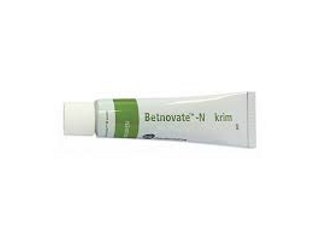
- Different brand names may exist. The active ingredient should be betamethasone valerate.
- Always follow the instructions provided with your specific product.
How Betamethasone Valerate Works (Mechanism of Action)
Betamethasone valerate is a corticosteroid. After application to the skin, it penetrates into the outer layers of the skin and helps to switch off inflammatory pathways.
It reduces the release of inflammatory substances, helps calm overactive immune reactions in the skin, and therefore lowers:
- Redness
- Swelling
- Heat and discomfort
- Itch (pruritus)
- Scaling and irritation (where due to inflammation)
With regular use, symptoms often improve within a few days, though complete clearing can take longer depending on the condition.
Pharmacokinetics (Absorption & Handling in the Body)
Betamethasone valerate is intended to work on the skin. Only a small amount is typically absorbed through intact skin. Absorption can increase when:
- Applied to large areas
- Used for longer periods
- Applied under occlusion (covering with bandages/plasters that trap moisture)
- Applied to skin with barrier damage (e.g., broken, inflamed, or ulcerated skin)
- Used on thin skin areas (face, groin, armpits)
- Used in children (children may absorb more relative to body size)
Systemic absorption may theoretically affect the whole body, particularly with high potency, extensive use or occlusion. In most correct short-course topical use, this risk is low.
If absorbed, corticosteroids are metabolised primarily in the liver and then eliminated through the kidneys. The extent of systemic effect depends mainly on dose, duration, skin condition and coverage.
Typical Use in the UK (Indications)
Betamethasone valerate is used for inflammatory skin conditions that respond to corticosteroids. Common indications include:
- Eczema/dermatitis (e.g., atopic dermatitis flares, contact dermatitis where steroid is appropriate)
- Inflammatory skin rashes where a clinician has determined corticosteroids are suitable
- Psoriasis (selected types/areas; specialist advice may be needed)
- Other corticosteroid-responsive dermatoses (as directed by product instructions)
Important: Steroids can worsen or mask infected skin conditions. If infection is present (e.g., fungal infection), the treatment approach often needs adjustment or combination therapy.
Who Should Use It (and Who Needs Extra Care)
- Adults: Common users; follow guidance on duration and area.
- Children: Use only if appropriate and carefully—absorption can be greater. Prefer the lowest effective strength and shortest course.
- Pregnancy and breastfeeding: Use only under relevant medical advice. Avoid treating large areas or using prolonged courses. Avoid applying to the nipple area before feeding.
- Elderly: Generally similar use, but skin may be thinner—take care with dose and duration.
Dosing & How to Apply (Practical Guidance)
The correct dose depends on the product strength, skin condition and affected area. As a general approach for topical steroids:
- Use a thin layer and only on the affected area.
- Apply once or twice daily unless your product instructions say otherwise.
- After symptoms improve, many treatment plans advise reducing frequency or stopping.
- Do not use longer than recommended on the pack or by healthcare advice.
A helpful measure is the finger-tip unit method (often used in UK guidance): one amount along the length of an adult’s index finger can cover about the area of two adult palms. Your pharmacist or product leaflet may include more specific guidance.
Timing (When to Apply)
- Choose a time you can repeat consistently (e.g., morning and evening).
- Apply to clean, dry skin.
- Wash hands after applying unless the hands are the treated area.
- If using moisturisers, apply moisturiser first and allow a few minutes before the steroid (unless your clinician advised otherwise).
Duration
Many flares improve within days. However, avoid prolonged continuous treatment. If there is no improvement within about 1–2 weeks (or symptoms worsen sooner), seek further advice. Long-term use can increase the risk of local skin side effects.
Food Interactions
Because betamethasone valerate is applied to the skin, food interactions are not expected. Systemic absorption is typically low with correct use, so diet does not generally affect how it works.
Alcohol and Medicine Interactions
Alcohol: There is no well-established direct interaction between topical betamethasone valerate and alcohol. If you experience unusual side effects or skin reactions, consider speaking to a pharmacist.
Other medicines: Interactions are uncommon with topical use, but there are some practical considerations:
- Other steroid medicines: Avoid combining with other corticosteroids on the same area unless advised.
- Medicines that affect immune response: Systemic interactions are unlikely, but prolonged high-coverage topical steroid use may increase systemic exposure.
- Antifungal/antibacterial treatment: If the rash is infected or you suspect infection, you may need a different treatment plan rather than steroid alone.
- Skin treatments: Avoid harsh exfoliants or irritating products on the same area while symptoms settle, unless recommended.
If you are using multiple skin products, a pharmacist can help you arrange which should go on first and how frequently.
Indications vs. Conditions to Avoid (When to Be Cautious)
Betamethasone valerate is for inflammatory, steroid-responsive conditions. It may not be appropriate for every rash. Extra caution is needed if there are signs of infection, such as:
- Pus, oozing or honey-coloured crusts (possible bacterial infection)
- Rapid spread despite steroid use
- Ring-like rash with scaling at the edge (possible fungal infection)
- Painful blisters, sores, or ulcers (possible viral or other causes)
In these situations, steroid treatment alone can mask symptoms and worsen infection. If your rash looks different from your usual condition, or you are unsure, seek advice promptly.
Safety Profile (Side Effects & Warnings)
Like all medicines, betamethasone valerate can cause side effects. Many occur locally on the skin, especially if used too strongly, too long, on thin skin areas, or under occlusion.
Common Local Side Effects
- Mild burning, stinging or irritation at application
- Dryness or increased sensitivity of the skin
- Skin thinning (atrophy) with long-term or heavy use
- Follicle irritation or acne-like spots
Less Common but Important Local Effects
- Stretch marks (striae)
- Visible small blood vessels (telangiectasia)
- Perioral dermatitis or facial rash (especially if used on the face)
- Changes in skin colour (lightening or darkening)
- Worsening or spread of infection if an infection is present
Systemic Side Effects (Uncommon with Proper Use)
Systemic effects are uncommon when used correctly. They become more likely with high dose, extensive area treatment, long duration, occlusion, or in children.
- Suppression of the adrenal glands (rare with appropriate topical courses)
- Symptoms related to excess corticosteroid effect (uncommon)
When to Stop and Seek Advice
- Your rash becomes more painful, swollen or starts oozing
- You see signs of infection (as described above)
- No improvement after the timeframe stated on your product or within 1–2 weeks
- Severe irritation or allergic-type reaction occurs
Practical Use Tips (How to Get the Best Results)
- Use the thinnest effective layer. More does not usually work better and increases side effects.
- Cover only the affected area. Try not to spread beyond the rash margin.
- Avoid occlusion unless instructed. Tight bandages or plastic coverings can increase absorption.
- Don’t apply to broken skin unless advised. Absorption increases.
- Keep treatment short. Many steroid regimens are designed as a limited course followed by reassessment.
- Moisturise regularly. Emollients help repair skin barrier and can reduce flare frequency.
- Wash hands after use. This prevents accidental transfer to eyes or sensitive skin areas.
- Be cautious on the face, eyelids and skin folds. These areas are more prone to thinning.
Missed Dose
If you forget a dose, apply it when you remember unless it’s close to the next dose. Do not apply extra amounts to make up for missed doses.
Alternative Options (What Else Might Help)
Alternatives depend on the diagnosis, severity and the body area involved. Options commonly considered include:
Non-steroid and supportive treatments
- Emollients (moisturisers): Key for eczema; improve skin barrier and reduce flare frequency.
- Barrier repair products: May soothe and protect irritated skin.
Other anti-inflammatory medicines
- Lower-potency topical corticosteroids: Often used for milder symptoms or sensitive areas.
- Topical calcineurin inhibitors: Sometimes used for facial eczema or long-term management in suitable patients (not the same as steroids).
- Antifungal or antibacterial treatments: If infection is suspected or confirmed.
Phototherapy or specialist treatments
For chronic or extensive conditions (such as certain types of psoriasis or severe eczema), dermatology specialists may consider additional approaches.
A pharmacist can help compare strengths and product types (cream vs ointment vs lotion) and suggest how to use moisturisers alongside.
UK Market & Legal Context (What to Expect)
In the UK, topical corticosteroids are widely used for skin conditions. The availability of specific strengths and formats can vary depending on product licensing and the way medicines are supplied.
Pharmacy supply in the UK is guided by safety considerations and appropriate patient information, including:
- Ensuring the product is suitable for the condition being treated
- Checking for red flags (e.g., possible infection)
- Confirming age-appropriate and area-appropriate use
- Explaining correct application, duration and monitoring
UK guidance for eczema and similar conditions often emphasises: using steroids appropriately for flares, supporting the skin barrier with emollients, and reviewing treatment if symptoms do not improve.
Recent Guidance (General UK Practical Trends)
While specific product leaflets and professional advice take priority, recent UK practice has consistently highlighted:
- Short courses of topical steroids to control inflammation
- Appropriate potency selection for the body area and severity
- Regular moisturising and skin barrier care to reduce the need for repeated steroid courses
- Reviewing diagnosis if the condition does not respond, rather than escalating use automatically
- Avoiding prolonged use on high-risk areas such as the face and skin folds
If you are treating recurring symptoms, it can help to discuss a long-term plan for flare prevention and safe use.
Delivery & Availability (UK Online Pharmacy)
Betamethasone valerate topical products are generally available through UK pharmacies and online pharmacy services, depending on the specific formulation and pack size.
- Availability: Stock levels may vary; common formats (cream/ointment/lotion) are typically more accessible.
- Delivery: Delivery time depends on the courier service and your postcode area.
- Packaging: Medicines are usually supplied in original packaging with patient information.
- Check the label: Always confirm the strength (e.g., 0.01%) and formulation before use.
If you need help choosing the right product type (cream vs ointment vs lotion) for your skin area, a pharmacist can guide you based on where and how the rash appears.
FAQ – Frequently Asked Questions
1) What is betamethasone valerate used for?
It is a topical corticosteroid used to reduce inflammation and itch in steroid-responsive skin conditions such as eczema/dermatitis and other inflammatory dermatoses, depending on the exact diagnosis.
2) How long does it take to work?
Many people notice improvement within a few days. If there is no improvement within about 1–2 weeks, or symptoms worsen, you should seek further advice to confirm the diagnosis and treatment plan.
3) Should I stop as soon as my symptoms improve?
Often, yes—once the inflammation is under control, the usual approach is to stop or reduce frequency. Follow the duration described on the product instructions or by advice you have received. Avoid long, continuous use.
4) Can I use it on my face?
Use on the face requires extra caution because facial skin is thinner and side effects can be more likely. If your clinician has advised it, follow their instructions carefully and avoid using it longer than advised.
5) Can I use moisturisers with it?
Usually, yes. Apply the steroid first (or as advised) and give it a short time to absorb, then apply moisturiser. Keeping up moisturising can help reduce future flare-ups.
6) Can I cover the treated area with a bandage?
Occlusion (covering with airtight bandages or plastic) can increase absorption and side effects. Do not use occlusion unless specifically instructed by a clinician.
7) Is it safe to use during pregnancy or breastfeeding?
Use only when appropriate and following relevant advice. Avoid applying to large areas, avoid prolonged courses, and if breastfeeding avoid applying to the nipple/areola area before feeding.
8) What should I do if the rash spreads?
Stop using the product and seek advice promptly, especially if infection is possible or the rash looks different from before. Steroids alone may mask infection.
9) Are there food or alcohol interactions?
Food interactions are not expected. No direct interaction with alcohol is commonly reported, but if you notice unexpected reactions, contact a pharmacist for guidance.
10) What are safer alternatives if I need longer-term control?
Depending on your diagnosis, alternatives may include emollients, lower-potency steroids, non-steroid anti-inflammatory skin treatments, or specialist approaches for chronic conditions. A pharmacist can discuss options and safe long-term strategies.
Summary
Betamethasone valerate is a topical anti-inflammatory steroid used to treat certain inflammatory skin conditions in the UK. It works by reducing inflammation and itch, typically leading to improvement within days. For best results and safety, apply a thin layer to the affected area, use it at the recommended frequency, and limit the duration. If you don’t see improvement or if the rash worsens or suggests infection, seek further advice promptly.
Always read the patient information leaflet provided with your product and follow the instructions on the pack.