Efudex (Fluorouracil) — Patient Information (UK)
Efudex is a medicine containing fluorouracil, a well-established treatment used to care for certain skin conditions caused by abnormal or precancerous skin cell growth. This page explains what Efudex is, how it works, how it is used in practice, key safety information, and what to expect while using it.
Always follow the instructions given by your healthcare professional or the directions provided with the product. If you are unsure about anything, speak to a pharmacist.
Quick overview
- Medicine name: Efudex (fluorouracil)
- Active ingredient: Fluorouracil (5-fluorouracil)
- Where it’s used: Skin (topical/dermatologic use depending on formulation)
- Common purpose: Treating certain precancerous or abnormal skin lesions
- What to expect: The treated area may become red, sore, crusted, and inflamed as abnormal cells are targeted
- Key safety themes: Skin irritation is common; avoid eyes/mouth; use careful sun protection
Basic product information
Efudex contains fluorouracil, an anti-metabolite medicine. While fluorouracil is also used in other forms (for example, other routes of administration in oncology), Efudex is used for dermatology in appropriate preparations.
In the UK, medicines are regulated through the Medicines and Healthcare products Regulatory Agency (MHRA). Product availability can vary by brand, formulation, and strength.
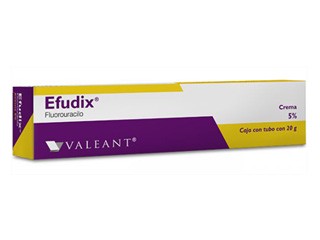
What Efudex looks like and how it is supplied
Efudex is a topical medicine for the skin. The exact presentation (for example, strength and formulation type) can vary depending on the specific product you receive. Check the package or leaflet for your exact product details.
How Efudex works (mechanism of action)
Fluorouracil works by interfering with how rapidly dividing cells make DNA and RNA. In simple terms, it targets abnormal, fast-growing skin cells and helps stop their growth.
- Anti-metabolite action: Fluorouracil is converted inside cells into active forms that disrupt normal nucleotide synthesis.
- Blocks cell division: This reduces the ability of abnormal cells to reproduce.
- Reduces abnormal lesion burden: Over time, the treated area may heal after abnormal cells are destroyed.
The visible reaction—redness, soreness, crusting, or ulceration—often indicates that the medication is doing its job on the target lesion. However, the intensity and timing vary between individuals and between different lesions.
Pharmacokinetics (how the body handles fluorouracil)
Pharmacokinetics describe what happens after the drug is applied. For topical use, the extent of absorption is usually less than with systemic forms. Still, some absorption can occur, especially when applying to larger areas, broken skin, or under occlusive conditions.
- Absorption: Topical absorption is typically limited but can increase with damaged skin or extensive treatment areas.
- Distribution: Any absorbed fluorouracil may distribute in the body similarly to systemic fluorouracil, though overall systemic exposure from topical use is generally lower.
- Metabolism: Fluorouracil is metabolised in the liver and other tissues.
- Elimination: Metabolites are primarily eliminated by the kidneys.
If you have significant liver or kidney disease, or if you are treating a large area or using the medicine under bandages/occlusion, discuss this with your healthcare professional.
Typical use in the UK
Efudex is commonly used in dermatology for:
- Actinic keratosis (also called solar keratosis)—a precancerous skin condition caused by long-term sun exposure.
- Superficial skin lesions where topical chemotherapy is appropriate based on clinical assessment.
Not every skin lesion should be treated with Efudex. Diagnosis matters: similar-looking spots may require different treatment. If you are uncertain about the diagnosis, seek medical advice before starting.
Indications (what it is used for)
Efudex is indicated for skin conditions involving abnormal cell growth. In typical UK clinical practice, this most often includes:
- Actinic keratosis (AK): treatment of individual or multiple lesions as advised.
- Other precancerous or superficial abnormal lesions may be treated with topical fluorouracil when considered clinically suitable.
Your healthcare professional will consider factors such as lesion type, size, number of lesions, location (face/scalp/limbs), and your skin sensitivity.
Dosing and timing
Dosing depends on the condition, the area being treated, and the chosen treatment regimen. The information below is general; always use the schedule provided to you.
Typical application pattern
- Frequency: Often applied once or twice daily depending on the regimen for your condition and product strength.
- Duration: Many topical fluorouracil regimens last for several weeks.
- Amount: A thin layer is usually sufficient—cover the lesion(s) as directed.
When to expect results
| Time after starting | What you may notice | Why it happens |
|---|---|---|
| First days | Mild redness, tingling, or early irritation | Medication begins affecting abnormal cells |
| 1–2 weeks | More marked redness, swelling, burning sensation | Inflammatory reaction increases |
| Mid-course | Crusting, oozing, scabbing, sore or raw skin | Lesion area is actively being treated |
| After finishing course | Gradual healing and skin recovery | Abnormal cells are removed and skin repairs |
If you have severe reactions that prevent you from functioning, you should contact a healthcare professional for advice. Mild to moderate irritation is expected, but extreme pain, rapidly spreading rash, or signs of infection need assessment.
Practical use tips (how to apply safely)
- Use only on the target area: Apply precisely to the lesion(s) or area prescribed.
- Wash your hands before and after: This helps prevent accidental transfer to eyes, mouth, or genitals.
- Avoid eyes, lips, and nostrils: If accidental contact occurs, rinse with plenty of water and seek advice if irritation persists.
- Use gentle skin care: Avoid harsh scrubbing, exfoliating agents, or fragranced products on the treated area.
- Consider non-adherent dressings: If the area becomes sore or weepy, a suitable protective dressing may reduce friction.
- Do not pick crusts: Let them loosen naturally during healing.
- Follow sun protection advice: Use high factor sunscreen and protective clothing; treated areas may be very sensitive.
What if the skin reaction is stronger than expected?
A stronger reaction can occur—especially on the face, scalp, or in people with sensitive skin. If you develop intense pain, extensive blistering, or symptoms suggesting infection (increasing warmth, spreading redness, pus, fever), stop applying and contact a clinician urgently for guidance.
Mechanism-linked side effects (what is common and what needs attention)
Because Efudex works on rapidly dividing cells, it also affects surrounding skin to some extent, causing inflammation during treatment.
Common local side effects
- Redness (erythema)
- Burning or stinging sensation
- Itching
- Swelling
- Crusting, scabbing, scaling
- Oozing or weeping
- Rawness or superficial ulceration at the treated site
Less common but serious concerns
- Severe skin reaction: blistering, intense pain, or large areas of ulceration
- Signs of infection: pus, spreading redness, increasing pain, fever
- Eye exposure: persistent irritation, redness, or pain after accidental contact
- Allergic symptoms (rare): widespread hives or facial swelling
Seek urgent medical advice if you have signs of serious allergy or rapidly worsening symptoms.
Food interactions
With topical Efudex, food interactions are usually not a major issue because systemic absorption is limited. However, if you experience stomach-related side effects from other medications you are taking concurrently, or if your clinician has advised particular dietary measures due to other health conditions, follow those instructions.
As a general practical approach, keep your routine normal unless a healthcare professional advises otherwise. Do not change your diet specifically for Efudex unless instructed.
Alcohol interactions
There are no widely expected direct alcohol interactions specific to topical Efudex. That said, alcohol can worsen dehydration, sleep, and overall wellbeing during inflammatory skin reactions. It may also increase the chance of missing medication timing or skincare routines.
- Moderation is sensible: Avoid excessive alcohol while your skin is healing.
- Hydration and care: Drink plenty of fluids and keep your skin protected from irritation.
Medicine interactions
For topical Efudex, clinically important interactions are most likely related to other skin treatments rather than tablets. Interactions depend on the other medicines you use and whether they are applied to the same area.
Skin product interactions (avoid unless advised)
- Other irritant or resurfacing products: strong acids, exfoliants, retinoids, or harsh antiseptics on the same area may increase irritation.
- Occlusive dressings: tightly sealing the area under a waterproof/airtight covering may increase absorption and irritation.
- Other dermatologic medicines on the same patch: use only if your healthcare professional has said so.
Systemic interactions (less common for topical use)
If you are using other medicines that affect blood cell production or chemotherapy-type treatments, mention all medicines and supplements to your clinician. While topical use typically has lower systemic absorption, caution is still reasonable for complex medical regimens.
Safety profile and precautions
Who should be extra careful?
- History of severe skin reactions: If you have had serious reactions to skin medications before, inform your clinician.
- Extensive treatment areas: Larger areas can increase irritation and the chance of systemic absorption.
- Broken/ulcerated skin: Absorption may be higher, and infection risk may increase.
- Eye/face proximity: Special care is needed near the eyelids, inner eye corners, and nose.
- Children and adolescents: Use may be restricted to certain ages and diagnoses; discuss guidance with a healthcare professional.
- Pregnancy and breastfeeding: Because fluorouracil is a cytotoxic medicine, clinicians typically weigh risk and benefit carefully. If you are pregnant, planning pregnancy, or breastfeeding, seek medical advice before using Efudex.
Driving and operating machinery
Efudex is unlikely to affect driving ability directly. However, if the skin reaction causes pain, dizziness, or fatigue indirectly, use caution.
Recent guidance and UK considerations
In the UK, treatment of actinic keratosis and similar lesions often follows dermatology guidance that aims to balance efficacy with tolerability. Topical field therapies (like fluorouracil-based regimens) are selected based on lesion type, location, and the number of areas involved.
Over recent years, standard practice has emphasised:
- Accurate diagnosis: distinguishing precancerous lesions from benign or malignant skin cancers.
- Appropriate field selection: using field treatment for multiple lesions where appropriate.
- Skin reaction management: supporting patients through expected inflammation and post-treatment healing.
- Sun safety: counselling on sun protection to reduce new lesions.
If your lesion changes, grows rapidly, bleeds repeatedly, or does not heal as expected, seek professional reassessment.
Delivery, availability, and how an online pharmacy in the UK may supply it
Availability of Efudex can vary depending on brand, strength, and current supply. When ordering online, ensure the product matches what your clinician intended (including strength/formulation and pack size).
- Dispensing timelines: orders may take longer during high-demand periods or supply constraints.
- Packaging: keep the original outer packaging until you finish treatment to support safe identification.
- Storage: follow the storage instructions on the label/leaflet.
- Track delivery: reputable pharmacies provide tracking details where available.
If Efudex is temporarily unavailable, the pharmacy may suggest an alternative option (for example, another fluorouracil topical product if suitable, or a different topical field therapy), subject to clinical appropriateness.
Alternative options
Depending on the diagnosis and the location/extent of lesions, clinicians may consider other treatments. Alternatives for actinic keratosis and similar precancerous lesions can include:
- Imiquimod topical cream
- Diclofenac topical gel (where appropriate)
- Photodynamic therapy (PDT)
- Cryotherapy (freezing individual lesions)
- Curative procedures such as excision or curettage for selected lesions
Choice depends on factors such as:
- Number of lesions and “field” size
- Thickness and appearance of lesions
- Tolerability and skin sensitivity
- Location (e.g., scalp versus lower leg)
- Patient preference and clinic access
When to seek medical advice
Contact a healthcare professional promptly if you experience:
- Severe or rapidly worsening pain
- Spreading redness, warmth, swelling, or pus
- Fever or feeling unwell
- Eye symptoms after accidental exposure that do not settle quickly
- Lesions that do not improve or that change after treatment
If you are unsure whether a reaction is “expected,” it is safer to ask rather than waiting.
FAQ — Efudex (Fluorouracil) for UK patients
1) What is Efudex used for?
Efudex is used for certain skin conditions involving abnormal or precancerous skin cell growth. In everyday UK dermatology, it is commonly used for actinic keratosis and selected superficial lesions, as assessed by a clinician.
2) How do I apply Efudex?
Apply a thin layer to the area/lesions specified in your instructions. Wash your hands before and after, and avoid eyes, mouth, and other sensitive areas. Use consistent timing as directed.
3) Will it look worse before it gets better?
Often, yes. Redness, soreness, crusting, and weeping can develop as the skin responds to treatment. This is commonly part of the therapeutic effect. If symptoms are severe, get medical advice.
4) Can I cover the treated area with a dressing?
You may be able to use a protective non-adherent dressing if the area becomes sore or weepy, but avoid tightly sealing/occluding the area unless your clinician advises it.
5) Should I avoid sun exposure?
Yes. Treated skin is typically very sensitive. Use sunscreen (high factor), protective clothing, and limit direct sunlight as recommended. Avoid sunbeds.
6) Are there food interactions?
With topical Efudex, food interactions are usually not significant. The main practical interactions relate to other skin products applied to the same area. Follow your overall medical advice for other conditions.
7) Does alcohol interact with Efudex?
There are no well-known direct alcohol interactions for topical Efudex. However, alcohol may worsen general wellbeing and dehydration during a course, so moderation is advisable.
8) What medicines or creams should I avoid while using Efudex?
Avoid applying other potentially irritating skin treatments (for example, strong acids/exfoliants or other resurfacing products) to the same area unless your clinician instructs you. Tell your pharmacist about everything you use on your skin.
9) Can I use moisturiser during treatment?
Often, gentle moisturisers can be used on areas not being actively treated. For the treated area itself, follow your instructions. If the treated skin is very raw, ask a pharmacist what is suitable.
10) When will my skin heal?
Healing typically continues after you stop the course. Many people see gradual improvement over weeks. Complete recovery can vary depending on the area treated and the intensity of reaction.
11) What if my lesion bleeds or becomes very sore?
Some soreness and crusting can be expected. However, if bleeding is heavy, pain is severe, or you notice signs of infection (pus, spreading redness, fever), seek prompt medical advice.
12) What happens if Efudex doesn’t work?
Some lesions may respond differently. If there is little improvement or the lesion returns, your clinician may recommend reassessment and alternative treatment such as cryotherapy, photodynamic therapy, or a different topical regimen.
Important final notes
Efudex is a powerful topical medicine. The reaction you see during treatment can be significant, but it is often manageable with careful application and good skin care. If you have concerns about your reaction, treatment timing, or how to protect the area, contact a pharmacist or clinician for advice.