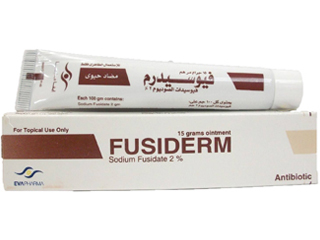
Fusiderm B Cream (Betamethasone + Fusidic Acid) — Patient Guide (UK)
Fusiderm B is a combination medicine used to treat certain inflamed skin infections. It contains: betamethasone (a corticosteroid to reduce inflammation) and fusidic acid (an antibiotic active against susceptible bacteria, especially Staphylococcus aureus).
This guide is designed to be clear and patient-friendly. It explains what Fusiderm B does, how it works, how to use it safely, and what to watch for. Always follow the instructions supplied with your medicine.
Basic product information
- Medicine name: Fusiderm B
- Active ingredients: Betamethasone + Fusidic acid
- Form: Cream
- Strength: Varies by formulation (please check the package/carton for the exact strength)
- Common type of use: Short-term treatment of specific skin conditions where infection and inflammation occur together
Availability may differ between pharmacies. In the UK, your pharmacist and local regulations determine supply and suitability.
How Fusiderm B works (mechanism of action)
Fusiderm B combines two complementary actions:
- Fusidic acid (antibiotic): helps stop susceptible bacteria from producing proteins needed for growth. This reduces the bacterial load and helps clear the infection.
- Betamethasone (corticosteroid): reduces inflammation, redness, itching, and swelling. This helps relieve symptoms caused by the inflammatory response.
Together, the medicine targets both the infection and the inflammation. Because it contains a steroid, it should be used only for the condition it is intended for and for the recommended duration.
Pharmacokinetics (what happens in the body)
The exact absorption depends on factors such as skin condition, area treated, duration of use, whether the skin is broken, and the presence of occlusion (covering the area). In general:
- Absorption through skin: usually low when applied to intact skin, but can increase when skin is damaged, inflamed, or when treated areas are large.
- Systemic exposure: may be higher if used on extensive areas, under occlusion, or for prolonged periods, increasing the risk of steroid-related side effects.
- Metabolism & elimination: betamethasone is metabolised in the body and excreted mainly via the kidneys. Fusidic acid is also processed by the body and eliminated primarily through the liver/bile pathways and kidneys.
If you have been asked to apply Fusiderm B to a large area, to broken skin, or in a child, it is particularly important to follow timing and quantity guidance carefully.
Typical use in the UK (timing and duration)
Fusiderm B is generally used for short periods where a clinician has identified both infection and significant inflammation. For many skin infections, treatment often begins to improve within a few days.
Timing tips:
- Apply at the time(s) recommended for your specific condition.
- If the area is very inflamed or itchy, you may notice symptom relief sooner than full resolution.
- Do not continue longer than advised. If there is no improvement within the expected timeframe, seek further medical advice rather than extending treatment indefinitely.
Food interactions
Fusiderm B is applied to the skin. Because most of the medicine works locally, food interactions are not expected for topical use. However, if you are taking other medicines or have significant health conditions, it is always sensible to check with your pharmacist.
Alcohol and medicine interactions
There are no specific alcohol interactions known for Fusiderm B when used as directed. As with any medicine, if you experience dizziness, irritation, or other unexpected effects, contact a healthcare professional.
Medicine interactions: systemic interactions are uncommon with topical use, but steroid absorption can be higher in some situations (large areas, broken skin, prolonged use). Tell your pharmacist if you use medicines that affect immunity (e.g., some immunosuppressants) or if you have a history of severe skin reactions.
Indications: what it is used for
Fusiderm B is used for specific inflammatory skin infections where:
- bacterial infection is suspected or confirmed to be caused by susceptible organisms, and
- there is significant inflammation (redness, swelling, itching) that needs steroid treatment.
In practice, it may be used for certain conditions such as:
- infected eczema/dermatitis where inflammation and bacterial involvement coexist
- some impetigo-like or localised staphylococcal skin infections with notable inflammation
- infected skin lesions selected by a clinician after assessment
Important: Fusiderm B is not a general “all-purpose” cream for any sore skin. It should not be used for fungal infections (e.g., ringworm), viral skin infections (e.g., cold sores), or for acne unless specifically advised—steroids can worsen some infections.
Dosing and how to apply
Dosing depends on the condition, location, and skin area. Always follow the instructions on your label. If you are unsure, ask your pharmacist.
Typical application (general guidance)
- How much: apply a thin layer unless told otherwise.
- Frequency: often 1–2 times daily depending on the condition and prescriber instructions.
- Duration: short course. If there is no improvement within the expected time, seek advice.
Practical step-by-step use
- Wash and dry your hands.
- Clean the affected area gently with water (or as advised) and pat dry.
- Apply a thin layer of Fusiderm B to the affected skin and gently rub in.
- Wash your hands again after application (unless you are treating your hands).
- Use only the amount instructed. Avoid getting it in eyes or mouth.
What to avoid
- Do not cover with airtight dressings or occlusive bandages unless specifically instructed.
- Avoid use on large body areas or for prolonged periods without medical review.
- Avoid applying to eyes, inside the nose, mouth, or genitals unless instructed.
- Do not use on skin that is not clearly infected/inflamed as intended.
Safety profile: side effects and precautions
Like all medicines, Fusiderm B can cause side effects. Many people tolerate it well when used appropriately and for a short time. Because it contains a steroid, longer use increases risk.
Common or local side effects
- stinging, burning, or mild irritation at the application site
- itching or redness
- dry skin or mild peeling
Less common but important steroid-related risks
Steroids on the skin can, in some circumstances, lead to changes such as:
- thinning of the skin (atrophy)
- visible small blood vessels (telangiectasia)
- stretch marks (striae)
- increased risk of skin infections getting worse
Antibiotic resistance (fusidic acid)
Using antibiotics when not needed—or not using them correctly—can contribute to antibiotic resistance. If your condition does not improve, do not keep using the cream indefinitely; seek advice to confirm the diagnosis and consider alternatives.
When to stop and seek urgent advice
Contact a healthcare professional urgently if you develop:
- rapidly worsening swelling, pain, or redness
- spreading rash or signs of severe allergic reaction
- trouble breathing, facial swelling, or widespread hives
- new blisters or severe skin reactions
Special precautions
- Children: may absorb more steroid relative to body size. Use only as directed and for the shortest appropriate duration.
- Pregnancy & breastfeeding: topical use may be considered when benefits outweigh risks; avoid large areas and prolonged use. Ask your pharmacist or clinician for personalised advice.
- Infected areas near the face: be cautious around eyelids. Avoid contact with eyes.
- Broken skin: absorption may increase. Follow instructions carefully.
Practical use tips (getting the best results)
- Start early: begin treatment as soon as advised after the problem is identified.
- Use a thin layer: more is not always better and can increase steroid absorption.
- Keep the area clean: gently cleanse before applying unless your clinician advised otherwise.
- Do not “share”: avoid using on other people’s skin conditions.
- Watch the timeline: if symptoms are not improving, reassessment is important.
- Hygiene: wash towels and bedding regularly if the infection is spreading.
Alternative options
The best alternative depends on the cause of the skin problem. Because Fusiderm B contains both an antibiotic and steroid, alternatives may include:
- Topical antibiotics without steroid: for infections without significant inflammatory need.
- Topical corticosteroid alone: for purely inflammatory (non-infected) conditions.
- Antifungal treatment: if the cause is fungal (e.g., ringworm), as steroid-containing creams can worsen fungal infections.
- Antiseptics: in some minor, non-severe skin infections or where bacterial burden is low.
- Oral antibiotics: may be required for more extensive, deep, or severe infections.
If you’re unsure whether the skin problem is truly bacterial infection, it’s safer to seek assessment rather than switching products repeatedly.
UK market/legal context and medicine stewardship
In the UK, medicines containing antibiotics are subject to stewardship principles to help preserve effectiveness. Topical antibiotics are generally intended for appropriate, time-limited use and for conditions where bacterial infection is likely. Steroid-containing combinations require careful selection because steroids can mask or aggravate certain infections.
Guidance typically emphasises:
- using the most targeted treatment possible
- avoiding unnecessary antibiotic exposure
- reviewing response to treatment
- avoiding long-term or inappropriate steroid use
Supply and exact product availability can vary by manufacturer batch and pharmacy inventory. Your pharmacist can advise on availability and comparable options.
Recent guidance and clinical considerations (UK context)
While local protocols vary, UK clinical practice commonly aligns with principles such as:
- Confirm likely diagnosis: use combination creams only when infection and inflammation coexist.
- Prefer short courses: re-check if there is limited improvement.
- Consider resistance: avoid repeated or prolonged antibiotic courses for suspected bacterial skin problems without reassessment.
- Avoid steroids in the wrong infection: fungal and viral conditions may worsen with steroid-containing products.
If symptoms recur soon after treatment, it may indicate a resistant organism, an alternative diagnosis, or a need for a different approach. Do not keep repeating the same combination without professional advice.
Delivery and availability (UK online pharmacy)
Online pharmacy delivery timelines depend on your postcode, courier options, and stock availability. In the UK, most topical medicines are dispatched promptly and delivered within standard postal or courier windows.
- Stock-dependent: availability can vary; if out of stock, your pharmacy may offer a suitable alternative.
- Packaging: medicines are typically supplied in original branded packaging for safety and traceability.
- Storage: store as directed on the pack (commonly at room temperature, away from excessive heat).
If you need help locating the correct strength or formulation, contact customer support or speak to a pharmacist.
FAQ
1) What conditions is Fusiderm B used for?
Fusiderm B is used for certain infected and inflamed skin conditions where bacterial infection is suspected or confirmed and inflammation is significant. It is not suitable for every sore skin problem.
2) How quickly should I see improvement?
Many people notice symptom relief within a few days. However, complete resolution can take longer. If you see no improvement within the expected timeframe (as advised by your clinician/pharmacist), seek review.
3) Can I cover the treated area with a dressing?
Avoid occlusive airtight covering unless you have been specifically instructed. Coverage can increase absorption and steroid-related side effects, especially over large areas.
4) Is it safe to use on the face?
It should be used on the face only if advised. Be careful to avoid eyes and eyelids. The skin on the face is more sensitive, so steroid-containing products can carry higher risk if misused.
5) What if the rash spreads or gets worse?
Stop using the cream and seek medical/pharmacy advice urgently if the condition rapidly worsens, becomes very painful, or you develop signs of a severe reaction.
6) Can I use Fusiderm B for fungal infections?
No. Steroid-containing creams can make fungal infections worse or hide their appearance. If a fungal infection is suspected, a targeted antifungal treatment is usually needed.
7) Are there any interactions with other medicines?
Direct interactions are unlikely with topical use. However, tell your pharmacist about all medicines you use, especially immunosuppressants, and let them know if you’re treating large areas or using the cream for longer than intended.
8) Can I drink alcohol while using it?
No specific alcohol interaction is expected with properly used topical Fusiderm B. If you feel unwell or notice unexpected effects, seek advice.
9) Can I use it during pregnancy or while breastfeeding?
Topical corticosteroid/antibiotic combination products may be considered depending on circumstances. Avoid large areas, prolonged use, and contact with the infant’s skin (including breast area) unless instructed by a healthcare professional. Ask your pharmacist for personalised guidance.
10) What should I do if I miss a dose?
Apply the missed dose when you remember unless it’s nearly time for the next application. Do not apply extra to make up for a missed dose—follow the scheduled frequency.
Summary
Fusiderm B cream combines an antibiotic (fusidic acid) with a corticosteroid (betamethasone) to treat selected skin infections with inflammation. Use it in a thin layer, follow the recommended frequency and short duration, and seek advice if there is no improvement or the rash worsens.
For advice tailored to your skin condition, consult your pharmacist or healthcare professional.