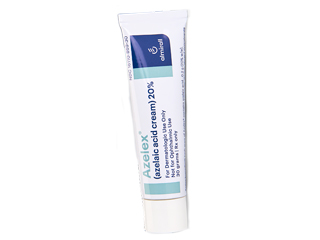
Azelex (Azelaic Acid) – Patient-Friendly Guide (UK)
Azelex is a topical medicine containing azelaic acid, used to treat skin problems such as acne and certain types of pigmentation. This guide explains how it works, how to use it safely, what to expect, and how it fits into routine care in the United Kingdom.
Note: Always follow the instructions given with your product. If you’re unsure how to use Azelex for your specific skin condition, ask a pharmacist or a healthcare professional.
1) Basic product information
Active ingredient: Azelaic acid
Type of product: Topical gel/cream (strength may vary by brand and pack)
Common uses: Acne (especially inflammatory lesions), rosacea-related redness and bumps, and some pigmentation concerns (e.g., melasma)
How it’s applied: To affected skin areas
2) How azelaic acid works (mechanism of action)
Azelaic acid is a naturally occurring dicarboxylic acid with multiple skin-targeted effects. It helps treat acne and pigment conditions by acting at different stages of the problem:
- Anti-inflammatory activity: Reduces inflammation within the skin, helping to calm redness and tenderness.
- Antimicrobial effects: Can reduce certain bacteria involved in acne (including Cutibacterium acnes), which may contribute to flare-ups.
- Comedolytic (helps unclog pores): Helps normalise keratinisation and can reduce the formation of clogged pores.
- Reduces abnormal pigment production: Can inhibit processes involved in overproduction of melanin, improving the appearance of hyperpigmentation and patchy darkening.
- Supports skin turnover: Encourages more even shedding of the outer skin layers, which can improve texture and tone.
3) Pharmacokinetics: what happens in the body
Because Azelex is used on the skin, only small amounts typically enter the bloodstream. Information on absorption and handling helps explain why most people experience mainly local (skin) effects rather than whole-body side effects.
| Topic | What to expect (topical use) |
|---|---|
| Absorption | Azelaic acid is absorbed through skin in limited amounts; absorption may be higher on irritated, inflamed, or broken skin. |
| Distribution | After absorption, it is distributed in the body in small quantities. |
| Metabolism | It is broken down through normal metabolic pathways. |
| Elimination | Excess is removed mainly via the kidneys (urine). |
In routine use, systemic levels are generally low, so significant interactions through bloodstream exposure are uncommon. However, you should still consider interactions with other skincare or medicines that affect the skin barrier.
4) Typical uses and indications (what it’s used for)
Azelex (azelaic acid) is used for a range of dermatological conditions. In the UK, it may be used alone or alongside other skin treatments, depending on the diagnosis and severity.
Common indications
- Acne vulgaris: Particularly inflamed acne lesions (papules and pustules) and clogged pores.
- Rosacea: For persistent facial redness and acne-like bumps associated with rosacea.
- Hyperpigmentation: Some types of dark marks, including melasma (patches of pigmentation), especially when combined with good sun protection.
- Post-inflammatory hyperpigmentation (PIH): Darkened marks that can remain after acne or skin inflammation in darker or fairer skin tones.
If you are unsure whether your condition fits one of the above, a pharmacist or GP can help guide next steps.
5) Dosing and how to apply it (timing and routine)
Dosing can vary by diagnosis, product strength, and how your skin reacts. The aim is to apply enough to treat the area without causing excess irritation.
Typical directions
- Start gently: Many people begin with once daily (often in the evening) to improve tolerance, especially if you have sensitive skin.
- Often increased to twice daily: If tolerated, use may increase to morning and evening.
- Amount: Apply a thin layer to the affected areas. A small amount often covers the target region well.
- Consistency matters: Effects develop gradually; it’s important to keep using as directed even if you don’t see immediate results.
When to use it (practical timing)
A helpful approach is to pair Azelex with a simple skincare routine:
- Evening: Cleanse, pat dry, apply Azelex, then moisturise if needed.
- Morning: Cleanse lightly (or rinse), apply Azelex if your plan allows, then use sunscreen during the day (important for pigmentation and rosacea).
If you also use other topical products (e.g., benzoyl peroxide, retinoids, or exfoliating acids), you may need to separate them by time to reduce irritation.
How long until you notice results?
Improvement is usually gradual. Many users notice reduced redness or less “active” acne over a few weeks, but visible benefits for pigmentation can take longer. For some people, a full trial may take several months.
- Acne / rosacea: Consider evaluating after 8–12 weeks.
- Hyperpigmentation: Often takes longer—frequent use plus strict sun protection is key.
6) How to use Azelex safely (step-by-step)
- Cleanse: Wash with a gentle cleanser and rinse thoroughly. Avoid harsh scrubbing.
- Dry skin: Pat dry (don’t rub). Apply when the skin is fully dry unless your clinician advises otherwise.
- Apply a thin layer: Use clean hands or a suitable applicator. Cover the affected area and, for acne, often the surrounding area too.
- Allow to absorb: Wait a few minutes before applying other products (especially moisturisers).
- Moisturise if needed: If you feel dryness or tightness, use a non-comedogenic moisturiser.
- Use sunscreen daily: Particularly if treating pigmentation or rosacea. Sunscreen helps prevent dark marks from worsening.
If you get significant stinging at first, you can reduce frequency (for example, every other night) until your skin adapts.
7) Food interactions
Because Azelex is applied to the skin and systemic absorption is generally low, food interactions are not expected. You can continue eating normally. If you notice that your skin is affected by diet (for example, acne flare-ups), you may still consider discussing triggers with a healthcare professional.
8) Alcohol and medicine interactions
Alcohol
There is no well-established direct interaction between azelaic acid (topical) and alcohol. However, alcohol can affect blood vessels and may contribute to flushing in some people, which can make rosacea symptoms feel worse.
Other topical and skincare interactions
Even without direct systemic drug interactions, combining products can irritate the skin barrier. Be cautious with:
- Other exfoliating or “active” products: strong acids (glycolic, salicylic), high-strength exfoliants, or peeling agents.
- Retinoids: may increase dryness or irritation if used together too quickly.
- Benzoyl peroxide: sometimes used in acne regimens; separating by time can reduce irritation.
- Harsh cleansers and scrubs: can make stinging worse and reduce comfort.
- Aftershaves/perfumed products: can worsen sensitivity.
A common approach is to “layer” gently: start one active at a time, then add others gradually as tolerated.
Systemic medicines
Since systemic absorption is limited, major interactions with oral medicines are unlikely. Still, it’s wise to tell your pharmacist about all products you use, including creams, gels, and supplements—especially if you have other skin conditions.
9) Safety profile: common side effects and when to stop
Most side effects are mild and local, especially when starting treatment. Your skin may feel:
Common local effects
- Dryness
- Redness
- Stinging, burning, or tingling (often temporary)
- Itching
- Peeling or mild irritation
Less common but important reactions
- Severe irritation that doesn’t settle with reduced frequency
- Allergic-type reactions such as swelling, significant rash, or widespread hives
- Eye or mouth irritation if product accidentally gets into sensitive areas
If you experience significant or worsening symptoms, stop using Azelex and seek medical advice. Mild, short-lived stinging is common at the beginning, but persistent discomfort is a sign you should adjust your routine.
10) Practical use tips to improve tolerance
Getting the balance right between effectiveness and comfort is key. The tips below often help:
- Start low and go slow: Use once daily or every other day for the first 1–2 weeks.
- Apply to fully dry skin: Wet or damp skin can sting more.
- Use a moisturiser: Consider applying moisturiser after Azelex if dryness occurs.
- Avoid the corners of the nose and lips: These areas can be sensitive.
- Don’t “over-apply”: A thin layer is usually enough.
- Be consistent: Stopping and restarting can prolong irritation without achieving steady benefits.
- Sun protection is essential: For pigmentation, sunscreen and shade reduce relapse and improve results.
- Check your cleanser: If it’s drying or perfumed, switch to a gentle option.
11) Missed dose
If you miss a dose, apply it when you remember if it is close to the next scheduled time. If it is near the next dose, skip the missed dose—do not double up.
12) Alternative options
Depending on your skin concern and severity, alternatives may include other topical medicines and supportive skincare strategies. Your best option depends on your diagnosis and how your skin reacts.
For acne
- Benzoyl peroxide: Helps reduce acne bacteria and inflammation.
- Topical retinoids (e.g., adapalene/tretinoin): Helps normalise cell turnover and unclog pores.
- Salicylic acid: An alternative keratolytic (may irritate sensitive skin).
- Topical antibiotics: sometimes used short-term under guidance.
For rosacea
- Metronidazole gel/cream (where appropriate)
- Other prescription-strength anti-inflammatory rosacea options depending on availability and suitability
For pigmentation
- Sunscreen and sun avoidance: the foundation of treatment
- Other pigment-reducing topical agents (choice depends on skin type and diagnosis)
If you don’t see improvement, or if your skin becomes too irritated to continue, speak with a pharmacist or clinician about suitable alternatives.
13) UK market and legal context (what it means for you)
In the UK, topical dermatology treatments can be supplied via different routes depending on formulation, strength, and licensing status. Product availability may vary by pharmacy and supplier. When ordering online, ensure:
- You are buying from a UK-registered pharmacy or reputable supplier.
- The packaging clearly shows the correct strength and expiry date.
- The product matches what you intend to treat.
Guidance and prescribing practices can change over time, particularly for acne and rosacea, as safety information and public health recommendations are updated. Always check the latest information provided with your product and consult a pharmacist for personalised advice.
14) Recent guidance and treatment expectations
In recent years, dermatology guidance across the UK has emphasised a few consistent themes:
- Gentle skin care: reduce irritation and support the skin barrier.
- Stepwise escalation: start with simpler regimens and build gradually.
- Sun protection: particularly important for hyperpigmentation and some rosacea patients.
- Realistic timelines: acne and pigment changes take time; early “stinging” or dryness can be expected and managed.
If symptoms worsen quickly, if you develop significant inflammation, or if you have new concerning skin changes, seek medical advice promptly.
15) Delivery and availability (UK online pharmacy)
Availability of Azelex may depend on the specific strength and formulation in stock. When you order online in the UK, you can typically expect:
- Secure packaging: protecting the product from heat and damage.
- Tracking options: in many delivery services.
- Typical dispatch times: may vary by supplier and warehouse location.
Delivery options, cut-off times for same/next day dispatch, and costs are usually shown during checkout. If you need your medicine by a particular date, check the estimated delivery window before purchasing.
16) Storage and handling
- Store at room temperature, away from excessive heat and direct sunlight.
- Keep the container tightly closed to prevent drying out or contamination.
- Keep out of sight and reach of children.
- Check expiry date before use and do not use if the product is out of date.
FAQ – Frequently Asked Questions
Is Azelex suitable for sensitive skin?
It can be, but it may cause stinging or dryness, especially at the start. Many people improve tolerance by starting once daily or every other night, using a moisturiser, and ensuring the skin is fully dry before application.
Can I use Azelex with moisturiser?
Yes. Moisturising is often recommended to reduce irritation. Apply Azelex first, then moisturiser after it has had a few minutes to settle, unless your skincare plan suggests otherwise.
How soon will I see results?
For acne and rosacea, some improvement may be seen within a few weeks, but a proper evaluation is often around 8–12 weeks. For pigmentation, results can take longer and sun protection is crucial.
Should I use Azelex during the day?
You can, depending on your routine and tolerance. If using in the daytime, apply sunscreen during the day and monitor for irritation. Some people prefer evenings first to improve comfort.
Will Azelex bleach my skin?
Azelaic acid reduces overactive pigmentation processes, helping dark marks fade. It should not “bleach” normal skin tone. If you notice unexpected changes or worsening irritation, stop and seek advice.
Can I use Azelex with other acne treatments?
Often yes, but it depends on the combination. Using multiple strong actives can increase irritation. Consider separating products by time (e.g., one in the morning, one at night) and introduce them gradually.
What if it stings when I apply it?
Mild temporary stinging can happen, particularly early on. If stinging is significant, reduce the frequency, apply less product, moisturise, and avoid other irritating skincare for a while. Seek medical advice if irritation is severe or persistent.
Can I shave or use hair removal products after applying Azelex?
It’s best to avoid applying immediately before shaving or hair removal, since friction and irritation can increase discomfort. Allow treated skin to settle and consider timing your Azelex routine to avoid skin trauma.
Is sunscreen required when using Azelex for pigmentation?
Yes. Sunscreen and sun protection are strongly advised, because sun exposure can worsen pigmentation and reduce treatment benefits.
What should I do if I accidentally get Azelex in my eyes?
Rinse thoroughly with water immediately. If irritation persists, seek medical advice.
Who should be extra cautious?
If you have eczema, very sensitive skin, or a history of strong allergic skin reactions, start slowly and consider discussing suitability with a pharmacist.
Summary: Azelex (azelaic acid) is a topical treatment that can help with acne, rosacea and certain pigmentation concerns. Results are gradual, and good tolerability practices—gentle cleansing, thin application, moisturising, and sun protection—make a big difference.