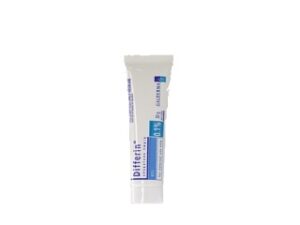
Differin (Adapalene) – Patient Information (UK)
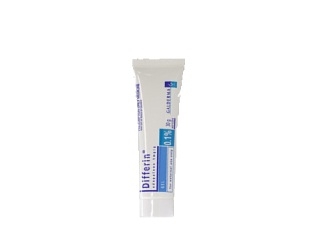
Differin is a medicine containing adapalene, used mainly for acne. It belongs to a group of medicines called retinoids. Adapalene helps reduce acne by improving how skin cells shed and preventing clogged pores (comedones).
This guide is written to help you understand how Differin works, how to use it safely, and what to expect. Always follow the instructions provided with your product or by your healthcare professional.
1) Basic product information
- Active ingredient: Adapalene
- Product name: Differin
- Medicinal form: Topical cream or gel (strengths may vary by product)
- Route of administration: Applied to the skin
- Common uses: Acne vulgaris (including blackheads/whiteheads and inflammatory acne)
- Also known as: A topical retinoid
Note: The exact strength, formulation, and directions can differ between markets and product presentations. Check the pack for the correct product details.
2) How Differin works (mechanism of action)
Adapalene is a topical retinoid. In acne, hair follicles can become blocked by skin cells and oil. This blockage supports the growth of acne-related bacteria and triggers inflammation.
Adapalene works mainly by:
- Normalising the shedding of skin cells inside pores, helping reduce comedone formation.
- Reducing clogged pores (blackheads and whiteheads).
- Reducing inflammation associated with acne lesions.
- Improving skin turnover over time, leading to a clearer appearance.
Compared with some older retinoids, adapalene is formulated to be well-tolerated on the skin, although irritation can still occur, especially during the early weeks.
3) Pharmacokinetics (how the body handles it)
Because Differin is applied to the skin, it is designed for local action. Only small amounts typically absorb through intact skin.
- Absorption: Generally low systemic absorption when used as directed.
- Distribution: Systemic distribution, if any, is limited due to low absorption.
- Metabolism & elimination: Any absorbed fraction is processed by the body and eliminated in the normal ways.
Practical takeaway: For most people, adapalene is unlikely to cause whole-body effects when used correctly on the skin. However, it can still cause local irritation, especially in the first weeks.
4) Typical use and who it’s for
Differin is used for acne. It can be helpful if you have:
- Blackheads (open comedones)
- Whiteheads (closed comedones)
- Inflammatory acne (red spots, pustules)
It may be used as a stand-alone treatment or in combination with other acne treatments depending on your skin type and severity of acne.
When it’s not the right choice: It is not intended for other skin conditions unless specifically advised. Avoid using it on eyes, lips, or inside the nose/mouth.
5) When and how to apply it (timing)
Most people apply Differin once daily in the evening because it is commonly better tolerated when applied at night. Consistency is important.
Step-by-step practical routine
- Cleanse: Wash your face gently with a mild cleanser and pat dry.
- Wait briefly: Let the skin fully dry before applying. Applying to damp skin can increase irritation.
- Use a pea-sized amount: Apply a thin layer to the areas affected by acne (not heavy rubbing).
- Even coverage: Spread lightly—more product does not usually mean faster results.
- Moisturise if needed: Use a suitable moisturiser to reduce dryness and irritation.
How long before results?
- Early changes: Some improvement may be seen after a few weeks.
- Full effect: Acne can take 8–12 weeks (sometimes longer) to show noticeable improvement.
- Possible “worsening” early on: A temporary increase in spots can occur when starting. This does not necessarily mean the treatment isn’t working.
Missed dose
If you forget a dose, apply it when you remember unless it is close to your next dose. Do not apply extra product to make up for a missed dose.
6) Food interactions
Food interactions are not a major concern for topical adapalene. Differin is applied to the skin and only small amounts typically absorb into the bloodstream when used correctly.
However, overall nutrition and hydration can support healthy skin, and certain diets may influence acne for some people. If you notice a consistent link between particular foods and flare-ups, discuss it with a healthcare professional.
7) Alcohol and medicine interactions
Alcohol
Topical adapalene does not have a known direct interaction with alcohol. However:
- If you experience skin dryness or irritation, alcohol-containing products (including some skincare toners) may worsen dryness.
- Systemic medicines for acne (such as oral antibiotics) can interact with alcohol depending on the drug—always check the specific product guidance.
Other medicine interactions (topical and combined acne treatments)
Adapalene may cause irritation when used alongside other strong or drying products.
Be cautious with concurrent use of:
- Other acne actives such as strong exfoliants, high-concentration acids (e.g., some AHA/BHA leave-ons), or abrasive scrubs
- Strong topical antiseptics that may dry the skin
- Products containing alcohol or irritating fragrance that may intensify dryness
Tell a healthcare professional or pharmacist about any other creams, gels, or skin treatments you use, including non-prescription products.
8) Indications (what Differin is used to treat)
In clinical practice, adapalene is indicated for acne vulgaris. It helps treat:
- Comedonal acne (blackheads/whiteheads)
- Inflammatory acne (red lesions)
- Often used for mild to moderate acne, depending on the product strength and individual response
Your pharmacist or clinician can advise on whether Differin suits your acne type and severity.
9) Dosing and how much to use
Differin is applied to the skin. The most common dosing approach is:
- Frequency: Once daily
- Timing: Usually in the evening
- Amount: A pea-sized amount for the whole face, or a thin layer for the affected areas
- Method: Apply thinly; avoid eyes, lips, corners of the nose, and any broken or irritated skin
If you are new to retinoids or your skin is sensitive, you may need to start gradually (for example, using it every other night) to reduce irritation. If irritation is severe, stop and seek advice from a pharmacist or clinician.
| Situation | Typical approach |
|---|---|
| Starting Differin | Begin once daily in the evening, or gradually (e.g., every other night) if skin is prone to irritation. |
| Mild dryness | Use a gentle moisturiser; consider moisturiser before or after adapalene. |
| Moderate irritation | Reduce frequency (e.g., skip a night) and avoid other potentially irritating products. |
| Severe redness/burning | Stop and seek advice. Do not “push through” intense irritation. |
10) Safety profile and side effects
Like all medicines, Differin (adapalene) can cause side effects. Many are local and relate to skin irritation, especially in the early weeks.
Common side effects (usually local)
- Dryness
- Redness
- Peeling or flaking
- Stinging or mild burning sensation
- Skin irritation at the application site
Less common or more concerning reactions
- Severe dermatitis or swelling
- Blistering or severe burning
- Signs of allergy such as intense itching, rash spreading beyond the application area, or facial swelling
Seek urgent advice if you develop severe reactions, widespread rash, or symptoms suggesting an allergy.
Who should be extra cautious?
- People with eczema or very sensitive skin
- Those using other irritating skincare products (see “Practical tips” below)
- Anyone with sunburn or damaged skin
11) Practical use tips for best tolerance
Adapalene can be very effective, but successful acne treatment often depends on minimising irritation.
Tips for reducing dryness and irritation
- Moisturise consistently: Use a gentle moisturiser. If needed, apply moisturiser before and after adapalene (“sandwich” technique).
- Use a pea-sized amount: Over-application increases side effects without improving results.
- Start slowly if necessary: Every other night for the first 1–2 weeks can help your skin adjust.
- Avoid washing too often: Gentle cleansing once daily is usually enough.
- Skip other exfoliants at first: Avoid scrubs, strong acids, and strong retinoids simultaneously.
- Use sunscreen daily: Sun exposure can worsen dryness and irritation. Choose a broad-spectrum SPF.
Where to apply
- Apply to acne-prone areas (face, and sometimes other areas such as the back/chest if recommended by your product instructions).
- Avoid eyes, eyelids, corners of the nose, mouth, and lips.
- Avoid applying to broken, cut, or sunburnt skin.
What to do if irritation happens
- Reduce application frequency (for example, skip a night).
- Pause other potentially irritating acne products.
- If irritation persists or becomes severe, stop and ask a pharmacist or clinician for advice.
12) Alternative options for acne (UK)
Depending on your acne type, severity, and tolerance, healthcare professionals may suggest alternatives or combinations. Common options include:
- Topical benzoyl peroxide: Helps reduce acne bacteria and inflammation; can be drying.
- Topical antibiotics (often combined with benzoyl peroxide): Used for inflammatory acne for limited periods as advised.
- Azelaic acid: Often well-tolerated; can help with inflammation and marks.
- Salicylic acid (BHA): Helps exfoliate pores; may be useful for blackheads.
- Oral treatments for more severe or persistent acne (requires clinician guidance): examples can include certain antibiotics or hormonal approaches.
- Procedures (where appropriate): Some individuals benefit from specialist therapies.
Choosing the best option: Your acne pattern matters (comedones vs inflamed spots), your skin sensitivity, and your routine. A pharmacist can help you compare options available in the UK.
13) Market & legal context in the United Kingdom
In the UK, the way acne treatments are supplied (for example, whether they are available as a pharmacy product or via clinician assessment) can vary depending on strength, formulation, and current product classification. The medicine may be available through regulated pharmacy routes and should be used in line with the product’s approved instructions.
For legal and safety reasons:
- Use only the product strength and form indicated on the label.
- Do not use adapalene on children unless the product instructions and clinician advice support it.
- Do not share your topical retinoid with others.
Recent guidance (general principles): For acne management, UK practice increasingly emphasises stepwise treatment, consistent skin-care routines, minimising unnecessary irritation, and limiting prolonged use of antibiotics. Topical retinoids remain a cornerstone therapy for comedonal acne.
14) Delivery and availability (UK)
Differin containing adapalene may be available through online pharmacies and pharmacy supply channels in the UK depending on current stock and product classification.
What to expect when ordering online:
- Stock-dependent availability: Availability can vary by strength and formulation (cream vs gel).
- Packaging: Medicines are shipped in appropriate packaging to protect integrity and comply with regulations.
- Delivery times: Delivery speed depends on your location and the pharmacy’s delivery service.
- Cold-chain storage: Generally not required for topical adapalene unless specified on the product.
Always check the dispatch and delivery information on the website at checkout.
15) General precautions and important considerations
Sun and weather exposure: Adapalene can increase sensitivity to skin irritation. Use sunscreen and avoid excessive sun exposure.
Skin care compatibility: During treatment, keep routines gentle. Avoid harsh cleansers and strong exfoliants unless advised.
External irritants: Wind, cold weather, and hot showers can worsen dryness—consider adjusting moisturiser use.
Eye and mucous membrane safety: If product gets into eyes, rinse thoroughly with lukewarm water.
16) Pregnancy, breastfeeding, and family planning (UK safety note)
Retinoids are a group of medicines that require special caution during pregnancy and around conception. Adapalene is applied topically, but if you are pregnant, planning a pregnancy, or breastfeeding, discuss treatment options with a healthcare professional before using Differin.
If you become pregnant while using a topical retinoid, stop and seek advice promptly.
FAQ
How often should I use Differin?
Most people use Differin once daily in the evening. If you have sensitive skin, consider starting more slowly (for example, every other night) to reduce irritation.
Can I use moisturiser with Differin?
Yes. Moisturising can significantly improve tolerance. You may apply moisturiser before and/or after Differin. Using a gentle moisturiser helps reduce dryness and peeling.
Why is my acne getting worse at first?
Early flare-ups can happen when starting retinoid therapy. It may take 8–12 weeks to see the full benefit. If irritation is severe, pause and seek advice.
Should I stop if I get dry or peeling?
Mild dryness is common. If it’s manageable, you may continue with moisturising and possibly reducing frequency. If you experience intense burning, swelling, or a severe rash, stop and seek advice.
Can I combine Differin with benzoyl peroxide?
Combination therapy is sometimes used for acne, but it can increase irritation. If your pharmacist or clinician recommends a combination, consider starting gradually and monitor your skin’s tolerance.
Is it okay to use Differin with sunscreen?
Yes, and it’s strongly recommended. Daily sunscreen helps reduce irritation and supports treatment success.
Does Differin stain clothes or bedding?
Topical formulations may sometimes leave residue. Apply a thin layer and allow it to dry before going to bed to minimise transfer.
Can I shave or use hair removal while using Differin?
If you have irritation, shaving may worsen discomfort. Wait until skin is calm and use gentle techniques. Avoid applying Differin to freshly shaved or irritated skin.
What if I accidentally apply too much?
Using too much increases the likelihood of irritation. Apply only a thin layer and avoid increasing the amount to speed results.
Are there lifestyle tips that help acne along with Differin?
Yes. Avoid picking, cleanse gently, use non-comedogenic moisturisers and makeup, and keep hair products away from the face. If acne is persistent, consider discussing a tailored plan with a professional.
Summary
Differin (adapalene) is a topical retinoid used for acne by reducing clogged pores and inflammation. With consistent evening application, a thin layer, and a gentle skincare routine, many people achieve clearer skin over 8–12 weeks. As with all acne treatments, tolerance matters: moisturise, use sunscreen, start gradually if needed, and stop/seek advice if irritation becomes severe.