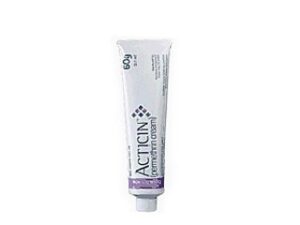
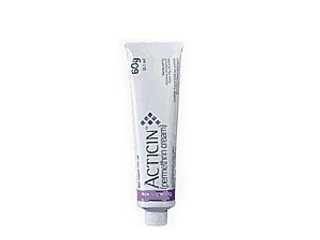

Acticin (Permethrin) – Patient Guide (UK)
Acticin contains permethrin, a topical medicine used to treat certain skin infestations, most notably scabies and lice (depending on the specific product formulation). This guide explains how Acticin works, how to use it safely and effectively, what to expect, and when to seek further advice.
Note: Acticin products can differ by country and formulation. Always follow the instructions on the specific pack you receive or the directions given by a healthcare professional.
Basic product information
| Feature | Details |
|---|---|
| Active ingredient | Permethrin |
| Medicine type | Topical insecticide/acaricide (applied to skin) |
| Common uses | Scabies; certain lice infestations (depending on formulation/strength) |
| How it’s used | Applied to skin (or affected area) and left for a specified period before washing off |
| Prescription/availability | Availability varies. Some permethrin products may be available without prescription in the UK, but you should check the product you select. |
What is Acticin used for?
Acticin (permethrin) is used to treat parasitic infestations of the skin. The most common UK use is for scabies.
Indications (typical reasons to use)
- Scabies (mite infestation causing intense itching, often worse at night)
- Lice (for certain topical permethrin formulations, where indicated on the packaging or in product information)
If you’re unsure whether your symptoms match scabies or another condition (such as eczema, dermatitis, or fungal rash), it’s wise to seek advice from a pharmacist or clinician.
How Acticin works (mechanism of action)
Permethrin is a synthetic pyrethroid. It works by affecting the nervous system of parasites:
- It disrupts nerve cell function in mites/lice.
- This leads to paralysis and death of the parasite.
- It also has ovicidal/larvicidal activity (helping reduce mites/lice emerging from eggs), which is why repeat treatment may be recommended.
Acticin kills the parasites on the skin. However, itching can persist for some time after successful treatment because your immune system may remain reactive to dead mites and mite debris.
Pharmacokinetics (how the body handles permethrin)
Permethrin is applied to the skin. In general, absorption through intact skin is limited. Key points for understanding pharmacokinetics include:
- Skin absorption: typically low when used as directed.
- Metabolism: permethrin is broken down in the body, mainly in the liver.
- Excretion: metabolites are eliminated, largely through urine.
Children, people with extensive rash, or those applying over large areas of damaged skin may absorb slightly more than average; for this reason, it’s important to follow dosing and safety instructions carefully.
Timing: when and how to use Acticin
Exact timing depends on the specific Acticin product and the infestation being treated. In many scabies regimens, a common approach is:
- First application: usually applied and left on for a specified number of hours (often overnight, per product instructions).
- Second application: often recommended about 7 days later to ensure newly hatched mites are treated.
Do not alter the timing unless your pharmacist or clinician advises it. Using it too early or too late may reduce effectiveness.
Practical tip: Choose a time when you can remain at home for the required contact period. Plan laundry and cleaning around the treatment day.
Typical dosing for scabies (general guidance)
Always follow the specific instructions in your pack. The guidance below is typical and may vary by formulation.
Adults and children (topical skin application)
- Apply to the whole affected area as directed, often including skin areas where mites commonly live (for example, trunk, arms, legs, and sometimes between fingers/toes).
- Cover skin thoroughly, including areas that may look less affected.
- Wash off at the end of the recommended contact time.
Infants, young children, and elderly
- Use carefully and follow pack instructions for age limits and special areas (such as scalp/face, which may be excluded on some products).
- Avoid eyes and mouth.
- If your child is very young, ask a pharmacist to confirm how to apply and what areas to include.
Missed dose
If you miss part of the planned regimen, check the product leaflet for advice. If you’re unsure, contact a pharmacist or clinician. Generally, effectiveness depends on correct timing between doses.
Food interactions
No specific food interactions are expected with Acticin because it is a topical treatment and systemic absorption is limited when used as directed.
- You can usually eat and drink normally.
- However, if you are nauseated, unwell, or taking other medicines, follow your usual guidance for those treatments.
Alcohol interactions
There are typically no direct alcohol interactions expected with Acticin because it is applied to the skin rather than taken by mouth.
Practical note: If you experience dizziness, irritation, or general symptoms after application, avoid alcohol until you feel well and the skin reaction has settled.
Medicine interactions
Acticin is not normally associated with clinically significant drug interactions when used topically as directed. Still, it’s sensible to consider:
- Other topical products (creams, oils, emollients): These may affect how well Acticin spreads or adheres to skin. Some clinicians recommend pausing certain products around treatment times.
- Skin integrity: If you’re using other treatments for skin inflammation, follow guidance on whether and when to apply them relative to Acticin.
- Immunosuppressive treatments or extensive skin disease: Seek advice before repeated or altered dosing.
If you are using other medicines for skin symptoms, ask your pharmacist to coordinate the schedule.
Safety profile and side effects
Most people tolerate Acticin well when used correctly. However, topical insecticides can cause local reactions.
Common side effects (usually mild)
- Skin irritation (burning, stinging, redness)
- Itching (temporary)
- Tingling or mild discomfort after application
Less common or concerning effects
- Severe rash, swelling, or worsening skin pain
- Blistering or marked skin peeling
- Allergic reaction (for example, facial swelling, breathing difficulty, widespread hives)
When to seek urgent help
Get urgent medical help if you develop signs of a serious allergic reaction (such as trouble breathing, swelling of the face or throat, or severe widespread rash) after using Acticin.
Pregnancy and breastfeeding
Many topical permethrin products are considered among the preferred options during pregnancy and breastfeeding in clinical practice, but individual circumstances vary. If you are pregnant, trying to conceive, or breastfeeding:
- Seek advice from a pharmacist or clinician before use.
- Avoid applying to areas where the infant may contact the skin soon after treatment.
- Follow pack instructions regarding application and washing.
Children
Acticin can be used in children for indicated conditions, but dosing and application areas may differ by age and product strength. Always follow the pack instructions and ask a pharmacist if you are treating:
- very young children
- premature babies or those with significant skin conditions
- large body surface areas
Practical use tips (to improve results)
Correct application and thorough environmental control are key to success, especially for scabies.
Before you start
- Check the diagnosis: scabies symptoms can resemble other skin problems.
- Cut nails short to reduce skin damage from scratching.
- Prepare clean clothing and bedding so you can change them promptly after treatment.
- Wash hands after application (unless hands are included in the treatment area).
During application
- Apply to dry skin as directed by the product leaflet.
- Use enough product to achieve full coverage of the indicated areas.
- Avoid eyes, mouth, and mucous membranes.
- If treating children, ensure careful application and prevent them from rubbing treated areas into eyes or mouth.
After treatment
- Wash off after the required contact time using water and mild cleanser.
- Change into clean clothes and put on clean bedding.
- Wash towels used for wiping the treated areas.
Laundry and cleaning (especially for scabies)
To reduce reinfestation:
- Wash bedding, towels, and recently worn clothing used close to the start of symptoms and treatment in the recommended way (often hot wash if fabric allows).
- Dry on a heat setting if possible.
- Items that cannot be washed may need to be sealed in a bag for a period recommended by local guidance.
- Vacuum upholstered furniture and car seats that may have been used recently.
Important: If close contacts are infested, treating only one person often leads to reinfestation.
Typical expectations after treatment
- Parasite death: occurs after application, but symptoms may take time to settle.
- Itching: can persist for up to several weeks in scabies even after successful treatment (post-scabetic itch).
- New spots: sometimes appear temporarily due to immune response or delayed effect, but persistent worsening should be reviewed.
If symptoms continue strongly beyond what you were told to expect, or if treatment appears ineffective, seek advice from a pharmacist or clinician.
Alcohol and medicine interactions (expanded notes)
Because Acticin is used on the skin, systemic exposure is low. Still, consider the following:
- Alcohol: generally no direct interaction. Avoid alcohol if it worsens skin sensitivity or if you feel unwell.
- Other medicines: there is generally low risk of interactions. The most common “interaction” is practical—how other creams or oils might alter spread/coverage or your ability to wash off thoroughly.
- Ongoing skin treatments: If you’re using steroids, antihistamines, moisturisers, or other creams, ask about timing relative to Acticin.
Alternative options
Depending on the infestation and your skin circumstances, alternatives may include other topical scabicides or lice treatments. In the UK, common alternatives may include:
- Different permethrin formulations/strengths (where appropriate for scabies vs lice)
- Malathion (often for head lice, depending on local availability and guidance)
- Ivermectin (oral treatment in some circumstances for scabies, typically used when topical therapy is not suitable)
- Dimeticone-based products for lice (mechanical action products)
Your pharmacist can help choose the most suitable option based on age, severity, scalp vs body involvement, prior treatments, and any skin sensitivity.
UK market and legal context (how it fits in)
Medicines in the UK must comply with regulatory requirements set by the Medicines and Healthcare products Regulatory Agency (MHRA). Availability for Acticin and permethrin products can vary by:
- Strength and formulation (for example, differences between scabies vs lice treatments)
- Local pharmacy supply and product licensing details
- Whether the product is classed as Pharmacy (P) medicine or available through other routes
Pharmacies follow UK standards for safe supply, including patient checks and ensuring you select the correct product for your condition.
Recent guidance and practical consensus (UK)
Current UK clinical approaches for scabies and persistent symptoms commonly emphasise:
- Correct diagnosis (itchy rash may not always be scabies)
- Treating close contacts at the same time to avoid reinfestation
- Environmental measures (laundry and cleaning) to reduce spread
- Understanding post-treatment itch so people do not assume failure too quickly
Your pharmacist or clinician can advise whether further treatment should be repeated or whether symptoms are likely post-scabetic itch.
Delivery and availability (online pharmacy)
Acticin (permethrin) availability can vary by stock and formulation. When ordering online from a UK pharmacy:
- Packaging and instructions are included with the delivered medicine.
- Delivery schedules depend on the supplier and your location within the UK.
- For time-sensitive infestations (especially where others are at home), consider ordering promptly and allow time for delivery so you can apply at the right time.
Storage: Keep the medicine in its original packaging, away from heat and out of reach of children. Check the pack for storage temperature requirements.
Step-by-step practical guide (quick checklist)
- Confirm the infestation matches your symptoms.
- Read your specific Acticin leaflet for duration, frequency, and age limits.
- Apply thoroughly to all indicated areas.
- Keep to the contact time, then wash off.
- Repeat if advised (often around 7 days for scabies).
- Treat close contacts as advised.
- Do laundry and cleaning to prevent reinfestation.
FAQ – Acticin (Permethrin)
1) How long does Acticin take to work?
Acticin kills mites/lice on contact after application. You may still feel itchy after treatment for some time, especially in scabies, because of your immune response to dead mites.
2) Why does the itching continue after treatment?
In scabies, itching may persist for up to several weeks even when the treatment has been successful. If symptoms are worsening rapidly, new widespread infestations develop, or you suspect reinfestation, seek advice.
3) Do I need to treat everyone in the household?
Often, yes—especially for scabies. Close contacts should be assessed and typically treated at the same time to reduce reinfestation risk. Follow guidance on who counts as a close contact for your situation.
4) Can I bathe or shower before applying Acticin?
Some product instructions recommend applying to clean, dry skin. Follow the pack instructions. If you bathe beforehand, avoid applying oils/creams that could reduce how well the medicine spreads unless your pack advises otherwise.
5) Can I use moisturisers or steroid creams with Acticin?
Sometimes people use emollients or anti-itch treatments alongside scabies treatment. The timing matters—some products advise waiting before applying other topicals. Ask a pharmacist if you’re unsure, particularly when treating children.
6) Is Acticin safe for children?
Permethrin-based treatments can be used in children for indicated infestations, but the correct application areas and dosing schedule depend on age and the specific product. Always follow the pack instructions and seek advice if treating infants or very young children.
7) What if I accidentally get Acticin in my eyes?
Rinse immediately with plenty of water and seek medical advice if irritation persists.
8) What if treatment doesn’t work?
Reasons include reinfestation from untreated contacts, missed application areas, incorrect timing, or an incorrect diagnosis. If symptoms remain severe beyond expected recovery or you’re unsure, contact a pharmacist or clinician for reassessment.
9) Can Acticin be used during pregnancy or breastfeeding?
Many permethrin topical treatments are used during pregnancy and breastfeeding when clinically indicated, but personal circumstances matter. Speak to a pharmacist or clinician for guidance.
10) Are there food, alcohol, or medication interactions?
Because Acticin is topical with limited systemic absorption, significant food interactions are not expected. Direct alcohol interactions are also not typically a concern. Practical interaction with other topical products may occur, so coordinate application timing if you use other creams.
Remember: For best results with scabies, correct application, correct timing, and treating close contacts and bedding/clothing are just as important as the medicine itself.