Tretiva (Isotretinoin) – Patient Information (United Kingdom)
Tretiva contains isotretinoin, a medicine used to treat severe acne and certain acne-related skin conditions. This guide explains what Tretiva is, how it works, how it’s taken, key safety information, and practical tips to help you get the best results.
1) Basic product information
Medicine: Tretiva
Active ingredient: Isotretinoin
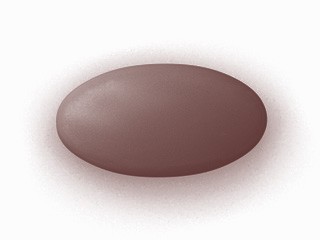
Common form: Capsules
Who it’s for: People with severe acne (as assessed by a healthcare professional) who have not responded adequately to other treatments.
Where it’s used: UK (England, Scotland, Wales, Northern Ireland) under applicable regulations and monitoring requirements.
2) What Tretiva is used for
Tretiva is mainly used for severe acne (particularly nodular or inflammatory acne) and for acne that has left or is likely to leave significant scarring. It is also used in selected cases of refractory acne (acne that does not respond well to standard therapies).
Typical indications
- Severe nodulocystic acne
- Acne causing scarring or a high risk of scarring
- Acne resistant to conventional treatments (e.g., topical treatments and certain antibiotics where appropriate)
- Selected dermatology conditions where isotretinoin is clinically indicated
3) How Tretiva works (mechanism of action)
Isotretinoin is a retinoid (a vitamin A–related medicine). It helps acne by acting on multiple stages of acne formation:
- Reduces sebum (oil) production in the skin. Lower oil helps prevent pores from clogging.
- Normalises keratinisation (the way skin cells mature and shed). This reduces blockage of hair follicles.
- Reduces inflammation associated with acne.
- Can lead to long-term improvement in many patients after a course.
Acne often does not improve instantly. Many people notice changes over several weeks, with a fuller effect over the course of treatment.
4) Pharmacokinetics (how the body handles it)
Pharmacokinetics describe how a medicine is absorbed, distributed, metabolised, and eliminated. This can influence dosing and food advice.
Absorption and food
- Isotretinoin absorption can be improved when taken with food, particularly a meal that contains fat. Food may increase the amount absorbed and the overall exposure.
- For consistency and effectiveness, follow the same timing pattern each day as advised by your clinician.
Distribution, metabolism, elimination (overview)
- After absorption, isotretinoin is processed by the body and converted into metabolites (including active forms).
- Isotretinoin has a prolonged elimination; remnants and metabolites remain detectable for some time after stopping.
- Your healthcare team may advise on monitoring and precautions that reflect this persistence.
5) Timing: when to take Tretiva
Tretiva is typically taken once or twice daily depending on the prescribed dose. Many patients take it with meals to support absorption.
Practical timing tips
- Take with food, as advised (often with a main meal).
- Try to take at the same times each day to keep levels steady.
- If you miss a dose, do not double up unless your healthcare professional advises otherwise. Instead, take the next dose at the regular time.
6) Food interactions and absorption
Food can affect how much isotretinoin is absorbed. Taking Tretiva with meals is commonly recommended to improve consistency of absorption.
Key points:
- Taking with fat-containing food may increase absorption.
- If you take it on an empty stomach, you may get less consistent absorption, which could affect response.
- Keep your daily routine consistent (e.g., breakfast and dinner) so the absorbed dose is more predictable.
7) Alcohol and medicine interactions
Isotretinoin can affect the liver and blood fats in some people. Alcohol can add extra load on the liver and may increase the risk of side effects.
Alcohol
- It is generally recommended to limit or avoid alcohol during treatment, especially if you have elevated liver enzymes or triglycerides.
- If you do drink, discuss the amount and frequency with your healthcare professional.
Important medicine and supplement interactions
Some medicines may increase side effects or affect how isotretinoin works. Always check before starting new medicines, including over-the-counter products and supplements.
Examples to discuss with your healthcare professional
- Vitamin A supplements (or other retinoid products): risk of increased retinoid toxicity.
- Antibiotics such as tetracyclines (e.g., doxycycline): can increase risk of raised pressure in the skull (pseudotumour cerebri).
- Other acne medicines with strong effects: may overlap in side effect profiles.
- Medicines affecting the liver or blood fats: may increase monitoring needs.
- Herbal supplements and high-dose “skin” products: quality and interactions may be unpredictable.
If you are uncertain about an interaction, keep a list of your medicines and ask your healthcare professional or pharmacist.
8) Dosing: how much and how long
Dosing is individualised based on factors such as acne severity, body weight, tolerance, and monitoring results. The goal is usually to achieve an effective cumulative dose.
Typical dosing approach (general information)
- Doses are often started lower to improve tolerability, then adjusted as needed.
- Some people are prescribed isotretinoin once daily; others twice daily.
- Treatment duration is commonly in the range of several months, depending on your regimen and how you respond.
| Treatment stage | What you may experience | Common practical notes |
|---|---|---|
| Starting phase | Dryness, lip irritation, skin sensitivity may begin early. | Use moisturisers and lip balms regularly from day one. |
| Early response | Some improvement may appear; occasional “initial flare” can occur. | Don’t stop because of early changes without medical advice. |
| Steady improvement | Inflammatory lesions often reduce; new breakouts may slow. | Keep consistent daily timing with meals. |
| Course completion | Acne continues to settle; skin may remain dry for a while. | Follow aftercare and monitoring plan. |
Do not change your dose or stop early without discussing it with your healthcare professional. If side effects are significant, your clinician may adjust the dose, timing, or supportive care.
9) Safety profile and important warnings
Tretiva has a well-known safety profile. Some side effects are common and manageable with supportive care, while others require urgent medical attention. The safety of isotretinoin is closely monitored in appropriate patients.
Most common side effects
- Dry lips (cheilitis) and cracked lips
- Dry skin and mild peeling
- Dry eyes and possible eye discomfort
- Nasal dryness or nosebleeds
- Sensitivity to sunlight (increased sunburn risk)
- Skin irritation or temporary worsening of acne early on
- Raised triglycerides and changes to liver enzymes (detected on blood tests)
- Muscle or joint aches (myalgia/arthralgia)
Serious or urgent warnings
Some risks are rare but important. Seek urgent medical advice if you develop severe symptoms.
- Severe headache, vision changes, or nausea/vomiting (possible raised intracranial pressure).
- Severe allergic reactions (e.g., swelling of face/lips, difficulty breathing, widespread rash).
- Severe abdominal pain or persistent diarrhoea (rare gastrointestinal concerns).
- Unusual bruising/bleeding or marked fatigue (requires prompt review and blood tests).
Pregnancy prevention is essential
Isotretinoin is strongly linked to serious birth defects if taken during pregnancy. This is one of the most critical safety considerations. If you could become pregnant, strict pregnancy prevention measures are required throughout treatment and for a period after stopping.
- Do not take isotretinoin if you are pregnant.
- If pregnancy is possible, discuss contraception options carefully and follow the monitoring and prevention steps required in the UK.
- Even brief exposure can be harmful to an unborn baby. Plan carefully with healthcare professionals.
For healthcare safety, isotretinoin must be used under a controlled system with eligibility checks and monitoring procedures appropriate to the UK.
10) Practical use tips (to reduce side effects)
Many people manage isotretinoin side effects successfully by planning ahead. Below are commonly used supportive measures.
Skin and lip care
- Moisturise daily with a gentle, fragrance-free moisturiser.
- Use a lip balm frequently (often multiple times a day) and consider petroleum jelly–based products if they suit you.
- Avoid harsh scrubs, strong exfoliants, and irritating toners unless your clinician recommends them.
- Wear sunscreen (SPF 30 or higher) and limit direct sun exposure; your skin may burn more easily.
- Consider a gentle cleanser rather than medicated or drying products.
Eye and nasal comfort
- If you get dry eyes, moisturising eye drops may help. Ask a pharmacist for options compatible with contact lenses if relevant.
- For dry nose, use appropriate moisturising strategies (e.g., saline sprays) if recommended.
Body comfort and exercise
- Mild joint or muscle discomfort can occur. Gentle stretching and hydration can help.
- If symptoms become severe or limit movement, contact your clinician.
Blood tests and monitoring
Isotretinoin can influence liver function and blood fats. Your healthcare team may request regular blood tests during treatment. Attend all scheduled checks so adjustments can be made early if needed.
11) Alternatives to Tretiva (options for acne)
Acne treatment depends on severity, scarring risk, and prior response. Some alternatives may be considered before or instead of isotretinoin.
Common alternative approaches
- Topical retinoids (e.g., adapalene, tretinoin where available)
- Topical antibiotics or combinations with benzoyl peroxide
- Benzoyl peroxide (anti-inflammatory and antibacterial effects)
- Oral antibiotics for selected cases (often limited in duration and combined with other agents)
- Hormonal therapies for suitable patients (e.g., in some women where appropriate)
- Procedures such as intralesional corticosteroids for individual inflammatory lesions
- For scarring or persistent disease: dermatology-led options including laser or chemical peels (timing and suitability depend on your skin and current treatment).
Your clinician can advise on the best choice based on your acne type and risk of scarring.
12) UK market and legal context (patient-friendly overview)
In the UK, isotretinoin is provided within a controlled framework because of the pregnancy risk and other safety considerations. This means that prescribing and dispensing are supported by safety measures, eligibility checks, and monitoring processes.
Additionally, isotretinoin is typically handled with strict guidance around patient selection, information provision, and compliance with risk minimisation steps.
Recent guidance themes (what patients should know)
- Pregnancy prevention and verification remain central, including ongoing risk management during treatment and after stopping.
- Regular monitoring may be required for liver function and blood fats depending on your individual risk factors and local practice.
- Emphasis on patient education: clear information on side effects, adherence, and when to seek help.
- Guidance encourages supportive measures for dryness and skin comfort.
Local clinic processes may vary. Your healthcare team will explain the specific steps you must follow.
13) Delivery and availability (UK)
Availability can vary due to controlled supply and individual eligibility steps. If your pharmacy provides online ordering, you may be able to:
- Check product availability for your area
- Choose a delivery option at checkout (where offered)
- Receive your order in discreet packaging
Delivery timelines depend on stock status, processing times, and courier service. If your order requires additional checks, delivery may take longer.
What to expect when ordering
- Order processing: confirmation and safety checks may be needed.
- Dispatch: your order is dispatched once all requirements are complete.
- Receiving: keep capsules in their original packaging and store as directed on the label.
If you need the product quickly or have questions about timing, contact customer support before placing an order.
14) FAQ
How long does it take to see results with Tretiva?
Many people notice changes within several weeks. Full improvement typically takes longer, and the most significant results may appear over the course of treatment and shortly after completion. Some individuals experience an early “flare” before improvement.
Will my acne get worse at the start?
It can. Early worsening is possible in the first weeks. However, this is not the same as severe deterioration that might require medical review. If you are concerned or symptoms are rapidly worsening, contact your healthcare professional.
Can I take Tretiva with food?
Food is often recommended because it may improve absorption and make drug exposure more consistent. Take it with meals as advised on your instructions. Try to keep the meal pattern similar each day.
Is it safe to drink alcohol while using isotretinoin?
It’s generally best to limit or avoid alcohol during treatment due to possible effects on the liver and blood fats. If you choose to drink, discuss safe amounts with your healthcare professional—especially if you have abnormal blood test results.
Which medicines and supplements should I avoid?
Avoid starting vitamin A supplements or additional retinoid-containing products unless your clinician specifically says it is safe. Discuss any new medicines—particularly certain antibiotics (e.g., tetracyclines), liver-affecting medicines, and other acne treatments.
What side effects are considered normal?
Dry lips, dry skin, dryness around the nose, and mild irritation are common and usually manageable with moisturisers and lip balms. Blood test changes can also occur and may require monitoring.
What side effects mean I should seek urgent help?
Seek urgent medical advice if you develop severe headache, vision changes, signs of allergic reaction (such as swelling or breathing difficulty), severe abdominal pain, or any rapidly worsening symptoms. If in doubt, contact a healthcare professional promptly.
Can I donate blood while taking Tretiva?
Blood donation rules vary and may be affected by isotretinoin use. Check current guidance from the relevant UK blood service or ask your healthcare team.
Can I use skincare products such as exfoliants or strong acne gels?
Your skin may become more sensitive. In general, avoid harsh exfoliants and irritating products unless advised by your clinician. Many patients use gentle moisturisers and sunscreen and may need to pause other potentially drying skincare during treatment.
How should I store Tretiva capsules?
Store capsules as directed on the pack (typically at room temperature, away from heat and moisture). Keep out of reach of children.
Are there alternative treatments if I can’t tolerate isotretinoin?
Yes. Depending on your acne type and severity, alternatives may include topical treatments, hormonal options, antibiotics in selected cases, and procedures. Your clinician can discuss what is suitable for you.
Where can I get more information?
Speak to your pharmacist or healthcare professional. They can tailor advice to your medical history, current medicines, and any monitoring results.
15) Summary
Tretiva (isotretinoin) is an effective treatment for severe acne, working by reducing oil production, improving skin cell turnover, and calming inflammation. Because it can cause dryness and may affect liver function and blood fats, it requires careful monitoring and supportive skincare.
If you could become pregnant, strict pregnancy prevention measures are essential. Always follow the guidance provided by your healthcare team and seek advice if you experience serious or worsening symptoms.