
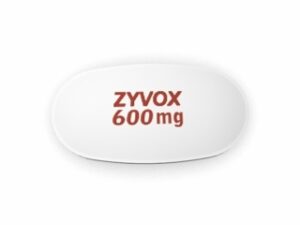
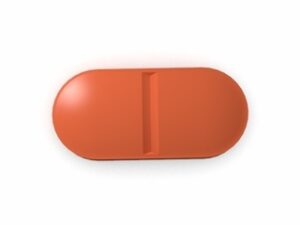
Keftab (Cephalexin) – Patient Information (UK)
Keftab is the brand name for cephalexin, an antibiotic in the cephalosporin family. It is used to treat certain bacterial infections. This page explains what Keftab is, how it works, how to take it safely, and what to expect.
Important: Antibiotics treat caused by bacteria (not viruses like colds and flu). If symptoms worsen or do not improve, seek medical advice promptly.
Key product details
- Active ingredient: Cephalexin
- Class: Cephalosporin antibiotic
- Common uses: Skin, soft tissue, respiratory tract, urinary tract (where appropriate), and other bacterial infections
- Available strengths: Common UK strengths include tablets (exact strength depends on the product pack)
- How it is usually taken: By mouth, often several times daily depending on the prescribed regimen
Always check your pack for the exact strength and formulation details (for example, film-coated tablets). If you are unsure which product you have, speak to a pharmacist.
How Keftab works (mechanism of action)
Cephalexin works by interfering with the ability of bacteria to build and maintain their cell walls. Bacterial cell walls protect the bacteria and keep them alive. Cephalexin targets enzymes involved in “cross-linking” cell wall components, weakening the cell wall so the bacteria cannot survive and multiply.
In simple terms: it stops susceptible bacteria from growing, allowing your immune system to clear the infection.
Pharmacokinetics (what the body does to it)
Pharmacokinetics describes how a medicine is absorbed, distributed, broken down, and eliminated. While individual results vary, cephalexin generally behaves as follows:
- Absorption: Cephalexin is absorbed after oral administration. Taking it at consistent times helps maintain effective levels.
- Distribution: It distributes into body tissues and fluids to reach sites of infection. Penetration can vary depending on the infection type and location.
- Metabolism: Cephalexin is not extensively metabolised.
- Elimination: It is mainly cleared by the kidneys. Dose adjustments may be needed for people with kidney problems.
- Timing: The dosing schedule is designed to keep antibacterial activity at sufficient levels.
If you have kidney disease, reduced kidney function, or are elderly, your healthcare professional may adjust how frequently you take Keftab.
Typical uses and indications
Keftab is used to treat susceptible bacterial infections. Common indications include:
- Skin and soft tissue infections (e.g., infected wounds, cellulitis, impetigo where appropriate)
- Respiratory tract infections caused by susceptible bacteria (for example, some cases of sore throat/tonsillitis or bronchitis)
- Urinary tract infections (UTIs) caused by susceptible organisms (based on local guidance and test results)
- Other infections where cephalexin is considered appropriate by clinical assessment and local protocols
The exact choice of antibiotic depends on factors such as infection site, severity, likely bacteria, and your allergy history. If symptoms are severe, recurrent, or complicated, additional tests may be required.
When and how to take Keftab (timing and dosing guidance)
Follow the dosing instructions on your pack or as advised by your healthcare professional. This page provides general guidance only.
Typical timing
- Take your doses at evenly spaced times when possible (e.g., morning/afternoon/evening).
- Try to keep to a regular schedule to maintain effective antibiotic levels.
- Complete the course for the full duration unless told otherwise.
How long does it take to start working?
Many people begin to notice some improvement within 48–72 hours. If there is no improvement after this period, symptoms worsen, or you develop new symptoms, seek medical advice.
Missed dose
- If you miss a dose, take it as soon as you remember.
- If it is close to your next dose, skip the missed dose.
- Do not take a double dose to make up for the missed one.
Stopping early
Stopping antibiotics early can allow some bacteria to survive. This may lead to the infection returning or becoming harder to treat. If you feel you cannot continue due to side effects, consult a pharmacist or clinician promptly.
Food interactions and taking with meals
Cephalexin can often be taken with or without food. For best tolerability:
- If you experience nausea, stomach upset, or indigestion, take your dose with food.
- Maintain good hydration.
- Avoid taking with large quantities of alcohol (see below) to reduce the risk of side effects.
Food does not typically cause major “inactivation” of cephalexin, but taking it with meals may improve comfort.
Alcohol and medicine interactions
There is no universally required rule that you must avoid alcohol completely with cephalexin. However, alcohol can worsen common side effects such as stomach upset, headache, and fatigue. It may also reduce your ability to rest and recover.
- Practical advice: Limit or avoid alcohol while you are unwell and taking antibiotics.
- Do not binge drink: It increases side effect risk.
- If you have liver disease or other health conditions, ask a pharmacist for personalised advice.
Regarding medicine interactions: cephalexin generally has fewer major interactions than some other antibiotics, but your safety depends on your full medication list.
Common medicines to check (examples)
- Warfarin or other vitamin K antagonists: antibiotics may affect clotting tests in some people. Monitoring may be needed.
- Other antibiotics: do not take overlapping antibiotics unless advised.
- Probenecid: may affect kidney clearance of some antibiotics; discuss if you take it.
Always tell a healthcare professional about all medicines, supplements, and herbal products you use. If you want, you can also check with your pharmacist to confirm compatibility with your current regimen.
Safety profile and side effects
Like all medicines, Keftab (cephalexin) can cause side effects. Most are mild and temporary, but some require urgent medical attention.
Common side effects
- Diarrhoea
- Nausea, stomach discomfort, or indigestion
- Headache
- Vaginal itching/discomfort or thrush (in some people)
Less common but important reactions
- Skin rash (sometimes mild; sometimes a sign of allergy)
- Abnormal blood counts (usually only if treatment is prolonged or in sensitive individuals)
Seek urgent medical advice if you notice
- Signs of an allergic reaction such as swelling of the face/lips, breathing difficulties, wheezing, or a rapidly worsening rash.
- Severe or persistent diarrhoea, especially if watery or with blood/mucus, or diarrhoea that starts during treatment or soon after.
- Severe skin reactions (e.g., blistering, peeling skin, sores in the mouth).
If you think you may be having an allergic reaction, stop taking the medicine and seek urgent help.
Allergy considerations
Cephalosporins may cause allergic reactions in some people. You should be extra cautious if you have had:
- An allergy to cephalexin or other cephalosporins
- Severe penicillin allergy (cross-reactivity can sometimes occur)
Tell your pharmacist or clinician about any previous antibiotic allergies and the reaction you experienced.
Practical tips for taking Keftab
- Use reminders: set alarms or use a pill organiser to avoid missed doses.
- Take with water: swallow tablets whole unless your product instructions say otherwise.
- Complete the course: even if you feel better, unless advised to stop.
- Hydrate: helps support recovery and may reduce irritation.
- Watch your bowels: mild looseness can happen; contact a clinician for severe diarrhoea.
- Keep an eye on allergy symptoms: rashes can appear during treatment.
- Storage: keep tablets in a cool, dry place away from direct sunlight, in the original packaging.
If you miss doses frequently or stop early due to side effects, the infection may not clear properly. If you struggle with the regimen, ask a pharmacist for advice on tolerability strategies.
Dose details (general information)
The exact dose and duration depend on: the infection type, severity, age, kidney function, and local guidance.
A clinician may prescribe different regimens for different infections (for example, different dosing frequencies). For safety, do not use this section to self-determine a dose.
Example dosing patterns (for understanding)
Cephalexin is commonly taken multiple times daily. In practice, dosing regimens may vary by clinical context. Always follow the instructions provided with your specific product.
| Infection context (example) | Typical dosing pattern (example) | Key notes |
|---|---|---|
| Minor skin/soft tissue infections (susceptible bacteria) | Often multiple daily doses | Duration depends on response and clinical assessment |
| Respiratory tract infections (selected cases) | Multiple daily doses | Choice of antibiotic depends on likely bacteria and severity |
| UTIs (where cephalexin is appropriate) | Multiple daily doses | May depend on urine test results and kidney function |
If you have kidney problems, your prescriber may adjust the dose. If you are elderly or have reduced renal function, monitoring may be recommended.
Alternative options
Antibiotic choice depends on the suspected organism, site of infection, allergy history, and local resistance patterns. Alternatives to cephalexin may include:
- Other cephalosporins (depending on suitability and infection type)
- Penicillin-class antibiotics (if appropriate and not contraindicated by allergy)
- Macrolides (for selected respiratory infections or allergy scenarios)
- Nitrofurantoin, trimethoprim, or fosfomycin (for selected uncomplicated UTIs, where appropriate)
- Other antibiotic classes based on culture results and clinical judgement
For viral illnesses or non-bacterial causes, antibiotics are not helpful. If you are unsure whether antibiotics are appropriate for your symptoms, a clinician can advise.
UK market and legal context
In the UK, antibiotics are regulated medicines and antibiotics should be used appropriately to reduce antibiotic resistance. They are supplied under medicines legislation and must be used in line with clinical guidance. Access to antibiotics is typically managed through the NHS and other regulated healthcare routes.
Keftab and cephalexin products are part of routine NHS and community prescribing for infections where they are suitable. Pharmacy services help ensure correct use, safe screening for allergies and interactions, and advice on adherence.
Recent guidance and antibiotic stewardship
UK antibiotic prescribing is guided by principles of antibiotic stewardship—using the right antibiotic, for the right duration, for the right infection, and avoiding unnecessary antibiotics.
- Do not use antibiotics for viral infections such as common colds, flu, most sore throats, or viral gastroenteritis.
- Consider local resistance patterns—choice of antibiotic may differ from country to country and over time.
- Reassess if symptoms don’t improve within a few days—this helps prevent ineffective treatment.
- Use diagnostics when needed—for example, urine tests for UTIs or culture results in more complex cases.
If you are prescribed an antibiotic, taking it correctly and completing the course (unless told to stop) supports stewardship goals.
Delivery, availability, and how to order online (UK)
Availability can vary by strength and pack size. Many online pharmacies in the UK may offer:
- Home delivery options (tracked service may be available depending on your location)
- Secure packaging to protect tablets and maintain confidentiality
- Clear product identification on the label and dispatch documentation
Dispatch times depend on stock levels, order volume, and the service selected at checkout. If you need your medicine quickly, check the delivery estimate shown on the website at the time of purchase.
If your order is delayed or incomplete, contact customer support promptly so the pharmacy can resolve the issue.
FAQ about Keftab (Cephalexin)
1) What is Keftab used for?
Keftab (cephalexin) is used to treat certain bacterial infections, commonly including skin/soft tissue infections, selected respiratory infections, and UTIs caused by susceptible bacteria.
2) How quickly should I feel better?
Some improvement is often seen within 48–72 hours. If you do not improve, or you worsen, seek medical advice.
3) Can I take Keftab with food?
Usually yes. Taking it with food can help reduce stomach upset. Follow the instructions on your medicine label.
4) Can I drink alcohol while taking cephalexin?
You may not need to completely avoid alcohol, but it can worsen side effects and make you feel worse while you’re unwell. Limiting alcohol is generally sensible. If you have health conditions or concerns, ask a pharmacist.
5) Is it safe if I’m allergic to penicillin?
Allergy history matters. Some people allergic to penicillin may react to cephalosporins, but not everyone. Tell your healthcare provider about your allergy and the type of reaction you had.
6) What should I do if I miss a dose?
Take it when you remember unless it is close to the next dose. Do not take a double dose.
7) What if I get diarrhoea?
Mild diarrhoea can occur. Seek urgent medical advice if diarrhoea is severe, watery, persistent, or contains blood/mucus, or if it occurs soon after starting or finishing treatment.
8) Can Keftab interact with other medicines?
Yes, interactions are possible. Examples include warfarin (clotting tests may need monitoring). Always provide your pharmacist with a list of your current medicines, including supplements and herbal products.
9) Can I use Keftab to treat a viral infection?
No. Antibiotics like cephalexin do not work against viruses. If symptoms suggest a viral illness, supportive care may be more appropriate.
10) How should I store cephalexin tablets?
Store in a cool, dry place away from sunlight, in the original packaging, and out of reach of children.
Disclaimer: This information is for general guidance and does not replace personalised medical advice. If you have questions about your specific situation—such as allergies, pregnancy/breastfeeding, kidney problems, or side effects— speak to a pharmacist or clinician.