Ocuflox (Ofloxacin) Eye Drops – Patient Information (UK)
Ocuflox is a brand of ofloxacin eye drops used to treat certain bacterial eye infections. This page explains what Ocuflox is, how it works, how to use it safely, and what to expect. It is written for patients in the United Kingdom.
Quick Facts
- Medicine: Ocuflox (ofloxacin)
- Type: Antibiotic eye drops (fluoroquinolone)
- Common use: Bacterial infections of the eye’s surface and related structures
- How it works: Stops bacteria from reproducing
- Important: Use only as directed and complete the course
Basic Product Information
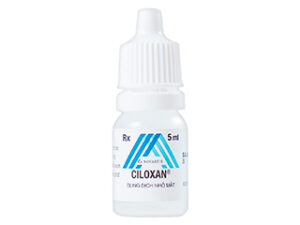
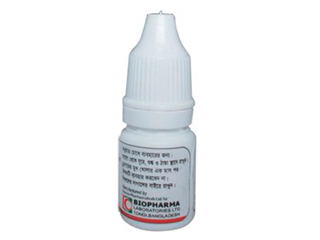
Ocuflox contains the antibiotic ofloxacin. It is supplied as an ophthalmic solution (eye drops). The exact strength per millilitre can vary by formulation, so check your specific pack for the stated concentration.
This information is designed to support safe use. Always follow the instructions provided by your healthcare professional or the directions on the package for your product.
How Ocuflox Works (Mechanism of Action)
Ofloxacin is a fluoroquinolone antibiotic. It targets key bacterial enzymes required for DNA replication. Specifically, it inhibits:
- DNA gyrase (topoisomerase II)
- Topoisomerase IV
By blocking these enzymes, ofloxacin prevents bacteria from multiplying. This helps the eye clear the infection. Effectiveness depends on the bacteria being sensitive to ofloxacin and on using the drops correctly and consistently.
Pharmacokinetics (What the Body Does With It)
After using eye drops, a portion of the medication can reach the eye tissues while some may drain through the tear ducts into the nose and be swallowed. Absorption into the bloodstream is usually limited with eye-only use, but it can occur.
In general:
- Local action: Most of the intended effect happens in the eye.
- Systemic absorption: Small amounts may enter circulation via the nasal route.
- Metabolism and elimination: Any absorbed medicine is processed and removed by the body, primarily via the kidneys.
Your clinician may adjust treatment frequency for people with certain kidney problems, although for most patients using eye drops as directed, systemic exposure is low.
Typical Use and When to Take It
What it’s used for
Ocuflox is used to treat eye infections caused by susceptible bacteria. Common examples include infections affecting:
- Conjunctiva (conjunctivitis)
- Cornea (corneal infections)
- Other superficial ocular tissues as advised
Not all red or painful eyes are bacterial. Viral, allergic, fungal, inflammatory, or mechanical causes require different treatments. If symptoms don’t improve quickly, you should seek further advice.
Timing
Many regimens involve multiple daily doses at evenly spaced times. A typical approach is:
- Space doses evenly (for example, morning–midday–evening–night depending on frequency).
- Keep to the schedule even if you feel better.
- Do not double up if you miss a dose.
If your prescriber has given specific instructions, follow those exactly.
Food Interactions
Food interactions are unlikely with eye drops because absorption is mainly local. However, if a small amount drains into the throat and is swallowed, there could theoretically be minor effects.
In practical terms for most people in the UK:
- No special dietary restrictions are usually needed.
- Continue with normal meals and hydration.
Alcohol and Medicine Interactions
Ocuflox is applied to the eye, so system-wide interactions with alcohol are not typically expected. Still, if you are using other medicines (especially antibiotics by mouth or other treatments), it’s wise to:
- Tell your pharmacist or clinician about your current medicines and supplements.
- Check for any known interactions with the other medicines you take.
If you are also taking systemic medicines that can affect the nervous system, tendons, or have kidney involvement, confirm the combination is safe. This is especially important for people with complex medical histories.
Indications (When Ocuflox is Appropriate)
Ocuflox is indicated for susceptible bacterial ocular infections. Healthcare professionals typically consider:
- The appearance of the eye infection
- Whether the likely cause is bacterial
- Local prescribing guidance and antibiotic sensitivity patterns
- Severity, risk factors, and whether contact lenses are involved
If you wear contact lenses, bacterial infections can be more serious and require prompt assessment. Follow any advice on discontinuing lens wear during treatment.
Dosing (How to Use Ocuflox Eye Drops)
Dosing depends on the specific infection, severity, and age group. Different patients may require different schedules. Always use the dose and frequency stated in your instructions.
General dosing principles
- Follow the schedule: do not reduce frequency early.
- Use the correct amount: usually one drop per affected eye per dose (unless otherwise instructed).
- Duration: complete the course even if symptoms improve.
Example schedule (illustrative only)
Some regimens for bacterial eye infection are commonly started more frequently, then reduced as improvement occurs. Because individual plans vary, use this only as a guide to understand how schedules may look:
| Stage | Typical approach | What to watch for |
|---|---|---|
| Initial treatment | More frequent dosing during the first days (e.g., several times daily) | Any worsening, increasing pain, or reduced vision |
| Improvement phase | Frequency may be reduced once symptoms settle (as directed) | Clear signs of recovery without new symptoms |
| Completion | Continue until the full recommended duration is finished | Symptoms do not return after stopping |
Important: If you are unsure about your exact regimen, check with your pharmacist or prescriber.
Practical Use Tips (How to Apply Eye Drops Correctly)
Step-by-step instructions
- Wash your hands with soap and water.
- Check the bottle (expiry date, condition, and clarity of the solution). Do not use if the solution looks unusual unless your pharmacist advises otherwise.
- Prepare the eye: gently pull down the lower eyelid to form a small pocket.
- Instil the drop: hold the bottle above the eye and place one drop into the pocket. Avoid touching the eye or eyelids with the tip.
- Close the eye gently for about 1–2 minutes. Try not to blink repeatedly.
- Reduce drainage (optional but helpful): press lightly at the inner corner of the eye (near the nose) for about 1 minute. This can reduce the amount that drains into the throat.
- Wipe away excess with clean tissue, then wash your hands again.
Contact lenses
- If you wear contact lenses, ask your clinician or pharmacist whether you should stop during treatment. Many eye infections require you to avoid contact lenses until fully healed.
- Do not put lenses back in until your eye has recovered and you have permission to resume.
What if you miss a dose?
- Apply the next dose as soon as you remember.
- If it is nearly time for the next scheduled dose, skip the missed one.
- Do not use double to make up for a missed dose.
Safety Profile: Common and Serious Side Effects
Common side effects
Like all medicines, Ocuflox can cause side effects. With eye drops, the most common effects are local and usually mild:
- Temporary burning or stinging after instilling
- Eye redness
- Watery eyes
- Itching or discomfort
- Blurred vision briefly after use (avoid driving until clear)
Less common but important effects
- Allergic reaction (e.g., swelling, rash, increased itching)
- Worsening symptoms or lack of improvement
Seek urgent medical advice if you notice
Contact a healthcare professional urgently if you experience any of the following:
- Severe eye pain or rapidly worsening redness
- Significant loss of vision or marked light sensitivity
- Increasing swelling of the eyelids or face
- Symptoms not improving within the timeframe you were advised (often within 24–48 hours for bacterial conjunctivitis, but follow your clinician’s guidance)
- Contact lens users with pain, tearing, or white spots on the cornea
If you suspect you have a serious corneal infection, do not wait for it to resolve on its own.
Antibiotic Stewardship: Why Correct Use Matters
Antibiotic eye drops are most effective when used for the right condition and for the recommended duration. Using antibiotics unnecessarily can contribute to resistance.
- Use Ocuflox only for the condition it was recommended for.
- Do not share medicine with others.
- Complete the course even if symptoms improve.
Alternative Options (If Ocuflox Is Not Suitable)
The best alternative depends on the infection type, severity, and local guidance. Depending on diagnosis, clinicians may consider other antibiotics or different treatments for non-bacterial causes.
Possible alternative antibiotic approaches
- Other topical antibiotics (choice depends on likely bacteria and resistance patterns)
- Combination treatments in certain specific scenarios (only when advised)
Non-antibiotic alternatives (when the cause is not bacterial)
- Antiviral treatment if a viral cause is suspected
- Antihistamines if allergic conjunctivitis is suspected
- Artificial tears to relieve irritation (depending on symptoms)
- Anti-inflammatory management when inflammation is the main issue (specialist-directed)
If symptoms persist or worsen, the diagnosis may need review rather than switching automatically to a different drop.
Market and Legal Context in the United Kingdom
In the UK, medicines for eye infections are regulated and supplied under national healthcare frameworks. Ocuflox (ofloxacin) is an ophthalmic antibiotic that may be accessed via healthcare services and approved supply channels consistent with UK requirements.
Clinical assessment is important for eye conditions, especially when there is:
- Reduced vision
- Severe pain
- Suspected corneal involvement
- Contact lens use
- Recurrent or chronic symptoms
UK prescribing practice also supports appropriate antibiotic use in line with stewardship principles. Local guidance may influence the preferred antibiotic choice.
Recent Guidance and Updates (General UK Principles)
While recommendations can vary by local service and clinical judgment, general UK principles for eye infections include:
- Confirming likely cause (bacterial vs viral vs allergic vs inflammatory)
- Prompt escalation when red flags are present
- Using antibiotics only when indicated
- Reviewing treatment if not improving within an expected window
- Emphasising hygiene to reduce spread (for contagious conjunctivitis)
If you have had an eye infection before, or if symptoms do not match previous episodes, consider getting assessed rather than repeating an old course.
Delivery and Availability (UK Online Pharmacy)
Ocuflox may be available from UK online pharmacies and other approved suppliers. Availability can depend on the exact product pack, strength, and stock levels at the time of ordering.
Typical online pharmacy ordering considerations:
- Processing time: orders are usually processed quickly once confirmed.
- Delivery options: standard or express delivery may be offered depending on location.
- Stock updates: if an item is temporarily out of stock, alternatives may be suggested.
- Packaging: keep drops in a safe place and store as directed on the label.
If you require delivery to a specific address type (workplace, care home, etc.), check the retailer’s delivery terms.
Storage and Handling
- Store at the temperature stated on the label.
- Keep the bottle tightly closed.
- Do not use after expiry printed on the packaging.
- Follow the pack guidance on discarding after opening (often a set number of weeks). If your bottle has passed the recommended open-period, do not continue using it.
FAQ: Ocuflox (Ofloxacin) Eye Drops
1) What does Ocuflox treat?
Ocuflox is used for bacterial eye infections where ofloxacin is expected to be active against the cause. Your healthcare professional will determine whether a bacterial infection is likely.
2) How quickly should I feel better?
Many bacterial conjunctivitis symptoms start to improve within 1–2 days after correct use. If there is no improvement or symptoms worsen, seek medical advice promptly.
3) Can I drive after using the drops?
If the drops cause temporary blurred vision, do not drive until your sight is clear. This is usually short-lived, but everyone’s experience can differ.
4) Can I use Ocuflox with other eye drops?
You can often use other eye preparations, but spacing helps reduce washout effects. A common approach is to separate different drops by at least 5–10 minutes, unless advised otherwise. If you are unsure, ask your pharmacist.
5) What if the eye infection keeps coming back?
Recurring infections may have non-bacterial causes, incomplete treatment, or underlying issues (e.g., eyelid inflammation). A review by a clinician is recommended rather than repeating antibiotics repeatedly.
6) Is it safe to use if I wear contact lenses?
Many infections require you to stop contact lens wear during treatment. For contact lens wearers, eye symptoms should be assessed promptly due to higher risk of certain serious infections.
7) Are there any food restrictions?
No specific food restrictions are typically needed for Ocuflox eye drops.
8) Can I drink alcohol while using Ocuflox?
Alcohol interactions are not usually expected with eye drops. However, if you are taking other medications, check the interaction information for those medicines.
9) What should I do if I accidentally touch the dropper tip to my eye?
Try to avoid contact to reduce contamination. If you touched the tip, keep using the bottle as directed unless you are advised otherwise, and consider telling your pharmacist if contamination is suspected.
10) When should I seek urgent help?
Seek urgent medical advice if you have severe pain, vision changes, significant light sensitivity, or if symptoms worsen quickly—especially if you wear contact lenses.
Disclaimer: This information is for guidance only and does not replace advice from a healthcare professional. If your symptoms are severe, unusual, or not improving, seek appropriate medical or optometric assessment.