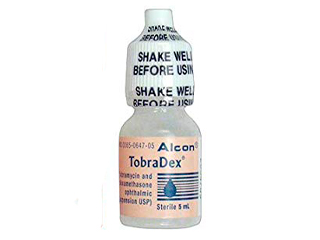
Tobramycin and Dexamethasone
Tobramycin and dexamethasone is a combination medicine commonly used to treat certain eye conditions and, in some formulations, ear conditions where both infection and inflammation may be present. Tobramycin is an antibiotic that helps kill susceptible bacteria. Dexamethasone is a corticosteroid that helps reduce inflammation, swelling, redness, and discomfort.
This page provides general, patient-friendly information about how the medicine works, typical uses, dosing considerations, important safety guidance, and practical tips. Always follow the instructions provided with your specific product and consult a healthcare professional if you are unsure.
Basic product information
- Medicines in combination: Tobramycin + Dexamethasone
- What it contains: An antibiotic (tobramycin) and a steroid (dexamethasone)
- Typical forms (UK): Eye drops, eye ointment, and sometimes ear drops (depending on the brand/formulation)
- Common benefit: Treats infection caused by susceptible bacteria while also calming inflammatory symptoms
Brand names and strengths vary. Always check your label for the exact concentration and whether your product is for the eye or the ear.
How it works (mechanism of action)
This combination targets two separate processes:
- Tobramycin (antibiotic): Tobramycin is an aminoglycoside antibiotic. It interferes with bacterial protein synthesis, which helps stop bacteria from growing and can lead to bacterial death.
- Dexamethasone (corticosteroid): Dexamethasone helps reduce inflammation by modulating immune responses. It can decrease redness, swelling, and pain caused by inflammatory reactions.
Together, the medicine can be useful when clinicians suspect both bacterial infection and inflammation. The steroid component means it must be used with care, particularly in infections where viruses or fungi may be involved.
Pharmacokinetics (what happens in the body)
For locally used ophthalmic or otic preparations, absorption is generally lower than with medicines taken by mouth. However, some systemic absorption can occur, and the steroid component can still contribute to local and, rarely, systemic effects.
- Absorption: After use in the eye or ear, only a portion may enter the bloodstream. Absorption can be higher when the barrier is altered (for example, damaged tissues) or with frequent use.
- Distribution: Once absorbed systemically, drugs may distribute throughout the body. The overall amount absorbed from local preparations is usually small.
- Metabolism and elimination: The body clears both components via normal biological processes. The exact pattern depends on the formulation, frequency, and individual factors.
If you have kidney problems or are taking other medicines that can affect kidneys or hearing, discuss with a healthcare professional—particularly when treatment is prolonged or used frequently.
Typical use in the UK
In UK clinical practice, tobramycin + dexamethasone is used for conditions where there is a suspected or confirmed bacterial infection along with significant inflammation. It is commonly selected after assessment of the eye or ear symptoms, and it is important that the underlying cause is appropriate for this kind of combination treatment.
Indications (common scenarios)
Indications depend on the exact product and local regulations. In general, clinicians consider these medicines when:
- Eye infections with inflammation: e.g., bacterial conjunctivitis with marked inflammation in situations where an antibiotic-steroid combination is considered suitable.
- Inflammation with suspected bacterial cause: conditions where both antimicrobial and anti-inflammatory treatment are judged beneficial.
- Ear infections with inflammation (if ear formulation): in selected cases where infection and inflammation coexist.
Important: Steroids can worsen certain eye and ear infections (particularly those caused by viruses or fungi). Use only when appropriate for your diagnosis, as assessed by a healthcare professional.
When to apply it (timing and duration)
The timing and dose depend on the specific product strength and your condition. Many topical antibiotic-steroid preparations are used several times per day for a limited course.
Typical timing pattern
- Most commonly: multiple doses per day spaced evenly (for example, morning, afternoon, evening, and bedtime), for a short course.
- Do not extend duration: prolonged use increases the risk of complications such as increased eye pressure or worsening of certain infections.
If you were instructed to use it on a specific schedule, follow that plan. If your symptoms are not improving within a few days, or if they worsen, seek medical advice promptly.
Dosing guidance (general information)
Exact dosing must be confirmed for your product. The sections below provide general patterns seen with topical tobramycin/dexamethasone combinations.
Eye drops/ointment (general)
- Eye drops: typically 1–2 drops per affected eye, multiple times daily.
- Eye ointment: a small amount may be applied to the eye and may be used less frequently than drops.
Follow your label and clinician instructions. Using too much or too often can increase risk of side effects without improving outcomes.
Ear drops (if your product is an ear formulation)
- Follow the volume and frequency stated on your packaging or by a clinician.
- Ear anatomy and severity can change how drops should be administered.
Food interactions
For topical ophthalmic or otic use, food interactions are not usually clinically significant because systemic absorption is limited. However, if you are using multiple medicines, it’s still wise to review the full list of medications with a pharmacist or clinician.
Practical tip: If you experience nausea or dizziness after using any medicine (rare with topical use), stop and seek advice.
Alcohol and medicine interactions
There is typically no direct alcohol interaction with topical tobramycin/dexamethasone. However, alcohol can worsen some conditions indirectly (for example, dehydration or impaired judgement with medication routines).
Medicine interactions to consider
Some interactions relate to the steroid component and some relate to other medicines that may affect the eyes, ears, or immune response.
- Other eye/ear medicines: wait between products where advised (commonly 5–15 minutes) to avoid washout.
- Medicines affecting eye pressure: if you have glaucoma or a history of high intraocular pressure, inform your clinician.
- Other antibiotics/aminoglycosides: systemic exposure is usually small, but discuss if you are using other medicines with similar components, particularly if kidney issues exist.
- Immunosuppressive medicines: steroid use can affect local immune response; clinicians should consider overall immune status.
If you are taking medicines regularly or have complex medical conditions, ask a pharmacist to check for interactions with your full list.
Safety profile: common side effects and warnings
Most people tolerate tobramycin + dexamethasone well when used correctly. Because it contains a steroid, there are additional cautions compared with antibiotic-only eye drops.
Common side effects
- Eye: temporary stinging or burning, mild irritation, watery eyes, or temporary blurred vision (often settles quickly).
- Ear (if applicable): mild discomfort or itching in the ear canal.
Less common but important risks
- Increased eye pressure (steroid response): prolonged use can raise intraocular pressure, potentially worsening glaucoma.
- Changes to the surface of the eye: steroid use can affect healing and, in some cases, increase the risk of corneal complications.
- Worsening viral/fungal infections: steroid can reduce inflammation while allowing certain infections to progress.
- Delayed healing: especially if the underlying cause is not bacterial.
- Allergic reactions: uncommon, but may include rash, swelling, or significant worsening redness.
When to get urgent advice
Seek urgent medical advice (NHS 111 or emergency services when appropriate) if you experience:
- Severe eye pain or rapidly worsening symptoms
- Significant light sensitivity
- Vision changes that do not clear quickly
- Marked swelling around the eye or face
- High fever, severe ear pain, or swelling around the ear (for ear formulations)
Practical use tips (how to get the best results)
General technique for eye drops
- Wash your hands before and after using the medicine.
- If wearing contact lenses, avoid using them unless your clinician specifically advises—steroid/antibiotic products often require stopping lenses during treatment.
- Don’t touch the dropper tip to the eye or surrounding skin.
- Gently pull down the lower eyelid to form a small pocket.
- Instil the prescribed number of drops.
- After dosing: close the eye gently and consider pressing lightly on the inner corner (near the nose) for about 1 minute. This may reduce drainage into the tear duct and lower systemic absorption.
- If you use more than one eye medicine, wait between products as advised (often 5–15 minutes).
Technique for eye ointment
- Ointment can blur vision. Apply at a time when you can rest, especially if advised bedtime dosing is included.
- Use a clean method to avoid contamination, and replace the cap firmly.
Technique for ear drops (if your product is for the ear)
- Warm the bottle in your hands for a few minutes if it feels cold (cold drops can be uncomfortable).
- Lie with the affected ear facing up and follow the product’s instructions for the number of drops.
- Keep the position for a short time so drops can spread in the ear canal.
- Avoid inserting objects into the ear canal.
Missed dose
If you miss a dose, use it as soon as you remember unless it is close to the next dose. Do not double up unless your clinician or product instructions advise.
Duration and stopping
Antibiotic-steroid combinations are generally intended for short, targeted courses. Do not stop early without advice if symptoms are still active, but also do not continue longer than instructed due to steroid-related risks.
Alternative options
Alternatives depend on the underlying diagnosis (bacterial versus viral versus fungal), severity, and whether inflammation is present. A pharmacist or clinician may consider:
- Antibiotic-only eye drops/ointment (if inflammation does not require steroid treatment)
- Anti-inflammatory drops (in selected non-infectious inflammatory conditions)
- Antiviral or antifungal treatments if the cause is viral or fungal
- Supportive measures such as lubricating drops for comfort (if appropriate)
Because steroids can worsen certain infections, the choice of alternative should be guided by an appropriate assessment.
Market and legal context in the United Kingdom
In the UK, medicines are regulated by the Medicines and Healthcare products Regulatory Agency (MHRA) and must be supplied in line with relevant prescribing and dispensing rules. Many ophthalmic and otic antibiotic-steroid products are supplied through pharmacy channels according to their classification.
UK online pharmacies typically check suitability and may require information about your condition, prior reactions, and whether a healthcare professional has assessed the symptoms. This helps support safe use, particularly for medicines containing corticosteroids.
Always confirm the product is intended for your use (eye or ear) and review the leaflet provided with your specific brand.
Recent guidance and clinical considerations (UK)
While guidance can vary by condition and local commissioning, recent clinical emphasis has included:
- Appropriate diagnosis before steroid-containing medicines: clinicians aim to avoid steroid use when viral keratitis or fungal infections are possible.
- Short courses and monitoring: steroid-associated risks (like increased intraocular pressure) are more likely with longer duration.
- Recognising red flags: prompt referral or escalation for severe pain, reduced vision, or lack of improvement.
If you have glaucoma, previous steroid response, immune suppression, or corneal problems, discuss risk and monitoring with a healthcare professional.
Delivery and availability
Tobramycin and dexamethasone preparations may be available from UK pharmacies and online pharmacy services depending on the product strength, form, and current supply arrangements.
- Availability: Usually depends on brand, formulation (drops versus ointment), and stock levels.
- Delivery: Delivery times are influenced by the courier network and your location in the UK. Many suppliers offer tracked delivery and clear estimated dispatch windows.
- Packaging: Medicines should arrive in intact outer packaging with the correct leaflet and expiry details.
If the item is temporarily out of stock, many reputable online pharmacies offer updates, alternative brand suggestions (if clinically equivalent), or cancellation/refund options according to UK consumer protection rules.
Storage
- Store at the recommended temperature on the label.
- Keep away from heat and direct sunlight.
- Keep out of the sight and reach of children.
- Check whether the product needs refrigeration (some formulations do; many do not).
- Discard opened products within the stated time limit on the packaging/leaflet (often a few weeks for multi-dose eye drops), to reduce contamination risk.
FAQ
1. What is tobramycin and dexamethasone used for?
It is used for conditions where bacterial infection and inflammation occur together, typically affecting the eye (and in some products, the ear). Because it contains a steroid, it should be used only when appropriate for the likely cause of symptoms.
2. How quickly should symptoms improve?
Some improvement may be noticed within a few days, such as reduced redness or discomfort. If there is no improvement or symptoms worsen, contact a healthcare professional promptly.
3. Can I wear contact lenses during treatment?
Many clinicians advise avoiding contact lenses during treatment with antibiotic-steroid eye preparations. If you wear lenses, ask your pharmacist or prescriber for guidance specific to your condition and product.
4. What happens if I accidentally miss a dose?
Use it when you remember unless it is nearly time for the next dose. Do not use extra doses to make up for a missed one.
5. Are there any interactions with other eye drops?
Yes, potentially. If you use multiple eye medicines, allow time between products so the medicines don’t wash each other out. Ask a pharmacist if you’re unsure about spacing.
6. Is it safe to use longer than the recommended course?
Prolonged use increases the risk of steroid-related side effects, including raised eye pressure and impaired healing. Follow the duration provided with your product instructions.
7. Can this medicine worsen viral or fungal eye infections?
Steroids can suppress inflammation and may allow certain infections to progress. If you have symptoms suggestive of viral disease (for example, certain patterns of pain and light sensitivity), seek medical advice before using steroid-containing drops.
8. What should I do if my eye gets more painful or my vision changes?
Stop using and seek urgent medical advice if you experience severe pain, worsening redness, or significant changes in vision that do not clear quickly.
9. Can I drink alcohol while using it?
There is typically no direct interaction with alcohol for topical tobramycin/dexamethasone. However, if you feel unwell or your treatment routine is affected, consider avoiding alcohol until you’re confident you can use your medicine properly.
10. What are the most important safety checks?
The key checks are: correct product for eye/ear use, appropriate diagnosis (especially to avoid inappropriate steroid use), correct dosing frequency, and stopping or escalating care if symptoms worsen.
Summary
Tobramycin and dexamethasone combines an antibiotic (tobramycin) with an anti-inflammatory steroid (dexamethasone). It can be an effective option for selected eye or ear conditions involving bacterial infection and inflammation. Because the steroid component can increase certain risks—especially with prolonged use—follow the recommended duration and seek advice if symptoms do not improve.
| Category | What to know |
|---|---|
| Medicines | Tobramycin (antibiotic) + Dexamethasone (corticosteroid) |
| Typical use | Selected eye/ear conditions where bacterial infection and inflammation may both be present |
| How it helps | Tobramycin reduces bacterial growth; dexamethasone reduces inflammation and swelling |
| Important caution | Steroid-containing medicines may worsen viral or fungal infections; use only when appropriate |
| How fast? | Often improvement over a few days; if worsening or no improvement, seek advice |
| Safety watch-outs | Raised eye pressure, delayed healing, increased risk with longer use |
| Practical tip | Use correct technique; avoid contaminating the tip; separate other eye/ear products if needed |