Terbinafine (Lamisil & Generics) – Patient Information
Terbinafine is a well-established antifungal medicine used to treat infections caused by fungus affecting the skin, scalp hair, and some nails. It works by targeting the fungus itself, helping to stop spread and allow healthy tissue to regrow. This page explains how terbinafine works, how it is used, important safety information, and what to consider regarding food, alcohol, and other medicines in the United Kingdom.
Basic product information
Active ingredient: Terbinafine
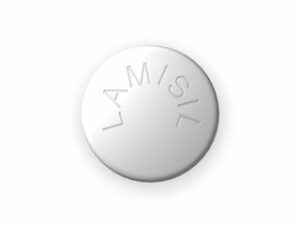
Common brands: Lamisil (and store/brand equivalents)
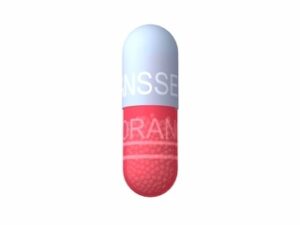
Typical forms: tablets (oral), creams, sprays, gels (topical), and other country-specific formulations.
Antifungal type: Allylamine
Terbinafine is available in different strengths and forms depending on the condition being treated. The most appropriate form depends on:
- Whether the infection is on the skin or in the nails
- The site (e.g., between toes, feet, body, scalp)
- How extensive the infection is
- Your age and medical history
How terbinafine works (mechanism of action)
Terbinafine is an allylamine antifungal. It inhibits an enzyme called squalene epoxidase in fungal cells.
This enzyme is involved in making a key component of the fungal cell membrane (ergosterol). When this pathway is blocked:
- Fungal cell membranes cannot form properly
- The fungus is killed or its growth is stopped (depending on concentration and site)
- Infections gradually improve as new healthy tissue replaces infected tissue
Terbinafine is generally considered more “fungus-targeted” than some older antifungal options because it interferes with membrane formation in a way that is particularly effective against many dermatophytes (the common causes of athlete’s foot, ringworm, and similar skin infections).
Pharmacokinetics (what the body does to terbinafine)
Oral terbinafine: After swallowing, terbinafine is absorbed through the gut. It is then distributed through the body, including the skin and nail tissues where fungal infection occurs. Terbinafine can remain in tissues for a time after dosing stops, which is one reason treatment durations can be structured over days/weeks rather than continuous long-term use.
Topical terbinafine: When applied to the skin, absorption is generally limited to local tissues. Systemic exposure is usually lower than with tablets, but absorption can increase if applied to large areas or broken/irritated skin.
Metabolism and elimination: Terbinafine is metabolised in the liver. It is eliminated mainly via urine, with a portion also leaving the body via stool. Because liver metabolism plays a role, liver-related safety checks are especially important for oral therapy.
Typical uses (indications)
Terbinafine is used for fungal infections that respond to terbinafine, including:
-
Skin infections (dermatophytes):
- Athlete’s foot (tinea pedis)
- Ringworm (tinea corporis)
- Jock itch (tinea cruris)
- Other superficial dermatophyte infections
-
Scalp fungal infection:
- Tinea capitis (in suitable cases, depending on severity and formulation)
-
Nail fungal infection (onychomycosis):
- Often used when nails are affected and topical treatment alone is unlikely to be sufficient
- Certain mould/skin fungi: In some regions and clinical situations, terbinafine may be used for susceptible organisms as determined by local practice.
It’s important to note that not all “rashes” are fungal. If symptoms do not improve, it may be worth confirming the diagnosis. Some conditions can look similar (eczema, psoriasis, bacterial infections, contact dermatitis), but require different treatments.
Timing: when you should start and how long it takes to improve
Skin infections (topical): Many people notice improvement within the first week, but finishing the full course is still important to reduce relapse. Symptoms may improve while fungal organisms persist.
Nail infections (oral): Nail growth is slow. Even when fungus is being treated, visible improvement may take months. This is normal. The goal is to treat the infection while the nail grows out and becomes healthy from the base.
If there is no improvement after the expected time (for example, after a few weeks for skin infections, or if nail changes do not progress), you may need a review of diagnosis and treatment choice.
Dosing: typical regimens for common indications
Dosing depends on the site of infection, the formulation, and individual patient factors. Below are common adult regimens used in UK practice. Always follow the instructions provided with your specific product and consult a pharmacist if you are unsure.
| Formulation | Common use | Typical course / timing | Practical notes |
|---|---|---|---|
| Topical cream/spray/gel | Athlete’s foot, ringworm, jock itch (tinea) | Often applied once or twice daily depending on product instructions; common courses range from 1 to 4 weeks depending on infection site | Apply to clean, dry skin and include a small margin around the affected area |
| Topical | Widespread or stubborn skin fungal infection (as advised) | Course length depends on response; clinicians may recommend continuing for about 1–2 weeks after apparent clearing for some tinea types | Continue even if symptoms settle early |
| Oral tablets | Nail fungal infection (onychomycosis) | Commonly structured as weeks to months depending on whether fingernails or toenails are involved and the severity | Improvement is gradual; new nail growth indicates response |
| Oral tablets | Scalp fungal infection (in suitable cases) | Usually for a defined period determined by the clinician and severity | Scalp infections may require follow-up and confirmation of eradication |
Children: Dosing for children varies by weight and indication, and the suitability of terbinafine formulations may differ. Please follow the product guidance and pharmacist advice.
How to take terbinafine (practical use tips)
For topical terbinafine
- Wash the area with mild soap and water, then dry thoroughly (especially between toes).
- Apply a thin layer to the affected skin and a small surrounding margin.
- Wash hands after applying, unless your hands are the treated area.
- Avoid occlusive dressings unless advised, as these can increase skin irritation in some people.
- If you are treating athlete’s foot, keep feet dry and change socks regularly.
For oral terbinafine tablets
- Follow the prescribed or product instructions for frequency (often once daily for many indications).
- Try to take it at a consistent time each day.
- Do not stop early if you feel better; complete the course to improve the chance of full eradication.
- Attend any recommended check-ups, especially those relating to liver health.
Food interactions
Oral terbinafine and food: Terbinafine tablets can usually be taken with or without food. Taking with food may help if you experience stomach upset. Always check the specific product leaflet because formulations can vary.
Topical terbinafine and food: There are no meaningful “food interactions” for most topical use because systemic absorption is generally low.
Alcohol and medicine interactions
Alcohol: Because terbinafine is processed by the liver, it is generally recommended to be cautious with alcohol while taking oral terbinafine. Heavy or regular alcohol intake may increase the risk of liver-related side effects. If you are unsure about what is safe for you, speak to a pharmacist.
Other medicines: Terbinafine can interact with certain medicines due to its metabolism in the liver and its effects on drug-handling pathways. Some interactions may increase terbinafine levels (risk of side effects) or reduce effectiveness; others may increase levels of the other medicine.
Tell a healthcare professional if you use any of the following (examples, not an exhaustive list):
- Some medicines affecting liver enzymes (enzyme inducers or inhibitors)
- Certain antidepressants and antipsychotics
- Some cardiovascular medicines
- Warfarin or other blood thinners (monitoring may be needed)
- Medicines for infections (e.g., antifungals, antibiotics that affect metabolism)
Important: Always check the medication list with your pharmacist, especially if you take multiple medicines or have liver disease.
Safety profile: who should take care
Like all medicines, terbinafine can cause side effects. Many people use it without significant problems, but it’s important to know what to watch for.
Common side effects
- Topical: skin irritation, itching, burning, redness, dryness, or mild rash at the application site.
- Oral: headache, taste disturbance (including a metallic taste or reduced taste), mild stomach upset, nausea, diarrhoea, or feeling generally unwell.
Serious warnings (seek urgent medical advice)
Serious reactions are uncommon, but seek prompt medical advice if you develop:
- Signs of liver problems such as unusual tiredness, persistent nausea/vomiting, upper abdominal pain, dark urine, pale stools, or yellowing of the eyes/skin (jaundice)
- Severe rash, blistering, or peeling skin
- Swelling of the face/lips, breathing difficulty, or severe allergic reaction symptoms
- Persistent unusual bruising or bleeding
Special populations
- Liver disease: Oral terbinafine requires extra caution. People with active or significant liver problems may need alternative treatment and should not start oral terbinafine without clinician guidance.
- Pregnancy and breastfeeding: The suitability of terbinafine depends on risk–benefit assessment. Topical use may be considered in some cases, but oral use typically requires medical advice.
- Children: Dosing and safety depend on age and weight, and some formulations are not appropriate for all children.
- Older adults: Consider comorbidities and concomitant medicines; medication reviews are valuable.
When to stop and get advice
Stop using terbinafine and seek advice if you experience:
- Worsening symptoms, severe skin irritation, or signs of allergy (especially for topical treatments)
- Symptoms suggestive of liver injury for oral terbinafine
- No improvement after an appropriate time period for your infection type
Practical tips to improve outcomes and prevent recurrence
Antifungal treatment works best alongside good skin and hygiene habits. Fungal infections often recur when dampness, shared footwear, or reinfection from household contacts persists.
- Keep the area dry: for athlete’s foot, dry between toes carefully after washing.
- Change socks regularly: consider moisture-wicking socks.
- Disinfect or rotate footwear: allow shoes to dry fully; consider antifungal sprays/powders for shoes.
- Don’t share towels: separate towels and wash bedding/socks regularly.
- Treat close contacts if advised: if others in the household have similar symptoms, they may also need treatment.
- Finish the course: stopping early can increase the risk of relapse.
Alternative options
Depending on the infection site, severity, and suspected organism, alternative antifungal treatments may include:
- Azole antifungals: e.g., clotrimazole, miconazole, econazole (often for skin fungal infections)
- Other allylamines: e.g., naftifine (availability varies)
- Oral antifungals (for nail/scalp in selected cases): e.g., itraconazole or fluconazole (choice depends on interactions and suitability)
- Topical nail solutions: for some mild nail infections, alternative topical approaches may be considered
Your pharmacist can help you choose the most appropriate option for your symptoms and guide you on duration and expectations.
Market and legal context in the United Kingdom
In the UK, terbinafine is widely used for fungal infections. Access depends on:
- The formulation (topical vs oral)
- The strength and whether it is classified as a prescription-only or pharmacy-only item under UK regulations
- Clinical assessment of suitability and safety considerations
Online pharmacies in the UK commonly provide terbinafine topical products and may provide oral options where permitted and appropriate, based on regulatory classification and customer suitability checks. UK medicines regulations and pharmacy practice aim to ensure safe supply and correct use.
Recent guidance and current best practice (UK)
UK healthcare practice generally emphasises:
- Correct diagnosis: many skin conditions mimic fungal infection; if symptoms persist, confirm before switching repeatedly.
- Appropriate duration: completing the full course reduces recurrence.
- Liver safety for oral therapy: for oral terbinafine, clinicians are cautious in people with liver risk factors and may monitor liver-related blood tests where appropriate.
- Infection control: foot care, hygiene, and footwear management are important to prevent reinfection.
Always follow the instructions included with your specific product and seek pharmacist advice if you are not improving as expected.
Delivery and availability (United Kingdom)
Terbinafine products are commonly stocked by online pharmacies in the UK. Availability may vary by:
- Product form (cream, spray, tablets)
- Strength and pack size
- Supply chain and pharmacy stock levels
Typical delivery expectations for online pharmacies:
- Processing time: orders are usually processed quickly during working days.
- Delivery speed: standard or express options may be available depending on your area.
- Order restrictions: certain products may require additional eligibility checks.
If you need treatment promptly (for example, athlete’s foot), consider ordering a topical formulation early since skin response can start within days.
FAQ
How long does terbinafine take to work?
For skin infections, you may see improvement within a few days to a week, but full recovery can take longer depending on the type and area. For nail infections, visible improvement can take months because nails grow slowly.
Can I use terbinafine if I’m not sure it’s fungal?
Terbinafine is designed for fungal infections, so it may not help non-fungal conditions. If the rash is unusual, spreads quickly, causes significant pain, or you do not improve as expected, you should seek advice to confirm the diagnosis.
Should I stop terbinafine when symptoms improve?
No. Even if you feel better, fungus may remain. Completing the recommended course helps reduce relapse.
Is terbinafine safe to use with other medicines?
Terbinafine can interact with certain medicines. It’s best to check your medication list with a pharmacist, particularly if you take blood thinners, antidepressants, or multiple long-term medicines.
Can I drink alcohol while taking oral terbinafine?
Alcohol should be used cautiously with oral terbinafine because terbinafine is metabolised in the liver. Heavy or frequent drinking may increase risk of liver-related side effects. If you drink regularly, discuss with a pharmacist or clinician.
What should I do if I miss a dose?
For oral terbinafine, take it as soon as you remember unless it is close to the next dose. Do not take a double dose. For topical products, apply as instructed and resume the normal schedule. If you’re unsure, ask a pharmacist.
Why does my nail keep changing after treatment starts?
This can be normal. Nail infections improve as infected nail grows out. Even if the fungus is controlled, the existing nail may look abnormal for some time.
Can terbinafine be used for athlete’s foot?
Yes. Topical terbinafine is commonly used for athlete’s foot. For severe or recurrent cases, a healthcare professional may advise oral therapy.
What are signs of a serious reaction?
Seek urgent medical advice if you develop yellowing of eyes/skin, dark urine, severe rash, facial swelling, breathing difficulties, or severe blistering/peeling skin.
Are there alternatives if terbinafine doesn’t work?
Alternatives include other topical antifungals (such as azoles) for skin infections, and different oral antifungals for nails/scalp depending on suitability and interactions. If treatment fails, confirming the diagnosis and organism is important.
Summary
Terbinafine is an antifungal medicine used for fungal infections of the skin, scalp hair, and some nail infections. It works by disrupting fungal cell membrane formation, and it is generally effective against common dermatophytes. Improvement timelines vary: skin conditions often improve within days to weeks, while nail infections take months to visibly recover. For oral terbinafine, liver safety considerations and medication interaction checks are particularly important, and alcohol should be used cautiously. With the right product, correct application or dosing, and good hygiene measures, terbinafine can help clear fungal infections and reduce the chance of recurrence.