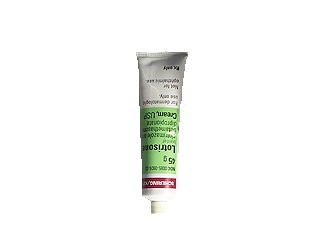
Lotrisone (Betamethasone / Clotrimazole) – Cream Information (UK)
Lotrisone is a combination medicine used for certain fungal (yeast) and inflammatory skin conditions. It contains two active ingredients:
- Betamethasone – a corticosteroid (anti-inflammatory)
- Clotrimazole – an antifungal medicine
This page explains how Lotrisone works, when it may be used, how to apply it safely, and what to expect. It is written for patients in the United Kingdom and includes practical guidance.
Basic product information
| Feature | Information |
|---|---|
| Brand name | Lotrisone |
| Active ingredients | Betamethasone / Clotrimazole |
| Medicinal form | Topical skin cream (used on the skin) |
| What it treats | Fungal skin infections with inflammation/redness |
| Who it is for | Adults and children in selected circumstances (follow the product-specific advice) |
| Where it is applied | On the affected skin area only |
| Key benefits | Reduces inflammation and fungal symptoms together |
How Lotrisone works (mechanism of action)
Lotrisone combines a corticosteroid with an antifungal:
- Clotrimazole works by disrupting fungal cell function (particularly by affecting fungal cell membranes), which helps stop the growth of the fungus causing the infection.
- Betamethasone reduces inflammation, itching, redness and swelling by suppressing inflammatory processes in the skin.
Together, the ingredients aim to relieve symptoms quickly (through the steroid) while also treating the cause (through the antifungal).
Pharmacokinetics (how the body handles it)
Lotrisone is applied to the skin. Most of the medicine stays local where it is applied, but some absorption can occur. The extent of absorption can vary depending on skin condition and how it is used.
- Skin absorption: Increased absorption may happen if the skin is damaged, if larger areas are treated, if it is used under occlusion (covered), or if it is used for longer than recommended.
- Systemic exposure: Because it is a topical medicine, blood levels are generally low in many patients. However, corticosteroids can be absorbed enough to cause side effects, especially with excessive use.
- Metabolism and elimination: Like other corticosteroids, any absorbed betamethasone would be metabolised primarily in the liver and removed via normal body processes. Clotrimazole is also metabolised in the body.
If you have concerns (for example, you need to use it on extensive areas, for a long time, or on broken skin), speak to a pharmacist or clinician for personalised advice.
Typical uses and indications
Lotrisone is used for fungal skin infections that are accompanied by marked inflammation. It is commonly considered for conditions such as:
- Dermatomycoses (fungal skin infections) where inflammation and itching are prominent
- Skin fold infections (intertrigo) when a fungal component is suspected
- Tinea infections (depending on the specific site and clinical diagnosis)
- Candidal skin infections (again depending on diagnosis and location)
Important: The combined steroid/antifungal approach is not suitable for every rash. Some skin problems can worsen when steroids are used without an antifungal need. Always confirm that a fungal infection is likely or has been diagnosed.
Timing and how quickly it may help
Many patients notice symptom relief (less itching, less redness) within the first few days due to the betamethasone. However, the fungal infection may take longer to fully clear.
- Early improvement: often within a few days
- Complete clearance: may require the full course as advised
- If no improvement: if symptoms do not improve within the expected time or they worsen, seek advice
Do not extend treatment beyond the recommended duration. Prolonged steroid use on skin can cause thinning and other side effects.
Dosing and practical application (adult guidance)
The exact dosing schedule can depend on the affected area and your clinician/pharmacist’s plan. Always follow the instructions provided with your medicine.
Typical adult regimen
- Usually applied thinly to the affected area
- Applied 1–2 times daily (often twice daily), unless advised otherwise
- Treatment duration is generally short and should not be continued longer than recommended
How to apply Lotrisone safely
- Wash and dry the area gently.
- Apply a thin layer of cream over the affected skin and a small margin around it.
- Wash your hands after application (unless you are treating your hands).
- Avoid occlusive dressings (covering tightly/under sealed wrapping) unless specifically instructed. Occlusion can increase absorption and side effects.
- Do not use it on broken skin unless directed, and avoid eyes and mucous membranes.
Missed dose
If you miss a dose, apply it when you remember unless it is near the time for the next application. Do not apply extra to make up for the missed dose.
For children: Lotrisone may not be suitable for all paediatric cases and areas. Use only under appropriate advice and follow product-specific age guidance.
Food interactions
Because Lotrisone is used on the skin, food interactions are not expected to be clinically significant. No specific dietary restrictions are usually required.
Alcohol and medicine interactions
There are typically no direct interactions expected between topical Lotrisone and alcohol. However, if you are using other medicines (especially corticosteroids or antifungals), or if you have liver disease, it’s sensible to consult a pharmacist.
If you notice unusual systemic effects (for example, widespread skin changes or feeling generally unwell), seek medical advice promptly.
Safety profile (side effects and who should be cautious)
Like all medicines, Lotrisone can cause side effects. Most are local skin reactions, and they are usually related to steroid effects or irritation.
Common side effects
- Skin irritation (burning, stinging, redness)
- Itching or increased discomfort
- Dryness or mild skin reaction at the application site
Signs of steroid-related skin problems (seek advice)
Prolonged use or covering the area can increase the risk of local steroid side effects, such as:
- Skin thinning (atrophy)
- Stretch marks
- More visible blood vessels (telangiectasia)
- Worsening or spread of infection if the rash is not fungal
Allergy and severe reactions
Stop using the cream and seek prompt medical help if you experience signs of an allergic reaction, such as:
- Swelling of the face, lips or eyelids
- Breathing difficulty
- Severe widespread rash
When to be cautious
- Infections other than fungal: steroids can mask symptoms.
- Open wounds or broken skin: absorption may be higher.
- Use in/around eyes or on mucous membranes: avoid unless specifically directed.
- Large areas or long duration: risk of steroid absorption and side effects increases.
- Children: more prone to steroid effects; use only under appropriate advice.
- History of sensitive skin or steroid reactions: discuss with a clinician/pharmacist.
Practical use tips (getting the best results)
Keep the area dry
Fungal skin infections often worsen in warm, moist environments. Aim to:
- Dry the skin thoroughly after washing
- Change breathable underwear/clothing regularly
- Avoid tight clothing that traps moisture
Don’t share towels or clothing
To reduce reinfection, avoid sharing towels, bedding, socks or underwear. Wash items regularly.
Complete the course as advised
Even if symptoms improve, stopping too early can lead to recurrence. At the same time, avoid extending beyond recommended duration.
Be alert to “wrong diagnosis” patterns
If the rash rapidly worsens, spreads, becomes very painful, forms blisters/pus, or does not improve within the expected timeframe, contact a pharmacist or clinician for review.
Avoid occlusion unless told to
Covering the treated area with airtight bandages or plastic can increase absorption and raise risk of side effects.
Alternative options (other treatments you may see)
Treatment depends on the exact diagnosis (fungal type, body site, severity, and presence of inflammation). Your pharmacist can help select appropriate alternatives if Lotrisone isn’t suitable.
Common alternative categories
- Antifungal-only creams (without steroid) such as azole antifungals or allylamines, often preferred when inflammation is mild or steroids are not needed.
- Other steroid strengths or formulations for inflammatory conditions that are not primarily fungal.
- Oral antifungals for widespread, stubborn, or certain nail/scalp infections (requires clinical assessment).
- Antibacterial treatments if the condition is actually bacterial rather than fungal.
If you’re unsure whether your rash is fungal, it’s safer to get advice before starting steroid-containing products.
Market and legal context (United Kingdom)
In the UK, topical medicines like Lotrisone are regulated by the medicines framework administered by the Medicines and Healthcare products Regulatory Agency (MHRA) and managed through the NHS and pharmacy supply chain.
Availability can depend on the specific product licence status and local pharmacy policies. Online pharmacies typically supply medicines within UK regulatory requirements, including identity checks where appropriate and adherence to relevant pharmacy standards.
If you are buying online, ensure the product is sourced from reputable UK-compliant channels and that packaging and batch details are intact.
Recent guidance and practical considerations (UK)
UK clinical practice emphasises that steroids should not be used indiscriminately for undiagnosed rashes. Key themes in dermatology guidance include:
- Use steroid combinations only when fungal infection is likely or confirmed.
- Keep courses short and avoid unnecessary prolongation.
- Seek review if symptoms do not improve or worsen.
- Reduce recurrence by addressing moisture, hygiene, and potential sources of reinfection.
If you have recurrent episodes, immunosuppression, diabetes, or extensive disease, a clinician may consider longer-term management strategies or alternative diagnoses.
Delivery and availability
Lotrisone may be available from UK high-street pharmacies and participating online pharmacies. Delivery times vary by supplier and location within the UK, and some medicines may require extra checks before dispatch.
Before ordering, check:
- Packaging format (cream) and strength as listed
- Expiry date and batch number
- Delivery availability for your postcode
- Any required age or suitability information
Store the cream as directed on the pack, typically at room temperature, and keep it away from children.
FAQ
1) What is Lotrisone used for?
Lotrisone is used for certain fungal skin infections where there is also significant inflammation (redness, itching, swelling). It contains an antifungal (clotrimazole) and a steroid (betamethasone).
2) How long should I use Lotrisone?
Use it for the short duration recommended for your condition. Steroid-containing creams should not be continued longer than advised. If symptoms are not improving as expected, seek advice rather than extending use.
3) Can I use Lotrisone on my face or genitals?
Avoid use on areas where product instructions discourage it unless you have been advised to do so by a healthcare professional. The skin in these areas is more sensitive and absorption may be higher.
4) Will Lotrisone cure the fungus?
It can help clear fungal infection when used correctly and for the recommended course. However, recurrence is possible if moisture remains, reinfection occurs, or the rash is not fungal.
5) What if it gets better after a few days?
Symptoms may improve early because the steroid reduces inflammation. Follow the full duration advised to properly treat the fungal component, but do not extend beyond recommended time.
6) What if the rash keeps spreading?
Stop using the cream and get medical advice promptly. Spread may indicate a worsening infection, the wrong diagnosis, or an infection that needs a different treatment approach.
7) Can I use it with moisturisers?
It’s usually best to apply Lotrisone first, then wait some time before applying other products. If you’re unsure, ask a pharmacist. Avoid mixing products directly on the same spot unless instructed.
8) Is there any interaction with other creams?
Using multiple topical products at the same time can irritate skin and may alter absorption. If you are using other creams (for example, emollients, barrier creams, or other antifungals), seek pharmacist advice about spacing and suitability.
9) Can children use Lotrisone?
Children are more susceptible to steroid side effects. Use only if suitable for the child’s age and condition, and follow the instructions provided with the medicine. If you are uncertain, speak to a pharmacist or clinician.
10) When should I seek urgent help?
Seek urgent medical advice if you develop facial swelling, breathing difficulties, a severe widespread rash, or signs of a serious skin reaction. Also get prompt advice if you have rapidly worsening symptoms or spreading infection.
Summary
Lotrisone (betamethasone/clotrimazole) is a topical combination cream designed for fungal skin infections with inflammation. Clotrimazole treats the fungal cause while betamethasone reduces itching, redness and swelling. For best results, apply a thin layer to affected areas, keep the skin dry, and use for the recommended short duration. If your rash does not improve or worsens, seek advice rather than extending treatment.
Note: This information is intended to support safe use and understanding. Follow the instructions on the product pack or provided by your healthcare professional. If you have any concerns about suitability for your specific condition, contact a pharmacist.