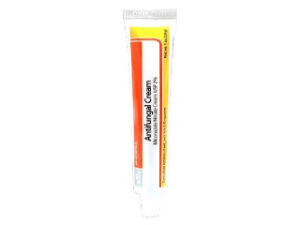
Ketoconazole (Tablets / Cream / Shampoo) — Patient Guide (UK)
Ketoconazole is an antifungal medicine used to treat fungal infections on the skin and scalp, and in some cases fungal infections inside the body (depending on the formulation and local guidance). In the United Kingdom, ketoconazole is available in different forms such as creams, shampoos, and tablets, with different uses and safety considerations.
This guide explains how ketoconazole works, what it’s used for, how to take or apply it, important interactions (including alcohol), and practical tips to help you use it effectively and safely.
Quick Facts
- Active ingredient: Ketoconazole
- Common forms: Tablets (for specific conditions), cream, shampoo
- Type of medicine: Antifungal
- Typical uses: Athlete’s foot, ringworm (tinea), seborrhoeic dermatitis, fungal scalp conditions (e.g., dandruff related to Malassezia)
- How it works: Blocks production of ergosterol in fungi, weakening the fungal cell membrane
- Key safety notes: Tablets require extra caution due to potential liver-related risks
How Ketoconazole Works (Mechanism of Action)
Fungi (including yeasts and dermatophytes) need ergosterol to build and maintain their cell membrane. Ketoconazole works by:
- Inhibiting fungal enzymes involved in ergosterol synthesis (mainly by affecting pathways that convert sterol precursors into ergosterol)
- Disrupting the fungal cell membrane, leading to impaired fungal growth and eventual death
Because ketoconazole targets fungal cell membrane production, it helps control infections and reduces symptoms such as itch, scaling, redness, and inflammation.
Pharmacokinetics (How Your Body Handles It)
Pharmacokinetics describes what happens to a medicine in the body—absorption, distribution, metabolism, and elimination. This differs depending on the form.
Tablets (oral ketoconazole)
- Absorption: Oral ketoconazole absorption can be reduced by medicines that lower stomach acid. It is best absorbed when stomach acidity is adequate.
- Distribution: Ketoconazole is metabolised in the liver and circulated through the body.
- Metabolism: Primarily via liver enzymes (notably CYP3A4).
- Elimination: Metabolites are eliminated mainly via the liver/bile route.
Cream (topical ketoconazole)
- Absorption: Generally limited systemic absorption when applied to intact skin. Absorption increases if applied to large areas, under occlusion, or on broken skin.
- Metabolism/Excretion: Any absorbed amount is processed by the liver and eliminated by the body.
Shampoo (topical ketoconazole)
- Absorption: Usually low through the skin/scalp, but rinse-off use means overall exposure is limited.
- Action: Local antifungal effect on the scalp and hair-bearing areas.
Important UK note: Oral ketoconazole products have well-known safety considerations compared with topical forms. Always follow the specific product instructions and the advice of a healthcare professional or pharmacist.
Typical Uses in the UK
Ketoconazole may be used for a range of fungal conditions depending on the formulation.
Common topical indications (cream/shampoo)
- Fungal skin infections such as athlete’s foot (tinea pedis) and ringworm (tinea corporis), especially where caused by susceptible fungi
- Seborrhoeic dermatitis (scalp dandruff and related conditions), including Malassezia-associated dandruff
- Other yeast-related skin conditions depending on the product licence and clinical assessment
Oral indications (tablets)
Oral ketoconazole is not typically the first-choice option for many fungal infections in routine practice, because there are safer alternatives. However, it may be considered in specific situations where benefits outweigh risks and other treatments are unsuitable.
In the UK, oral ketoconazole use should align with current prescribing guidance and product information. For patient safety, the most current local recommendations may restrict when and how it is used.
When to Use It (Timing and How Long to Continue)
Using ketoconazole consistently is important. Fungal infections can improve before they are fully cleared, so stopping too early may lead to recurrence.
Topical cream
- Typical timing: Often once daily or as directed by the product/clinician.
- How to continue: Continue for the full course even if symptoms improve quickly.
- After symptoms improve: Many conditions require continued use for a short additional period to reduce relapse.
Topical shampoo
- Typical timing: Commonly several times per week initially, then less frequently for maintenance if recommended.
- How to use in the shower: Apply to the scalp, massage in gently, and leave for the recommended time before rinsing.
Oral tablets
- Typical timing: Taken at set intervals (often once daily) according to the product instructions.
- Course duration: Varies widely by condition; follow the exact schedule provided with the medicine.
Dosing Information (General Patient Guidance)
Always follow the dose stated on your medicine label or the instructions provided with your product. Different ketoconazole products can have different strengths and dosing schedules.
Topical cream (general)
- Apply a thin layer to clean, dry affected skin.
- Cover the affected area and a small margin around it.
- Wash hands after application unless the hands are the treated site.
- If using on feet, ensure spaces between toes are addressed and keep the area dry.
Topical shampoo (general)
- Use on the scalp and hair-bearing areas as directed.
- Leave on for the recommended period (often a few minutes) then rinse thoroughly.
- Avoid contact with eyes; rinse immediately if accidental contact occurs.
Oral tablets (general)
- Tablets are usually taken once daily with strict attention to product instructions.
- Because tablet use can involve significant interactions and potential liver risk, dosing should be guided by the most current UK product information and clinician advice.
Food Interactions (What to Watch for)
Food effects are most relevant for oral ketoconazole tablets. If you are using tablets, pay close attention to guidance about taking them with or without food.
- Stomach acid matters: Ketoconazole tablets may not absorb well if stomach acidity is reduced.
- Acid-reducing medicines: Proton pump inhibitors and some other acid-reducing agents can reduce absorption.
- Individual product instructions: Some instructions may specify taking with food to improve absorption or avoiding certain foods/antacids.
Topical cream/shampoo: Food interactions are generally not a concern because systemic absorption is low.
Alcohol and Medicine Interactions
Alcohol interactions depend mainly on whether you use ketoconazole tablets or topical formulations.
Oral ketoconazole
- Liver safety is the main issue. Both ketoconazole (particularly tablets) and heavy alcohol use can affect the liver. Avoid heavy alcohol intake during treatment.
- Practical advice: If you drink alcohol, keep it minimal and discuss with a pharmacist/clinician if you have liver disease, hepatitis, or a history of abnormal liver tests.
Topical cream/shampoo
- Alcohol interaction is unlikely. Small or negligible systemic absorption means alcohol-related liver effects are not expected.
If you are unsure, ask your pharmacist, especially if you are taking other medicines or have liver-related conditions.
Other Medicine Interactions (Including Important Warnings)
Ketoconazole can interact with other medicines, especially via liver enzyme pathways (notably CYP3A4) for oral formulations.
Common interaction concerns for oral ketoconazole
- Medicines that strongly affect liver enzymes can change ketoconazole levels.
- Some antibiotics or antifungals may alter ketoconazole exposure.
- Antiretroviral medicines used for HIV may interact.
- Heart rhythm medicines and medicines that affect potassium levels may require extra caution (because some antifungals can affect cardiac rhythm risk in certain situations).
- Acid-reducing drugs may reduce tablet absorption.
Topical interactions
Topical ketoconazole has fewer systemic interactions. However, discuss all ongoing medicines if you are applying to large areas, using under occlusion, or treating broken skin.
Tell us / Tell your pharmacist about everything you take, including herbal products, supplements, and over-the-counter medicines.
Safety Profile and Side Effects
Ketoconazole is generally well tolerated, but side effects can occur. The type and likelihood of side effects depend on the formulation.
Topical side effects (cream/shampoo)
- Local skin irritation (burning, stinging, redness)
- Dryness or mild rash
- Contact dermatitis in sensitive individuals
- Hair/scalp irritation (shampoo) in some users
Oral side effects (tablets)
- Nausea, stomach upset, headache
- Abnormal liver function tests
- More serious liver problems are a key concern; seek medical advice promptly if symptoms occur
- Drug interactions can increase side-effect risk
Seek urgent medical advice if you develop
- Yellowing of the skin or eyes (jaundice)
- Dark urine, severe fatigue, or persistent nausea/vomiting
- Severe rash, swelling, or breathing difficulties (possible allergic reaction)
Who should take extra care?
- People with a history of liver problems
- People taking multiple medicines with known interaction potential
- Pregnancy and breastfeeding: ask a clinician/pharmacist for advice, as suitability varies by condition and formulation
- Children: dosing and suitability depend strongly on the formulation and age—follow professional guidance
Practical Use Tips for Best Results
Good technique can improve outcomes and reduce the chance of recurrence.
For fungal skin infections (cream)
- Clean and dry the area before applying.
- Apply the medicine to affected skin and surrounding margin (fungus can extend beyond visible borders).
- Keep the area dry—especially for foot infections. Change socks daily and consider breathable footwear.
- Avoid tight occlusive coverings unless instructed.
- If treating athlete’s foot, wash hands after application and avoid touching eyes.
For seborrhoeic dermatitis/dandruff (shampoo)
- Massage into the scalp gently and evenly.
- Leave for the recommended time before rinsing.
- Use consistently during the initial phase to control flare-ups.
- If your scalp is very sensitive, consider gentle hair care routines alongside shampoo use.
For oral tablets (if prescribed/approved for your situation)
- Take exactly as directed and at the same time each day if once daily.
- Check interactions with a pharmacist before starting or stopping any medicine.
- Limit alcohol and report any liver-related symptoms early.
- Follow any recommended monitoring plan for liver function if it applies to your situation.
Alternative Options
Depending on the type of fungal infection and the formulation required, alternatives may include:
Topical alternatives
- Clotrimazole (cream, pessary formulations for appropriate indications)
- Terbinafine (often used for dermatophyte infections like athlete’s foot and ringworm)
- Ciclopirox
- Other antifungal shampoos (e.g., selenium sulphide, depending on the product)
Oral alternatives (for selected conditions)
- Itraconazole
- Fluconazole
- Terbinafine
The “best” alternative depends on the infection type, site, severity, your health history, and possible interactions.
Market & Legal Context in the United Kingdom
Medicines in the UK are regulated by the Medicines and Healthcare products Regulatory Agency (MHRA) and must follow product licence conditions. Over time, regulators and professional bodies may update recommendations based on benefits and risks.
Oral ketoconazole has been subject to heightened scrutiny in many countries due to liver safety concerns and drug interaction potential. In the UK, this means oral ketoconazole is typically reserved for situations where other therapies are less appropriate and where safety considerations can be managed. Topical ketoconazole remains commonly used for suitable skin and scalp fungal conditions.
Always ensure you use medicines that are licensed for your intended indication and refer to the latest patient information leaflet (PIL) supplied with your product.
Recent Guidance (What to Expect)
Guidance for fungal infections generally emphasises:
- Correct diagnosis (some “rashes” may not be fungal)
- Choosing the right antifungal for the organism and site
- Using the full course and maintaining good hygiene and skin care
- Recognising safety risks (especially for oral antifungals)
If symptoms persist after a standard course, or if the infection is widespread, recurrent, or severe, reassessment is important. A clinician may consider confirmation of the diagnosis, checking for conditions that predispose to fungal infection (for example, diabetes), or switching to an alternative antifungal strategy.
Delivery and Availability (UK Online Pharmacy)
Ketoconazole products may be available in different strengths and formats depending on current UK supply. Availability can vary by:
- Formulation (cream vs shampoo vs tablets)
- Strength and pack size
- Local stock levels and procurement
Delivery times: Delivery estimates at checkout typically reflect standard UK postal or courier options. Areas outside the mainland may have different timeframes.
Packaging: Medicines are usually dispatched in secure packaging, with tamper-evident seals where applicable.
Cold chain: Ketoconazole products generally do not require refrigeration unless specified for your particular product.
FAQ (Frequently Asked Questions)
1) What is ketoconazole used for?
Ketoconazole is an antifungal medicine. Topical forms (cream/shampoo) are commonly used for fungal skin infections and conditions such as seborrhoeic dermatitis/dandruff. Oral tablets may be used for certain fungal infections in specific circumstances, based on safety considerations and local guidance.
2) How quickly will ketoconazole start working?
Many people notice symptom improvement within a few days, but fungal infections can take longer to fully clear. It’s important to complete the full course even if you feel better early.
3) Can I use ketoconazole if I have sensitive skin?
Some people experience irritation with topical antifungals. Start as directed, avoid applying to broken skin unless advised, and stop and seek advice if you develop a worsening rash or signs of allergy.
4) Is ketoconazole safe for children?
Suitability and dosing depend on age, formulation, and indication. Check the product leaflet and consult a pharmacist for guidance.
5) What should I do if I miss a dose?
Topical: Apply as soon as you remember, then continue normally. If it’s nearly time for the next dose, skip the missed application.
Oral: Follow the product instructions. If you’re unsure, ask a pharmacist. Do not double doses.
6) Can I use ketoconazole shampoo every day?
Some medicated shampoos are used multiple times weekly rather than daily. Follow the specific instructions for your ketoconazole shampoo to avoid unnecessary irritation.
7) Does ketoconazole interact with alcohol?
For topical forms, alcohol interaction is unlikely. For oral ketoconazole, heavy alcohol intake may increase liver-related risk, so it’s best to limit alcohol and seek advice if you have liver problems.
8) What other medicines commonly interact with oral ketoconazole?
Oral ketoconazole can interact with medicines that affect liver enzymes (especially CYP3A4) and with medicines that alter stomach acid. Always check your medication list with a pharmacist.
9) Can I stop treatment once symptoms improve?
It’s usually not advisable to stop early. Stopping too soon can increase the chance of recurrence. Use ketoconazole for the full recommended duration.
10) When should I get medical advice?
Get advice if you have severe symptoms, no improvement after the usual treatment period, recurrent infections, widespread disease, or signs of allergy. With oral ketoconazole, seek prompt advice for liver-related symptoms (such as jaundice or dark urine).
Summary
Ketoconazole is an antifungal medicine used to treat certain fungal infections of the skin and scalp. Topical ketoconazole cream and shampoo are widely used for conditions such as athlete’s foot and seborrhoeic dermatitis. Oral ketoconazole tablets require greater caution due to potential liver risk and the potential for significant interactions with other medicines.
For the best results, use the correct form for your condition, apply/take it consistently for the full course, and be mindful of interaction risks—especially with oral therapy. If you’re unsure which product is appropriate for your symptoms, a pharmacist can help you choose the most suitable option.