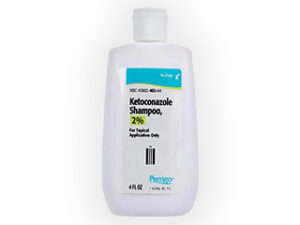
Miconazole (for Skin and Vaginal Use) – Patient-Friendly Guide (UK)
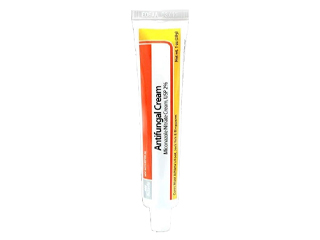
Miconazole is an antifungal medicine used to treat fungal infections of the skin and/or the vagina caused by certain yeast and fungi. It is available in several forms in the UK, including creams, powders, sprays, and vaginal preparations (pessaries and creams/gel depending on product). This page explains how miconazole works, how to use it, what to expect, safety information, and practical tips.
Quick overview
| What it is | Antifungal medicine (imidazole) |
|---|---|
| Common uses | Fungal skin infections; vulvovaginal candidiasis (thrush) |
| Common forms in the UK | Cream, powder, spray, and vaginal pessary/cream/gel (varies by brand) |
| Typical onset | Symptoms may improve in a few days; complete cure may take longer |
| How long to use | Depends on the condition and product strength/pack instructions |
| Key safety points | Follow the product leaflet; avoid eyes; seek advice if symptoms worsen or don’t improve |
Basic product information
Miconazole belongs to the imidazole group of antifungals. It works by targeting the fungal cell’s ability to produce essential components. In the UK, miconazole medicines are used for conditions such as:
- Skin fungal infections (for example, athlete’s foot, jock itch, ringworm caused by susceptible fungi)
- Vaginal thrush (vulvovaginal candidiasis) caused by Candida species
- Other superficial fungal infections where miconazole is indicated
Different product strengths and durations exist. Always use the exact product and directions from the pack leaflet. If you are unsure which formulation you need, consult a pharmacist.
How miconazole works (mechanism of action)
Fungi need a key fatty substance called ergosterol to maintain their cell membrane. Miconazole inhibits enzymes involved in ergosterol production, which weakens the fungal cell membrane and interferes with growth.
- Prevents fungal growth and helps clear the infection
- Can act fungistatically (slowing/halting growth) at certain concentrations
- At higher levels, may have fungicidal effects (killing fungi) depending on the organism and local conditions
Pharmacokinetics (how the body handles it)
Systemic absorption depends on the formulation and route:
- Topical skin products: only small amounts are expected to be absorbed through intact skin. Absorption may be higher if the skin is broken, inflamed, or covered by occlusive dressings (sealed coverings).
- Vaginal products: a limited amount may be absorbed through vaginal tissues. Overall, exposure is generally low compared with oral antifungals.
Because absorption is usually limited, many patients experience localised effects with a low risk of whole-body side effects. However, if you use the product on large areas, on damaged skin, or for prolonged periods, the risk of higher absorption may increase. Follow the recommended duration and dose.
Metabolism and elimination occur via normal body processes (primarily liver metabolism for any absorbed drug), with most drug ultimately cleared from the body. The clinical relevance for typical short courses is usually minimal.
Typical use and indications (what it treats)
Miconazole is indicated for fungal infections susceptible to miconazole. The exact indication depends on the formulation:
1) Skin fungal infections
- Athlete’s foot (tinea pedis)
- Jock itch (tinea cruris)
- Ringworm (tinea corporis) and other superficial fungal infections
- Fungal infections between skin folds
- Candida-related skin conditions (in some cases, depending on product and local guidance)
2) Vaginal thrush (vulvovaginal candidiasis)
Miconazole vaginal preparations are commonly used for symptoms such as:
- Vaginal itching and irritation
- Redness/swelling of the vulva
- Vaginal soreness
- Thick white discharge (often described as “curd-like”)
If symptoms are unusual (for example, malodour, significant bleeding, sores/blisters, pelvic pain, fever, or pain on urination that is severe), seek medical advice promptly. These features may suggest causes other than uncomplicated thrush.
Timing: when to start and when to expect improvement
Start promptly when you recognise symptoms of a fungal infection. Early treatment can reduce irritation and prevent spread.
- Skin infections: improvement is often noticed within several days, but complete resolution may take longer. Continue for the full course even if symptoms settle.
- Vaginal thrush: itch and discomfort may start improving within a few days. Finish the full course as directed, including any longer “no. of doses” regimen.
If symptoms do not improve within the timeframe stated on the pack leaflet, or if they worsen, consult a pharmacist or healthcare professional for review and advice.
Food interactions
Most miconazole products used for skin or vaginal infections have minimal interaction with food, because they are applied locally rather than taken by mouth.
- Topical/ vaginal miconazole: no specific dietary restrictions are usually required.
- If you are using an oral medicine for another condition, follow that medicine’s leaflet as normal.
If you are unsure about interactions with any other medicines you use, ask a pharmacist for tailored advice.
Alcohol and medicine interactions
Alcohol
With topical or vaginal miconazole, alcohol interactions are generally not expected to be clinically important. This is because systemic absorption is typically low.
However, if you use multiple products (for example, skin and vaginal miconazole at the same time) or apply to large areas, ask for advice if you are taking other medicines or have liver problems.
Medicine interactions
Miconazole can interact with some medicines, particularly the oral route. For skin and vaginal use, significant interactions are uncommon, but it is still wise to check.
- Warfarin and other blood thinners: if you are taking warfarin, check with a pharmacist before using miconazole. (Interactions are better established with systemic azole antifungals.)
- Some antidiabetic medicines (e.g., sulfonylureas) may be affected by azole antifungals if exposure becomes systemic.
- Other medicines metabolised by liver enzymes: local therapy usually results in low systemic levels, but caution is sensible if you have complex medication regimens.
Always provide your pharmacist with a list of your medicines (including over-the-counter products and herbal remedies). This helps ensure you’re using the safest regimen.
Dosing: how to use miconazole (general guidance)
Dosing depends on the formulation and strength. Below is general guidance commonly found across UK miconazole products. Always follow your specific pack leaflet for exact dosing frequency and course length.
1) Skin use (cream/powder/spray)
- Clean and dry the affected area before applying.
- Apply a thin layer to the affected skin and a small surrounding margin.
- Use the recommended frequency (often once or twice daily, depending on product).
- Continue treatment for the full course, even if symptoms improve.
If the infection is between toes or in skin folds, keep the area as dry as possible. Consider changing socks frequently and using breathable footwear.
2) Vaginal thrush (pessary/cream/gel)
Vaginal regimens vary. Many products use a short course (e.g., several days) while others use a longer course. Check the leaflet for:
- Dose strength (how many mg of miconazole)
- Number of applications or pessaries per day
- Duration (number of days)
- Best time to apply (often at bedtime to reduce leakage)
Wash hands before and after application. Insert the pessary/cream as directed using clean hands or an applicator (if supplied).
Practical use tips (to improve success)
- Don’t stop early: fungal infections can return if treatment is stopped when symptoms ease.
- Apply to the right area: include a small border around visible symptoms on the skin.
- Keep the area dry for skin infections, especially between toes and in skin folds.
- Hygiene matters: wash affected towels/clothes regularly and avoid sharing towels.
- Avoid irritation: use gentle, fragrance-free products on affected areas if possible.
- Consider reinfection: athlete’s foot can spread to other sites. Treat any persistent or recurring lesions.
- For vaginal use: you may notice residue/softening leakage from the product. This is normal—use a panty liner if needed.
Safety profile: who should take care
Common side effects
Miconazole is usually well tolerated when used as directed. Possible local side effects include:
- Skin irritation, redness, burning or stinging
- Itching or mild discomfort where applied
- For vaginal products: local irritation, burning sensation, or discomfort
Stop and seek urgent advice if
Seek medical advice urgently if you experience signs of an allergic reaction, such as:
- Swelling of the face, lips, tongue, or throat
- Severe rash or widespread hives
- Breathing difficulties
When to get advice before or during use
- Children or adolescents: suitability and dosing depend on product type.
- Pregnancy or breastfeeding: many topical and vaginal antifungals may be considered, but check guidance with a pharmacist or healthcare professional.
- Frequent recurrent thrush: recurrent symptoms may need assessment for underlying causes (for example, diabetes, immune factors, or misdiagnosis).
- Diabetes, immune suppression, or severe infection: ask for professional advice.
- If the infection spreads rapidly, becomes very painful, or shows signs of bacterial infection (e.g., pus, warmth, fever).
Precautions during application
- Avoid eyes and mouth.
- Wash hands after use unless your hands are the treatment area.
- Use only on the skin/vagina areas the product is intended for.
- Do not use on deep wounds or large burns unless directed.
Alcohol and medicine interactions (more detailed practical view)
For most patients using topical/vaginal miconazole, alcohol is not a specific concern. The main interaction concerns arise with oral/systemic antifungal exposure.
If you are taking medicines that are known to interact with azole antifungals (for example, warfarin), it’s safer to discuss with a pharmacist, particularly if you have liver disease, take multiple medications, or require prolonged use.
Contraception and sex considerations (important for vaginal products)
If you are using a vaginal miconazole product, consider the following practical points:
- Some vaginal antifungal products may weaken latex condoms or diaphragms in the short term. For safer contraception, use an alternative method (for example, non-latex options) and check the product leaflet.
- Avoid sex during treatment if it worsens symptoms or if advised on your product leaflet. Treatment may reduce symptoms but not necessarily prevent transmission of irritation causes.
Alternative options (if miconazole is not suitable)
Depending on the type and location of the fungal infection, alternatives may include other antifungals such as:
- Clotrimazole (imidazole antifungal)
- Econazole (imidazole antifungal; availability depends on product type)
- Terbinafine (often used for dermatophyte skin infections; different duration and application schedule)
- Fluconazole (oral antifungal for some vaginal thrush regimens; typically used under clinical guidance)
The best alternative depends on the infection site, severity, and whether symptoms are definitely fungal. Pharmacists can help select the most appropriate option and duration.
UK market and legal context (how it’s accessed)
In the UK, miconazole products are widely available through pharmacies and online retailers. Many are classed as over-the-counter medicines for appropriate indications and suitable patient groups. Some presentations may have different access routes depending on:
- Indication (skin versus vaginal)
- Age and suitability criteria
- Strength and formulation
Regulations and availability can change over time, and retailers may apply eligibility checks to ensure products are used safely. Always check the product page for the exact item you’re buying.
Recent guidance and clinical considerations (what to do if symptoms persist)
Current UK practice commonly emphasises:
- Using antifungal treatment for uncomplicated suspected fungal infections where appropriate.
- Seeking advice if symptoms persist after the recommended course, or if infections keep returning.
- Considering misdiagnosis: rashes and vulvovaginal symptoms can have non-fungal causes (for example, dermatitis, bacterial infection, sexually transmitted infections, or irritant reactions).
If you have recurrent thrush, there may be underlying factors that need evaluation. If symptoms are atypical or severe, contact a pharmacist or healthcare professional.
Delivery, availability, and ordering (UK)
Online pharmacies in the UK often stock miconazole in multiple forms (creams, sprays, powders, and vaginal products). Delivery options may vary depending on your location and the retailer’s logistics.
- Availability: many products are in stock frequently, but popular strengths can sell out.
- Dispatch times: check the product page for expected processing and delivery windows.
- Packaging: products are supplied in original packaging with leaflet instructions.
- Returns: return policies differ—follow the retailer’s terms and any hygiene-related restrictions.
Always store miconazole as directed on the packaging (typically at room temperature, away from heat and sunlight). Keep out of sight and reach of children.
FAQ – Frequently asked questions
1) How long does it take for miconazole to work?
Many people notice symptom improvement within a few days, but full clearing can take longer. Continue the full course as stated in the leaflet, even if symptoms improve early.
2) Can I use miconazole if I’m not sure it’s a fungal infection?
If symptoms strongly suggest a fungal infection and you have used antifungals appropriately before, it may help. However, non-fungal conditions can mimic fungal infections. If symptoms are unusual, severe, or keep recurring, seek professional advice rather than repeatedly self-treating.
3) What should I do if symptoms come back after finishing miconazole?
Recurrence can happen due to incomplete eradication, reinfection, or an incorrect diagnosis. If you have repeat episodes, speak to a pharmacist or clinician. They may suggest confirming the cause or trying a different regimen/antifungal.
4) Can I use miconazole during pregnancy or while breastfeeding?
Many patients can use antifungal treatments during pregnancy/breastfeeding, especially topical or vaginal products, but individual suitability can vary. Check the product leaflet and ask a pharmacist for advice tailored to your situation.
5) Is miconazole safe for children?
Suitability depends on the product, age, and site of infection. Some formulations are not recommended for very young children. Always follow the age restrictions and dosing instructions in the leaflet.
6) Will miconazole stain clothes or towels?
Some creams/gel formulations may mark fabrics slightly. Using appropriate underwear or protective liners (for vaginal treatment) and avoiding tight or light-coloured fabrics during application can help.
7) Can I drink alcohol while using miconazole?
No specific interaction is usually expected with topical or vaginal miconazole. If you are concerned due to other medicines or health conditions, ask a pharmacist.
8) Does miconazole interact with other medicines I take?
For local use, significant interactions are less common than with oral antifungals, but they can still occur. If you take medicines such as warfarin or have multiple long-term treatments, check with a pharmacist.
9) Can I use tampons, menstrual cups, or have sex during vaginal treatment?
This depends on the specific product guidance. Many leaflets recommend avoiding vaginal sex and using hygiene alternatives during treatment to prevent irritation and to reduce the impact on contraception. Check the pack leaflet for detailed instructions.
10) What if I accidentally miss a dose?
Apply/insert it when you remember unless it’s close to the next scheduled dose. Don’t double up. Continue the course as directed by the leaflet.
11) When should I stop self-treatment and seek help?
Get advice if symptoms:
- worsen during treatment
- do not improve within the timeframe on the pack
- recur frequently
- include severe pain, fever, bleeding, or unusual sores/blisters
Key takeaways
- Miconazole is an antifungal used for susceptible skin fungal infections and vaginal thrush.
- Use it correctly and complete the full course to prevent recurrence.
- Expect improvement within days, but complete healing may take longer.
- Be cautious if symptoms are severe, unusual, recurrent, or not improving.
- Check the leaflet for contraception considerations with vaginal products and for specific dosing directions.