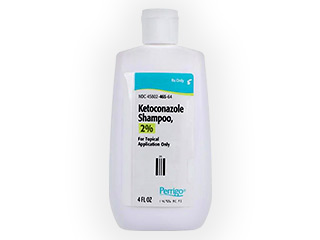
Nizoral Shampoo (Ketoconazole 2%) – Patient Information (UK)
Nizoral Shampoo contains ketoconazole 2%, an antifungal medicine used to treat and help prevent certain fungal conditions of the scalp. This guide explains how Nizoral Shampoo works, how to use it correctly, what to expect, and important safety considerations for people in the United Kingdom.
Always read the patient information leaflet provided with your medicine. If you have questions, speak to a pharmacist or healthcare professional.
Quick Overview
- Medicine name: Nizoral Shampoo
- Active ingredient: Ketoconazole 2%
- Dosage form: Shampoo for the scalp
- Common uses: Dandruff (seborrhoeic dermatitis) and scalp fungal conditions
- Typical regimen: Often 2–3 times weekly for a limited period, then maintenance if needed
- How it’s taken: Apply to scalp, leave on for a specified time, then rinse
What is Nizoral Shampoo?
Nizoral Shampoo is an antifungal shampoo containing ketoconazole, a medicine that helps treat fungal overgrowth on the scalp. It is commonly used for problems such as dandruff and seborrhoeic dermatitis—conditions where the scalp may become flaky, itchy, and inflamed.
In the UK, Nizoral Shampoo is widely used as an effective option for managing symptoms related to fungal activity on the scalp.
How Nizoral Shampoo Works (Mechanism of Action)
Ketoconazole belongs to the class of medicines called imidazole antifungals. It works by interfering with the production of essential fungal cell membrane components.
- Targets fungal growth: Ketoconazole disrupts synthesis of ergosterol, a key component of fungal cell membranes.
- Reduces symptoms: By limiting fungal activity, it can help reduce flaking, itch, and redness.
Important note: Dandruff and seborrhoeic dermatitis are influenced by multiple factors (including yeast-like organisms and skin inflammation). Ketoconazole helps address the fungal contribution.
Pharmacokinetics (What the Body Does to the Medicine)
When used on the scalp as directed, ketoconazole is designed for local action. Absorption through skin is generally low.
- Absorption: Percutaneous absorption (through skin) is limited under typical use conditions.
- Distribution: Because absorption is low, systemic exposure is usually minimal.
- Metabolism & elimination: Any absorbed ketoconazole would be handled by the liver and eliminated by the body in the usual ways, as ketoconazole is metabolised in the body.
Clinical meaning: For most people, shampoo use leads to low overall exposure compared with oral ketoconazole. However, it’s still important to use the correct amount and avoid misuse.
Typical Indications (What it’s Used For)
Nizoral Shampoo (ketoconazole 2%) is used to treat scalp conditions thought to involve fungal overgrowth, such as:
- Dandruff (including flaking and itch)
- Seborrhoeic dermatitis of the scalp
Your healthcare professional or pharmacist may also advise use for other scalp fungal conditions depending on your symptoms and diagnosis. If you’re unsure whether your condition is appropriate for ketoconazole, seek advice.
When to Use It (Timing and Schedule)
Many treatment plans follow a twice-weekly or short-course schedule, then reduce frequency for maintenance. A common approach is:
- Active treatment: Use 2–3 times per week for about 2–4 weeks (or as directed).
- Maintenance: If symptoms return, use once weekly or as advised by your clinician.
Timing during use:
- Apply to the wet scalp.
- Massage gently into the scalp.
- Leave on for the period specified on the label/leaflet (commonly 3–5 minutes for antifungal effect).
- Rinse thoroughly.
Tip: If you wash your hair more often, you can use a mild shampoo on other days. Try not to double up on medicated products in the same wash unless advised.
Dosing & How to Apply
Use the following guidance unless your leaflet or prescriber gives different instructions.
| Situation | Typical dosing schedule | How to use |
|---|---|---|
| Dandruff / seborrhoeic dermatitis (treatment phase) | 2–3 times weekly for 2–4 weeks | Apply to wet scalp, massage, leave on for 3–5 minutes (or as directed), rinse |
| Maintenance (if symptoms recur) | Once weekly or as advised | Repeat application steps on the maintenance day |
| Missed dose | Use when remembered, then continue as scheduled | Do not use double the amount to make up for a missed application |
How much to use: Use enough shampoo to cover the scalp evenly. For many people, this is similar to a “standard shampoo amount,” but the key is even coverage of affected areas.
Avoid the eyes: If it gets into the eyes, rinse immediately with water.
Food Interactions
Food interactions are not expected with Nizoral Shampoo because it is applied to the scalp and used locally. Ketoconazole in shampoo form typically results in low systemic absorption.
Still, if you notice any unexpected symptoms after use, seek advice. For people using other medicines, review safety information with a pharmacist.
Alcohol and Medicine Interactions
Alcohol
There is typically no direct alcohol interaction expected for ketoconazole shampoo, as systemic exposure is low when used as directed.
Interactions with other medicines
Although systemic absorption is usually minimal, it is still sensible to consider medicine interactions, especially if you are using other antifungals or have liver-related medical conditions.
- Other topical products: Using multiple medicated scalp products at the same time may irritate the scalp. Consider alternating products and spacing applications unless advised.
- Skin reaction risk: If you use scalp treatments such as strong exfoliants, alcohol-based lotions, or other irritants, irritation may increase. Use with caution.
- Liver considerations: Systemic interactions are more relevant for oral ketoconazole than for shampoo. However, if you take medicines known to affect the liver, consult a pharmacist before starting a new treatment course.
If you use any regular medicines (including prescription-only medicines), consider checking with your pharmacist for reassurance tailored to you.
Safety Profile and Side Effects
Most people tolerate Nizoral Shampoo well. Because it is applied to the scalp, the most common effects are local.
Common side effects
- Scalp irritation (redness, burning, or stinging)
- Itching
- Dryness or changes in hair texture
- Hair-related effects (temporary changes such as increased hair shedding are uncommon but can occur with skin irritation)
Less common effects
- Contact dermatitis (an allergic/irritant-type skin reaction)
- Changes in scalp sensation
Seek urgent medical advice if
- You develop swelling of the face/lips, widespread rash, or breathing difficulties (possible allergy)
- Severe skin reactions occur, such as blistering or significant worsening of pain and redness
Who should take extra care?
- Children: Use as directed on the pack/leaflet. If treating a child, ask a pharmacist for age-appropriate advice.
- Pregnancy and breastfeeding: Local use generally results in low absorption, but discuss with a healthcare professional if you are pregnant or breastfeeding—especially if you require prolonged treatment.
- People with sensitive skin or eczema: Patch test is not always standard for shampoos, but if you have a history of sensitivity, start carefully and stop if irritation is significant.
- Existing scalp damage: Avoid application on broken skin unless advised.
Practical Use Tips (How to Get the Best Results)
- Massage gently: This helps the shampoo reach the scalp and affected areas.
- Don’t rush rinsing: After the required “leave on” time, rinse thoroughly.
- Stick to the full course: Even if symptoms improve quickly, continuing as directed improves chances of sustained control.
- Use consistently: Dandruff often returns if treatment is stopped too early.
- Manage hair products: Heavy oils or styling products can worsen symptoms for some people. If you notice flares, reduce oily buildup.
- Consider washing routines: If you wear a lot of hair product, you may benefit from a regular shampoo routine on non-medicated days.
- Watch for irritation: If you experience stinging or redness after each use, check your technique and consider speaking to a pharmacist.
If symptoms don’t improve: If there is no improvement after the recommended treatment period, or if symptoms worsen, seek advice. Different conditions can mimic dandruff (e.g., psoriasis, eczema, or other scalp infections).
Alternative Options (Other Treatments for Dandruff and Seborrhoeic Dermatitis)
If Nizoral Shampoo isn’t suitable or doesn’t fully control symptoms, other options commonly used in the UK include:
- Salicylic acid shampoos: Helps reduce scaling by loosening flakes.
- Selenium sulfide shampoos: Antifungal/anti-yeast activity plus reduced scaling in many cases.
- Zinc pyrithione shampoos: Helps reduce symptoms for some people.
- Coal tar products: Can help some scalp conditions (not for everyone; may have odour and can irritate).
- Topical corticosteroids (for flares): Sometimes recommended short-term by clinicians for inflammation.
Important: You may find switching between active ingredients helps prevent irritation or improves control. Ask a pharmacist which option fits your symptoms.
Market and Legal Context in the United Kingdom
In the UK, medicines are regulated by the Medicines and Healthcare products Regulatory Agency (MHRA). Medicines for dandruff and scalp fungal conditions are available through different routes (for example, pharmacist guidance and certain products may be available without prescription depending on the specific presentation and guidance at the time of supply).
When buying Nizoral Shampoo online in the UK, ensure you choose a reputable seller and check that the product packaging matches the intended concentration and formulation (ketoconazole 2% shampoo).
Safety note: Avoid counterfeit or unverified products. If a deal seems too good to be true or the packaging looks unusual, don’t purchase—choose a trusted pharmacy.
Recent Guidance and Practical Considerations
Management of dandruff and seborrhoeic dermatitis generally focuses on:
- Using antifungal shampoos for flare control
- Maintenance dosing to reduce recurrence
- Recognising alternative diagnoses if treatment fails (e.g., psoriasis, eczema, contact dermatitis)
If you have persistent symptoms, widespread redness, thick plaques, hair loss, or symptoms in other areas (face, eyebrows, beard, chest), seek clinical advice. Tailored treatment may be needed.
Delivery and Availability (UK Online Pharmacy Information)
Online pharmacies in the UK commonly provide:
- Standard and express delivery options (availability varies by supplier and postcode)
- Secure packaging to protect the product during transit
- Tracking on dispatched orders (where offered)
Availability: Nizoral Shampoo (ketoconazole 2%) is typically stocked by UK pharmacies, but delivery times can vary during high-demand periods. Check estimated dispatch and delivery windows at checkout.
FAQ: Nizoral Shampoo (Ketoconazole 2%)
1. How fast will Nizoral Shampoo start working?
Some people notice improvement within the first couple of applications. However, seborrhoeic dermatitis and dandruff can take 2–4 weeks to settle fully with regular use. If there’s no improvement after the recommended course, seek advice.
2. Can I use Nizoral Shampoo every day?
It is usually not necessary and may increase the chance of irritation. Follow the schedule on the pack/leaflet (commonly 2–3 times weekly for treatment, then once weekly for maintenance).
3. Can I use conditioner after Nizoral Shampoo?
Yes. After rinsing thoroughly, you can use a conditioner if it suits you. If you experience irritation, try waiting until the scalp is comfortable and consider using conditioner on hair lengths rather than directly on the scalp.
4. Is Nizoral Shampoo safe for children?
Use only as directed on the product information and for the age group specified by your leaflet. If treating a child or if you’re unsure, ask a pharmacist for guidance.
5. What should I do if I get it in my eyes?
Rinse immediately with plenty of water and seek medical advice if irritation persists.
6. Can I dye my hair or use styling products?
Generally, you can. However, if your scalp is irritated, consider avoiding harsh chemical treatments or strong styling products until symptoms improve.
7. Does Nizoral Shampoo stain hair or leave residue?
It should not typically stain hair. Ensure thorough rinsing and follow the leave-on time on the label to minimise residue.
8. Can I use it alongside other medicated shampoos?
Sometimes, but it can increase irritation. If you want to combine products, ask a pharmacist which combination is appropriate and whether to alternate wash days.
9. What if my symptoms come back?
Dandruff often recurs. After the initial course, maintenance use (for example, once weekly) may help prevent flares. If symptoms return quickly or worsen despite treatment, consult a healthcare professional.
10. Is Nizoral Shampoo the same as oral ketoconazole?
No. Nizoral Shampoo is a topical scalp treatment (ketoconazole 2%). Oral ketoconazole has different safety considerations. This information focuses on the shampoo product used on the scalp.
When to Seek Medical Advice
Contact a pharmacist or healthcare professional if:
- Symptoms are severe or rapidly worsening
- You have significant pain, oozing, or extensive scalp sores
- There is no improvement after the recommended treatment period
- You suspect another condition such as psoriasis, eczema, or an alternative scalp infection
- You have concerns about long-term use or recurrent flare-ups
Remember: Use Nizoral Shampoo exactly as directed. If irritation occurs, stop and seek advice. With consistent use, many people achieve effective relief from dandruff and scalp seborrhoeic dermatitis.