Lamisil (Terbinafine) – Patient Information (UK)
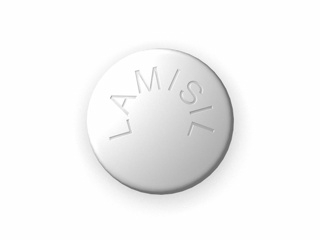
Lamisil is a brand name for terbinafine, an antifungal medicine used to treat fungal infections of the skin and (in some cases) the nails. This page explains how Lamisil works, how it is used, what to expect, important safety information, and practical tips for best results in the United Kingdom.
Quick overview
- Active ingredient: Terbinafine
- Medicinal use: Antifungal treatment for conditions such as athlete’s foot, ringworm, and fungal nail infections.
- Available forms (common in the UK): Cream, gel, spray (topical) and tablets (oral, depending on the product/pack).
- Key point: Fungal infections often look better before they are fully cleared—keep using/finishing the full course.
What is Lamisil?
Lamisil (terbinafine) belongs to a group of medicines known as allylamines. It works by attacking the fungal cells, helping to stop the fungus from growing and spreading.
In the UK, antifungal products are widely available through pharmacies and (depending on the specific product) may be sold in different pack sizes and strengths. Always check your specific pack for the exact strength and instructions.
Mechanism of action (how it works)
Terbinafine works by inhibiting an essential enzyme in the fungus called squalene epoxidase. This blocks the production of ergosterol, a key component of fungal cell membranes.
- Fungal effect: The fungal cell membrane becomes unstable, leading to fungal death or reduced viability.
- Typical result: Reduced fungal growth and gradual healing as the infection clears.
Pharmacokinetics (what the body does with it)
“Pharmacokinetics” describes how terbinafine is absorbed, distributed, and eliminated.
Topical terbinafine (creams/gels/sprays)
- Absorption: Absorption through intact skin is generally low.
- Effect location: It acts primarily where it is applied—on the skin or nails (for topical nail products, if applicable).
- Systemic exposure: Lower than with oral tablets, so whole-body side effects are less likely.
Oral terbinafine tablets
- Absorption: Terbinafine is absorbed from the gut.
- Distribution: It can distribute into skin and nails where fungal infections occur.
- Metabolism: It is metabolised mainly in the liver.
- Elimination: Metabolites are excreted primarily through the urine.
- Timing in nails: Nail clearance depends on nail growth and the time needed to replace infected nail tissue.
If you have liver disease, are taking other medicines, or you’re using oral terbinafine, it’s especially important to follow medical guidance and to watch for side effects (see “Safety profile” below).
Indications: what Lamisil is used for
Lamisil is used to treat fungal infections. The exact indication depends on the form (topical vs oral).
| Condition (examples) | Typical site | Common product forms |
|---|---|---|
| Athlete’s foot (tinea pedis) | Between toes, sole, sides of foot | Cream/gel/spray (topical); tablets for more extensive cases (as appropriate) |
| Ringworm (tinea corporis) | Body skin | Topical cream/gel/spray |
| Jock itch (tinea cruris) | Groin area | Topical cream |
| Fungal nail infection (onychomycosis) | Nails | Often tablets; some topical options exist depending on the product |
Note: Some rashes can resemble fungal infections but be caused by other conditions (such as eczema, psoriasis, or bacterial infections). If symptoms do not improve as expected, seek professional advice.
Typical dosing and duration
The correct dose depends on the product strength and form. Always follow the instructions on your specific pack.
Topical terbinafine
A common approach for topical terbinafine is applying a thin layer to the affected area and surrounding skin. Frequency and duration depend on the type and location of the infection, for example:
- Athlete’s foot: often treated for about 1–2 weeks (some cases may need longer depending on severity and product instructions).
- Ringworm: often around 1–2 weeks.
- Jock itch: often about 1–2 weeks.
If your pack indicates a specific schedule (such as once or twice daily), follow it exactly. Continue use for the full course even if symptoms improve early.
Oral terbinafine tablets (where appropriate)
Oral dosing schedules vary with the infection type and severity. Common regimens for nail fungal infections include longer treatment courses because the infection in nails often requires months to clear as new nail grows.
- Fingernails: typically shorter treatment durations than toenails.
- Toenails: typically longer treatment durations than fingernails.
For safety and effectiveness, oral terbinafine usually needs careful consideration of liver health and interactions with other medicines (see below).
Timing: when you should start to feel better
Treatment response depends on the infection type:
- Skin fungal infections: Many people notice improvement within a few days, but complete cure requires completing the full treatment course (often 1–2 weeks for topical therapy).
- Fungal nail infections: Improvement can take weeks to months because nail growth is slow. Even after the fungus is treated, the nail may look abnormal until healthy nail replaces the infected part.
If you see no improvement after the expected initial period (for example, after about 1–2 weeks for skin infections depending on severity and product instructions), reassess the diagnosis or consult a healthcare professional.
Food interactions
Topical terbinafine: No meaningful food interactions are expected because very little is absorbed into the bloodstream.
Oral terbinafine: Taking with food does not usually cause clinically significant interactions for terbinafine itself, but individual advice may differ depending on your health and other medicines.
A practical approach:
- Follow the instructions on your pack (or local pharmacy guidance) regarding timing with meals.
- If your stomach becomes upset, taking oral terbinafine with food may help (but do not change your dose schedule unless advised).
Alcohol interactions
Terbinafine (especially oral) is processed by the liver. Because of this, alcohol should be used cautiously.
- During oral treatment: Drinking large amounts of alcohol may increase strain on the liver.
- Better safety practice: Keep alcohol intake moderate and avoid binge drinking.
If you have liver disease, or if you notice symptoms such as unusual tiredness, dark urine, pale stools, persistent nausea, or yellowing of the skin/eyes, stop and seek urgent medical advice.
Interactions with other medicines
Interactions depend on whether you are using topical or oral terbinafine.
Topical products
- Systemic interactions are less likely due to lower absorption through the skin.
- However, check with a pharmacist if you are applying it to large areas, have broken skin, or use multiple products at the same time.
Oral terbinafine tablets
Oral terbinafine can interact with other medicines through liver metabolism. Examples include (this is not exhaustive):
- Some antidepressants and other medicines metabolised by liver enzymes
- Medicines affecting liver function
- Other antifungals (depending on therapy plan)
Before using oral Lamisil, tell a pharmacist or healthcare professional about:
- All medicines you take (including over-the-counter products and herbal remedies)
- Your alcohol intake
- Any history of liver problems
Always consult your medicines list to confirm whether any interaction checks are needed.
Safety profile: who should be cautious
Like all medicines, Lamisil can cause side effects. Most people tolerate terbinafine well, especially topical forms. However, oral terbinafine has additional considerations.
Common side effects
- Topical: mild skin irritation, redness, itching, burning sensation at the site of application.
- Oral (tablets): headache, stomach upset, taste disturbance (including taste changes), diarrhoea or nausea (varies by person).
Serious side effects (seek urgent help)
Stop and seek medical advice urgently if you experience symptoms that could indicate a serious reaction, such as:
- Signs of liver problems: yellowing of the eyes/skin (jaundice), dark urine, pale stools, persistent nausea/vomiting, severe fatigue, or pain in the upper abdomen.
- Severe allergic reaction: swelling of the face/lips, difficulty breathing, widespread rash, or sudden dizziness.
- Severe skin reactions: blistering, peeling, or sores in the mouth/eyes.
- Blood or immune system issues: unusual bruising, persistent sore throat, fever, or infections that don’t settle (urgent evaluation is needed).
Special cautions
- Liver disease: Extra caution with oral terbinafine; do not start oral therapy without appropriate assessment.
- Pregnancy and breastfeeding: Product-specific advice is needed. Discuss risks and benefits with a pharmacist or healthcare professional before use.
- Children: Safety depends on age and formulation. Check pack instructions carefully and seek advice where needed.
- Older adults: Often can use terbinafine, but review other medicines and liver health.
Practical use tips (how to get the best results)
For skin infections (topical Lamisil)
- Clean and dry first: Wash the area gently, pat dry thoroughly, then apply.
- Apply a thin layer: Cover the affected area and a small margin of surrounding skin.
- Wash your hands after applying: Unless your hands are the treatment site.
- Keep the area dry: Moisture can encourage fungal growth—change socks regularly and use breathable footwear.
- Do not stop early: Continue for the full course even if symptoms improve.
- Avoid contamination: Don’t share towels; wash bed linen and towels regularly.
For nail fungal infections
- Be patient: Nails take time to grow out. Visible improvement can take months.
- File/trim carefully (if advised): Some people choose to trim thickened nail tissue to improve appearance and reduce discomfort.
- Hygiene matters: Keep nails clean and dry, and disinfect tools if you reuse them.
- Follow dosing schedule strictly: Skipping tablets or stopping early can reduce effectiveness.
If the infection keeps coming back, it may be due to ongoing exposure or reinfection from close contacts, communal areas, or footwear.
Alternative options
There are other antifungal medicines and strategies depending on the site, severity, and diagnosis. Alternatives may include:
- Other topical antifungals: such as clotrimazole or miconazole (often used for skin fungal infections).
- Other nail treatments: some nail-specific antifungal solutions or lacquers may be options depending on the product availability and pattern of infection.
- Oral alternatives: different antifungal tablets may be used in some cases.
- Supportive care: keeping the area dry, treating athlete’s foot on the feet when it is causing spread, and using moisturisers for irritated skin can help.
The best choice depends on the exact fungal type, how widespread the infection is, and whether nails are involved. If you’re unsure, ask a pharmacist for advice.
Market and legal context in the UK
In the United Kingdom, the availability of medicines depends on how they are classified and the intended use. Antifungal products such as topical terbinafine are commonly available through pharmacies. Oral terbinafine tablets may be supplied under pharmacy or other regulated routes depending on the product and local arrangements.
Medicines must be supplied in line with UK regulatory requirements. Product packaging and patient instructions provide essential information about dosing, contraindications, and safety warnings.
Policies can change, so the exact availability and classification may vary by supplier and time. For the most accurate current availability, check the specific product listing in your online pharmacy or speak with a pharmacist.
Recent guidance and “when to seek help”
While fungal infections are common, persistent symptoms can indicate:
- Incorrect diagnosis (for example eczema, psoriasis, or bacterial skin infection)
- Incomplete treatment or reinfection (especially athlete’s foot leading to recurring spread)
- Less common fungal types or resistance
- Underlying health factors that affect immune function
In line with general good practice, seek professional advice promptly if:
- The rash becomes more painful, spreads quickly, or you develop fever
- You have diabetes, poor circulation, or immune suppression
- Symptoms do not improve within the expected timeframe
- You suspect nail infection but only part of the nail looks affected and the diagnosis is uncertain
Delivery and availability (UK)
Online pharmacies in the UK typically deliver antifungal medicines to UK addresses. Availability may depend on:
- Whether the product is topical or oral
- Pack size and strength
- Regulated supply requirements and age limits for certain routes
- Current stock levels
Delivery times vary between providers. Check the product page for estimated dispatch and delivery options. If you need your medicine urgently, consider contacting the pharmacy to confirm stock and delivery timelines.
What to expect during treatment
- Skin infections: itching and redness often improve early, but the fungus may still be present underneath—finishing the course is important.
- Nail infections: visible improvement follows nail growth. Discolouration and thickness may gradually reduce over time.
- Recurrence: If athlete’s foot is not treated or footwear remains contaminated, nail infections may persist or return.
FAQ: Lamisil (terbinafine) – common questions
1) How long does Lamisil take to work?
For most skin fungal infections, improvement is often seen within a few days, with full resolution usually after completing the course (commonly 1–2 weeks, depending on site and product instructions). For nail infections, it can take months because nails grow slowly.
2) Can I use Lamisil on broken skin?
Avoid applying to deep or severely broken skin unless your product instructions or a pharmacist has advised it. If the area is cracked and very inflamed, ask for guidance before applying topical terbinafine.
3) What if my symptoms get worse after starting?
Some mild irritation at the application site can occur. However, if there is rapid spreading, severe pain, blistering, or signs of allergy, stop using and seek medical advice urgently.
4) Should I stop when I feel better?
No. Fungal infections can improve before they are fully cleared. Continue for the full prescribed/pack course to reduce the chance of recurrence.
5) Can I use it with moisturisers or other creams?
You may be able to combine treatments, but avoid applying multiple products at the same time on the exact spot unless advised. Ask a pharmacist for a simple routine if you’re also using emollients or barrier creams.
6) Can I drink alcohol while using Lamisil?
With topical products, alcohol interactions are not typically a concern. With oral terbinafine, alcohol should be used cautiously because of liver processing. Avoid heavy or binge drinking, and seek advice if you have liver risk factors.
7) Is Lamisil safe if I have liver problems?
Oral terbinafine requires extra caution with liver disease. Check with a pharmacist or healthcare professional before using oral tablets if you have any history of liver problems.
8) Will Lamisil work for all fungal infections?
Terbinafine is effective against many dermatophyte fungi. However, not every rash is fungal. If symptoms persist, the diagnosis may need review.
9) How do I prevent reinfection?
Keep the area dry, change socks regularly, wash towels and bedding frequently, avoid sharing towels, treat athlete’s foot promptly if it’s present, and consider disinfecting footwear if recommended. If you live with someone who also has a fungal infection, they may need treatment too.
10) When should I see a pharmacist urgently?
Seek urgent help if you develop signs of severe allergic reaction, serious skin reactions, or symptoms that may indicate liver problems (especially with oral treatment).
Important: This information is for general guidance. Always read the patient information leaflet provided with your specific Lamisil product and follow the instructions on the pack. If you are unsure which product is right for your symptoms, speak to a pharmacist.