

Diflucan (Fluconazole) – Patient-Friendly Guide (UK)
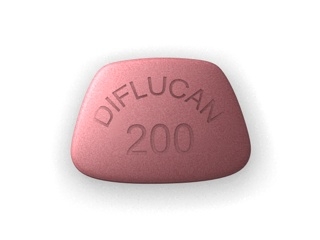
Diflucan is a well-known antifungal medicine. The active ingredient is fluconazole, which treats a range of fungal infections by stopping the fungus from growing. This guide explains how Diflucan works, how it is used, what to expect, key safety information, and practical tips—written for people in the United Kingdom.
Quick product information
| Feature | Details |
|---|---|
| Medicine name | Diflucan |
| Active ingredient | Fluconazole |
| Type | Systemic antifungal (tablet/capsule/solution forms depending on product) |
| Common uses | Yeast (Candida) infections and some other fungal infections |
| How it works | Blocks fungal enzyme needed to make cell membranes |
| Typical course | Varies by infection (single dose to longer regimens) |
| UK availability | Available via pharmacy channels; some packs may be prescription-only depending on strength/form and local policies |
How Diflucan (fluconazole) works
Fungal cells need a substance called ergosterol to form their cell membrane. Fluconazole works by blocking an enzyme called lanosterol 14α-demethylase that fungi use to make ergosterol.
- Mechanism of action: Reduces ergosterol production, weakening the fungal cell membrane.
- Result: The fungus cannot grow and reproduce effectively, allowing your immune system to clear the infection.
- Target organisms: Most commonly Candida (yeast). It can also be used for certain other fungal infections depending on the condition and severity.
Pharmacokinetics (how the body handles fluconazole)
Pharmacokinetics describes how fluconazole is absorbed, distributed, metabolised and removed from the body.
- Absorption: Fluconazole is absorbed reliably after oral dosing. Taking it with food usually does not significantly reduce how much is absorbed.
- Distribution: It spreads throughout the body and can reach tissues where fungal infections occur.
- Metabolism: The liver metabolises some of the drug, though fluconazole is also largely cleared unchanged.
- Elimination: Primarily removed via the kidneys (urine).
- Half-life: Fluconazole has a long half-life, which is one reason it can be dosed less frequently than some other antifungals.
Why this matters: Because the medicine stays in the body for a while, some infections can be treated with single-dose regimens, while others require repeated dosing over days or weeks.
Typical uses in the UK
Diflucan is used for fungal infections caused by susceptible organisms. The exact indication and length of treatment depend on the diagnosis, severity, immune status, and site of infection.
Common indications
- Vaginal thrush (vulvovaginal candidiasis) – often due to Candida species.
- Oral thrush (oropharyngeal candidiasis) – commonly in people with dentures, those who use inhaled steroids, or those with weakened immunity.
- Recurrent vulvovaginal candidiasis – when episodes keep returning (management may include longer-term strategies).
- Oesophageal candidiasis – usually in people with specific risk factors.
- Candidal infections in other body sites – depending on local guidance and clinical assessment.
Note: Diflucan can be prescribed for a variety of fungal conditions. Suitability depends on your symptoms, likely cause, any culture results if done, and your medical history.
When to take Diflucan (timing)
Timing can vary depending on the prescribed regimen. General guidance for patient use:
- Follow your dosing schedule exactly (for example, “once daily” or “one dose then repeat after 72 hours” depending on the condition).
- You can take it with or without food. If it upsets your stomach, taking it with food may improve comfort.
- Try to take doses at the same time each day if you are on a course.
- If you miss a dose: Take it when you remember unless it is close to the next dose. Do not double up.
If you’re treating recurrent infections, it may take time for symptoms to settle. Relief can happen within a few days, but complete resolution may take longer depending on the site and severity.
Food interactions
Food usually does not matter much with fluconazole.
- With meals: Taking Diflucan with food typically does not significantly affect absorption.
- Practical approach: If you experience nausea, consider taking it with a snack or meal.
If you have specific dietary restrictions or stomach sensitivities, a pharmacist can advise on the most comfortable way to take your dose.
Alcohol and medicine interactions
Alcohol may affect the body’s handling of medicines and can increase stress on the liver. Fluconazole is metabolised in the liver, so it’s sensible to be cautious.
Alcohol
- During treatment: It’s generally best to limit or avoid alcohol, especially if you have liver disease or are taking a longer course.
- Short courses: Occasional small amounts may not cause problems for everyone, but caution is still recommended.
Interactions with other medicines (important)
Fluconazole can interact with certain medicines by affecting liver enzymes that metabolise drugs. These interactions can either increase fluconazole levels, increase other drug levels, or alter heart rhythm in some cases.
Tell a healthcare professional or pharmacist about all medicines you take, including OTC products and herbal remedies. Particular care is needed with:
- Warfarin and other blood thinners (risk of increased bleeding if INR rises).
- Some blood pressure or heart rhythm medicines (there is a potential for heart rhythm effects in susceptible people).
- Statins (some interactions can increase risk of side effects).
- Oral diabetes medicines (dose adjustments may be needed).
- Some anti-epileptic medicines.
- Other antifungals or antibiotics (interaction possibilities depend on the specific agent).
- Rifampicin / rifabutin (may reduce antifungal effectiveness).
- Opioids (depending on the opioid, levels may be affected).
This is not a complete list. Your pharmacist can check drug interactions quickly and accurately.
Dosing: typical regimens (overview)
Dosing depends on the type and severity of infection and your personal factors (e.g., kidney function). Below are common example patterns you may see for fluconazole. Your exact dose should always follow the instructions provided with your Diflucan supply.
Common dosing patterns
- Vulvovaginal candidiasis (uncomplicated yeast infection): Often a single dose or a short regimen (commonly one tablet/capsule dose, sometimes repeated after a specified number of days in some cases).
- Recurrent vulvovaginal candidiasis: May involve an initial course followed by a longer-term maintenance schedule.
- Oropharyngeal thrush: Typically taken once daily for several days or longer depending on response.
- Oesophageal candidiasis: Usually requires longer courses.
- Other fungal infections: Dosing varies widely, sometimes with higher doses and longer duration under specialist supervision.
Kidney function considerations
Because fluconazole is cleared by the kidneys, people with reduced kidney function may require a dose adjustment or different schedule.
What if symptoms improve?
Even if you feel better, finish the course as advised. Stopping early can contribute to recurrence or incomplete eradication.
Seek medical advice urgently if you experience severe symptoms, worsening pain, fever, or signs of spreading infection.
Indications: what Diflucan is used for
Fluconazole treats fungal infections. The main focus for many people is Candida-related conditions. Indications may include:
- Vaginal thrush due to Candida species.
- Oral thrush.
- Oesophageal candidiasis.
- Invasive candidiasis and other serious Candida infections (in hospital/specialist settings).
- Other endemic mycoses (in select circumstances; depends on regional risk and specialist guidance).
Important: Not every “thrush-like” symptom is caused by a fungal infection. Conditions such as bacterial vaginosis, sexually transmitted infections, dermatitis, or irritation can mimic symptoms. If you are unsure, consult a pharmacist or clinician.
Safety profile: who should be careful
Most people tolerate fluconazole well, particularly short courses. However, it can cause side effects and may not be suitable for everyone.
Common side effects
- Nausea
- Headache
- Stomach upset or abdominal discomfort
- Diarrhoea
- Rash
Less common but serious risks
- Allergic reactions: seek urgent help if you develop facial swelling, breathing difficulty, widespread hives, or severe rash.
- Liver problems: watch for symptoms such as yellowing of the skin/eyes (jaundice), dark urine, unusual fatigue, persistent vomiting, or severe abdominal pain.
- Heart rhythm concerns: interactions with other medicines can affect the heart’s electrical activity in susceptible individuals.
- Drug interactions: as outlined above, interactions can increase side effects or reduce effectiveness.
Who should discuss with a pharmacist/clinician before use
- People with liver disease or history of liver problems due to medicines.
- People with kidney impairment.
- People taking warfarin or other interacting medications.
- People with known heart rhythm disorders or taking medicines that affect rhythm.
- Pregnancy or breastfeeding: discuss suitability and dosing, as recommendations can differ by situation.
Practical use tips
- Take the correct strength: Fluconazole doses can vary. Ensure you use the dose that matches the plan given for your condition.
- Don’t mix with unnecessary antifungals: Using multiple antifungal products at once isn’t always helpful and can increase irritation.
- Keep the area dry and comfortable: For vaginal thrush, breathable underwear and gentle hygiene can help symptoms settle.
- Consider partner treatment if advised: For some conditions, partner symptoms or specific circumstances may require guidance.
- Manage risk factors: Diabetes, antibiotic use, immune suppression, and steroid inhalers can contribute to thrush recurrence.
- Watch for recurrence: If symptoms return quickly after treatment, seek advice rather than repeating doses without assessment.
What to expect: symptom improvement and when to seek help
Many people notice improvement within a few days. However, symptoms can take longer to fully resolve, especially for oral thrush or infections that have been present for some time.
Contact a pharmacist or clinician promptly if:
- Symptoms worsen or do not improve after the course is completed
- You have recurrent infections (e.g., multiple episodes)
- You have fever, severe pain, or signs of widespread infection
- You are immunocompromised
- You might be experiencing something other than thrush
Alternative options for fungal infections
The best treatment depends on the infection site, severity, and likely cause. Alternatives to fluconazole may include:
For vaginal thrush (examples)
- Antifungal vaginal pessaries/creams such as clotrimazole or miconazole (often used for uncomplicated cases).
- Other oral antifungals in specific circumstances (depending on availability and clinical judgement).
For oral thrush (examples)
- Antifungal mouth gels or suspensions (local treatment for thrush in the mouth).
- Improving mouth hygiene and denture care is essential if relevant.
When to choose alternatives
- Localised infections may respond well to topical treatments.
- People concerned about systemic side effects may prefer non-oral options when appropriate.
- Drug interactions may make fluconazole less suitable in some cases.
Your pharmacist can help compare options based on your symptoms, history, and medication list.
UK market and legal context (pharmacy availability)
Availability of antifungal medicines can vary in the UK depending on the specific product, strength, and national/regional guidance. In general:
- Some antifungal treatments may be available through community pharmacies.
- Other formulations or dosing regimens may require additional assessment or may be supplied via other routes depending on current UK regulatory classification and clinical context.
- Pharmacists may provide advice and can guide you on the most appropriate next step if symptoms suggest something more complex than uncomplicated thrush.
Always check the product page and packaging instructions for the specific pack details you are buying. UK pharmacy services are designed to ensure safer use, including checking for interactions and suitability.
Recent guidance and clinical considerations (UK)
Guidance for thrush and other Candida infections in the UK typically emphasises:
- Confirming the likely diagnosis: if symptoms are atypical, recurrent, or not responding, reassessment is recommended.
- Considering risk factors: diabetes, recent antibiotic use, immunosuppression, and steroid use can influence recurrence and treatment choice.
- Using appropriate duration: under-treating can lead to persistence or relapse.
- Checking drug interactions: fluconazole has clinically important interactions, so medication reconciliation is crucial.
Recommendations may evolve. Your pharmacist can offer up-to-date advice for the context of UK care pathways.
Delivery and availability (online pharmacy)
Online pharmacies in the UK typically offer a straightforward ordering process with:
- Secure online ordering for eligible products
- Packaging and handling to protect medicines during delivery
- Tracked delivery options depending on provider and location
Availability: Product formats (for example, tablets/capsules/solution) and pack sizes can vary. If you need a specific strength or formulation, check the listing carefully before checkout.
Storage: Keep medicines in their original packaging and store at room temperature unless the label advises otherwise. Keep out of sight and reach of children.
Diflucan: FAQ
1) Is Diflucan the same as fluconazole?
Yes. Diflucan is a brand name. The active ingredient is fluconazole.
2) How long does it take to work?
Many people begin to feel better within a few days. Full symptom resolution can take longer, depending on the infection site, how long you’ve had symptoms, and whether the infection is uncomplicated.
3) Can I take Diflucan with food?
Yes. Fluconazole can generally be taken with or without food. If it upsets your stomach, taking it with food may help.
4) Can I drink alcohol while taking fluconazole?
It’s best to limit or avoid alcohol during treatment, especially if you have liver issues or are on a longer course. If you’re unsure, ask a pharmacist.
5) What if I forget a dose?
Take it when you remember unless it’s close to the next dose. Do not double up to make up for a missed dose.
6) Will Diflucan cure recurrent thrush?
It can help treat an episode, but recurrence has underlying triggers (e.g., diabetes, recent antibiotics, immune changes, irritants). If you keep getting thrush, it’s important to discuss prevention and possible testing with a pharmacist or clinician.
7) What medicines interact with fluconazole?
Fluconazole can interact with several medicines, including warfarin and some heart rhythm–related medicines. If you list your medicines (including OTC and herbal products), a pharmacist can check interactions for you.
8) Is it safe for everyone?
Most people tolerate fluconazole well, but it may not be suitable for everyone. Extra caution is needed if you have liver disease, kidney impairment, or take interacting medicines.
9) What should I do if symptoms don’t improve?
If symptoms do not improve after completing the course—or if they worsen—seek advice. The cause may not be fungal, or the infection may require a different approach.
10) Are there alternative treatments?
Yes. Depending on the infection type and site, alternatives may include topical antifungal treatments, antifungal gels/suspensions for mouth thrush, or other systemic antifungals. A pharmacist can advise based on symptoms and medical history.
Always read the patient information leaflet provided with your Diflucan pack and follow the specific dosing instructions. If you have questions about interactions, suitability, or which treatment fits your symptoms, speak to a pharmacist.