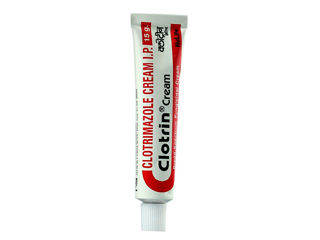

Clotrimazole
Clotrimazole is a well-established antifungal medicine used to treat a range of fungal infections affecting the skin and, in some preparations, the vagina. It works by stopping the growth of fungus so your skin can recover naturally. This guide explains how clotrimazole works, how to use it safely, and what to expect during treatment.
Note: Clotrimazole comes in different strengths and forms (for example creams, ointments, sprays, pessaries, and vaginal tablets depending on the product). Always follow the specific instructions provided with your medicine and the product leaflet.
Product information (UK)
| Category | Details |
|---|---|
| Active ingredient | Clotrimazole |
| Medicinal type | Antifungal (an imidazole antifungal) |
| Common forms | Cream / ointment / solution / spray (skin); vaginal pessary/tablet (where available) |
| Typical strength | Varies by product (e.g., 1% skin formulations are common) |
| Where it is used | Fungal infections of the skin and selected vaginal fungal infections (depending on the formulation) |
| Who it can be used by | Depends on the specific product and age/condition guidance in the leaflet |
In the United Kingdom, clotrimazole preparations are widely available through community pharmacies and online medicine retailers. Many clotrimazole products are classed as pharmacy medicines (or sometimes general sales list depending on the exact product and strength), meaning they are intended to be used for appropriate conditions and with consumer-friendly guidance.
How clotrimazole works (mechanism of action)
Clotrimazole belongs to the imidazole group of antifungals. It works by interfering with the fungus’s ability to build and maintain its cell membrane.
More specifically, clotrimazole inhibits enzymes involved in the production of ergosterol, an essential component of the fungal cell membrane. Without ergosterol, the fungal cell membrane becomes unstable, leading to slowed growth and, at sufficient concentrations, fungal death.
What this means for you
- Symptoms usually improve as the fungus is controlled, but complete clearing may take the full recommended course.
- Early stopping can increase the risk of the infection returning.
- Clotrimazole is designed to target fungal infections; it will not treat bacterial infections.
Pharmacokinetics (how the body handles it)
Pharmacokinetics describes absorption, distribution, metabolism, and elimination of a medicine. The exact profile depends on the route and formulation.
Skin preparations
- Absorption: Clotrimazole applied to intact skin is generally absorbed only in small amounts through the skin.
- Local action: Its main effect occurs in the infected skin area.
- Systemic exposure: For most topical uses, the amount entering the bloodstream is low.
Vaginal preparations (where applicable)
- Local action: Applied vaginally, clotrimazole primarily acts locally.
- Systemic absorption: Absorption can occur, but overall systemic exposure is typically limited.
In general, clotrimazole is metabolised in the body (mainly through liver pathways) and eliminated via urine and faeces. For topical use, the clinical relevance is usually low due to limited absorption.
Typical uses (indications)
Clotrimazole is used to treat infections caused by susceptible fungi (most commonly tinea species and Candida). The exact indications depend on the product type you are using.
Common skin conditions
- Athlete’s foot (tinea pedis) — itchy, scaly, sometimes cracked skin between toes or on the soles
- Jock itch (tinea cruris) — often affects the groin with redness and itching
- Ringworm (tinea corporis) — circular or spreading patches on the body
- Fungal infections of the skin where a clinician or pharmacist advises clotrimazole is appropriate
Vaginal fungal infection
Some clotrimazole vaginal products are used for vaginal candidiasis (also called thrush). Typical symptoms include itching, irritation, redness, and sometimes a thick discharge.
If you are unsure whether your symptoms are fungal (rather than bacterial, eczema, dermatitis, or something else), seek advice from a pharmacist or clinician. Many skin complaints look similar, and the right treatment matters.
When to use it (timing and course length)
Timing refers to when you apply the medicine during the day and how long you should continue. The recommended duration depends on the condition and the specific strength/formulation you have.
General timing guidance for skin clotrimazole
- Usually applied once or twice daily, depending on the product strength and leaflet instructions.
- Apply to clean, dry skin.
- Continue for the full course even if symptoms improve early.
- In many fungal skin infections, treatment may extend for at least 2–4 weeks (and sometimes longer) depending on severity.
General timing guidance for vaginal clotrimazole
- Follow the specific dosing schedule for your product (for example, daily for several days, or a shorter course depending on formulation).
- Use at the same time each day to stay consistent and reduce missed doses.
If symptoms do not start to improve within the expected timeframe, or if they worsen, it is important to seek advice.
Food interactions
Clotrimazole is typically used on the skin or locally in the vagina (depending on product form). Because absorption into the bloodstream is usually limited, food interactions are not expected for topical/vaginal clotrimazole.
- Skin application: No special dietary restrictions are generally required.
- Vaginal application: No dietary restrictions are generally required.
Always check the leaflet for any specific advice related to your exact preparation. If you are taking other medicines (especially antifungals taken by mouth), ask a pharmacist for tailored guidance.
Alcohol interactions
There is no known clinically significant alcohol interaction with clotrimazole when used as a topical/vaginal antifungal. This is because the systemic exposure is generally low.
However, if you experience irritation (for example, sensitive skin), it is sensible to avoid anything that worsens symptoms. For example, strong perfumed washes or alcohol-based products applied to the area may increase irritation.
Medicine interactions
For topical and vaginal clotrimazole, major drug–drug interactions are uncommon due to low systemic absorption. Still, interactions can depend on whether you are also taking other antifungal treatments or applying other skin products to the same area.
Practical interaction tips
- Avoid mixing products: Don’t apply clotrimazole on top of other medicated creams unless advised.
- Barrier products: If your skin is very irritated, a pharmacist may advise on whether moisturisers can be used (avoid occlusive layering that may trap moisture).
- Other antifungals: Using multiple antifungals together is usually not necessary and may increase irritation.
Tell a pharmacist if you are using other medicines on the same area, including steroid creams, moisturisers, or barrier ointments.
Dosing and how to apply clotrimazole
Dosing depends on the condition and the specific formulation. Use the dosing schedule in your leaflet, and do not exceed the recommended amount. Below are general guidelines for common clotrimazole skin preparations.
Skin (cream/ointment) general dosing
- Apply a thin layer to the affected area and the surrounding skin (fungus may extend beyond visible redness).
- Wash and dry hands before and after application.
- Usually apply once or twice daily.
- Continue treatment for the full course, often at least 2 weeks for many mild fungal infections, and longer for some cases.
Vaginal products (pessaries/tablets)
Follow your product’s specific schedule. Common courses vary by formulation, so it is important not to assume that all clotrimazole vaginal products use the same dosing.
If you miss a dose
- Apply/use it when you remember unless it is nearly time for the next dose.
- Do not apply double amounts to make up for a missed dose.
Safety profile and side effects
Like all medicines, clotrimazole can cause side effects, although not everyone gets them. Many people experience none or only mild effects.
Common mild side effects
- Local skin irritation (mild burning, stinging, redness)
- Itching at the application site
- Dryness or mild peeling
- Contact dermatitis in sensitive individuals
Less common but important reactions
- Severe rash, blistering, or swelling
- Signs of allergy (for example, widespread hives, facial swelling, breathing difficulties)
- Worsening pain or rapidly spreading redness
If you suspect a serious allergic reaction, seek urgent medical help. If you experience severe irritation, stop using the product and seek advice from a pharmacist.
When to get medical advice promptly
- The infection does not improve after a reasonable period (for example, within 1–2 weeks for many superficial skin cases, or sooner if symptoms are severe).
- Symptoms worsen, spread quickly, or become very painful.
- You have infection in a sensitive area where guidance is needed, such as near the eyes.
- You may have a different condition (for example, eczema, bacterial infection, or an alternative rash).
- You have diabetes, a weakened immune system, or poor circulation—fungal infections can become more complicated.
Practical use tips for best results
Clotrimazole can be very effective, but success depends on good application and hygiene. Consider the following tips to improve outcomes and reduce recurrence.
Before applying
- Clean the affected area gently with water and mild soap, then pat dry.
- Remove debris or loose skin if present (do not scratch aggressively).
- Let the skin dry before applying the cream.
Applying the medicine
- Use a thin layer covering the affected area and a small surrounding margin.
- Keep the product only for the intended area.
- For hands/feet, consider applying with clean fingers and wash your hands after use.
Hygiene and prevention
- Keep the area dry: Fungus thrives in moist environments.
- Change socks/underwear regularly and after sweating.
- Choose breathable fabrics (for example, cotton).
- If athlete’s foot is present, treat it promptly and consider drying carefully between toes.
- Avoid sharing towels, socks, or clothing.
- When treating ringworm/jock itch, wash affected clothing and bedding appropriately.
After symptoms improve
Even if itching and redness settle, fungus may still be present. Continue the recommended course to reduce the chance of the infection returning.
Alternative options for fungal infections
Depending on the exact condition, severity, and the formulation available, other antifungal options may include:
- Other topical azoles (e.g., miconazole, econazole in certain settings)
- Allylamines (e.g., terbinafine) for some skin fungal infections, often with shorter courses depending on product
- Other antifungal products available for specific indications (for example, nystatin for certain yeast infections)
- For recurrent or difficult cases: a healthcare professional may consider antifungal treatments by mouth or alternative strategies
A pharmacist can help you choose the most suitable option based on the appearance and location of your symptoms, as well as your medical history.
UK market and legal context (availability and safe use)
In the United Kingdom, the supply of medicines is regulated to ensure safe access and appropriate consumer information. Clotrimazole products are commonly sold through:
- Community pharmacies (often as pharmacy medicines, depending on the exact product)
- Online pharmacies and medicine retailers registered to supply medicines according to UK requirements
When buying clotrimazole online, reputable suppliers provide: clear product identification, instructions for use, and guidance on when to seek further advice. Always ensure you buy from a legitimate UK-licensed online pharmacy or supplier.
UK guidance also emphasises that antifungal treatment should be used for the right condition and for the correct duration. If symptoms do not match fungal infection or fail to respond, reassessment is recommended.
Recent guidance and common clinical themes
- Complete the full course to reduce relapse.
- Confirm the diagnosis when infections are recurrent or atypical.
- Address contributing factors (moisture, footwear, hygiene, skin barrier issues).
- Seek advice if there is uncertainty, severe symptoms, or no improvement.
Delivery and availability (online pharmacy)
Clotrimazole products are widely stocked and usually available for dispatch promptly. Availability depends on the exact formulation and strength (for example, skin creams vs. vaginal products).
What to check before ordering
- Choose the correct form for the body area affected (skin vs. vaginal).
- Check strength and product type to match the instructions you intend to follow.
- Confirm pack size and dosing schedule to ensure the course is covered.
Typical delivery expectations
- Delivery times depend on your location and the retailer’s dispatch schedule.
- Keep an eye on tracking updates once your order is placed.
If your symptoms require urgent assessment or you are unsure which product to use, contacting a pharmacist before ordering can help you choose appropriately.
FAQ about clotrimazole
1) How quickly will I feel better?
Many people notice symptom improvement within a few days, particularly with itching. However, full clearing can take longer—often several weeks—depending on the infection site and severity. Continue the course as directed even if you feel better.
2) Can I use clotrimazole if the rash is not improving?
If your symptoms are not improving after a reasonable period, or they are getting worse, it may be due to an incorrect diagnosis, insufficient duration, or an underlying issue. Speak to a pharmacist for advice—sometimes a different treatment is needed.
3) Should I stop when symptoms disappear?
No. Stopping early can allow the fungus to persist and the infection to return. Use clotrimazole for the full recommended duration specified with your product.
4) Can I use clotrimazole with moisturiser or other creams?
It’s best to apply clotrimazole to clean, dry skin. If you want to use a moisturiser, consider applying it at a different time unless the product leaflet advises otherwise. If you’re using multiple products on the same area, ask a pharmacist to avoid worsening irritation.
5) Is clotrimazole safe in pregnancy or breastfeeding?
Safety in pregnancy and breastfeeding depends on the formulation and the condition being treated. Many topical treatments are considered options, but always check the leaflet and seek pharmacy advice if you are pregnant, planning pregnancy, or breastfeeding.
6) Can I have sex while using vaginal clotrimazole?
Vaginal clotrimazole products may affect condoms or diaphragms depending on the excipients and formulation. For sexual activity and contraception compatibility, refer to the product leaflet and ask a pharmacist for advice. In general, avoid sex if it worsens irritation or if recommended precautions apply.
7) What if the infection keeps coming back?
Recurrent fungal infections are often linked to moisture, footwear habits, incomplete treatment, reinfection from contaminated items (towels, clothing), or an underlying skin condition. Treat promptly, keep the area dry, and complete courses. If recurrence continues, speak to a pharmacist or clinician for further assessment.
8) Will clotrimazole treat athlete’s foot, jock itch, and ringworm?
In many cases, yes—depending on which clotrimazole skin product you use and whether the infection is truly fungal. The location and appearance guide which product is appropriate, so follow leaflet directions and seek advice if uncertain.
9) Can I use clotrimazole near the eyes or on broken skin?
Avoid contact with the eyes and do not use on areas where the skin is severely broken or oozing unless advised. If accidental contact occurs, rinse thoroughly with water. Ask a pharmacist if the infection is in a sensitive area.
10) Does clotrimazole stain clothes?
Some creams may feel greasy or could transfer slightly. Allow the product to absorb and dry before dressing. Using breathable clothing and changing items regularly can help prevent issues.
Summary
Clotrimazole is a trusted antifungal medicine for conditions such as athlete’s foot, jock itch, and ringworm (depending on the formulation), and certain vaginal fungal infections when used as a suitable vaginal product. It works by disrupting fungal cell membrane production, helping your skin or mucosa recover. For best results, apply to clean, dry skin, use the recommended schedule, and complete the full course to reduce the risk of recurrence.
If you are unsure whether your symptoms are fungal, if you have recurrent infections, or if there is no improvement, speak to a pharmacist for guidance.