Duphaston (Dydrogesterone) — Patient Information
Duphaston is a medicine containing dydrogesterone, a synthetic form of the natural hormone progesterone. It is used to support hormone-related conditions in women, particularly when the body needs additional progesterone to help the endometrium (the lining of the womb) respond normally.
This page provides clear, patient-friendly information about what Duphaston is for, how it works, typical dosing approaches, safety considerations, and practical tips. Medicines should be used exactly as advised by a healthcare professional.
Basic product information
| Item | Details |
|---|---|
| Active ingredient | Dydrogesterone |
| Medicine type | Progestogen (synthetic progesterone) |
| Common brand name | Duphaston |
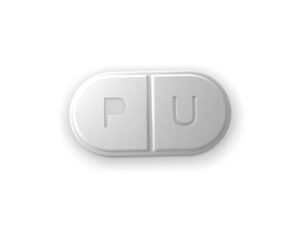
| Typical form | Tablets (strength may vary by product) |
| Who it is for | Women needing progesterone support for specific hormone-related indications |
If you’re unsure about your specific dose or schedule, check the label on your medicine box and follow the instructions you were given.
How Duphaston works (mechanism of action)
Dydrogesterone acts as a progestogen. Its main role is to transform the endometrium into a state that is appropriate for a normal cycle and (where relevant) early pregnancy support.
- Endometrial protection: It helps protect the womb lining from becoming overly thick when oestrogen is present.
- Hormone balance: By providing progesterone-like effects, it helps regulate symptoms associated with low progesterone activity.
- Cycle support: It may be used to treat irregular bleeding or to support predictable withdrawal bleeding schedules in certain clinical situations.
- Anti-proliferative effect on the womb lining: In women receiving oestrogen therapy, it counterbalances the oestrogen effect on the endometrium.
Pharmacokinetics (how the body handles it)
Pharmacokinetics describes what the body does to a medicine: how it is absorbed, broken down, and removed. While individual results vary, the general pattern for dydrogesterone is:
- Absorption: Dydrogesterone is absorbed after oral administration and reaches peak levels within a few hours.
- Metabolism: It is metabolised mainly in the liver. Its main metabolite is 20α-dihydrodydrogesterone, which contributes to the overall hormonal effect profile.
- Elimination: Dydrogesterone and its metabolites are excreted primarily via urine.
- Half-life: The effective half-life supports once-to-multiple daily dosing depending on the indication.
Because metabolism occurs in the liver, it is important to discuss any history of liver disease with a healthcare professional.
Typical uses in the UK
Duphaston is used for a range of conditions where progesterone support is needed. It is commonly used in:
- Abnormal uterine bleeding due to progesterone deficiency (e.g., irregular bleeding patterns).
- Endometriosis (to help control symptoms such as pelvic pain).
- Threatened or recurrent miscarriage where progesterone support is considered (clinical practice varies by patient and context).
- Premenstrual syndrome (PMS) in certain cases where progesterone deficiency is suspected.
- Support in assisted reproduction settings when progesterone support is part of the treatment plan.
- Hormone replacement therapy (HRT) in women with a uterus who need endometrial protection when taking oestrogen.
Which indication applies to you depends on your individual medical history, symptoms, test results, and overall treatment plan. Always follow the dosing schedule provided for your condition.
Indications, what to expect, and timing
Progesterone medicines are often used in specific ways depending on the stage of the menstrual cycle, the presence of pregnancy, or concurrent oestrogen therapy. Your prescriber will determine your timing strategy.
Examples of timing approaches
- Cycle-related use: Often taken during specific days of the menstrual cycle to induce withdrawal bleeding or provide endometrial support.
- Endometriosis: Usually taken continuously or in a defined regimen to help maintain symptom control.
- HRT with oestrogen: Typically taken to provide protection for the uterine lining while oestrogen is used.
- Pregnancy-related support (where indicated): Started and continued based on the plan agreed with your clinical team.
Important: Do not change the schedule or stop suddenly without medical advice. If you miss a dose, follow the guidance in the patient information leaflet or contact your healthcare professional.
Dosing information (general guidance)
Duphaston is taken by mouth. The exact dose varies with the condition being treated, your age, and your response. Below are common regimen patterns seen in clinical use; your personal instructions may differ.
Common dosing examples (may vary by indication)
| Condition (example) | Typical regimen pattern (example) | Notes |
|---|---|---|
| Endometriosis | Often taken in divided doses across the day | Some people take a regimen over many cycles for ongoing symptom control. |
| Abnormal bleeding / cycle support | Cycle-day based regimen (e.g., days of the cycle) | The aim may be to regulate bleeding or protect the endometrium. |
| HRT with oestrogen | Sequential or continuous progesterone schedule alongside oestrogen | Women with a uterus generally need progestogen cover on HRT. |
| PMS (selected cases) | Often used during the luteal phase | Effect may take time to become clear across cycles. |
Your pack will specify the strength (mg) of each tablet. Dosing should be confirmed using your prescription label/your instructions. If you are not sure what your dose is, speak to a pharmacist.
How to take Duphaston (practical use tips)
- Take at the same time(s) each day: This helps maintain consistent hormone levels.
- Use a routine: For example, link doses to breakfast and evening activities.
- Swallow with water: Tablets are typically taken whole with water.
- Keep track of cycle days: If your regimen is cycle-dependent, mark your calendar with the start and end days.
- Do not double up: If you miss a dose, do not take two doses together unless specifically advised.
- Tell your healthcare team: Inform them if your symptoms worsen or if you have unexpected bleeding patterns.
Food interactions
Dydrogesterone can generally be taken with or without food. Food is not usually expected to significantly alter the overall effectiveness. However, if taking it at specific times is part of your schedule, choose times you can reliably maintain.
If you notice stomach upset when taking your tablets, taking them with a small meal or snack may help. Always check the patient information leaflet included with your medicine.
Alcohol and medicine interactions
Occasional alcohol use is not generally known to directly neutralise dydrogesterone. However, alcohol can affect overall wellbeing, sleep, and may worsen dizziness, headaches, or nausea in some people.
Medication interaction highlights
Interactions depend on your other medicines. Discuss your current medicines with a pharmacist if you are using any of the following types:
- Medicines that affect liver enzymes (some anti-epileptics, certain antibiotics/antivirals, and other hormone medicines) may change steroid hormone metabolism.
- Herbal products (for example, St John’s wort) may alter metabolism and hormone effects.
- Other hormonal treatments (including oestrogen preparations and HRT combinations) may require careful regimen planning.
Keep an up-to-date list of your medicines and show it to your pharmacist or healthcare professional, including over-the-counter products.
Safety profile and potential side effects
Like all medicines, Duphaston can cause side effects, although not everyone will experience them. Many side effects are mild and improve as your body adjusts.
Common side effects (may include)
- Headache
- Nausea or mild stomach discomfort
- Breast tenderness
- Mood changes
- Irregular bleeding or spotting, especially early in treatment
- Vaginal discharge changes
Less common but important adverse effects
Seek medical advice urgently if you develop symptoms that could indicate serious problems. Contact emergency services if symptoms are severe.
- Signs of a blood clot: sudden shortness of breath, chest pain, swelling/pain in one leg, or sudden neurological symptoms (e.g., weakness on one side).
- Severe allergic reaction: facial swelling, difficulty breathing, or widespread rash.
- Severe or persistent liver problems: yellowing of the skin/eyes (jaundice), severe fatigue, dark urine.
- Abnormal vaginal bleeding: heavy bleeding or bleeding that persists or worsens without explanation.
Who should take extra care
- People with a history of blood clots or clotting disorders.
- People with liver disease or past serious liver problems.
- People with a known hormone-sensitive condition or suspected malignancy (a clinician should guide use).
- Those with a history of migraine or significant headaches (monitor symptoms).
This information is not exhaustive. Always read the patient leaflet for complete safety information and keep follow-up appointments.
Missed dose guidance (general)
If you miss a dose, the correct action depends on how long ago it was and your regimen. In general:
- Take the missed dose when you remember if it is close to the scheduled time.
- If it’s almost time for the next dose, skip the missed dose and continue as normal.
- Do not double up unless instructed by your pharmacist or healthcare professional.
For personalised advice, consult the leaflet supplied with your medicine or speak with a pharmacist.
Alternative options
Depending on the indication, clinicians may use other progesterone or progestogen medicines, or alternative strategies. Examples include:
- Micronised progesterone products (often used for pregnancy support in some settings).
- Other progestogens used for endometriosis or cycle-related disorders.
- Non-hormonal approaches (e.g., pain management for endometriosis symptoms) in selected cases.
- Adjusting HRT regimens (type, dose, and schedule of oestrogen and progestogen).
The “best” alternative depends on your condition, your medical history, and your treatment goals. Discuss options with a healthcare professional.
United Kingdom market & legal context (patient perspective)
In the UK, prescription medicines are regulated through the Medicines and Healthcare products Regulatory Agency (MHRA). Medicines are supplied through licensed pharmacies and are expected to be used according to the product’s licensed information and patient leaflet.
The information on this page is intended to help you understand the medicine. It does not replace clinical advice or the instructions provided for your individual situation.
Recent guidance (general themes)
Clinical guidance in the UK for hormone-related conditions may evolve over time, particularly for pregnancy-related progesterone support and the management of miscarriage risk. Current best practice generally emphasises:
- Careful patient selection based on history and risk factors.
- Clear documentation of indication and duration of treatment.
- Ongoing assessment if symptoms occur (e.g., bleeding changes, pain).
- Use of locally agreed care pathways and evidence-based protocols.
Your clinician should follow the most up-to-date UK guidance relevant to your situation. If you are unsure, ask them what the plan is and why a particular progesterone regimen was chosen.
Delivery and availability (online pharmacy)
Duphaston availability can vary based on pack size, strength, and supply. When ordering from an online pharmacy in the UK, you can usually expect:
- Standard delivery options and sometimes express services (depending on location and stock).
- Stock updates: if stock is temporarily unavailable, the pharmacy may offer alternatives or a restock timeline.
- Secure packaging: medicines are typically dispatched in tamper-evident packaging.
Delivery times can depend on your postcode and the dispatch schedule. If you need the medicine urgently, check the estimated delivery window during checkout or contact customer support.
Practical Q&A / FAQ
1) What is Duphaston used for?
Duphaston contains dydrogesterone, a progestogen. It is used for hormone-related conditions such as progesterone deficiency-related bleeding patterns, endometriosis, and to provide endometrial protection when used alongside oestrogen therapy. In some circumstances, it is also used for pregnancy-related support where progesterone is considered appropriate.
2) When should I take Duphaston?
The timing depends on the reason you are taking it. Some regimens are cycle-based (specific days each month), while others are taken regularly across the day or for ongoing periods. Follow your dosing schedule exactly as provided.
3) Can I take Duphaston with food?
Dydrogesterone is generally taken with or without food. If it upsets your stomach, taking it with a meal may help. Keep to the times you can consistently manage.
4) What if I miss a dose?
Refer to the patient leaflet for guidance specific to your regimen. In general, take the missed dose when you remember unless it is close to the next dose, and do not double up unless told to do so.
5) Does alcohol interact with Duphaston?
There is no universal instruction to avoid alcohol completely with dydrogesterone, but alcohol can worsen symptoms such as nausea or headaches and may affect your wellbeing. For personal advice, speak to your pharmacist, especially if you have other medications or health conditions.
6) Are there medicines that should not be taken together?
Some medicines can affect liver metabolism of steroid hormones. Always tell your pharmacist about all medicines you take, including over-the-counter products and herbal supplements, so interactions can be checked for your specific combination.
7) Will Duphaston cause weight gain?
Weight changes are not a typical direct effect for everyone, but some people report bloating or appetite changes with hormonal medicines. If you notice rapid or concerning weight gain, discuss it with a healthcare professional.
8) What side effects should I watch for?
Common side effects may include headache, nausea, breast tenderness, or spotting. Seek urgent advice for severe allergic reactions, signs of blood clots, or symptoms suggesting liver problems.
9) Can I use Duphaston in pregnancy?
In some clinical situations, progesterone support may be used early in pregnancy. Your clinician should advise the correct regimen and duration. Do not stop or change the dose without medical guidance.
10) How long until it helps?
Timing varies by indication. Cycle-related effects may take one or more cycles to become clearer, while endometriosis symptom control may take weeks. If there is no improvement or symptoms worsen, contact your healthcare professional.
Summary
Duphaston (dydrogesterone) is a progestogen medicine used to manage hormone-related conditions, including progesterone deficiency-related symptoms, endometriosis, and endometrial protection when taking oestrogen. It works by helping the womb lining respond appropriately and by restoring progesterone effects where needed. Dosing timing can be cycle-dependent or continuous depending on the indication, so it’s important to follow your exact schedule.
If you have questions about how to take Duphaston, missed doses, potential side effects, or interactions with other medicines, speak to a pharmacist for tailored advice.