
Tamoxifen (Tamoxifen citrate) — Patient Guide (UK)
Tamoxifen is a medicine used to treat and help prevent certain hormone-dependent cancers. It works by blocking the effects of oestrogen in specific tissues. This guide explains how tamoxifen works, how it’s used in everyday practice, what to expect, and key safety considerations for patients in the United Kingdom.
Basic product information
| Topic | Information |
|---|---|
| Generic name | Tamoxifen (usually tamoxifen citrate) |
| Common brand examples | Various brands exist depending on manufacturer |
| Medicine type | Selective oestrogen receptor modulator (SERM) |
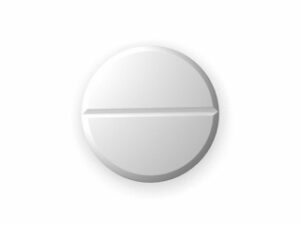
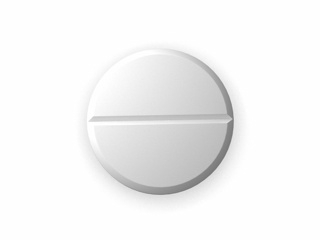
| How it’s taken | Usually by mouth (tablets) |
| Typical strengths | Common tablet strengths include 10 mg and 20 mg |
| Who it is for | People with certain oestrogen receptor–positive breast cancer, and selected prevention/ongoing-risk situations as advised by a clinician |
The exact regimen and duration depend on your diagnosis, your stage/risk, and your treatment plan. Always follow your own course of care.
How tamoxifen works (mechanism of action)
Tamoxifen is a selective oestrogen receptor modulator (SERM). This means it can act like an oestrogen blocker in some tissues, while acting differently in others.
- Breast tissue: Tamoxifen helps block oestrogen from stimulating certain breast cancer cells. This is particularly relevant when tumours are oestrogen receptor (ER) positive.
- Other tissues: Tamoxifen may have partial oestrogen-like effects in some areas (for example, bones) while acting as a blocker in others. This tissue-selective behaviour contributes to both benefits and side effects (notably effects on the uterus and clotting risk).
Tamoxifen is not a chemotherapy drug. It targets hormone signalling to slow or stop growth of hormone-dependent cancer cells.
Pharmacokinetics (how your body handles tamoxifen)
Pharmacokinetics describes what the body does to the medicine: absorption, distribution, metabolism, and elimination.
- Absorption: Tamoxifen is absorbed after oral dosing. Food does not usually prevent absorption, but taking it consistently can help you maintain steady exposure.
- Metabolism: Tamoxifen is metabolised mainly in the liver. A key active metabolite is endoxifen, produced via enzymes including CYP2D6. Variability in enzyme activity (including genetic differences) and drug interactions can influence how much active medicine is formed.
- Distribution: Tamoxifen and metabolites distribute widely in the body and can remain for extended periods.
- Elimination: Metabolites are excreted gradually, mainly via the liver/bile into faeces, with a smaller proportion via urine. Because of the long-lasting metabolites, tamoxifen effects may persist after stopping.
If you have concerns about drug interactions or you’re taking medicines that affect liver enzymes, it’s particularly important to discuss them with your healthcare team.
Typical uses in the UK
In the UK, tamoxifen is used for certain oestrogen receptor–positive breast cancer situations, including:
- Early breast cancer: commonly as adjuvant (after primary treatment) to reduce recurrence risk.
- DCIS (ductal carcinoma in situ): in selected cases where hormone therapy is appropriate.
- Advanced (metastatic) breast cancer: to treat hormone-responsive disease.
- Risk reduction: in some selected prevention contexts under specialist guidance.
The precise indication, duration, and choice of dose depend on your pathology and overall treatment plan.
How to take tamoxifen: timing and practical guidance
When to take it
- Tamoxifen is usually taken (your prescription instructions will specify your exact dose).
- Choose a time that you can stick to daily. Many people take it in the morning or evening with a regular routine.
With or without food
- Tamoxifen can generally be taken .
- If it upsets your stomach, taking it with food may help.
Swallowing tips
- Swallow the tablet(s) whole with water.
- If you have difficulty swallowing, speak to a pharmacist for advice (do not crush or alter tablets unless specifically instructed).
If you miss a dose
- Take the missed dose as soon as you remember on the same day.
- If it is nearly time for your next dose, skip the missed dose.
- Do not take a double dose to make up for a missed one.
If you frequently miss doses or your schedule changes, ask your pharmacist or healthcare team for tailored advice.
Food interactions
For most patients, normal dietary intake does not cause major problems with tamoxifen. However, it’s still worth considering:
- Consistency helps: taking tamoxifen at a similar time each day supports stable routine.
- Grapefruit products: grapefruit can affect certain enzymes and drug transporters. While the interaction risk with tamoxifen is not always straightforward, it’s safest to limit large grapefruit intake unless your prescriber/pharmacist has confirmed it’s fine.
- St John’s wort: avoid. It can reduce medicine levels by inducing liver enzymes, potentially lowering effectiveness.
If you’re making significant dietary changes (for example, supplements or herbal products), check with a pharmacist.
Alcohol and medicine interactions
Alcohol
Moderate alcohol intake may be tolerated by many people, but it can increase side effects such as tiredness, dizziness, or nausea. If you drink alcohol, keep it moderate and monitor how you feel.
Because tamoxifen is metabolised in the liver, heavy alcohol use may increase the burden on liver function. If you have liver problems or high alcohol intake, seek personalised advice.
Important medicine interactions
Tamoxifen is affected by how the liver converts it into active forms. Some medicines can reduce its effectiveness or increase side effects.
-
CYP2D6 inhibitors (important): Some antidepressants and other medicines can reduce conversion to endoxifen. Examples include:
- paroxetine
- fluoxetine
- bupropion
- possibly other strong/ moderate CYP2D6 inhibitors
- Hormonal treatments: Avoid combining with other hormone therapies unless advised. Your clinician will guide the best approach for your situation.
- Blood-thinning medicines: Tamoxifen can increase clot risk. If you take anticoagulants/antiplatelet medicines, your team will decide whether additional monitoring is needed.
- Other liver-metabolised drugs: Some medicines can change tamoxifen levels. Always check new medicines (including “over-the-counter” and herbal supplements).
Bring a full list of medicines (including supplements and remedies) to your pharmacist. This helps avoid interaction problems.
Dose (typical dosing guidance)
Tamoxifen dosing varies by indication and individual circumstances. Common dosing regimens include:
- Early or adjuvant use: often 20 mg once daily, though schedules may differ.
- Other indications: may use similar daily dosing or adjusted regimens based on specialist assessment.
Treatment duration can be several years in some breast cancer settings. This is decided by your specialist based on your risk/benefit profile and tolerability.
Do not change the dose without discussing it with your healthcare team. If side effects become troublesome, your clinician may advise supportive measures or, in some situations, an adjustment.
Indications: when tamoxifen is prescribed
Tamoxifen is indicated for hormone receptor–positive breast cancer management. Key clinical uses include:
- Treatment of oestrogen receptor positive breast cancer.
- Adjuvant therapy after surgery/primary treatments to reduce recurrence risk in appropriate patients.
- Management of advanced or metastatic hormone-responsive disease.
- Selected cases of ductal carcinoma in situ (DCIS) where hormone therapy is appropriate.
Eligibility depends on cancer subtype (ER/PR status), previous treatments, and patient factors including age, menopausal status, and risk profile.
Safety profile and side effects
Like all medicines, tamoxifen can cause side effects. Many are manageable, but some can be serious. If you experience any severe, persistent, or worrying symptoms, seek medical advice promptly.
Common side effects
- Hot flushes (very common)
- Nausea or upset stomach
- Vaginal dryness or discharge changes
- Changes in periods (in premenopausal patients)
- Mood changes or reduced libido in some people
- Fatigue
- Skin rash or itch (less common)
Serious risks (seek urgent advice if symptoms occur)
These risks are uncommon but important. Tamoxifen may increase the chance of certain blood clots and uterine changes.
-
Blood clots (thrombosis): possible increased risk of deep vein thrombosis (DVT) and pulmonary embolism (PE).
- Seek urgent help if you develop: sudden shortness of breath, chest pain, coughing blood, or a painful/swollen leg (often one-sided).
-
Endometrial (uterine) changes: risk of uterine lining thickening and, rarely, endometrial cancer.
- Speak to your clinician promptly if you notice: unusual vaginal bleeding, spotting, or discharge, particularly after menopause.
-
Eye problems: rare vision changes have been reported.
- Seek medical advice for sudden changes in vision, eye pain, or persistent visual disturbance.
-
Severe allergic reaction (rare):
- Get urgent help for swelling of the face/lips, difficulty breathing, or widespread rash.
Monitoring
- You may be reviewed periodically by your specialist team to monitor response and side effects.
- If you are postmenopausal or have symptoms suggestive of uterine effects, additional evaluation may be recommended.
- Your clinician may discuss lifestyle measures to help reduce clot risk (for example, staying active and managing weight).
Practical use tips for everyday life
Managing hot flushes
- Keep rooms cool; use fans where helpful.
- Wear layers you can remove quickly.
- Reduce triggers such as caffeine, spicy foods, and alcohol where they worsen symptoms.
- Some medicines or non-drug approaches may help—ask your clinician or pharmacist (especially if you’re considering antidepressants, because some may interact with tamoxifen).
Vaginal dryness and sexual wellbeing
- Use non-hormonal moisturisers and lubricants as recommended.
- Report pain, bleeding, or persistent discharge changes promptly.
Lowering clot risk
- Stay mobile—avoid long periods of immobility (especially during travel).
- Consider practical measures during flights/long journeys (hydration and movement).
- Discuss planned surgery or periods of immobility with your healthcare team, as they may consider temporary precautions.
Taking tablets reliably
- Use reminders on your phone or a weekly pill organiser.
- Keep tablets in a safe, dry place away from excessive heat and moisture.
- Keep a written list of your medicines for pharmacy visits.
Alternative options
Depending on your diagnosis and risk profile, clinicians may consider other hormone treatments or strategies. Alternatives for ER-positive breast cancer may include:
- Aromatase inhibitors (commonly for postmenopausal patients; examples include anastrozole, letrozole, exemestane)
- Other SERMs in specific contexts (less common)
- Combination or sequential hormone therapy approaches
- Other cancer therapies such as chemotherapy, targeted therapy, radiotherapy, or surgery depending on stage and biomarkers.
The “best” alternative depends on factors like menopausal status, ER/PR status, prior treatments, and how you tolerate tamoxifen. Your oncology team will tailor the plan.
UK market and legal context
In the UK, tamoxifen is a widely used medicine for breast cancer and is available through NHS and private pathways depending on individual circumstances. It is regulated by the Medicines and Healthcare products Regulatory Agency (MHRA) and authorised through standard medicines licensing processes.
Online pharmacies in the UK must follow applicable rules around patient safety, dispensing, branding, and supply of medicines. Reputable suppliers provide clear product information, packaging and batch details where appropriate, and guidance on safe use.
Because tamoxifen has clinically significant interactions and serious potential side effects, supply typically comes with patient information and access to professional advice.
Recent guidance and considerations in practice
Guidance for endocrine therapy in breast cancer continues to evolve as new evidence emerges. Key themes seen in current UK clinical practice include:
- Personalised selection of endocrine therapy based on ER status, risk, and menopausal status.
- Awareness of drug interactions, especially with medicines that affect CYP2D6 activity.
- Support for side effects (for example, hot flush management) to help people stay on treatment when appropriate.
- Monitoring for complications such as thromboembolic events and uterine symptoms.
If you’re unsure about your individual plan, ask your oncology team or pharmacist what to watch for and when to seek help.
Delivery and availability (UK online pharmacy)
Availability can vary by strength and manufacturer. Many online pharmacies can source tamoxifen stock, including generics, depending on local supply chains.
- Packaging: tablets are supplied in suitable pharmaceutical packaging. Do not use tablets from damaged or unlabelled packs.
- Delivery times: delivery speed depends on the supplier and your postcode area. Standard and express options may be available.
- Medication safety on receipt: check that the strength and quantity match what you ordered and that the expiry date is still valid.
- Out-of-stock situations: some pharmacies can offer alternatives (such as different manufacturers/generic equivalents) if clinically appropriate.
If you need urgent supply (for example, you are travelling or have limited stock remaining), contact the pharmacy support team as early as possible.
FAQ
1) Is tamoxifen taken once a day?
Often, yes. Many regimens use a once-daily dose. Your exact schedule may vary by indication and specialist plan—follow the instructions provided with your medicine.
2) Can I take tamoxifen with food?
Yes. Tamoxifen can generally be taken with or without food. If it causes nausea, taking it with a meal may help.
3) What should I do if I forget a dose?
Take it when you remember on the same day. If it’s nearly time for the next dose, skip the missed dose. Do not take a double dose.
4) What are the most common side effects?
Hot flushes, nausea, tiredness, and vaginal dryness are among the most common. Many people find supportive measures helpful for symptom control.
5) What symptoms are urgent?
Seek urgent medical advice for signs of blood clots (such as sudden breathlessness, chest pain, or a swollen/painful leg) or unusual vaginal bleeding (especially if you are postmenopausal).
6) Can I drink alcohol while taking tamoxifen?
Moderate alcohol may be tolerated by some people, but it can worsen side effects. Heavy alcohol use may affect liver health, so keep alcohol moderate and seek advice if you drink heavily.
7) Are there medicines I should avoid?
Avoid or discuss interactions—particularly with certain antidepressants and other medicines that can inhibit CYP2D6. Also avoid herbal products such as St John’s wort unless your healthcare team has approved them.
8) Does grapefruit affect tamoxifen?
Large amounts of grapefruit products may affect drug metabolism. It’s safest to avoid excessive grapefruit intake unless your pharmacist or prescriber confirms it is suitable for you.
9) How long will it take to work?
The timing of benefit varies by cancer situation. Some effects can begin quickly at the level of hormone receptor blockade, while clinical outcomes unfold over months/years as treatment progresses. Your clinician will monitor response and overall risk.
10) Can I stop tamoxifen if I feel better?
Endocrine treatments are often taken for extended periods to reduce recurrence risk. Stopping early can affect outcomes. If you want to stop or change treatment due to side effects, discuss it with your healthcare team first.
11) What if I get side effects that bother me?
Tell your healthcare team. There are practical strategies for hot flushes and other symptoms, and in some cases they may adjust supportive treatment. Never stop suddenly without medical advice.
Important: This guide is for general information and cannot replace advice from your healthcare professional. If you have questions about your condition, your specific dose, or interactions with your medicines, speak to a pharmacist or clinician.