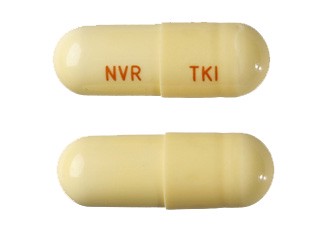

Tasigna (Nilotinib) — Patient-Friendly Guide (UK)
Tasigna is a brand of nilotinib, a targeted anticancer medicine used to treat certain types of chronic myeloid leukaemia (CML) and specific related conditions. This guide explains how Tasigna works, how it is taken, what to expect, and important safety and interaction information. It is written to be easy to read and helpful for patients in the United Kingdom.
Always follow the advice of your healthcare team. Information below helps you understand common considerations, but your individual plan may differ based on your medical history, blood tests, and response to treatment.
1) Basic product information
| Item | Details |
|---|---|
| Medicine | Tasigna (nilotinib) |
| Type | Oral targeted therapy (tyrosine kinase inhibitor) |
| Common strengths | Capsules (strengths vary by market; your pack will specify) |
| How it’s taken | By mouth, in a strict timing pattern around food |
| Key monitoring | Blood counts, liver tests, electrolytes, ECG/heart rhythm, and response markers (e.g., BCR-ABL) |
| Availability in the UK | Prescription-only medicine (availability through NHS and UK pharmacies under normal supply processes) |
2) What Tasigna is used for (indications)
Tasigna is used for the treatment of certain people with CML who have the relevant disease characteristics, typically involving the BCR-ABL fusion gene (Philadelphia chromosome–positive CML). Your specialist will decide whether Tasigna is suitable based on your specific CML phase and prior therapies.
Common clinical situations where Tasigna may be used
- Newly diagnosed Philadelphia chromosome–positive CML in chronic phase (in line with UK clinical practice).
- Philadelphia chromosome–positive CML in chronic phase, or accelerated phase (where appropriate), including when other treatments are not suitable or have not worked as expected.
- After assessment of response and tolerability, when continued therapy is beneficial.
If you’re unsure why Tasigna was chosen for you, ask your haematology team. They can explain the goal of treatment, such as achieving deep molecular response and maintaining remission.
3) How Tasigna works (mechanism of action)
Nilotinib belongs to a class of medicines called tyrosine kinase inhibitors (TKIs). In CML, the BCR-ABL fusion protein sends continuous “growth signals” that cause leukaemia cells to multiply.
Tasigna blocks the activity of BCR-ABL, which helps:
- reduce leukaemia cell growth
- allow normal blood cell production to recover
- drive molecular levels of BCR-ABL down over time
- support long-term disease control
Targeted TKIs work differently from older chemotherapy. They aim to control the disease while generally having a more targeted effect.
4) Pharmacokinetics (how your body handles it)
Understanding pharmacokinetics can help explain why food timing matters and why dosing schedules must be consistent.
Key points
- Absorption and effect of food: Tasigna can be significantly affected by food, especially meals that increase stomach contents and bile-related absorption. This is why strict timing around meals is essential.
- Metabolism: Nilotinib is mainly metabolised in the liver, involving enzymes of the CYP system (notably CYP3A4). This means some medicines can raise or lower nilotinib levels.
- Elimination: Drug metabolites are eliminated primarily via faeces and, to a lesser extent, urine.
- Consistency matters: Maintaining similar dosing conditions helps keep drug levels stable for the intended therapeutic effect.
Your prescriber may adjust treatment based on blood results, side effects, and drug–drug interaction risk.
5) Typical dosing and timing (what to expect)
Dosing of Tasigna depends on your disease phase and individual factors. Follow your clinician’s schedule exactly. Below are general timing principles commonly used for nilotinib capsules.
General dosing principles
- Tasigna is usually taken twice daily (morning and evening).
- Capsules should be taken consistently at the same times each day where possible.
- Swallow whole with water. Do not crush or open capsules unless your healthcare team advises otherwise.
Timing around meals (very important)
Food can increase nilotinib absorption and may raise the risk of side effects. For this reason, Tasigna must be taken with a strict schedule relative to meals.
- Take your dose at least two hours after finishing food.
- Then wait at least one hour before eating again.
Many patients find it helpful to build a routine—for example, taking the morning dose after a morning fast, then eating after the required waiting period, and repeating in the evening.
If you miss a dose
If you miss a dose, follow the guidance from your medicine information leaflet or your healthcare team. In general, do not take an extra dose to make up for a missed one unless instructed. Because schedules are strict, it’s best to contact your clinic/pharmacy for advice tailored to your regimen.
6) Food interactions and diet considerations
The most significant food-related issue with Tasigna is meal timing. Avoid changes that could shift absorption.
What to do
- Keep the 2-hour after-meal and 1-hour before-next-meal rule.
- Try to avoid large or unusual meals immediately before or after dosing.
- Maintain a predictable routine where possible (for example, consistent breakfast time and evening meal timing).
When to seek additional advice
- If you have difficulty eating at regular times (e.g., nausea, appetite changes, bowel issues).
- If you’re starting tube feeding or have swallowing difficulties.
- If you need advice about managing side effects that affect eating.
7) Alcohol interactions
Nilotinib is processed by the liver. Alcohol does not have a single universally predictable interaction with Tasigna, but it can increase liver stress and may worsen some side effects such as fatigue, nausea, or dizziness.
- If you drink alcohol, discuss a safe amount with your healthcare team—especially if you have abnormal liver tests.
- If you notice increased nausea, flushing, dizziness, or worsening tiredness after alcohol, reduce or avoid alcohol and inform your clinic.
In some people, abstaining from alcohol may be recommended during treatment depending on overall condition and test results.
8) Medicine interactions (important for safety and effectiveness)
Tasigna can interact with other medicines, particularly those that affect CYP3A4. These interactions can either increase nilotinib levels (raising toxicity risk) or decrease levels (reducing effectiveness).
Medicines that commonly require extra caution
- Strong CYP3A4 inhibitors (can increase nilotinib levels). Examples may include certain antifungals and some antibiotics—your pharmacist can check your specific products.
- Strong CYP3A4 inducers (can reduce nilotinib levels). Examples may include some anti-epileptic medicines and certain herbal products.
- Medicines affecting heart rhythm (QT prolongation risk). Tasigna may affect the heart’s electrical timing. Combining with other QT-prolonging medicines may increase risk.
- Electrolyte-altering medicines, such as some diuretics, may contribute to low potassium or magnesium, which can also increase cardiac risk.
Herbal and over-the-counter products
Herbal remedies and some over-the-counter products (including certain “natural” sleep, cold, or digestive remedies) can also affect drug metabolism. Always tell your pharmacy about everything you take, including:
- pain relief (including ibuprofen/paracetamol and dose frequency)
- antacids or acid suppressing medicines
- stomach remedies
- vitamins and supplements
- herbal products (especially those affecting liver enzymes)
Your pharmacist can screen for interactions using your exact medicine names and strengths.
9) Safety profile and monitoring
Like all cancer medicines, Tasigna can cause side effects. Many are manageable with dose adjustments, supportive care, and regular monitoring.
Areas of monitoring commonly include
- Blood counts (to detect anaemia, low white cells, or low platelets).
- Liver function tests (nilotinib is metabolised in the liver).
- Electrolytes (potassium and magnesium levels, which affect heart rhythm).
- ECG (electrocardiogram) to check heart rhythm, particularly QT interval.
Common or notable side effects
Side effects vary between people. Tell your healthcare team about any symptoms that bother you or persist.
- Fatigue
- Nausea and indigestion
- Headache
- Rash or skin changes
- Fluid-related changes (such as swelling) in some cases
- Muscle or bone pain
- Changes in blood test results (e.g., liver enzymes, blood counts)
Seek urgent medical advice if you experience
- fainting, severe dizziness, or palpitations
- chest pain
- severe or persistent shortness of breath
- signs of serious infection (high fever, chills, feeling very unwell)
- severe allergic symptoms (swelling of face/lips, difficulty breathing)
These symptoms may indicate heart rhythm changes, severe infection, or other urgent problems. Do not wait for your next appointment.
10) Practical use tips for patients
- Keep to the meal schedule: Use alarms or routines to maintain the “after meal / before meal” timing.
- Use a medicine checklist: Record doses taken to reduce missed doses.
- Hydration: Drink water normally. Avoid sudden changes that may affect appetite and routine.
- Report side effects early: Early communication often improves comfort and outcomes.
- Attend monitoring appointments: ECG and blood tests help detect problems early.
- Keep a list of all medicines: Include prescribed drugs, over-the-counter products, inhalers, and supplements.
- Travel planning: Bring spare capsules and follow timing rules during travel as best as possible.
- Medication storage: Store according to your pack instructions (typically in a dry place at room temperature).
11) Alternative options (if Tasigna isn’t suitable)
For CML, several TKIs may be considered depending on the phase of disease, prior treatment history, and individual risk factors. Alternatives could include other TKIs (such as imatinib, dasatinib, bosutinib, or ponatinib) and may also involve supportive treatments.
The “best” option depends on factors such as:
- your response history and molecular test results
- heart rhythm risk and ECG findings
- side effect tolerance
- other medical conditions (e.g., liver problems or interacting medicines)
- the availability and suitability within local treatment pathways
Your specialist can explain why Tasigna was chosen and whether switching to another option might be safer or more effective for you.
12) UK market & legal context (overview)
In the United Kingdom, medicines such as Tasigna are supplied through regulated routes and are used within established clinical pathways. Treatment decisions for CML are typically managed by specialists in haematology/oncology, with ongoing monitoring.
Key UK considerations include:
- Regulatory approval: Tasigna is an authorised medicine in the UK.
- Supply and distribution: Supply is managed by licensed wholesalers and pharmacies.
- Safety monitoring: Ongoing monitoring requirements support safe use in real-world care.
- Clinical guidance: UK specialists often follow national and international CML recommendations adapted to local practice.
If you’d like, your pharmacy can provide information about how supply works locally and typical timelines for new starters versus repeat dispensing.
13) Recent guidance and clinical updates (high-level)
CML treatment is guided by evolving clinical evidence and updates to consensus recommendations. In recent years, clinical discussions have focused on:
- choosing the right first-line TKI based on efficacy and safety profiles
- monitoring response using molecular tests (BCR-ABL)
- managing treatment-related risks, including cardiovascular and QT-related considerations
- optimising adherence through practical counselling on timing and interactions
Your clinic may also consider how monitoring results guide decisions about continuing treatment, adjusting dose, or switching therapy. Always rely on your specialist team for guidance tailored to you.
14) Delivery, availability, and ordering in the UK
Tasigna availability depends on pack size and pharmacy supply. In the UK, regulated medicines are delivered through licensed pharmacy networks and follow standard cold-chain requirements only if specified by the product.
What you can expect when ordering from an online pharmacy
- Order processing: Orders are checked and prepared according to pharmacy procedures.
- Packaging: Medicines are supplied in appropriate tamper-evident packaging.
- Delivery times: Delivery schedules vary by region and courier, and may be affected by stock availability.
- Stock status: If a pack is temporarily unavailable, the pharmacy may offer alternatives such as different pack sizes if clinically appropriate.
If you have a specific delivery deadline (for example, you’re travelling), contact the pharmacy early so they can plan supply and timing.
15) FAQ
How do I take Tasigna?
Take Tasigna as directed by your healthcare team. It is typically taken twice daily and must be taken with strict timing around meals (at least 2 hours after eating and at least 1 hour before eating again). Swallow capsules whole with water.
Why is food timing so strict?
Food can change nilotinib absorption and raise drug levels. Higher levels may increase the risk of side effects, including heart-related effects. Keeping the recommended timing helps keep exposure within the intended range.
Can I drink alcohol while taking Tasigna?
Alcohol may not have a single direct interaction, but it can affect the liver and can worsen some side effects such as nausea and fatigue. Discuss your personal situation with your clinician, especially if you have liver test abnormalities.
What medicines should I avoid?
Avoid starting new medicines (including over-the-counter and herbal products) without checking for interactions. Medicines that affect liver enzymes (especially CYP3A4) or that influence heart rhythm may be particularly relevant. Your pharmacy can screen your full list of products for interactions.
What heart monitoring will I need?
Tasigna can affect the heart’s electrical activity. Your team may arrange ECG checks and blood tests for electrolytes (potassium and magnesium), particularly after starting treatment, changing dose, or if you have symptoms.
What should I do if I miss a dose?
Follow the advice from the medicine information leaflet or your healthcare team. In general, don’t double up to catch up unless instructed. Because dosing is linked to strict meal timing, it’s often best to get personalised guidance.
What side effects are most concerning?
Seek urgent medical help for symptoms such as fainting, severe dizziness, chest pain, significant shortness of breath, or fast/irregular heartbeat. Also contact your healthcare team promptly if you develop signs of serious infection or severe allergic symptoms.
Are there alternatives if I can’t tolerate Tasigna?
Yes. Other TKIs may be considered based on your response and side effect profile. Your specialist can help compare options and decide what is safest and most effective for you.
How long will I need treatment?
CML is often a long-term condition, and treatment duration depends on your disease phase and response measured by blood tests. Many patients continue therapy for extended periods, while decisions about continuing, adjusting, or switching are based on ongoing monitoring.
Important reminder
This information is intended for general understanding and support. Your treatment plan may be tailored to your specific condition, test results, other medicines, and risk factors. If you have questions about timing, missed doses, side effects, or interactions, contact your haematology team or your pharmacist.