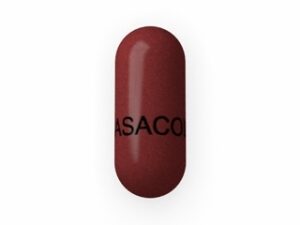
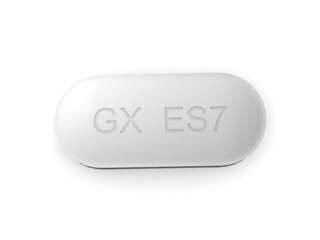
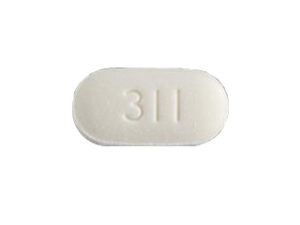

Cefuroxime (Cefuroxime axetil / Cefuroxime)
Cefuroxime is a widely used antibiotic belonging to the cephalosporin family. In the UK, it is prescribed to help treat certain bacterial infections. This page provides patient-friendly information about how cefuroxime works, typical uses, timing, food interactions, and safety considerations. Always follow the advice given by your healthcare professional and the instructions on the medicine label.
| Category | Details |
|---|---|
| Medicine type | Antibiotic (cephalosporin) |
| Common forms | Oral tablets or suspension (often as cefuroxime axetil); injectable forms may be used in healthcare settings |
| Works against | Many Gram-positive and Gram-negative bacteria (depends on local susceptibility) |
| Typical course length | Often 5–10 days depending on infection type and severity |
| Main precautions | Allergy to cephalosporins/penicillins, kidney impairment, history of severe antibiotic reactions |
| Key practical point | Finish the full course even if you feel better, unless advised otherwise |
What is Cefuroxime?
Cefuroxime is an antibiotic that targets bacteria. The specific form used matters: many outpatient regimens use cefuroxime axetil tablets or liquid, while injectable cefuroxime may be used in hospitals. Your product pack will state the exact strength and formulation.
Like all antibiotics, cefuroxime treats bacterial infections only. It does not work for viral illnesses such as common colds, influenza, or most sore throats caused by viruses.
How Cefuroxime Works (Mechanism of Action)
Cefuroxime works by interfering with the way bacteria build their cell walls. More specifically, it inhibits bacterial enzymes (often referred to as penicillin-binding proteins, PBPs) that are needed for cell-wall synthesis. Without a properly formed cell wall, bacteria cannot survive and multiply.
Cefuroxime is generally considered a bactericidal antibiotic (it kills bacteria rather than merely stopping their growth). Effectiveness depends on the susceptibility of the specific bacteria causing your infection.
Pharmacokinetics: How the Body Handles Cefuroxime
“Pharmacokinetics” describes what happens to the medicine in the body: absorption, distribution, metabolism, and elimination.
- Absorption: Cefuroxime axetil (oral) is absorbed from the gut. Food can improve absorption for certain oral strengths and formulations.
- Distribution: Cefuroxime distributes into many body tissues and fluids to reach infection sites. It may be present in respiratory tract secretions and urinary tract tissues, depending on the infection and underlying conditions.
- Elimination: The antibiotic is mainly cleared by the kidneys. If you have kidney impairment, a dose adjustment may be needed to maintain safe levels.
- Time to effect: Many people begin to feel better within 48–72 hours, though this varies by infection type and severity.
Typical Uses in the UK
Cefuroxime may be used to treat a range of bacterial infections where it is appropriate. It may be selected based on suspected bacteria, site of infection, patient factors, and local antimicrobial guidance.
Common indications (examples)
- Respiratory tract infections (for certain bacterial chest/airway infections)
- Ear, nose, and throat infections in specific circumstances
- Urinary tract infections where appropriate
- Skin and soft tissue infections caused by susceptible organisms
- Other bacterial infections as determined by healthcare professionals
The exact suitability depends on the infection and likely bacteria. If your clinician has taken a sample (for example, swab or urine culture), results may influence which antibiotic is most effective.
Indications and When Not to Use
Cefuroxime is intended for bacterial infections. It should not be used for viral illnesses. Do not use leftover antibiotics or antibiotics prescribed for someone else.
Do not take cefuroxime if you:
- Have had a serious allergic reaction to cefuroxime, other cephalosporins, or known ingredients in the product
- Have previously had a severe immediate reaction to beta-lactam antibiotics (your clinician can advise based on your history)
Speak to a clinician before use if you have:
- Kidney problems (may require dose adjustment)
- A history of allergic reactions to penicillin or cephalosporins
- A history of antibiotic-associated colitis or severe diarrhoea after antibiotics
- Gastrointestinal disease that may affect absorption or tolerance
Dosing: How Much and How Often
The correct dose of cefuroxime depends on the infection type, severity, your age, kidney function, and the specific formulation (axetil tablets/suspension or injectable cefuroxime). Your medicine label or clinician’s instructions will specify the exact schedule.
General guidance
- Follow your prescribed instructions exactly (including how many times per day and for how long).
- Try to take doses at even intervals when possible.
- Do not stop early if you feel better, unless advised.
Typical timing examples (only as an illustration)
Many oral cefuroxime courses are taken twice daily, spaced roughly 12 hours apart. Some regimens may be given more or less often depending on the clinical situation. Use your specific label as the source of truth.
Missed dose
- If you miss a dose, take it when you remember unless it is close to the next dose.
- Do not double up to make up for the missed dose.
- If you are unsure, ask a pharmacist for advice.
Timing and Food Interactions
Food can affect absorption of oral cefuroxime axetil. The guidance below is helpful, but always follow your product label and instructions from your clinician/pharmacist.
Oral cefuroxime axetil: effect of food
- Improved absorption with food: For many formulations of cefuroxime axetil, taking it with food can improve absorption and reduce variability in blood levels.
- Consistency is important: Take your doses in a consistent way relative to meals (e.g., always with food), unless told otherwise.
Alcohol and meals
While the interaction between cefuroxime and alcohol is not typically the same as the “disulfiram-like” reactions seen with some other antibiotics, alcohol may still worsen side effects such as nausea, dizziness, and diarrhoea. It’s safest to limit or avoid alcohol during treatment, especially if you feel unwell.
Alcohol and Medicine Interactions
Cefuroxime is an antibiotic, and alcohol may affect how well you tolerate treatment. There is no widely recognised requirement to avoid alcohol completely with cefuroxime, but moderation is recommended.
Potential interaction considerations
- Probiotics and diarrhoea risk: Some people experience diarrhoea with antibiotics; alcohol may aggravate this in some individuals.
- Warfarin and similar anticoagulants: Antibiotics can sometimes affect gut bacteria and vitamin K balance, which may increase bleeding tendency in certain patients. If you take an anticoagulant, your clinician may request extra monitoring (for example, INR).
- Other medicines: Most common medicines do not have major interactions with cefuroxime, but your pharmacist can check your specific combination.
If you are unsure whether your other medicines may interact with cefuroxime, seek advice from a healthcare professional or check with a pharmacist.
Safety Profile: Side Effects and Warnings
Like all medicines, cefuroxime can cause side effects. Not everyone gets them, and many are mild and temporary. If you experience severe symptoms or signs of allergy, seek urgent medical help.
Common side effects
- Diarrhoea (sometimes mild)
- Nausea or stomach upset
- Abdominal discomfort
- Headache in some people
Less common but important effects
- Skin reactions such as rash or itching
- Yeast infections (e.g., oral thrush or vaginal thrush) due to changes in normal flora
- Raised liver enzymes or changes seen on blood tests (usually monitored if needed)
Seek urgent help if you have signs of allergy
Contact emergency services or seek urgent medical attention if you develop symptoms such as:
- Swelling of the face, lips, tongue, or throat
- Difficulty breathing or wheezing
- Severe rash or hives
- Fainting or feeling very unwell
Antibiotic-associated diarrhoea and colitis
Antibiotics can sometimes cause inflammation of the colon. Seek medical advice promptly if you have:
- Severe diarrhoea
- Diarrhoea with blood or mucus
- Fever or significant abdominal pain
Safety in kidney impairment
Because cefuroxime is cleared mainly by the kidneys, people with reduced kidney function may require a dose adjustment. Your clinician or pharmacist can advise based on kidney function tests.
Practical Use Tips (How to Get the Best Results)
- Complete the course: Even if you feel better, stopping early can allow infection to return or worsen.
- Take with the right food timing: Follow the instructions for taking it with meals to help absorption (for many cefuroxime axetil products, taking with food is recommended).
- Use a routine: Setting alarms can help you remember twice-daily doses.
- Stay hydrated: If you experience mild stomach upset, drink fluids regularly.
- Consider supportive measures: For diarrhoea, discuss hydration and suitable products with a pharmacist.
- Watch for lack of improvement: If symptoms do not start to improve within 48–72 hours (or worsen), contact your healthcare professional.
What to Expect During Treatment
Many bacterial infections begin improving within a couple of days. If your symptoms are not improving, it may mean the infection is not bacterial, the bacteria are resistant, or an alternative diagnosis applies.
If you develop new or worsening symptoms, do not simply stop or switch antibiotics on your own—speak with your clinician or pharmacist.
Alternative Options (Discuss With Your Healthcare Professional)
The “best” antibiotic depends on the infection and the likely bacteria. Alternatives may include other cephalosporins, penicillin-based antibiotics, macrolides, or other agents depending on allergy history and local resistance patterns.
Examples of alternatives
- Amoxicillin or similar penicillins (when appropriate and not contraindicated)
- Co-amoxiclav for certain infections where beta-lactamase producing bacteria are suspected
- Clarithromycin / Azithromycin in specific respiratory infections or for patients with penicillin allergy (depends on local guidance)
- Other cephalosporins if cefuroxime is unsuitable
Your pharmacist or prescriber can advise which alternative is suitable for your specific condition and medical history.
Market and Legal Context in the UK
In the United Kingdom, antibiotics are regulated medicines. Cefuroxime is supplied through licensed channels and is used in line with national antimicrobial stewardship principles. In clinical practice, antibiotic choice and duration are guided by evidence-based recommendations and local resistance patterns.
Antibiotic stewardship aims to reduce unnecessary antibiotic use and help limit antimicrobial resistance. This includes using antibiotics only when they are likely to benefit patients and selecting appropriate agents and durations.
Recent Guidance and Stewardship Notes
UK antimicrobial guidance continues to emphasise:
- Appropriate indications: antibiotics should be used when bacterial infection is likely.
- Right drug, right dose, right duration: minimising duration when clinically appropriate.
- Local resistance awareness: clinicians may use local formularies and microbiology guidance.
- Review when needed: if there is no improvement or if tests suggest a different cause, antibiotic choice may change.
Guidance is updated over time; your clinician/pharmacist can provide the most current information relevant to your infection type.
Delivery and Availability (UK Online Pharmacy)
Cefuroxime availability depends on the product strength, formulation (tablet or suspension), and whether it is currently in stock with our suppliers. We aim to dispatch orders promptly in line with UK delivery standards and carrier schedules.
Delivery expectations
- Dispatch: Typically occurs quickly after order processing (exact times may vary).
- Packaging: Medicines are supplied in original manufacturer packaging where possible.
- Tracking: Some orders may include tracking or delivery confirmation.
- Availability issues: If stock is limited, we may communicate options such as alternative strengths or timing.
For the most accurate lead times, please check the delivery information shown at checkout or contact customer support.
FAQ
1) What infections does cefuroxime treat?
Cefuroxime is used for certain bacterial infections such as some respiratory, ear/nose/throat, urinary, and skin infections—depending on the suspected bacteria, your medical history, and local antimicrobial guidance.
2) How quickly should I feel better?
Many people notice improvement within 48–72 hours. If you are not improving, or if your symptoms worsen at any time, contact a healthcare professional promptly.
3) Should I take cefuroxime with food?
For many oral formulations of cefuroxime axetil, taking it with food helps absorption. Follow the instructions on your product label or the advice you were given.
4) Can I drink alcohol while taking cefuroxime?
Alcohol is not typically subject to a strict prohibition with cefuroxime, but it may worsen side effects like nausea or diarrhoea. If you feel unwell, it is best to avoid or limit alcohol during treatment.
5) Can cefuroxime be taken with other medicines?
Often yes, but interactions can occur. If you take an anticoagulant (such as warfarin) or any other regular medication, ask your pharmacist to check the safety of your specific combination.
6) What should I do if I miss a dose?
Take it when you remember unless it is close to the next dose. Do not take a double dose. If you are unsure, ask a pharmacist.
7) Are there any allergy concerns?
Cefuroxime is a beta-lactam antibiotic. Do not use it if you have had a severe allergic reaction to cefuroxime or other cephalosporins. If you have a penicillin allergy history, discuss this with a clinician or pharmacist.
8) Is cefuroxime safe in pregnancy or breastfeeding?
Cefuroxime may be considered in pregnancy or breastfeeding when the benefits outweigh the risks. Discuss your situation with a healthcare professional to determine the safest option for you.
9) What side effects are most common?
Common side effects include diarrhoea, nausea, and stomach upset. Seek medical advice urgently for severe diarrhoea, blood in stool, or signs of allergy.
10) Can I stop cefuroxime early if I feel better?
Generally, you should complete the full course unless advised otherwise. Stopping early can allow infection to return or make it harder to treat later.
Important Note
This information is intended for general guidance and does not replace individual medical advice. If you have questions about your course, side effects, or suitability, speak to a qualified healthcare professional or pharmacist.