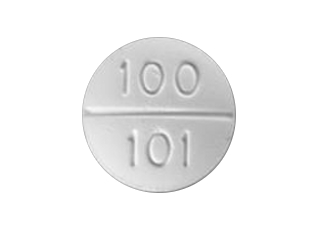


Dapsone (Diaminodiphenyl sulfone) – Patient Guide (UK)
Dapsone (also known by the brand name Diaminodiphenyl sulfone in some markets) is an antibiotic and anti-inflammatory medicine used for selected conditions, including certain infections and several skin disorders. This guide explains how it works, how it is taken, what to expect, and important safety information for people in the United Kingdom.
Always follow the advice provided by your healthcare professional and the patient information leaflet that comes with your medicine.
Basic product information
| Category | Details |
|---|---|
| Medicine | Dapsone (Diaminodiphenyl sulfone) |
| What it does | Antimicrobial and anti-inflammatory effects |
| Common forms | Tablets (strength varies by product) |
| Typical setting | Used for long-term control in some conditions, and short-to-medium courses in others |
| Important monitoring | Blood tests may be needed (e.g., blood counts, liver function, methemoglobin/sulphhaemoglobin if indicated) |
| Where it’s used | UK clinical practice for specific indications |
How Dapsone works (mechanism of action)
Dapsone has both antimicrobial and anti-inflammatory properties.
- Antimicrobial action: Dapsone interferes with the production of essential bacterial substances (it affects folate pathways in susceptible organisms), which helps control specific infections.
- Anti-inflammatory action: In some skin and immune-related conditions, Dapsone reduces inflammation and helps stabilise abnormal immune activity. This is one reason it may be used in certain dermatological conditions even when direct antibiotic killing is not the primary goal.
Because it can take time for inflammation to settle and for immune-related symptoms to improve, benefit is often gradual rather than immediate.
Pharmacokinetics (how the body handles it)
“Pharmacokinetics” describes what happens after you take Dapsone: absorption, distribution, metabolism, and elimination.
- Absorption: Dapsone is absorbed from the gut after oral dosing. Absorption can vary between individuals, and taking it regularly helps maintain steady levels.
- Distribution: It distributes into body tissues and can accumulate with repeated dosing.
- Metabolism: Dapsone is metabolised primarily in the liver into active and inactive metabolites.
- Half-life: It has a relatively long half-life, which supports once-daily (or sometimes divided) dosing schedules depending on the indication.
- Elimination: The medicine and its metabolites are removed from the body mainly through metabolism and excretion pathways (including urine).
Due to its long-lasting effects, side effects and blood abnormalities may also evolve over time, which is why monitoring is important.
Typical uses and indications
Dapsone is used for selected conditions where its benefits outweigh risks. In the UK, your healthcare team may consider it for:
- Leprosy (Hansen’s disease) – as part of specific multi-drug regimens where appropriate.
-
Dermatological conditions – including:
- Dermatitis herpetiformis (a gluten-sensitive condition)
- Some chronic inflammatory skin disorders under specialist care
- Other infection-related or immune-related indications – depending on clinical judgement and local practice.
If Dapsone is recommended for a skin condition such as dermatitis herpetiformis, it may be used while dietary changes are established. Dietary management (e.g., gluten-free diet in dermatitis herpetiformis) remains important even if symptoms improve on Dapsone.
Timing: when to take Dapsone and how long it takes to work
Timing can vary by dose and the condition being treated. In general:
- Take it at the same time(s) each day to keep drug levels steady.
- With or without food: You can usually take Dapsone with water and follow the instructions on your label. If your medicine causes stomach upset, many people find taking it with food helps.
- Expect gradual improvement: For inflammatory skin conditions, noticeable improvement may take days to weeks. For some infections, improvement is often earlier but still requires the full course or planned duration.
If you miss a dose, do not double up without advice. Follow the guidance in your leaflet or contact a healthcare professional/pharmacist for tailored advice.
Food interactions
Dapsone is not generally known for major interactions with food. However, individual tolerance matters.
- Consistency is helpful: Try to take Dapsone the same way each day (either always with food or always on an empty stomach) if your prescriber/pharmacist has not specified otherwise.
- Gluten-related conditions: If you are taking Dapsone for dermatitis herpetiformis, continuing the recommended diet is essential. Dapsone can control symptoms but does not replace dietary treatment.
If you have dietary restrictions due to another condition (e.g., kidney disease, liver disease, malnutrition), ask your healthcare team. These situations can influence how safely you can take Dapsone and how well you tolerate it.
Alcohol and medicine interactions
Dapsone can affect the blood and the liver, so alcohol should be used cautiously.
Alcohol
- Limit or avoid alcohol if you have liver problems or if you notice side effects such as nausea or fatigue after starting Dapsone.
- Alcohol may increase the risk of liver irritation and may worsen nausea, dizziness, or tiredness.
Medicine interactions
Several medicines may increase the risk of serious blood effects (such as methemoglobinaemia) or raise toxicity risk. Tell your pharmacist or healthcare professional about all medicines you take, including over-the-counter products and supplements.
Particularly important to mention before starting Dapsone:
- Other medicines that can affect blood oxygen levels or red blood cells
- Medicines that increase liver workload
- Medicines that influence folate (your clinician may monitor relevant blood markers)
- Potential interacting antibiotics/antimalarials and certain anti-inflammatories
If you are unsure whether a medicine interacts with Dapsone, ask a pharmacist. It is safer to check than to guess.
General dosing information (how much is taken)
Dosing depends on the condition being treated, your age, overall health, and how you respond. For safety, dosing schedules may differ between indications. Always use your labelled dose.
- Specialist-led dosing: Many Dapsone regimens require careful adjustment and monitoring.
- Start low, increase cautiously (if appropriate): Some patients begin at a lower dose to reduce risk of side effects and then adjust as needed under supervision.
- Long-term therapy considerations: Because Dapsone may be used over months for certain skin conditions, clinicians will typically schedule regular blood tests and review symptoms.
In the UK, your prescriber will follow established guidance and local protocols. If you have kidney or liver impairment, the dose may need adjustment.
Safety profile: important risks and who needs extra caution
Like all medicines, Dapsone can cause side effects. Many are mild, but some are serious and require urgent attention. Below is a patient-friendly overview.
Common or expected side effects
- Stomach upset (nausea, abdominal discomfort)
- Headache
- Dizziness or tiredness
- Skin dryness or rash
Serious side effects (seek urgent medical help)
If you experience any of the following, contact urgent care/emergency services or seek immediate medical advice.
- Breathlessness, chest discomfort, or bluish/grey skin or lips (possible methemoglobinaemia or other blood-related issues)
- High fever, widespread rash, severe sore throat, mouth ulcers, or feeling very unwell (possible serious hypersensitivity or blood disorders)
- Yellowing of the skin/eyes (jaundice), dark urine, or severe fatigue (possible liver involvement)
- Unusual bleeding or bruising, or persistent infections (possible blood count changes)
Who needs extra caution
You should discuss your history with a clinician/pharmacist if you have any of the following:
- Glucose-6-phosphate dehydrogenase (G6PD) deficiency or known blood disorders
- Liver disease or previous abnormal liver function tests
- History of methemoglobinaemia or significant blood-related reactions
- Pregnancy or breastfeeding (risk-benefit assessment is essential)
- Older age or frailty, where monitoring needs may be higher
The need for blood tests is not “optional” with Dapsone—monitoring is an important part of safe use.
Practical use tips for patients
- Know your monitoring plan: Keep all scheduled blood tests (often including full blood count and liver function tests). Ask your clinician how frequently you should be reviewed.
- Report symptoms early: Don’t wait for your next appointment if you develop breathlessness, fever, rash, jaundice, severe fatigue, or unusual bleeding.
- Take consistently: Use a daily routine, and consider a pill organiser or phone reminder.
- Keep a symptom diary: If using Dapsone for skin disease, noting flare frequency and severity can help your clinician decide whether the dose is right.
- Avoid unplanned supplements: Some supplements can affect blood or liver function. Check first if you’re unsure.
If you have dermatitis herpetiformis, remember that Dapsone controls symptoms while a gluten-free diet helps treat the underlying cause. Many patients need both for the best long-term outcome.
Alternative options
Alternatives depend strongly on the condition being treated. Commonly discussed alternatives (depending on the diagnosis and severity) may include:
For dermatitis herpetiformis and related skin conditions
- Gluten-free diet (core treatment; may reduce the need for medication over time)
- Other medicines that specialists may use if Dapsone is not suitable or not tolerated
- Topical therapies for symptom relief in some cases
For infections such as leprosy
- Multi-drug regimens tailored by specialist services according to current protocols
- Supportive treatments for reactional states, as needed
Your prescriber will select options based on effectiveness, safety, your medical history, and any available local or national guidance. If Dapsone causes side effects or isn’t effective, tell your clinician promptly—there are usually ways to adjust the plan.
Market and legal context for the United Kingdom
In the UK, Dapsone is an established medicine used in defined clinical situations. Medicines are regulated by the Medicines and Healthcare products Regulatory Agency (MHRA) and must meet quality, safety, and labelling standards. Availability can vary by strength and manufacturer.
Clinical use is also influenced by:
- National guidance (for example, dermatology and infectious disease recommendations)
- Specialist protocols and local formularies
- Safety monitoring requirements due to blood and liver risks
Because of safety considerations, Dapsone use often requires structured follow-up and blood tests. Your healthcare team will ensure the benefits of treatment outweigh the risks for you personally.
Recent guidance and clinical updates (high-level)
While individual recommendations depend on your diagnosis, UK clinical practice continues to emphasise:
- Careful baseline assessment (including history of blood disorders such as G6PD deficiency)
- Ongoing blood monitoring during treatment, especially during dose changes or early therapy
- Prompt recognition of hypersensitivity and blood-related complications
- Gluten-free diet adherence when Dapsone is used for dermatitis herpetiformis
If you want the most current information relevant to your condition, ask your clinician or pharmacist for the latest advice and local follow-up schedule.
Delivery and availability in the UK
Availability of Dapsone products may vary depending on manufacturer and strength. In an online pharmacy setting, stock can change, and some orders may take longer if a product is temporarily unavailable.
- Typical delivery times: Many online pharmacies dispatch quickly when stock is available; exact times depend on location and courier.
- Tracking: Orders may include tracking once dispatched.
- Substitution: If an exact brand/strength is unavailable, pharmacies may offer an equivalent option only where allowed by UK medicine supply rules.
If you need Dapsone for a time-sensitive condition, it can help to order early and keep a buffer supply where medically appropriate. Ask your pharmacist if delayed supply could affect your treatment plan.
FAQ (Frequently asked questions)
1) How soon will Dapsone start working?
It depends on the condition. For inflammatory skin disorders, improvement may take days to weeks. For infections, early improvement can occur, but completing the planned regimen is important. If you do not see expected improvement, contact your clinician rather than stopping suddenly.
2) Can I stop Dapsone when my symptoms improve?
Don’t stop without medical advice. Stopping early can lead to relapse or worsening, especially for chronic inflammatory conditions. For dermatitis herpetiformis, the gluten-free diet remains central to long-term control.
3) Do I need blood tests while taking Dapsone?
Yes, monitoring is a key safety measure. Blood tests are used to detect changes in blood counts and to check for liver-related problems. Your clinician will tell you how often you need tests.
4) What should I do if I miss a dose?
Follow the instructions in your leaflet or ask your pharmacist. In general, if you remember soon after the scheduled time, you may take it. If it is near the time for the next dose, skip the missed dose—do not take a double dose.
5) Is it safe to take Dapsone with other medicines?
Not always. Some medicines can increase the risk of blood-related side effects or liver stress. Tell your pharmacist about all products you take, including over-the-counter medicines and supplements.
6) Can I drink alcohol while taking Dapsone?
Alcohol should be limited, especially if you have liver issues or experience side effects. If you’re unsure, ask your pharmacist for personalised advice.
7) Are there dietary tips I should follow?
For dermatitis herpetiformis, continue the recommended gluten-free diet. For other conditions, maintain a balanced diet and stay hydrated. If you have restrictions (e.g., liver disease, kidney disease), ask your clinician about any dietary adjustments.
8) What are the warning signs that mean I should seek urgent help?
Seek urgent medical advice if you develop breathlessness, chest pain, bluish skin/lips, fever with severe rash or mouth ulcers, jaundice (yellow skin/eyes), severe fatigue, or unusual bleeding.
9) Who should not take Dapsone (or should discuss it first)?
People with certain blood disorders (such as G6PD deficiency) or significant liver disease need special assessment. Pregnancy and breastfeeding also require a careful risk-benefit discussion.
10) Are there alternatives if I can’t tolerate Dapsone?
Yes, depending on your diagnosis. Alternatives may include dietary measures (for dermatitis herpetiformis) and other specialist-led treatments. Discuss side effects with your clinician promptly.
Summary
Dapsone is a medicine with both antimicrobial and anti-inflammatory actions used for selected conditions in the UK. It can be effective, but safe use depends on appropriate dosing and regular monitoring, because it can affect blood cells and the liver. If you notice symptoms such as breathlessness, fever with rash, jaundice, or unusual bleeding, seek urgent medical advice.
For the safest experience, take Dapsone consistently, attend planned blood tests, and check with your pharmacist before starting any new medicine or supplement.