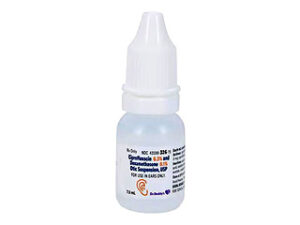
Ciloxan (Ciprofloxacin) — Patient Information (UK)
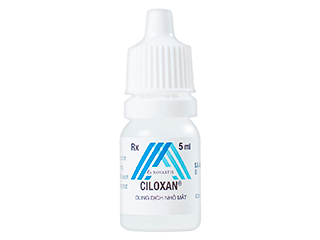
Ciloxan is a brand name for ciprofloxacin, an antibiotic medicine belonging to the fluoroquinolone group. It is used to treat certain bacterial infections, most commonly as an eye medicine (Ciloxan eye drops/ointment). This page explains what Ciloxan is, how it works, how it is typically used, key safety information, and practical tips for getting the best results.
This information is intended to be patient-friendly and helpful for people in the United Kingdom. Always follow the instructions supplied with your medicine and any healthcare guidance you receive.
Basic product information
- Medicine name: Ciloxan
- Active ingredient: Ciprofloxacin
- Medicinal class: Fluoroquinolone antibiotic
- Common forms: Eye drops and eye ointment (depending on the product you have)
- Typical use: Eye infections caused by susceptible bacteria
- Where available: UK pharmacy supply (availability depends on the specific formulation)
What is ciprofloxacin and how does it work?
Mechanism of action
Ciprofloxacin works by interfering with bacterial DNA. It targets enzymes that bacteria need to copy and repair their genetic material: DNA gyrase and topoisomerase IV.
- Result: Bacterial growth stops and bacteria are killed (or unable to multiply).
- How well it works: It is active against a range of bacteria, but it will not treat infections caused by viruses (such as most colds) or fungi.
Important note on bacterial resistance
Like all antibiotics, ciprofloxacin should be used appropriately. Using it when it is not needed, or stopping too early, can increase the chance that bacteria become resistant. This can make future infections harder to treat.
Pharmacokinetics (what the body does with it)
Pharmacokinetics describes how the body absorbs, distributes, metabolises and excretes a medicine. For eye formulations, the amount that reaches the bloodstream is generally low, especially when used correctly.
- Absorption: Eye drops may be partially absorbed through the tissues of the eye. Some may drain through the tear duct into the nose and be swallowed, but systemic absorption is typically limited.
- Distribution: Most of the medicine stays in and around the eye tissues where it is needed.
- Metabolism: Ciprofloxacin is metabolised to some extent in the body.
- Elimination: Most of the drug and metabolites are eliminated, mainly via the kidneys.
If you have kidney problems, it is particularly important to follow healthcare guidance; however, systemic exposure from eye use is usually low.
What is Ciloxan used for?
Ciloxan is used to treat eye infections that are caused by bacteria known or likely to be susceptible to ciprofloxacin. Common examples include:
- Bacterial conjunctivitis (infective “pink eye” where bacterial infection is suspected)
- Infections affecting the eyelids or surrounding tissues, as advised by a clinician
- Corneal infections (where appropriate for ciprofloxacin and under medical direction)
Ciloxan is not used for viral eye infections and will not relieve symptoms caused by allergies. If symptoms are severe, worsening, or associated with significant pain or light sensitivity, urgent assessment is important.
When to use it (timing and course length)
Timing depends on the exact infection and the formulation (drops vs ointment). Follow the dosing schedule provided with your product.
General guidance on timing
- Space out doses evenly during waking hours where possible.
- Complete the course even if symptoms improve, unless advised otherwise.
- If you miss a dose, take it as soon as you remember. If it is near the time for the next dose, skip the missed dose and continue as scheduled.
Do not double up to make up for a missed dose unless instructed by a healthcare professional.
Food interactions
For eye formulations, food interactions are generally not a major issue because systemic absorption is low. However, if you are taking ciprofloxacin for other routes (for example, tablets or other medicines containing ciprofloxacin), food can affect absorption.
If you are taking ciprofloxacin by mouth (tablets)
- Dairy products and mineral-containing drinks may reduce absorption when taken close together.
- Antacids or medicines containing iron, zinc or magnesium can also interfere.
For eye use, follow your product instructions. If you are unsure whether your other medicines involve interactions, speak to a pharmacist.
Alcohol and medicine interactions
Alcohol
For eye-only use, alcohol interactions are unlikely to be clinically important. However, if you are also taking other forms of ciprofloxacin or other interacting antibiotics, avoiding or minimising alcohol is often sensible.
If you feel unwell, dizzy, or have side effects, it is better to avoid alcohol and seek advice.
Common interactions to be aware of (especially if you take ciprofloxacin tablets)
Ciprofloxacin can interact with other medicines when taken systemically. This is less likely with eye drops, but it’s still useful to know.
- Warfarin and other anticoagulants: may increase bleeding tendency (more relevant with oral ciprofloxacin).
- Some heart rhythm medicines (QT-prolonging drugs): may increase risk of rhythm changes (clinical risk depends on combination).
- Theophylline: levels may rise with some antibiotics.
- Caffeine: some people report increased caffeine effects with certain antibiotic combinations.
- Magnesium/aluminium antacids and supplements: may reduce effectiveness when taken orally.
If you are using any medicines long-term or have complex medical conditions, ask your pharmacist to check interactions.
Indications: who should use it and when?
Ciloxan is intended for bacterial eye infections only. It is typically used when a clinician suspects or confirms bacteria, or when bacterial infection is considered likely based on symptoms.
Typical indications may include:
- Bacterial conjunctivitis with signs such as discharge and eyelids sticking together on waking
- Infections affecting the cornea or other parts of the eye, where appropriate and guided
- Some localised bacterial infections around the eye area, as advised
Seek urgent advice if you have:
- Severe eye pain
- Sudden or worsening vision changes
- Significant light sensitivity
- Injury to the eye, or suspected foreign body
- Use of contact lenses with painful redness
- Symptoms that rapidly worsen or do not start to improve within a few days
Dosing (how much and how often?)
The exact dose varies by the formulation and the type/severity of infection. Always follow the instructions provided with your Ciloxan product. Below is general information to help you understand typical schedules.
Typical use for eye infections (general examples)
Many ciprofloxacin eye regimens are started relatively frequently at first, then reduced as the infection improves. Your product label may instruct a schedule such as:
- Often used multiple times daily initially
- Ointment may be used at night or less frequently depending on the prescriber’s plan
| Formulation | Typical pattern (examples) | General notes |
|---|---|---|
| Eye drops | May be used several times per day initially, then reduced | Shake if required by the product instructions. Keep the bottle tip clean. |
| Eye ointment | Often used 1–3 times per day, sometimes with night-time dosing | May blur vision temporarily. Apply carefully to the lower eyelid. |
If you tell your pharmacist which exact Ciloxan product you have (drops/ointment and strength, if shown on the box), they can help you interpret the dosing instructions for that specific medicine.
How to use Ciloxan safely and effectively (practical tips)
Step-by-step eye drop technique
- Wash your hands with soap and water.
- Avoid touching the dropper tip to the eye, eyelids, or surrounding skin.
- Look slightly upwards, gently pull down the lower eyelid to make a small pocket.
- Place the prescribed number of drops into the eye pocket.
- Close your eye and keep it closed for about 1–2 minutes.
- Optional: press lightly on the inner corner of the eye (near the nose) for 1 minute to reduce drainage into the nose.
- Wipe away excess with clean tissue, then wash your hands again.
Step-by-step eye ointment technique
- Wash hands.
- Gently pull down the lower eyelid.
- Squeeze a small ribbon of ointment into the pocket. (Use the amount stated on the product instructions.)
- Close the eye for a minute. The ointment may blur vision.
- Wipe away excess and wash hands.
Contact lenses
If you wear contact lenses, it is usually recommended to remove them before using antibiotic eye drops/ointment. Do not reinsert until the infection has improved and you have been advised it is safe. Continuing to wear contacts during an infection can slow healing and increase risk of complications.
Concomitant eye medicines
If you are using more than one eye product (such as lubricating drops), space them out by at least 5–10 minutes, unless your pharmacist advises otherwise. Ointment is typically applied last.
Hygiene and preventing spread
- Do not share towels, eye makeup, or contact lens cases.
- Wash hands frequently, especially if others in the household develop symptoms.
- Replace eye makeup after the infection resolves.
Safety profile: common and serious side effects
Most people tolerate ciprofloxacin eye products well. However, like all medicines, Ciloxan can cause side effects.
Common side effects
- Mild stinging or burning after application
- Redness or mild irritation
- Temporary blurred vision (especially with ointment)
- Watery eyes
- Unpleasant taste (drops may drain through the tear duct)
Less common but important side effects
- Allergic reactions (itching, swelling, worsening redness)
- Severe eye discomfort or worsening symptoms after initial improvement
Seek urgent medical advice if you develop
- Severe pain, marked light sensitivity, or sudden vision changes
- Rapidly worsening swelling or redness
- Symptoms of a serious allergic reaction such as facial swelling, difficulty breathing, or widespread rash
Driving and using machinery
If your vision becomes blurred after applying ointment or drops, avoid driving or operating machinery until your sight clears.
Who should take extra care?
Discuss use with a pharmacist or clinician if any of the following apply:
- History of allergy to ciprofloxacin or other fluoroquinolones, or to any ingredient in the product
- Severe kidney disease or other significant medical conditions (more relevant for oral forms)
- Use in children (dose and suitability depend on the specific product and clinical assessment)
- Eye trauma, suspected foreign body, or contact lens–related pain
Stopping treatment and follow-up
Do not stop early because symptoms improve. If symptoms do not start to improve within the expected time (often within a few days), or if they worsen at any point, seek advice promptly.
Alternative options
Depending on the infection and local guidance, different antibiotic or non-antibiotic treatments may be considered. Alternatives can include:
- Other topical antibiotics used for bacterial eye infections (choice depends on likely organisms and resistance patterns)
- Supportive care (for example, lubricating drops) if appropriate for symptom relief
- Antiviral or antifungal medicines if the cause is not bacterial (determined by clinician assessment)
The best option depends on your symptoms, exam findings, and any risk factors such as contact lens use.
Market and legal context in the UK
Ciloxan is an authorised medicine in the United Kingdom and is supplied through community pharmacies and other licensed channels. UK availability and product packaging can vary by formulation (drops vs ointment).
In the UK, antibiotic use is supported by public health efforts to reduce antibiotic resistance. People are encouraged to use antibiotics only when indicated for bacterial infection and to follow dosing instructions carefully.
Recent guidance (UK context)
Guidance for eye conditions emphasises:
- Right diagnosis: distinguishing bacterial infection from viral or allergic causes.
- Appropriate antibiotic choice: selecting treatment compatible with likely bacteria and resistance.
- Safety and escalation: seeking urgent assessment for red flags such as eye pain, vision changes, or contact lens involvement.
Local protocols may differ, but the overall emphasis remains consistent: start treatment where bacterial infection is likely, reassess if not improving, and avoid unnecessary antibiotic use.
Delivery and availability (UK)
Online pharmacies in the UK may offer delivery for Ciloxan subject to product availability, regional distribution, and fulfilment rules. Availability depends on the specific formulation and strength.
What to expect with delivery
- Dispatch times: vary by supplier and stock levels.
- Packaging: medicines are typically delivered in protective packaging to prevent damage.
- Tracking: many orders include tracking for transparency.
- Storage on arrival: store according to the product label (typically at controlled room temperature; avoid extremes of heat).
Check the product page for current delivery options and any age or identification requirements where applicable.
FAQ — Common questions about Ciloxan
1) How quickly will Ciloxan work?
Many people notice improvement within 1–3 days. If there is no improvement after a few days, or if symptoms worsen, you should seek advice promptly to confirm the diagnosis and treatment approach.
2) Can I use Ciloxan if my eye problem might be allergy?
Ciloxan treats bacterial infections. Allergies usually do not respond to antibiotics. If your symptoms are mainly itching and watery eyes without sticky discharge, allergy may be more likely. A pharmacist or clinician can help you assess.
3) What if I wear contact lenses?
You should remove contact lenses during treatment and avoid wearing them until your eye has healed and it’s safe to restart. Contact lens–related eye pain is a red flag—seek prompt advice.
4) Is Ciloxan safe for children?
Some ciprofloxacin eye products may be used in children, but the suitability and dosing depend on age and the specific condition. Follow the dosing instructions on the product you have and ask a pharmacist if you’re unsure.
5) Can I use makeup or swim while using Ciloxan?
Avoid eye makeup while infected and replace it afterwards. Swimming should generally be avoided until your eye improves, because water exposure can increase irritation and contamination risk.
6) Should I stop when my symptoms improve?
Generally, you should complete the course unless you are told to stop. Stopping early can allow bacteria to persist and symptoms may return.
7) Will Ciloxan affect my driving?
Eye ointment can blur vision temporarily. If your vision is blurred, do not drive or operate machinery until it clears.
8) Can I take other medicines at the same time?
Many medicines can be taken alongside Ciloxan eye products. If you are using other eye drops or ointments, space them out by at least 5–10 minutes unless advised otherwise. If you take tablets or other systemic medicines, ask a pharmacist about interactions.
9) What should I do if the drop/ointment touches my eye more than expected?
This is usually not a problem. Avoid touching the tip to the eye to reduce the chance of contamination. If contamination is suspected (for example, the tip touches the eyelashes or skin), contact a pharmacist for advice.
10) Are antibiotics like Ciloxan effective against all eye infections?
No. Antibiotics work only for bacterial infections. Viral, allergic, and other causes require different treatment. For severe or worsening symptoms, prompt assessment is important.
Summary
Ciloxan (ciprofloxacin) is a topical antibiotic used for certain bacterial eye infections. It works by disrupting bacterial DNA and is typically applied several times daily depending on the product and the infection severity. For best results, use it correctly, keep dosing times consistent, and complete the course. Seek urgent advice if you experience severe pain, vision changes, or symptoms that do not improve within a few days.