
Ciprodex (Ciprofloxacin / Dexamethasone) Ear Drops – Patient Information (UK)
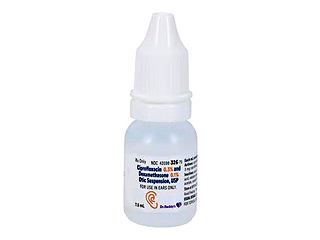
Ciprodex is an antibiotic and anti-inflammatory medicine used to treat certain ear conditions where there is both bacterial infection and inflammation. It contains:
- Ciprofloxacin – an antibiotic (fluoroquinolone) that helps kill bacteria
- Dexamethasone – a corticosteroid that reduces swelling, redness, and pain
This page explains what Ciprodex is, how it works, how to use it safely and effectively, and what to expect in terms of side effects and interactions. If you are unsure whether Ciprodex is right for your condition, ask a healthcare professional for advice.
Basic product information
| Item | Typical details |
|---|---|
| Medicine name | Ciprodex |
| Active ingredients | Ciprofloxacin + Dexamethasone |
| Form | Ear drops (ototopical) |
| Main purpose | Treats bacterial ear infection with inflammation |
| Where used | Ear (external ear canal; sometimes after ear procedures as advised) |
Important: Ciprodex is intended for use in the ear only. Do not use it in the eye or elsewhere unless specifically instructed.
How Ciprodex works
1) Ciprofloxacin (antibiotic)
Ciprofloxacin belongs to the fluoroquinolone group. It acts by interfering with bacterial DNA processes that are required for bacteria to grow and multiply. In practical terms, this helps stop the infection from worsening and allows the body to clear it.
2) Dexamethasone (corticosteroid)
Dexamethasone is a corticosteroid that reduces inflammation. In an ear infection, inflammation can cause pain, swelling, itching, and a blocked or uncomfortable feeling in the ear canal. By reducing inflammation, dexamethasone helps relieve symptoms more quickly while the antibiotic treats the underlying bacterial cause.
Combined benefit: Ciprodex treats both the infection (ciprofloxacin) and the inflammation (dexamethasone), which can improve comfort and healing.
Mechanism of action (detailed, patient-friendly)
- Ciprofloxacin targets bacterial enzymes involved in DNA replication (commonly described as DNA gyrase and topoisomerase), leading to bacterial death or preventing bacterial growth.
- Dexamethasone works by calming inflammatory pathways, which can reduce swelling and symptom severity.
Pharmacokinetics (how the body handles the medicine)
Pharmacokinetics describes absorption, distribution, metabolism, and elimination. With ear drops, exposure to the bloodstream is generally much lower than with many oral medicines. However, some absorption can occur, particularly if the ear drum is perforated or if there is significant inflammation.
- Absorption: Most of the medicine remains in the ear canal and acts locally. Systemic absorption (into the bloodstream) is usually limited.
- Metabolism and elimination: Any absorbed drug is processed and removed by the body (primarily via normal drug handling pathways). The extent depends on the condition of the ear and how much can enter the middle ear.
- Practical meaning: Because Ciprodex is mainly used locally, most people experience side effects limited to the ear. Nevertheless, it’s still important to use it correctly and not longer than advised.
Typical uses in the UK
Ciprodex is used for ear infections that involve both bacteria and inflammation, particularly:
- Otitis externa (inflammation and infection of the outer ear canal), especially when inflammation is pronounced
- Infected ear conditions where a combined antibiotic and steroid approach is beneficial
Clinicians may also consider it in specific scenarios, such as after certain ear procedures, when the ear canal is inflamed and infection is suspected or confirmed. Use always depends on the exact ear problem and examination findings.
Not for all ear pain: Ear pain can have many causes (such as viral illness, fluid behind the eardrum, wax blockage, skin conditions, or middle ear infections). Ciprodex is best when infection and inflammation are appropriate targets.
When to start and timing of doses
How quickly it can help
Many people notice symptom relief (less pain, less swelling, reduced discharge) within a couple of days, but you should continue the full course as directed to fully clear the infection.
General timing guidance
- Use the drops at the times advised for your course.
- Try to keep doses evenly spaced across the day.
- If you miss a dose, apply it when you remember unless it is close to the next scheduled dose—then skip the missed dose and continue as normal.
Consistency matters: In ear drops, correct technique and regular dosing can make a significant difference to results.
How to use Ciprodex (practical tips)
Follow local instructions and the dose schedule provided by your healthcare professional. Below are common practical steps that help improve the chance the drops reach the affected area.
Step-by-step instructions
- Wash your hands before and after using the drops.
- Warm the bottle in your hand for a few minutes if the drops are cold—this may reduce discomfort.
- Position your head: tilt the affected ear upward.
- Apply drops: gently pull the outer ear to straighten the ear canal:
- Adults and older children: gently pull the ear up and back
- Young children: gently pull the ear down and back
- Keep position: stay with the ear tilted for about several minutes to help the drops move into the canal.
- Wipe excess carefully with clean tissue.
- Do not insert objects into the ear to “help” the drops—this may worsen irritation.
If there is discharge or debris
Drainage or thick debris can prevent the drops reaching the infected tissue. A clinician may recommend cleaning (in a safe manner) before treatment. Do not attempt deep cleaning yourself.
Contact lenses and glasses
These are not directly relevant to ear drops, but keep the bottle and nozzle clean to avoid contamination.
Food interactions
Because Ciprodex is used in the ear and works locally, food interactions are not expected to be clinically significant. Still, if you are using other medicines for related conditions (such as pain relief or infections), check those medications for possible interactions.
Practical advice: You can generally take food and drink as normal while using Ciprodex unless your clinician has advised otherwise for another reason.
Alcohol and medicine interactions
Ciprodex ear drops are not typically associated with direct alcohol interactions in the way some systemic antibiotics can be. However, alcohol may worsen dehydration and may reduce sleep quality, which can affect recovery from infections.
- Avoid heavy alcohol intake while you are unwell.
- If you are taking additional medicines (for example, painkillers or oral antibiotics), check those specific interactions.
Seek advice if you have liver disease, are taking multiple medicines, or have concerns about side effects.
Dose information (typical dosing approach)
Dosing must be individualised based on the diagnosis, severity, age, and ear condition. Always follow the dosing instructions provided by a healthcare professional or product label.
Typical dosing (general pattern):
- Ciprodex is commonly used twice daily in the affected ear for a short course (often around 7–10 days, depending on the condition and response).
- The exact number of drops and duration can vary, so confirm your specific plan.
Why duration matters: Using longer than necessary can increase the chance of side effects and may contribute to resistance or overgrowth of non-susceptible organisms.
Indications and which conditions it is for
Likely appropriate indications
- Otitis externa (external ear canal infection) with significant inflammation
- Infected, inflamed ear canal where a clinician has judged that bacterial infection is likely and local steroid benefit is appropriate
Not generally suitable for
- Mild ear pain without infection (for example, wax blockage or ear canal irritation without bacterial involvement)
- Middle ear infections where the main problem is behind the eardrum—these may require different treatment
- Fungal ear infections (steroid-containing treatments can sometimes worsen some fungal infections)
If symptoms are severe, unusual, or persist, you may need reassessment (including whether the cause is bacterial, viral, fungal, or structural).
Safety profile and side effects
Most people tolerate Ciprodex well. Because it is used locally, side effects are usually confined to the ear, but systemic effects are still possible—especially if there is ear drum perforation or extensive inflammation.
Common side effects
- Ear discomfort (mild burning or stinging sensation after application)
- Itching or irritation in the ear canal
- Dryness or mild redness
Less common but important side effects
- Worsening pain, increased swelling, or increasing discharge
- Allergic reactions (for example, rash, hives, facial swelling, wheezing)
- Persistent or new infection (for example, symptoms not improving or returning quickly after the course)
Stop and get medical help urgently if
- You develop signs of a serious allergic reaction
- You experience severe ear pain, fever, or rapidly worsening symptoms
- There is marked swelling around the ear or symptoms spreading beyond the ear
Special caution groups
Tell your healthcare professional if you have any of the following:
- Known allergy to ciprofloxacin, other quinolone antibiotics, dexamethasone, corticosteroids, or any of the ingredients
- Ear drum perforation or ear tubes (grommets) (use may still be appropriate depending on the condition, but needs careful assessment)
- Recurrent ear infections or immune system problems
- Suspected fungal infection or symptoms that have not responded to previous treatments
When to seek reassessment
You should seek medical advice if:
- Symptoms are not improving within a few days of starting treatment
- Symptoms return shortly after finishing a course
- You develop new symptoms such as fever, severe pain, swelling of the face/neck, or discharge with a strong smell
- You have hearing changes that do not settle
Practical use tips for best results
- Keep the bottle clean: avoid touching the nozzle to the ear.
- Complete the course: even if you feel better.
- Do not share ear drops with others.
- Don’t stop early if symptoms improve—partial treatment can allow infection to return.
- Keep ears dry: follow any advice you receive about swimming or water exposure during treatment.
- Separate ear products: if you use other ear treatments, ask your pharmacist how to space them out.
Alternative options (what else may be considered)
Depending on the diagnosis and severity, clinicians may consider other treatments. Alternatives include:
- Other antibiotic ear drops (without a steroid), particularly if steroid use is not suitable
- Acidifying solutions or drying agents in some mild cases (where appropriate)
- Fungal-targeted treatment if the cause is suspected to be fungal otitis externa
- Pain relief such as paracetamol or ibuprofen (if suitable for you) to manage discomfort while treatment takes effect
Choosing an alternative depends on the cause. Steroid-containing drops are not always appropriate if infection type is uncertain.
UK market and legal context (overview)
In the United Kingdom, medicines may be supplied according to their legal category, with specific rules for pharmacy supply and clinical oversight. Ear drops containing an antibiotic and steroid combination are typically used under healthcare guidance, particularly to ensure the correct diagnosis and duration of therapy.
Availability can vary by strength, pack size, and local pharmacy supply processes. Where relevant, an online pharmacy will typically provide information about usage instructions, safety warnings, and may support clinical checks as part of safe supply procedures.
Recent guidance note: UK healthcare guidance for ear infections generally emphasises accurate diagnosis (distinguishing external ear canal infections from middle ear problems), appropriate antibiotic selection when bacterial infection is likely, and avoiding unnecessary antibiotic use.
Delivery and availability (UK online pharmacy)
Availability of Ciprodex ear drops can depend on stock levels and pack size. Many online pharmacies in the UK aim to deliver promptly using standard or express courier options (subject to location and order timing).
Before ordering:
- Check the strength and pack size.
- Confirm the expiry date on the outer packaging when received.
- Ensure you can store the product according to label instructions (typically at room temperature, protected from extremes).
If you need urgent treatment: ear infections can worsen quickly in some people—consider contacting a local pharmacy or clinician for timely advice.
FAQ – Common questions about Ciprodex
1) What is Ciprodex used for?
Ciprodex is used to treat certain ear conditions where infection and inflammation occur together—commonly otitis externa (infected ear canal).
2) How many days will I need to use it?
Course length varies by the condition and how you respond. Many people use it for about 7–10 days, but follow the specific duration provided with your treatment plan.
3) Can I use Ciprodex if I have a perforated eardrum or ear tubes?
Use in these situations depends on your specific diagnosis and clinician assessment. If you have a known perforation or grommets, tell a healthcare professional before using Ciprodex.
4) Will Ciprodex cause hearing damage?
Ciprodex is designed for local ear use and many people use it without hearing problems. However, any ear infection itself can affect hearing due to swelling and discharge. If hearing changes worsen or persist after treatment, get advice promptly.
5) What should I do if the drops sting?
A mild stinging or warmth can occur. Keep using as directed if the discomfort is mild and settles. If the stinging is severe or comes with rash or swelling, stop and seek medical advice.
6) Can I drink alcohol while using Ciprodex?
Direct interactions are not usually expected with ear drops. Still, if you feel unwell, it’s best to keep alcohol modest, and check interactions with any other medicines you are taking.
7) Is it safe to use Ciprodex with other ear drops?
It may be possible, but you should ask a pharmacist for advice. If you are using multiple ear products, spacing them correctly helps prevent dilution or wash-out.
8) What if symptoms don’t improve?
If symptoms are not improving after a few days, or they worsen, you may need re-examination. The cause may not be bacterial, or you may need a different treatment approach.
9) Can I stop early if I feel better?
It’s important to complete the course as directed. Stopping early can increase the chance that infection returns or does not fully clear.
10) Is Ciprodex the same as other ciprofloxacin drops?
Not necessarily. Ciprodex contains both ciprofloxacin and dexamethasone, so it is not identical to antibiotic-only drops. Always use the correct product for your condition.
Key takeaways
- Ciprodex combines an antibiotic (ciprofloxacin) and anti-inflammatory steroid (dexamethasone).
- It is commonly used for bacterial ear canal infections with inflammation.
- Use correct technique, apply regularly, and complete the full course.
- Seek advice if symptoms worsen, do not improve within a few days, or if you develop severe pain, fever, or signs of allergy.
Disclaimer: This information is intended to help you understand the medicine. It does not replace advice from a healthcare professional. Always follow the instructions provided with your product and seek medical guidance for personalised care.