

Fludac (Fluoxetine) — Patient Information (UK)
Fludac contains fluoxetine, a medicine used to treat several mental health conditions. This guide explains how it works, what to expect, common uses, how to take it safely, and practical tips to help you get the best from your treatment.
If anything in this information worries you, or if you experience side effects, speak to a healthcare professional or pharmacist promptly.
Basic product information
- Active ingredient: Fluoxetine
- Brand: Fludac
- Medicine type: Selective Serotonin Reuptake Inhibitor (SSRI)
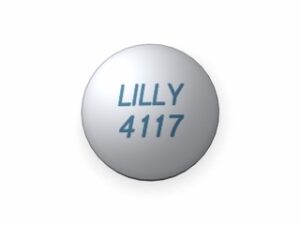
- Common forms: Tablets and capsules (strengths may vary)
- Who it’s for: Adults and, in some circumstances, children/young people (age approvals vary by condition)
- Where available: UK pharmacies and online pharmacy services (subject to local availability)
How Fludac works (mechanism of action)
Fluoxetine belongs to a group of medicines called SSRIs. In the brain, serotonin helps regulate mood, anxiety, sleep, appetite, and other functions. After release, serotonin is normally cleared by a protein called the serotonin transporter.
Fluoxetine helps increase serotonin activity by blocking the reuptake of serotonin back into nerve cells. Over time, this can improve communication between brain circuits involved in mood and anxiety.
Important: Mood and anxiety improvements often take time. Even if you start to notice changes earlier, the full benefits may take several weeks.
Pharmacokinetics: how your body processes fluoxetine
“Pharmacokinetics” describes how the body absorbs, distributes, metabolises, and eliminates the medicine.
- Absorption: Fluoxetine is well absorbed after oral dosing.
- Metabolism: Primarily processed by the liver into an active metabolite (notably norfluoxetine).
- Long half-life: Fluoxetine and norfluoxetine remain in the body for an extended period.
- Implication of long action: If you miss a dose, symptoms may be less likely to return immediately compared with medicines that leave the body faster.
- Steady state: Concentrations typically build up over time with daily use.
Why this matters: The long-lasting effects can be helpful for stability, but it also means side effects may take longer to fully settle if treatment is stopped.
What Fludac is used for (indications in the UK)
Fludac is used to treat conditions where SSRIs can help reduce symptoms, improve functioning, and support recovery.
Common indications include:
- Depression (including major depressive episodes)
- Obsessive-compulsive disorder (OCD)
- Panic disorder (with or without agoraphobia)
- Bulimia nervosa (to reduce binge eating and purging behaviours)
- Some forms of depression in children and young people may be considered under specialist care, according to local guidance and product information
Use depends on your age, diagnosis, symptom severity, and treatment history. Your healthcare team will help determine the most suitable option.
When to take Fludac (timing and routine)
Fludac is usually taken . Many people choose a time that matches how the medicine affects them.
- Morning dosing: Some people prefer mornings if they feel the medicine may be activating.
- Evening dosing: If it makes you drowsy, some prefer evenings.
- Consistency helps: Try to take it at roughly the same time each day.
How long until it works? Many people notice early changes after 1–2 weeks, but meaningful improvement often takes 4–6 weeks (sometimes longer) for depression and OCD. Anxiety and panic symptoms may show changes at different rates.
Stopping or changing dose: Do not stop suddenly or adjust dose without professional advice. Due to the long half-life, changes may feel different from other SSRIs, but careful planning is still important.
Dosing: general guidance
Note: The correct dose depends on the condition being treated, your age, and how you respond. Below is general information to help you understand typical ranges; your prescriber/pharmacist will provide exact instructions for you.
| Condition (examples) | Typical starting approach | Common target range | How dose may change |
|---|---|---|---|
| Depression | Often started at a lower daily dose | Often within a standard adult dosing range | May be adjusted gradually based on response |
| OCD | Often started at a lower daily dose | May require higher doses than depression in some cases | May increase gradually; effects may take longer |
| Panic disorder | May start low to reduce early symptom flare | Within a typical adult range | Increase gradually with monitoring |
| Bulimia nervosa | Often started at a standard adult dose | Within a typical adult range | Adjusted based on benefit and tolerability |
| Children/young people (where approved) | Dose depends on body weight and condition | Specified by specialist and product guidance | Careful monitoring is essential |
Practical dosing tips:
- Take exactly as directed by your healthcare professional.
- If you miss a dose: Take it when you remember unless it’s close to the next dose. Do not take a double dose.
- For missed doses repeatedly: Ask a pharmacist for advice tailored to your schedule.
Food interactions
Food interactions: Fluoxetine can usually be taken . Many people find taking it with a meal reduces stomach upset.
Gastrointestinal side effects (such as nausea or diarrhoea) can occur, especially during the first days or weeks. If you experience stomach symptoms, consider taking it with food and speak to a pharmacist if they persist.
Tip: Avoid sudden changes in diet because they may affect how you feel overall, which can make it harder to judge how the medicine is affecting you.
Alcohol and medicine interactions
Alcohol
While there is no “safe” level of alcohol that applies to everyone, combining alcohol with fluoxetine can increase the risk of:
- Worsened mood or anxiety
- Drowsiness or impaired judgement
- Reduced ability to follow treatment routines
Many healthcare professionals advise limiting or avoiding alcohol while starting an SSRI, especially during the first few weeks.
Medicines that may interact with fluoxetine
Fluoxetine can affect how other medicines are metabolised. Some combinations should be used with caution, or avoided.
Tell a pharmacist or healthcare professional if you take:
- Other antidepressants (including SSRIs/SNRIs or tricyclic antidepressants)
- Monoamine oxidase inhibitors (MAOIs) (generally require careful washout periods)
- Linezolid (an antibiotic with MAOI-like effects)
- Tramadol or other strong pain medicines that affect serotonin pathways
- Triptans (for migraine)
- St John’s wort (an herbal product that may increase serotonergic effects)
- Serotonergic medicines (e.g., certain cough medicines like dextromethorphan, depending on country/brand)
- Anticoagulants/antiplatelet drugs (e.g., warfarin, apixaban, rivaroxaban, aspirin) due to bleeding risk
- Non-steroidal anti-inflammatory drugs (NSAIDs) (e.g., ibuprofen, naproxen) — bleeding risk may increase
- Medicines affecting heart rhythm or those that prolong the QT interval
- Other medicines that are metabolised by the liver (dose adjustments may be needed)
Serotonin syndrome warning: Using fluoxetine with other serotonergic drugs increases the risk of serotonin syndrome, which can be serious. Seek urgent medical help if you have symptoms such as:
- Agitation, confusion
- Fever
- Rapid heartbeat
- Muscle stiffness or twitching
- Sweating, diarrhoea
Safety profile: common and serious side effects
As with all medicines, Fludac may cause side effects. Many are mild and improve over time. However, some effects may require urgent action.
Common side effects
- Nausea
- Headache
- Sleep changes (sleepiness or insomnia)
- Dry mouth
- Diarrhoea or digestive upset
- Loss of appetite or mild weight changes
- Increased sweating
- Sexual dysfunction (for example reduced libido or difficulty achieving orgasm)
- Tremor
Early treatment considerations
In the first days and weeks, some people experience:
- More anxiety or restlessness before improvement occurs
- Agitation or feeling “on edge”
If symptoms worsen significantly or you feel unsafe, contact a healthcare professional immediately.
Serious but less common risks
- Suicidal thoughts or worsening depression (especially in younger people and early in treatment). Monitoring is important.
- Bleeding risk, particularly if combined with blood-thinning medicines or NSAIDs.
- Mania or hypomania in people with bipolar disorder or predisposition.
- Low sodium (hyponatraemia), which can cause confusion, weakness, or seizures (more likely in older adults).
- Seizures (risk may be higher in certain conditions).
- Allergic reactions (seek urgent advice for swelling, breathing difficulties, or rash).
What to do if you get side effects
- Minor side effects: often improve with time; speak to a pharmacist for advice.
- Severe side effects: seek urgent medical advice.
- New or worrying symptoms: don’t ignore them—contact your healthcare team.
Practical use tips (to make treatment easier)
- Give it time: Keep taking it consistently as advised, even if you don’t feel better immediately.
- Track changes: Use a simple journal or app to note mood, sleep, anxiety, and side effects.
- Manage nausea: Taking with food and staying hydrated can help.
- Be cautious with driving: If you feel drowsy, avoid driving or operating machinery until you know how you respond.
- Don’t stop abruptly: If you stop suddenly, you may feel unwell. Use a planned approach guided by a healthcare professional.
- Stay alert to interactions: Always check with a pharmacist before starting new medicines, including herbal products.
- Plan for missed doses: Keep a note of your usual dosing time so missed doses are easier to manage.
Alternative options (if Fludac isn’t suitable)
If Fludac doesn’t suit you due to side effects, lack of benefit, or interactions, there are other treatment options. Alternatives include:
- Other SSRIs (such as sertraline, citalopram, or escitalopram, depending on your condition)
- Other antidepressants including SNRIs (e.g., venlafaxine, duloxetine) or other classes
- Psychological therapies such as CBT (especially effective for depression and anxiety; OCD may benefit from CBT with exposure and response prevention)
- Specialist approaches for treatment-resistant conditions
Your healthcare team can recommend alternatives based on your diagnosis, medical history, age, and current medicines.
UK market and legal context (overview)
In the UK, fluoxetine products are regulated medicines supplied through community pharmacies. Availability may vary by strength and formulation. Many people access treatment via NHS services, primary care, or specialist mental health services, and medication is dispensed through licensed pharmacy routes.
Online pharmacy availability: Some online pharmacies provide delivery within the UK subject to legal and safety checks, including patient eligibility and supply protocols.
Always use genuine products: Choose reputable supply routes. Avoid buying from unverified sellers, as counterfeit medicines may be unsafe and ineffective.
Recent guidance and clinical considerations (UK-informed)
Clinical guidance in the UK commonly emphasises the following principles when using antidepressants such as fluoxetine:
- Start low and go slow where appropriate, particularly for anxiety and panic-related conditions.
- Monitoring early in treatment, especially for children, young people, and those with severe or fluctuating symptoms.
- Combining medication with psychological support can improve outcomes for many conditions.
- Recognising bipolar disorder risk before or during SSRI treatment, because antidepressants may trigger mania/hypomania in susceptible individuals.
- Managing side effects actively rather than abandoning treatment abruptly.
Guidance may evolve. Your pharmacist or clinician can share the most relevant and up-to-date information for your situation.
Delivery and availability (UK)
Fludac may be available in UK pharmacies and through online pharmacy services. Delivery options often depend on stock status, strength, and formulation.
- Stock checks: Most online pharmacies confirm availability before dispatch.
- Dispatch times: Delivery schedules vary; standard and express options may be offered.
- Packaging: Medicines are typically supplied in manufacturer packaging to protect stability and provide accurate labelling.
- Temperature requirements: Store as directed on the outer carton (usually at room temperature, away from moisture and sunlight).
If you need the exact strength/formulation, check availability and lead times with the pharmacy site or customer support.
Storage instructions
- Keep out of sight and reach of children.
- Store at room temperature and protect from moisture and light.
- Do not use after the expiry date shown on the packaging.
- Return unwanted medicines to a pharmacy for safe disposal where available.
FAQ
1) How long does Fludac take to work?
Some people notice early changes within 1–2 weeks, but for depression and OCD it often takes 4–6 weeks (sometimes longer) to see full benefit. Stick with your plan and speak to your healthcare team if there is no improvement after an adequate trial.
2) Can I take Fludac with food?
Yes. Fluoxetine can usually be taken with or without food. If you get nausea, taking it with a meal may help.
3) Will I feel better straight away?
Not necessarily. Many symptoms improve gradually. Early on, some people experience restlessness or increased anxiety; this often settles as treatment continues.
4) What if I miss a dose?
Take the missed dose when you remember unless it’s close to the next dose. Do not take a double dose. If you miss multiple doses, ask a pharmacist for advice.
5) Can I drink alcohol while taking Fludac?
It’s best to limit or avoid alcohol, especially in the first weeks or if alcohol affects your mood, sleep, or anxiety. Alcohol can make side effects more noticeable and may worsen symptoms.
6) What medicines should I avoid?
Always check interactions with a pharmacist, especially with medicines that affect serotonin, bleeding risk, or heart rhythm. Examples include MAOIs, linezolid, tramadol, triptans, St John’s wort, and blood-thinning medicines.
7) Are there withdrawal effects if I stop?
Some people feel unwell if they stop SSRIs abruptly. Fluoxetine has a long half-life, which may reduce abrupt withdrawal for some people, but symptoms can still occur. Stopping should be planned with professional guidance.
8) Will Fludac affect driving or machinery?
It can. Some people feel tired or less alert, especially early in treatment. Until you know how you respond, avoid driving or operating machinery if you feel drowsy or unsafe.
9) Is Fludac suitable for everyone?
No. Suitability depends on your diagnosis, age, medical history, and other medicines you take. People with certain conditions (such as bipolar disorder risk or seizure risk) require extra caution and monitoring.
10) What should I do if I feel worse on Fludac?
If your mood worsens, you feel agitated, or you have thoughts of self-harm, seek urgent medical help. In the UK, you can contact NHS services promptly (for example, NHS 111) or emergency services if there’s immediate danger.
Important: This page is for general information and cannot replace personalised advice. Always read the patient information leaflet supplied with your medicine and speak to a pharmacist or healthcare professional for advice tailored to you.