
Sertraline
Sertraline is an antidepressant medicine in the class of selective serotonin reuptake inhibitors (SSRIs). It is used to treat a range of mental health conditions, including depression and anxiety disorders. This guide is written for patients and carers and aims to explain how sertraline works, how to take it safely, and what to expect.
Important: Always follow the advice provided by your healthcare professional and read the patient information leaflet that comes with your medicine. If you feel worse, develop severe agitation, or have thoughts of self-harm, seek urgent medical help immediately (in the UK, call 999 or 111 as appropriate, or contact Samaritans on 116 123).
Basic product information
| Feature | Details |
|---|---|
| Generic name | Sertraline |
| Medicine type | SSRI antidepressant |
| Common form(s) | Tablets (and in some markets, liquid oral preparations) |
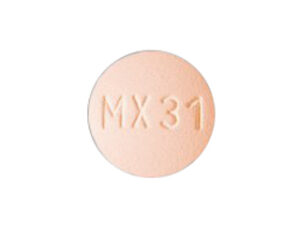
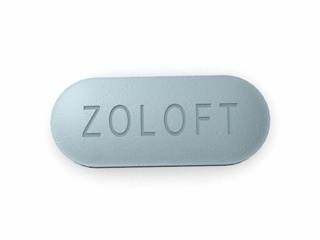
| Typical strength | Often available in 25 mg, 50 mg, and 100 mg tablets (strength varies by product) |
| Availability in the UK | Widely used and available through NHS and private supply channels |
How sertraline works (mechanism of action)
Sertraline increases levels of the neurotransmitter serotonin in the brain by blocking the reuptake of serotonin into nerve cells. Over time, this helps regulate communication pathways involved in mood, anxiety, sleep, and stress responses.
Although the serotonin effect begins quickly, improvements in symptoms usually take longer. Many people notice the earliest changes within the first 1–2 weeks, but full benefit can take several weeks.
Pharmacokinetics (how the body handles it)
“Pharmacokinetics” describes how the body absorbs, distributes, metabolises, and eliminates a medicine. Understanding this can help explain timing, side effects, and why missing doses may matter.
Absorption
Sertraline is absorbed after oral dosing. Concentrations build gradually, and steady levels are typically reached after repeated dosing over a number of days.
Metabolism
Sertraline is metabolised primarily in the liver. A key metabolite is desmethylsertraline. Liver function can influence how quickly the medicine is broken down, so lower starting doses may be recommended in some people.
Half-life and steady state
Sertraline has a relatively long effective half-life, which supports once-daily dosing. If you miss a dose, drug levels generally fall more slowly than with medicines with very short half-lives.
Elimination
Metabolites are removed mainly via the kidneys and partly through the bile and faeces.
What sertraline is used for (typical use and indications)
Sertraline is used to treat common mental health conditions. Indications may vary by local product licence and clinician judgement, but typically include:
- Depressive disorders (including major depression)
- Obsessive-compulsive disorder (OCD)
- Panic disorder (sometimes with or without agoraphobia)
- Post-traumatic stress disorder (PTSD) (as advised by clinical guidance)
- Social anxiety disorder
- Generalised anxiety disorder (GAD)
- Other anxiety-related conditions where an SSRI is considered appropriate
Sertraline may also be used to help with symptoms such as intrusive thoughts, excessive worry, panic symptoms, and low mood. It is not a “quick fix” medicine, but it can be very effective when taken consistently.
When to take sertraline (timing and missed doses)
Sertraline is usually taken . The exact time of day can be chosen based on how you respond to it.
Morning vs evening
- If it makes you feel sleepy, consider taking it in the evening.
- If it makes you feel more alert or causes restlessness, consider taking it in the morning.
- Choose a consistent time and keep to it unless your healthcare professional advises otherwise.
With or without food
Sertraline can be taken with or without food. Taking it with food may help some people who experience nausea.
What if you miss a dose?
If you miss a dose, take it when you remember unless it is close to the next dose. In that case, skip the missed dose. Do not take a double dose to make up for a missed one.
If you miss several doses or are unsure what to do, contact your healthcare professional or pharmacist for guidance.
Dosing: typical approach and how increases work
Dose varies between individuals and depends on the condition being treated, age, side effects, and other medicines. Your clinician will usually start with a low dose and adjust gradually.
General principles
- Start low to reduce the chance of early side effects.
- Increase slowly if needed based on response and tolerability.
- Give it time: early side effects can occur before symptom improvement.
- Do not stop suddenly without medical advice (risk of discontinuation symptoms).
Common dosing ranges (illustrative)
The below ranges are provided for general patient understanding. Your personal dose may differ.
| Condition (examples) | Typical starting dose | How it may be adjusted |
|---|---|---|
| Depression and anxiety disorders | Often 25 mg once daily for initial treatment | May be increased gradually (commonly to 50 mg and above depending on response) |
| OCD | Often 25 mg to 50 mg once daily | May require larger and slower titration; symptom improvement may take longer |
| Panic disorder | Often 25 mg once daily | Very gradual increases are common to reduce activation symptoms |
Some patients may benefit from doses beyond the most common range, but any adjustment should be guided by a healthcare professional.
Food interactions
Sertraline can generally be taken with or without food. Food does not typically cause major changes in effectiveness.
Grapefruit and similar foods
Unlike some medicines, sertraline is not known for a strong grapefruit interaction. However, it is still wise to avoid large dietary changes and discuss herbal supplements with your pharmacist.
Herbal products and supplements
- St John’s wort (Hypericum perforatum) may increase the risk of side effects and reduce predictability of treatment; it is generally best avoided unless your clinician specifically advises otherwise.
- Other supplements (especially those affecting serotonin) should be discussed with a pharmacist.
Alcohol and medicine interactions
Sertraline can interact with alcohol and other medicines, mainly through effects on the brain, serotonin pathways, and liver metabolism.
Alcohol
It is generally recommended to avoid alcohol or keep it to a minimum while starting sertraline, because:
- Alcohol can worsen mood and anxiety symptoms.
- Alcohol may increase dizziness, drowsiness, and reduced concentration.
- In the early weeks, side effects may be more noticeable.
If you do drink, do so cautiously and monitor how you feel. If you notice worsening symptoms, seek advice.
Other medicines that may interact (examples)
Tell your pharmacist or clinician about all medicines you take, including over-the-counter products and herbal remedies. Common interaction categories include:
- Other serotonergic medicines (e.g., other antidepressants, triptans, tramadol, linezolid, certain migraine treatments) — increases risk of serotonin syndrome.
- MAO inhibitors — generally should not be taken with SSRIs.
- NSAIDs and anticoagulants/antiplatelets (e.g., warfarin, rivaroxaban, apixaban, aspirin, clopidogrel) — may increase the risk of bleeding. Monitoring and caution may be needed.
- Medicines affecting liver enzymes — may increase or reduce sertraline levels (pharmacokinetic interaction).
- Drugs that can affect heart rhythm — caution may be needed in people with risk factors.
One key safety message
Never start, stop, or change the dose of other medicines (especially antidepressants, migraine medicines, or pain medicines) without checking with a healthcare professional.
Safety profile: common and serious side effects
Most people tolerate sertraline reasonably well, especially when the dose is started low and increased gradually. Side effects often improve over the first couple of weeks, though some can persist.
Common side effects
- Nausea, indigestion, or stomach upset
- Headache
- Diarrhoea or looser stools
- Tremor or feeling jittery
- Sleep changes (insomnia or sleepiness)
- Reduced appetite
- Increased sweating
- Sexual side effects (reduced libido, delayed orgasm)
- Fatigue or feeling emotionally “flattened” in some people
Less common but important effects
- Activation or increased anxiety early on (especially in panic disorder or if starting at a higher dose)
- Weight changes over time
- Changes in appetite
- Dry mouth
Seek urgent medical help if you have
- Symptoms of serotonin syndrome: agitation, confusion, fever, sweating, shivering, fast heartbeat, diarrhoea, muscle stiffness
- Signs of severe allergic reaction: swelling of the face/lips/tongue, difficulty breathing, widespread rash
- Severe bleeding (unusual bruising, black stools, vomiting blood) particularly if on blood thinners
- Manic symptoms: unusually high energy, decreased need for sleep, racing thoughts, risky behaviour
- Suicidal thoughts or worsening depression, particularly in the first weeks or after dose changes
Discontinuation symptoms (when stopping)
Stopping SSRIs suddenly may cause discontinuation symptoms such as dizziness, “electric shock” sensations, nausea, headache, irritability, and sleep disturbance. To reduce this risk, dose reductions should be discussed and planned with your healthcare professional.
Practical use tips for getting the best results
- Be consistent: take your medicine at the same time each day.
- Track early changes: note sleep, appetite, anxiety, and mood daily for the first 1–2 weeks.
- Manage early side effects:
- If nausea occurs, try taking with food or in the evening.
- Discuss persistent side effects with a pharmacist or clinician rather than stopping abruptly.
- Expect a delay in symptom improvement: many people feel some benefit within a few weeks, with further improvement over time.
- Do not stop too early: if it helps, continuing the course as advised can support recovery and reduce relapse.
- Consider “activation”: if anxiety feels worse initially, your clinician may adjust the dose more slowly.
- Build support: combining medication with psychological therapy (where appropriate) can improve outcomes.
Alternative options
If sertraline is not suitable due to side effects, interactions, or lack of benefit, there are other treatment options. Alternatives include both medicine and non-medicine approaches.
Other antidepressants (examples)
- Other SSRIs (e.g., citalopram, escitalopram, fluoxetine, paroxetine)
- Serotonin-noradrenaline reuptake inhibitors (SNRIs) (e.g., venlafaxine, duloxetine)
- Other classes depending on the condition and patient profile
Non-medicine options
- Talking therapies (e.g., CBT, mindfulness-based approaches, trauma-focused therapy)
- Lifestyle strategies (sleep routine, regular activity, stress management)
- Support services (e.g., IAPT in England for psychological therapies)
The best option depends on your diagnosis, medical history, and preferences. Discuss alternatives with your GP or mental health team.
Market and legal context in the UK
In the United Kingdom, SSRIs like sertraline are widely used in both NHS and private care settings. Sertraline is an authorised medicine for use according to its licensed indications and clinician guidance. Availability can vary between strengths and formulations, and supply may be influenced by manufacturing schedules.
Healthcare professionals in the UK follow recognised clinical guidance for prescribing SSRIs and monitoring response, side effects, and risk (including risk of worsening mood in the early treatment phase).
Recent guidance and monitoring (UK perspective)
UK mental health care commonly emphasises:
- Early review after starting or changing dose, especially for anxiety/panic and depression.
- Careful titration to reduce early activation and gastrointestinal side effects.
- Monitoring for safety, including changes in mood, sleep, and agitation.
- Planned duration: treatment may continue beyond symptom relief to reduce relapse risk, depending on diagnosis and history.
- Shared decision-making and patient education about expected benefits and discontinuation risk.
Your clinician may provide structured follow-up and may adjust dose based on symptom severity, side effects, and overall functioning.
Delivery and availability
Sertraline is commonly stocked due to frequent demand. Availability depends on the specific strength and formulation you choose. Some pharmacies keep popular strengths in stock, while others may replenish on a regular schedule.
What you can expect when ordering online
- Packaging: medicines are usually supplied in protective packaging with clear labelling.
- Delivery timelines vary by supplier and location within the UK.
- Out-of-stock options: some pharmacies may notify you if a product is temporarily unavailable.
If you are starting treatment soon, it can help to order early and check expected delivery times. For planned changes (e.g., dose adjustments), allow time for processing and dispatch so you do not run out of your current supply.
FAQ about sertraline (UK)
How long does it take for sertraline to work?
Many people begin to notice some improvement within 1–2 weeks, but full benefit usually takes several weeks. OCD and some anxiety disorders may take longer. If you feel worse early on, contact your healthcare professional for advice rather than stopping suddenly.
Will sertraline make me feel worse at first?
It can, particularly during the first days to weeks, with symptoms like restlessness, increased anxiety, or sleep changes. This is one reason clinicians start with a low dose and increase gradually. If symptoms become severe, seek advice promptly.
Can I take sertraline with food?
Yes. Sertraline can be taken with or without food. If you experience nausea, taking it with food may help.
Is it safe to drink alcohol while taking sertraline?
It is generally best to avoid alcohol, especially when starting or adjusting dose. Alcohol may worsen mood and increase side effects like dizziness or sleepiness. If you choose to drink, keep it minimal and monitor how you feel.
What should I do if I miss a dose?
Take it when you remember unless it is close to your next dose. If it’s close, skip the missed dose. Do not take a double dose. If you miss more than one dose or you feel unwell, contact a pharmacist or healthcare professional.
Can I stop sertraline suddenly?
Usually, no. Stopping abruptly can cause discontinuation symptoms. If you want to stop or switch, discuss a gradual reduction plan with a healthcare professional.
What are common side effects?
Common side effects include nausea, headache, diarrhoea, sleep changes, tremor, sweating, fatigue, and sexual side effects. Many settle as your body adjusts.
Does sertraline cause sexual side effects?
Sexual side effects can occur with SSRIs, including reduced libido, delayed orgasm, or changes in sexual function. If this becomes distressing, speak to your clinician—there are management strategies.
Are there medicines I should avoid with sertraline?
Avoid combining with other serotonergic medicines unless specifically advised. Also be cautious with anticoagulants/antiplatelets and NSAIDs due to potential bleeding risk. Always check with a pharmacist about any new medicine, including over-the-counter and herbal products.
Can sertraline affect driving or operating machinery?
It can in some people, especially during the start of treatment or when dose changes cause dizziness or sleepiness. If you feel affected, avoid driving or hazardous activities until you know how sertraline affects you.
What if I’m pregnant or breastfeeding?
If you are pregnant, planning pregnancy, or breastfeeding, discuss treatment options with a healthcare professional. The risks and benefits vary by situation, and decisions are personalised.
Is sertraline suitable for everyone?
Not always. People with certain medical conditions, liver impairment, a history of bipolar disorder/mania, or those taking interacting medicines may require special care or alternative options. Your pharmacist or clinician can advise based on your health profile.
When to contact a healthcare professional
Contact your healthcare professional promptly if you experience:
- Severe or worsening side effects
- Symptoms of serotonin syndrome
- Unusual bleeding or bruising
- Signs of mania (unusually high mood/energy, decreased need for sleep)
- Thoughts of self-harm or significant worsening of mood
Summary
Sertraline is a widely used SSRI antidepressant in the UK. It works by increasing serotonin availability in the brain, which helps improve mood and anxiety symptoms over time. While it can cause side effects—especially early—most people can manage them with correct dosing and support. Consistency, patience for symptom improvement, and safe use around alcohol and interacting medicines are key.