
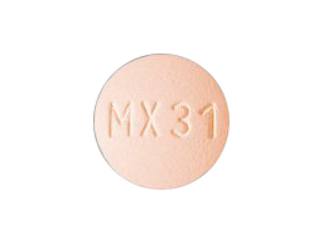


Citalopram (Citalopram Hydrobromide) — Patient Guide (UK)
Citalopram is an antidepressant medicine belonging to the class known as SSRIs (Selective Serotonin Reuptake Inhibitors). In the UK, it is used to treat conditions such as depression and anxiety. This guide explains what citalopram does, how it works in the body, what to expect, and how to use it safely and effectively.
1) Basic product information
| Topic | Details |
|---|---|
| Generic name | Citalopram |
| Salt form | Citalopram hydrobromide |
| Medicine type | SSRI antidepressant |
| Common forms | Oral tablets (strengths may vary by brand/product) |
| Who it’s for | Adults and (where licensed and clinically appropriate) certain age groups for specified indications |
| How it’s taken | Usually once daily |
Important: Always follow the dosing instructions provided with your medicine and consult a healthcare professional if you are unsure.
2) How citalopram works (mechanism of action)
Citalopram increases the activity of serotonin in the brain by blocking the reuptake of serotonin. Serotonin is a chemical messenger involved in mood, anxiety, sleep, and emotional regulation.
Specifically, citalopram inhibits the serotonin transporter (SERT), reducing the amount of serotonin reabsorbed by nerve cells. Over time, this helps improve communication between brain regions involved in mood and anxiety.
Why it takes time: Although you may start to feel side effects within the first days, the desired antidepressant/anxiolytic effect typically develops gradually as brain pathways adapt.
3) Pharmacokinetics (what the body does to citalopram)
Absorption: Citalopram is absorbed after oral dosing. Peak blood levels are typically reached a few hours after taking a dose.
Distribution: It is distributed throughout the body and can cross into tissues including the brain.
Metabolism (breakdown): Citalopram is metabolised mainly in the liver, with involvement of liver enzyme systems (notably CYP pathways).
Elimination: It is cleared from the body over time, with a terminal half-life that supports once-daily dosing for many people.
Individual factors: Kidney and liver function, age, other medicines, and genetic differences can affect citalopram levels in the blood. Clinicians may adjust dose or frequency accordingly—particularly in people with reduced liver function or older age.
4) Typical uses (indications)
In the UK, citalopram is commonly used for:
- Depression (major depressive episodes)
- Anxiety disorders such as generalised anxiety (where clinically appropriate)
Citalopram may also be used as part of treatment plans for other mental health conditions depending on clinical judgement and local guidance.
5) When to take it & timing
Many people take citalopram once daily, at the same time each day.
- If it makes you feel drowsy: taking it in the evening may be more comfortable.
- If it affects your sleep: taking it earlier in the day may help.
- Consistency matters: try to avoid large variations in dosing time.
Stopping abruptly is usually not advised: SSRIs can cause withdrawal-like symptoms if stopped suddenly, so any changes should be planned with a healthcare professional.
6) Food interactions
With food: Citalopram can generally be taken with or without food. Many people find it easier to take with a meal if they experience nausea.
Swallowing: Swallow tablets whole with water unless your product information states otherwise.
Grapefruit and similar “major fruit” effects: While grapefruit is more famously associated with some other medicines, it is still wise to check with a pharmacist if you’re using a range of medicines or supplements.
7) Alcohol and medicine interactions
Alcohol
It’s generally recommended to avoid or minimise alcohol while taking citalopram. Alcohol may:
- worsen mood or anxiety symptoms
- increase side effects such as drowsiness, dizziness, and impaired concentration
- increase risk of risky behaviour
Common medicine interactions
Some medicines can change how citalopram works or increase side effects. Tell your pharmacist or doctor if you take any of the following (this is not an exhaustive list):
-
Other serotonergic medicines (risk of serotonin syndrome), such as:
- MAOIs
- other SSRIs/SNRIs
- triptans used for migraine
- tramadol
- linezolid
- lithium
- St John’s wort
-
NSAIDs/anticoagulants/antiplatelets (may increase bleeding risk when combined with SSRIs), such as:
- warfarin
- apixaban/rivaroxaban/dabigatran
- clopidogrel
- aspirin or ibuprofen (especially regular use)
- Medicines affecting heart rhythm or the QT interval (some risk may be greater in combination). If you have known heart rhythm problems, mention this to a clinician.
- Drugs that affect liver enzymes (can change citalopram levels), for example certain antifungals, antibiotics, or other psychoactive medicines.
Always check: If you start a new medicine (including herbal products and over-the-counter remedies), ask your pharmacist whether it’s safe with citalopram.
8) Dosing: how much is typical?
Dosing varies by individual needs, side effect tolerance, and clinical response. The information below is general and helps you understand typical patterns of use in the UK.
General approach
- Start low and increase gradually: many people begin at a lower dose to improve tolerability.
- Adjustment over weeks: dose changes are often made gradually after assessing response and side effects.
- Maximum daily dose: guidance in the UK and EU has recommended dose limits, including restrictions to reduce certain heart-related risks. Your prescriber will select a suitable dose for you.
Typical adult starting and maintenance patterns
In many clinical practice settings:
- Adults may start at a low daily dose, commonly around 10 mg to 20 mg once daily.
- The dose may be increased in steps depending on effectiveness and side effects.
- Older adults and people with certain medical conditions (especially liver impairment) may require lower dosing.
Do not change your dose without medical advice. If you miss a dose, follow the instructions on your medicine label or patient information leaflet. If you’re unsure, ask a pharmacist.
9) What to expect: timing of benefits and side effects
It’s common for SSRIs like citalopram to produce a mixed picture early on.
- First days: you may notice side effects such as nausea, headache, sleep changes, or mild agitation.
- 1–2 weeks: some symptoms may begin to improve, though mood and anxiety changes may still be gradual.
- 3–6 weeks (sometimes longer): fuller benefits are more likely to appear. For depression, improvement often continues over several weeks.
Seek urgent help if you experience severe worsening mood, thoughts of self-harm, or unusual behaviour, particularly early in treatment or after dose changes.
10) Safety profile: common and serious side effects
Most people tolerate citalopram reasonably well, but side effects can occur. Some effects often settle after the first couple of weeks, while others may require reassessment.
Common side effects
- Nausea
- Headache
- Dry mouth
- Sleep changes (sleepiness or insomnia)
- Sweating
- Fatigue or feeling “off”
- Sexual side effects (reduced libido, delayed orgasm)
- Digestive upset (diarrhoea or constipation)
- Initial restlessness (sometimes described as increased anxiety early on)
Less common but important risks
- Serotonin syndrome: risk increases when combined with other serotonergic medicines. Symptoms may include agitation, confusion, fever, sweating, tremor, muscle stiffness, or diarrhoea.
- Bleeding risk: SSRIs can increase bleeding tendency, particularly with NSAIDs or anticoagulants.
- Low sodium (hyponatraemia): more likely in older adults or those taking certain diuretics; symptoms can include headache, confusion, weakness, and unsteadiness.
- QT prolongation / heart rhythm effects: citalopram has been associated with effects on the heart’s electrical activity. Risk may be higher at higher doses, in certain medical conditions, or with interacting medicines.
Stopping and withdrawal symptoms
If citalopram is stopped suddenly, some people experience discontinuation symptoms such as dizziness, “brain zaps” (sensory disturbances), irritability, anxiety, nausea, and sleep disturbance. Tapering under professional guidance reduces this risk.
11) Practical use tips for day-to-day life
- Give it time: mental health improvements can be gradual. Track symptoms and side effects to discuss at reviews.
- Manage early nausea: take with food if needed; staying hydrated can help.
- Sleep routine: if insomnia occurs, consider taking earlier in the day and maintaining regular sleep times.
- Hydrate and eat regularly: this can help reduce dizziness and nausea during early treatment.
- Avoid abrupt changes: if you miss doses or plan travel/changes, speak to a pharmacist to minimise disruption.
- Be cautious when driving or operating machinery: especially at the start or after a dose change, until you know how it affects you.
- Consider talking therapy alongside medicine: for many conditions, combined approaches are more effective.
12) Alternative options
If citalopram isn’t suitable or isn’t effective, there are other treatment choices. The best alternative depends on your diagnosis, medical history, previous responses, and side effect profile.
Other antidepressants (examples)
- Other SSRIs: e.g., sertraline, fluoxetine, escitalopram
- SNRIs: e.g., venlafaxine, duloxetine
- Tricyclic antidepressants (used in certain cases)
- Other classes depending on availability and suitability
Non-medicine options
- Talking therapies: e.g., CBT (Cognitive Behavioural Therapy)
- Lifestyle measures: sleep regularity, exercise, structured daily routine, and reducing alcohol
A healthcare professional can help compare options, including risks and benefits.
13) UK market and legal context (patient-friendly overview)
In the United Kingdom, citalopram is an established medicine within the SSRI class. Healthcare systems use evidence-based prescribing and monitor safety. Regulations and safety communications may include:
- Licensed indications: medicines are authorised for specific uses, age groups, and strengths.
- Dose guidance: safety updates may recommend limits to reduce risks such as heart rhythm effects.
- Ongoing pharmacovigilance: safety data continues to be reviewed through routine reporting and regulatory oversight.
If you are unsure about which dosing limits apply to you, check your medicine label or speak with a pharmacist.
Recent guidance (general themes)
Recent UK/EU safety communications around SSRIs have focused on:
- Using the lowest effective dose
- Considering heart rhythm (QT) risk, particularly at higher doses or in susceptible individuals
- Awareness of serotonin syndrome with interacting medicines
- Careful review of bleeding risk when SSRIs combine with other drugs that affect coagulation
Your prescriber and pharmacist can provide up-to-date advice tailored to your health circumstances.
14) Delivery, availability, and what to expect from an online pharmacy (UK)
Availability and delivery options can vary by pharmacy and by whether you’re ordering a branded product or a generic equivalent. Generally, online pharmacies in the UK aim to provide:
- Clear product details: strength, pack size, and formulation
- Delivery tracking: where offered
- Secure packaging: to protect tablets during transit
- Ordering support: for dosage forms and stock availability
If you plan to start or continue treatment, it’s sensible to order early enough to avoid running out. If you’re travelling, ensure you have sufficient supply for the trip duration.
15) FAQ — Frequently asked questions
Can I take citalopram with food?
Yes. Citalopram can usually be taken with or without food. If you feel nauseous, taking it with a meal may help.
How long does it take to work?
Many people notice some changes in the first few weeks, but fuller improvement for depression or anxiety often takes 3–6 weeks (sometimes longer). Side effects may appear earlier than the therapeutic benefits.
What should I do if I miss a dose?
Follow the guidance on your medicine label or patient information leaflet. If you’re unsure, ask a pharmacist. In general, don’t double up to make up for a missed dose unless instructed to do so.
Is it safe to drink alcohol while taking citalopram?
It’s best to avoid or minimise alcohol. Alcohol can worsen symptoms and increase side effects such as dizziness or drowsiness.
What medicines should I avoid?
Avoid combining citalopram with other medicines that increase serotonin activity (unless directed), and be cautious with drugs that raise bleeding risk or affect heart rhythm. Always check with a pharmacist before starting new medicines, including herbal supplements such as St John’s wort.
Will citalopram affect my sex drive or sexual function?
Sexual side effects can occur with SSRIs, including reduced libido or delayed orgasm. If this happens, speak to your healthcare professional—there may be management strategies or dose adjustments.
Can I stop citalopram suddenly?
Stopping suddenly may cause discontinuation symptoms. It’s usually recommended to taper gradually with medical guidance.
Who needs extra caution?
Extra caution may be needed if you have heart rhythm problems, liver impairment, a history of seizures, a history of mania/hypomania, or if you’re taking medicines that interact with citalopram. Discuss your full medical history with a clinician and pharmacist.
Is citalopram suitable for everyone?
Not necessarily. Suitability depends on your diagnosis, age, other health conditions, and concurrent medicines. Your pharmacist can help you check interactions and confirm that the product is appropriate for your situation.
Disclaimer: This is general information for patients in the UK and does not replace advice from a healthcare professional or the patient information leaflet provided with your medicine. If you have concerns about side effects, worsening symptoms, or safety issues, contact a healthcare professional promptly.