

Seroquel (Quetiapine) – Patient-Friendly Guide (UK)
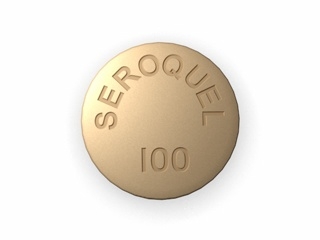
Seroquel is the brand name for quetiapine, an antipsychotic medicine used to treat certain mental health conditions. This page is designed to help you understand what quetiapine is, how it works, how it is taken, common side effects, and important safety information for people in the United Kingdom.
Please note: How you should take Seroquel depends on your age, diagnosis, and individual health factors. Always follow your clinician’s instructions and read the package leaflet supplied with your medicine.
1) Basic product information
| Product | Active ingredient | Medicine type | Common formulations (examples) |
|---|---|---|---|
| Seroquel | Quetiapine | Atypical antipsychotic | Tablets (including immediate and prolonged-release forms such as Seroquel/various brands), depending on availability |
In the UK: Quetiapine products are available through pharmacies and may be supplied in different strengths and formulations. Availability can vary, so your pharmacist may advise what is currently stocked.
2) What does quetiapine do? (Mechanism of action)
Quetiapine works mainly by affecting chemical messengers in the brain, especially dopamine and serotonin. It has a “balanced” effect on multiple receptors, which is part of why it can help with both:
- Psychosis-related symptoms (such as hallucinations or delusions)
- Certain mood symptoms (for example, in bipolar disorder, and sometimes in depression as an add-on treatment depending on local guidance)
By modulating these pathways, quetiapine can influence mood, thought processes, anxiety, and sleep. For some people, it also has sedating effects, particularly during the early stages of treatment or after dose changes.
3) Pharmacokinetics (How the body handles it)
“Pharmacokinetics” describes how quetiapine is absorbed, distributed, metabolised, and eliminated.
- Absorption: Quetiapine is absorbed after oral administration. Food can influence the absorption of certain formulations.
- Metabolism: It is metabolised primarily in the liver, mainly via the CYP450 enzyme system (especially CYP3A4).
- Distribution: Quetiapine is widely distributed throughout the body.
- Elimination: It is excreted mostly as metabolites, mainly in the urine and faeces.
- Half-life: The effective duration of action is shaped by absorption and metabolism. Sustained-release products are designed to release medicine more slowly.
Practical meaning for patients: Because quetiapine is broken down in the liver, drug interactions that affect liver enzymes (or severe liver problems) can change how much medicine your body experiences.
4) Typical uses (Indications in the UK)
Quetiapine is used for a range of mental health conditions. The exact licensed uses can depend on the formulation and local product information. Common indications include:
- Schizophrenia (and related psychotic disorders)
- Bipolar disorder:
- Mania (episodes of elevated mood, irritability, or increased activity)
- Depression associated with bipolar disorder
- Maintenance/relapse prevention for some patients
- As an add-on treatment for major depressive episodes in some circumstances, where appropriate
Not every patient will be treated for every indication. Your prescriber will choose the most suitable regimen based on your symptoms, past treatment response, and tolerability.
5) Timing: when to take Seroquel
Seroquel dosing schedules are individualised. However, there are general patterns:
- Start low and increase gradually: Many people begin with a low dose and build up over days to weeks. This helps reduce side effects such as sleepiness, dizziness, and low blood pressure.
- Once daily vs split doses: Some regimens are once daily; others may be split across the day. Follow your specific instructions.
- Because it may be sedating: It is often taken in the evening or at night, particularly early in treatment. If you feel excessively sleepy, talk to your healthcare team.
Tip: Take your tablet at the same time(s) each day to maintain steady medicine levels and improve consistency.
6) How to take Seroquel (including dose and administration guidance)
Your exact dose should come from your clinician. Always use the strength and formulation you were given.
General dosing principles
- Gradual titration: Dose may be increased slowly to improve tolerability.
- Consideration of age: Older adults may be started at lower doses and monitored more closely.
- Formulation matters: Immediate-release and prolonged-release products have different dosing patterns and food instructions.
- Missed doses: If you miss a dose, follow package leaflet guidance. In many cases, if it’s close to the next dose, you may be advised to skip—avoid doubling up unless instructed.
Examples of dose ranges (illustrative)
Doses can vary widely between indications and formulations. Some people may take smaller daily amounts; others may need higher doses. Your clinician will select a dose based on your response and side effect profile.
- Schizophrenia / psychosis: Doses are typically titrated to an effective range.
- Bipolar episodes: Doses may differ for mania, bipolar depression, and maintenance.
Important: Do not adjust your dose without medical advice. Stopping suddenly can lead to withdrawal-like symptoms and symptom relapse.
7) Food interactions (What to eat and drink)
Food can affect absorption of some quetiapine formulations, especially prolonged-release products.
- Follow the specific instructions for your exact product (immediate-release vs prolonged-release).
- General approach: If your package leaflet states “take with food” or specifies timing relative to meals, follow that advice carefully.
- Consistency helps: Try to take each dose in a similar pattern regarding meals (e.g., always with dinner, if that’s what you were told).
If you are unsure whether your tablet is immediate-release or prolonged-release, ask your pharmacist to confirm.
8) Alcohol and medicine interactions
Alcohol
Quetiapine can cause drowsiness and dizziness. Alcohol can increase these effects, raising the risk of:
- falls and injuries
- impaired driving ability
- excessive sedation
- low blood pressure, particularly when standing
Advice: It is generally recommended to avoid alcohol, especially when you are starting treatment or changing dose. Ask your healthcare team what is safest for you.
Other medicines (drug interactions)
Because quetiapine is metabolised in the liver (notably via CYP3A4), medicines that strongly affect this enzyme can increase or decrease quetiapine levels.
Be cautious and tell your clinician/pharmacist about all medicines you take, including:
- antidepressants and anxiolytics
- sleep medicines
- opioid painkillers
- antihistamines (especially those that cause drowsiness)
- anti-fungal medicines and certain antibiotics (some can affect CYP3A4)
- medicines for epilepsy and other long-term conditions
- herbal products (for example, St John’s wort can interact)
Special caution: Combining quetiapine with other medicines that also cause sedation can increase risk of excessive drowsiness, breathing problems (in vulnerable patients), and falls.
9) Safety profile: common and important side effects
Like all medicines, quetiapine can cause side effects. Many people experience mild or manageable effects, especially early on. Others may require dose adjustment or review.
Common side effects
- Sleepiness or sedation
- Dizziness, especially when standing
- Dry mouth
- Headache
- Constipation
- Weight gain (varies between individuals)
- Increased appetite
- Low blood pressure (orthostatic hypotension)
- Changes in blood sugar or cholesterol over time for some people
Serious or urgent side effects (seek medical advice promptly)
Contact a healthcare professional urgently or seek emergency help if you experience:
- Signs of an allergic reaction (swelling of face/lips, rash, difficulty breathing)
- Fainting or severe dizziness
- Severe fever, muscle stiffness, confusion (rare but important)
- Uncontrolled movements or severe restlessness
- Symptoms suggesting high blood sugar (excessive thirst, frequent urination, unexplained weight loss)
- Chest pain, irregular heartbeat, or severe breathlessness
- Suicidal thoughts or significant worsening of mood, particularly when starting or adjusting dose
Monitoring commonly considered in the UK
Clinicians often monitor aspects such as:
- Weight and BMI
- Blood pressure
- Blood glucose and lipids
- Electrolytes and general health, depending on your situation
- Heart rhythm if you have risk factors
Your healthcare team will advise what monitoring is appropriate for you.
10) Practical use tips for patients
- Rise slowly: If you feel dizzy, stand up slowly and consider sitting on the edge of the bed before standing.
- Be cautious with driving: Quetiapine can impair alertness. In the UK, you should avoid driving if you feel sleepy, and follow medical advice about fitness to drive.
- Take care with bedtime routine: If it makes you sleepy, keep your evening routine safe (avoid climbing ladders or risky activities).
- Track side effects: Note changes in sleep, weight, appetite, and mood. This helps your clinician fine-tune your treatment.
- Don’t stop abruptly: Discuss any changes with a clinician. Gradual adjustments are often safer.
- Hydration and constipation management: If constipation or dry mouth occurs, drink fluids and consider fibre-rich foods. Your pharmacist can suggest suitable options.
11) Alternatives to Seroquel (Quetiapine)
Depending on your diagnosis and symptoms, there are alternatives. Your clinician may consider other medicines or non-drug approaches. Examples include:
Other antipsychotic options
- Risperidone
- Olanzapine
- Aripiprazole
- Amisulpride
- Ziprasidone (where appropriate)
Other approaches for mood conditions
- antidepressants (for relevant depressive disorders)
- mood stabilisers (e.g., lithium, lamotrigine in certain bipolar cases)
- psychological therapies (such as CBT and family-focused therapy)
Which alternative is best? It depends on your symptom pattern, past responses, side effect concerns (e.g., weight gain, sedation), and medical history.
12) UK market and legal context (what this means for patients)
In the UK, quetiapine products are regulated medicines. They are supplied through authorised channels and are subject to national prescribing and dispensing processes.
- Medicines regulation: Medicines are authorised by the UK regulatory framework and must meet quality and safety standards.
- Pharmacy supply: Supply is managed to support safe use, including advice from trained healthcare professionals.
- Safety monitoring: Healthcare services may require ongoing review, especially for long-term treatment.
- Packaging and leaflets: Your medicine will come with information about how to use it safely.
Policies can evolve, and guidance may be updated as new evidence emerges. Your pharmacist can help interpret any changes that affect how medicines are provided.
13) Recent guidance (clinical and safety themes)
Across recent years, UK and international clinical practice has emphasised:
- Individualised risk–benefit decisions (balancing symptom control against side effects)
- Metabolic monitoring (weight, glucose, lipids), particularly when weight gain is a concern
- Careful prescribing in older adults and attention to falls, sedation, and cardiovascular effects
- Slow titration and avoiding abrupt changes where possible
- Attention to drug interactions, especially those affecting liver metabolism
If you have kidney or liver problems, are pregnant/breastfeeding, or take multiple medicines, it’s especially important to discuss your circumstances with a healthcare professional.
14) Delivery and availability in the UK
Online pharmacies in the UK may offer delivery services for medicines, subject to legal and safety requirements. Availability depends on:
- the strength and formulation you need
- current stock levels
- how quickly prescriptions (where applicable) are processed
- supply-chain changes
Delivery reliability tips:
- Ensure delivery address details are correct.
- If medicines require someone to receive the parcel, plan for this.
- Check expected delivery times during checkout (where offered).
Your pharmacist or the pharmacy customer service team can confirm estimated dispatch and delivery windows.
15) Frequently asked questions (FAQ)
1. Is Seroquel the same as quetiapine?
Yes. Seroquel is a brand name; the active ingredient is quetiapine. Different brands or generics may contain quetiapine but can differ in formulation (immediate vs prolonged-release) and dosing instructions.
2. How long does it take to work?
Some people notice changes in sleep, anxiety, or agitation within days, while improvements in mood or psychotic symptoms may take longer. Stabilising a treatment plan often involves dose adjustments over weeks. Your clinician can advise what timeline is realistic for your diagnosis.
3. Why does it make me sleepy?
Quetiapine can have sedating effects for many people, particularly when starting or increasing the dose. Taking it in the evening (if recommended for your regimen) can help. If drowsiness is severe, you should seek medical advice before adjusting your dose on your own.
4. Can I stop Seroquel suddenly?
Stopping abruptly is generally not recommended. It can increase the risk of symptoms returning and may cause withdrawal-like effects. If you want to stop or switch, discuss a gradual plan with your clinician.
5. Can I take Seroquel with food?
It depends on the specific product and formulation. Some prolonged-release products have food-related instructions. Follow your leaflet and pharmacy advice carefully.
6. Can I drink alcohol?
Alcohol can increase sedation and dizziness and raise fall and impairment risk. It’s often best to avoid alcohol, especially when starting or adjusting treatment. Ask your healthcare professional what amount (if any) is safe for you.
7. What interactions should I watch for?
Tell your pharmacist about all medicines and supplements. Particular attention is needed for drugs that affect liver enzymes (including some antibiotics/antifungals and other agents), and medicines that also cause drowsiness (such as certain antihistamines, sleep medicines, or opioid painkillers).
8. Will it cause weight gain?
Weight gain can occur in some people and varies by individual. Monitoring weight, diet, and activity can help. If weight gain becomes a concern, discuss options with your healthcare team.
9. Do I need blood tests while taking it?
Depending on your health history, clinicians may monitor metabolic parameters (glucose, lipids), weight, and other measures. Your pharmacist or clinician can explain which tests are relevant to you.
10. Is it safe in older adults?
Quetiapine may be used in older adults for specific indications, but it requires extra caution due to risks such as sedation, falls, and low blood pressure. Your clinician may use lower doses and closer monitoring.
Need personalised advice? If you have questions about your specific dose, side effects, or interactions with other medicines, speak to a pharmacist or healthcare professional. Always read the patient information leaflet supplied with your medicine for complete safety details.