
Abilify (Aripiprazole) – Patient Information Guide (UK)
Abilify contains aripiprazole, a medicine used to help manage certain mental health conditions. This guide is written to be clear and practical for patients and carers in the United Kingdom. It explains what the medicine does, how it works, how it is typically taken, and what safety considerations to keep in mind.
1) Basic product information
| Category | Details |
|---|---|
| Medicinal ingredient | Aripiprazole |
| Brand name | Abilify |
| Medicine type | Antipsychotic (also used for mood-related conditions) |
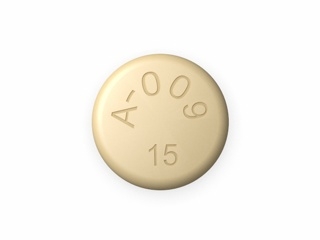
| Common formulations | Tablets (strengths vary); some brands/products may also have other forms depending on availability |
| Typical dosing schedule | Once daily (most common) depending on the prescriber’s plan |
Note: Availability of specific strengths and formulations can vary by pharmacy stock and supply chain. Your pharmacy can confirm what is currently available.
2) How Abilify works (mechanism of action)
Aripiprazole is often described as a “partial agonist” at dopamine receptors. In simple terms, it helps balance brain signalling rather than fully turning dopamine activity “on” or “off”.
Key actions include:
- Dopamine D2 receptor partial agonism: can help reduce symptoms linked to dopamine overactivity while minimising some side effects seen with older antipsychotics.
- Serotonin receptor effects: aripiprazole also interacts with serotonin receptors (including 5-HT1A and 5-HT2A), which may help with mood and anxiety-related symptoms.
Because aripiprazole works through receptor “tuning,” it may have a different side-effect profile compared with other antipsychotics. Individual responses vary.
3) Pharmacokinetics (how your body handles it)
Pharmacokinetics describes what happens to a medicine after you take it—how it is absorbed, distributed, metabolised, and removed from the body.
- Absorption: after swallowing a dose, aripiprazole is absorbed into the bloodstream. Peak blood levels are typically reached within a few hours.
- Distribution: it distributes throughout the body and crosses into the brain to affect target receptors.
- Metabolism: aripiprazole is primarily metabolised in the liver, mainly by enzymes of the CYP system (notably CYP2D6 and CYP3A4).
- Active metabolites: aripiprazole has metabolites; the body may also produce an active breakdown product.
- Elimination: it is removed from the body over time, largely via the liver and kidneys.
Why this matters: other medicines that affect CYP enzymes can change aripiprazole levels. This is why it’s important to tell your healthcare professional about all medicines, herbal products, and supplements you use.
4) Typical uses in the UK
Abilify (aripiprazole) is used for several conditions where reducing certain symptoms and preventing relapse may improve day-to-day life. Uses depend on age group and the specific licensed indications of the product.
Commonly, aripiprazole is used for:
- Schizophrenia and related psychotic disorders in adults (and in some cases adolescents/young people, depending on the product licence).
- Bipolar disorder (including manic or mixed episodes) and, in some cases, maintenance treatment to help prevent relapse.
- Irritability associated with autism in children and adolescents (where licensed and appropriate).
Because licences and age ranges can vary by formulation, your pharmacy or prescriber can confirm the exact indication for your situation.
5) When to take Abilify (timing)
Most patients take Abilify once daily. Try to take it at the same time each day to keep blood levels steadier.
- Time of day: Choose a time that helps you stick to the routine. Some people find taking it in the morning helps if it causes mild restlessness, while others prefer evening if it feels calming. Follow the advice given to you.
- If you forget a dose: Take it when you remember unless it is close to the time for the next dose. Do not double up to make up for a missed tablet.
- Stopping suddenly: Do not stop abruptly without medical advice. A gradual plan may be needed.
Onset of effect: some people notice changes early, while for others it can take several weeks for full benefits, especially for mood and psychosis-related symptoms.
6) Food interactions
Aripiprazole can generally be taken with or without food. For many people, food does not significantly affect the medicine’s effectiveness.
- If Abilify upsets your stomach, taking it with a small meal or snack may help.
- Stay consistent: frequent changes in meal timing may affect how you personally feel, even if the medicine’s absorption is not strongly affected.
7) Alcohol and medicine interactions
Alcohol
It is generally recommended to limit or avoid alcohol while taking antipsychotic medicines. Alcohol can increase side effects such as:
- drowsiness or sedation
- impaired coordination and reaction time
- mood instability
If you drink alcohol, discuss what is safe for you with a healthcare professional—especially if you have additional conditions (for example liver problems) or take other sedating medicines.
Important medicine interactions
Aripiprazole is metabolised by liver enzymes (especially CYP2D6 and CYP3A4). Some medicines may:
- Increase aripiprazole levels (raising side-effect risk), or
- Decrease aripiprazole levels (reducing effect).
Tell your pharmacist or prescriber if you use:
- Antidepressants and antianxiety medicines
- Antiepileptic medicines
- Antifungal medicines (some can strongly affect metabolism)
- Antibiotics that affect CYP enzymes
- HIV medicines
- Strong inducers or inhibitors of liver enzymes
- Herbal products such as St John’s wort (may change levels)
Other combinations: combining with other medicines that affect the brain (especially those that cause sedation) may increase sleepiness or impairment. Always check interaction information with a pharmacist.
8) Indications and clinical use (what it helps with)
Abilify is used to treat symptoms linked to different brain receptor pathways. Depending on your diagnosis, it may help with:
- Psychosis-related symptoms: hallucinations, delusions, disorganised thinking.
- Manic symptoms: excessive energy, reduced need for sleep, racing thoughts, irritability.
- Maintenance of wellbeing in mood disorders: helping reduce relapse risk in some people.
- Associated irritability: in some children/adolescents with autism spectrum disorder (where licensed).
Response varies. If your symptoms worsen or do not improve after the expected time window, you should speak to a healthcare professional rather than changing the dose yourself.
9) Dosing (general guidance)
Dosing depends on the condition being treated, age, and other medicines you take. Therefore, exact dosing should follow your healthcare professional’s plan and the product’s licensed instructions.
General principles
- Once daily is common.
- Starting dose: may be lower at the start, then adjusted gradually.
- Titration: dose changes may be made to achieve symptom control with acceptable side effects.
- Maximum dose: there is a maximum recommended dose for safety; your prescriber will consider this.
How to take the tablets
- Swallow the tablet with water.
- Keep tablets in the original packaging and store them as directed on the label.
- If you have difficulty swallowing, speak to a pharmacist about suitable options.
Do not adjust your dose based on how you feel day-to-day. Stable dosing is often important for best effect.
10) Safety profile: common side effects and what to watch for
Like all medicines, Abilify can cause side effects. Some are common and mild; others are uncommon but serious. Below is patient-friendly information to help you recognise potential problems early.
Common side effects
- Headache
- Difficulty sleeping or sleepiness
- Nausea, stomach upset
- Restlessness (akathisia) or feeling unable to sit still
- Light-headedness
- Constipation
Metabolic and weight-related effects
Antipsychotic medicines can affect metabolism. While aripiprazole may have a lower risk of weight gain compared with some other antipsychotics, changes can still occur.
- Possible weight gain
- Changes in blood sugar
- Changes in cholesterol or triglycerides
Your healthcare team may monitor these with periodic checks.
Movement-related effects
- Akathisia (inner restlessness) can occur—tell your healthcare professional if it happens.
- Extrapyramidal symptoms (stiffness, tremor) may occur in some people.
Less common but serious side effects (seek urgent help)
Get urgent medical advice (or call emergency services if severe) if you experience:
- Signs of an allergic reaction: swelling of face/lips, rash, trouble breathing.
- Severe or persistent fever, muscle stiffness, confusion, or extreme drowsiness (possible rare reaction).
- Uncontrolled movements of the face or body that persist.
- Fainting or serious dizziness.
- Suicidal thoughts or worsening mental health, particularly early in treatment or after dose changes—contact urgent support promptly.
Important: If you are worried about a side effect, it is safer to seek advice early rather than waiting.
11) Practical use tips for better day-to-day management
- Use reminders: a phone alarm, blister-pack calendar, or pill organiser can help you stay on schedule.
- Track how you feel: note sleep quality, agitation/restlessness, mood, and any side effects in a simple diary.
- Be consistent with timing: taking it at the same time each day may reduce fluctuations.
- Stay hydrated and move gently: if restlessness occurs, light movement and routines may help (but speak to a clinician if symptoms are strong).
- Attend monitoring appointments: if your clinician checks weight, blood tests, blood pressure, or glucose/cholesterol, these are to help you stay safe.
- Do not share medication: only use Abilify for the condition it was intended for, at your own prescribed dose.
12) Alternative options
If Abilify is not suitable due to side effects, interactions, or insufficient response, healthcare professionals may consider alternatives. Options can include:
- Other antipsychotic medicines (different receptor profiles)
- Mood stabilisers for bipolar disorder
- Psychological therapies alongside medication for long-term management
- Different formulations or dose strategies where relevant (depending on age group and diagnosis)
Your best alternative depends on your symptoms, age, medical history, and what other treatments you are using. Always discuss changes with a qualified professional.
13) UK market, legal and guidance context
In the UK, aripiprazole-containing medicines are regulated through the Medicines and Healthcare products Regulatory Agency (MHRA) and must have appropriate licences and patient safety information. Use should follow current clinical guidance and the medicine’s licensed indications.
In practice, UK clinicians follow evidence-based approaches for:
- Choice of antipsychotic and dose
- Monitoring for metabolic effects and movement disorders
- Reviewing benefits and side effects regularly
- Shared decision-making with patients and carers
Recent guidance (high-level): In recent years, UK and international recommendations have emphasised:
- regular review of medicines and side effects
- monitoring of weight and metabolic parameters
- reducing risk through appropriate prescribing and patient education
- careful assessment of mental health risk, particularly around treatment initiation or changes
Always rely on up-to-date local advice from your healthcare professional, as guidance can evolve.
14) Delivery and availability in the UK
Abilify (aripiprazole) is available through UK pharmacy supply channels, though specific strengths and packs can sometimes be temporarily limited due to manufacturing or distribution schedules.
- Availability: Many online pharmacies can source common strengths, while rarer strengths may have short delays.
- Delivery: Delivery times vary by service level (standard vs. next-day options may exist depending on the provider and region).
- Packaging: Medicines are supplied in secure, tamper-evident packaging according to regulatory requirements.
- Substitutions: If a particular brand/strength is unavailable, your pharmacy may be able to advise alternatives. Only suitable substitutions should be offered.
If you need Abilify urgently, contact the pharmacy to check current dispatch times and stock status.
15) Frequently Asked Questions (FAQ)
How long does Abilify take to work?
Some people notice changes in agitation or thought processes within the first couple of weeks, while mood symptoms and full improvement can take longer (often several weeks). If you feel no benefit after a reasonable time, speak to your healthcare professional about reviewing your plan.
Can I take Abilify with food?
Yes. Abilify can generally be taken with or without food. Taking it with food may help if you experience nausea.
What should I do if I miss a dose?
Take it when you remember unless it is close to the next dose. Do not take a double dose. If you are unsure, ask your pharmacist for advice based on your dosing schedule.
Is it safe to drink alcohol while taking Abilify?
It’s best to avoid or limit alcohol. Alcohol can worsen side effects like drowsiness and may affect mood stability. If you drink, discuss your situation with a healthcare professional.
Does Abilify interact with other medicines?
Yes. Because aripiprazole is processed in the liver, some medicines can change its levels. Tell your pharmacist about all medicines you take, including over-the-counter products and herbal remedies.
Will Abilify cause weight gain?
Weight gain can occur with antipsychotic medicines. Aripiprazole may have a lower risk than some alternatives, but monitoring is still important. Report significant weight changes to your healthcare professional.
What side effects should make me contact a clinician urgently?
Seek urgent help if you develop signs of a severe allergic reaction, severe fever with muscle stiffness/confusion, persistent involuntary movements, fainting, or a major worsening of mental health including suicidal thoughts.
Can I stop Abilify suddenly?
Do not stop suddenly without medical advice. Abrupt changes can worsen symptoms or cause withdrawal-like effects in some people. Your healthcare professional can guide a safe plan.
Does Abilify affect driving or operating machinery?
Some people experience drowsiness, light-headedness, or restlessness. If you feel affected, avoid driving or hazardous tasks until you know how the medicine impacts you.
Are there alternatives if I can’t tolerate Abilify?
Yes. Alternatives may include other antipsychotics, mood stabilisers, or non-medicine strategies depending on your condition. A clinician can discuss the most suitable options for you.
Important safety reminder: If you have questions about your specific dose, side effects, or interactions, speak to a healthcare professional or your pharmacist. This information is designed to support understanding, not replace personalised medical advice.