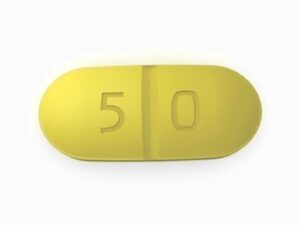
Sinequan (Doxepin) – Patient Information (UK)
Sinequan is a medicine that contains doxepin, a tricyclic antidepressant (TCA). It is used to treat certain mental health conditions and, in some cases, symptoms related to anxiety and sleep disturbance. This guide explains how it works, how it is typically used, and important safety information for people in the United Kingdom.
Always read the patient information leaflet (PIL) that comes with your medicine for the most up-to-date details and personalised advice from your healthcare professional.
Key Product Information
| Item | Details |
|---|---|
| Medicine name | Sinequan |
| Active ingredient | Doxepin |
| Medicine type | Tricyclic antidepressant (TCA) |
| Common reasons for use | Depression; sometimes anxiety-related symptoms and sleep problems, depending on individual need |
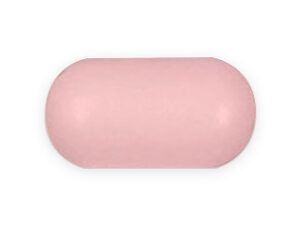
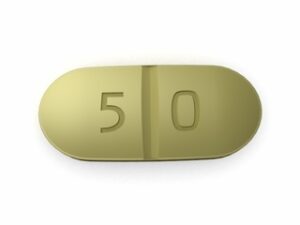
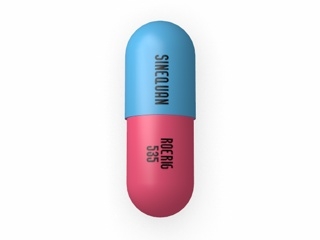
| How it may be supplied in the UK | Tablets/capsules depending on local availability and formulation |
| Where to find information | Patient Information Leaflet (PIL) and NHS resources |
How Sinequan (Doxepin) Works (Mechanism of Action)
Doxepin affects the chemicals (neurotransmitters) in the brain involved in mood and emotional regulation—particularly serotonin and noradrenaline. It helps rebalance signalling pathways that may be disrupted in depression.
- Reuptake inhibition: Doxepin reduces the reuptake of serotonin and noradrenaline into nerve cells, increasing availability in the synaptic space.
- Additional receptor effects: It can also interact with receptors involved in histamine and the autonomic nervous system, which may contribute to effects like sedation, dry mouth, and changes in heart rate.
For some people, these sedating effects can be noticeable, which is why timing of doses can matter.
Pharmacokinetics (What the Body Does to the Medicine)
Pharmacokinetics describes how the body absorbs, distributes, metabolises, and eliminates doxepin.
- Absorption: After oral administration, doxepin is absorbed through the gut.
- Distribution: It spreads throughout the body, including crossing into the brain; it binds substantially to plasma proteins.
- Metabolism: Doxepin is extensively metabolised in the liver, with active and inactive metabolites.
- Elimination: Metabolites are mainly excreted by the kidneys (urine), and some may be eliminated via other routes.
- Half-life: The duration of effect can be long because of metabolism and persistence of metabolites, meaning steady effects may take time.
Because metabolism occurs largely in the liver, other medicines and liver function can strongly influence how doxepin levels behave.
Typical Uses in the UK
Sinequan (doxepin) is primarily used as an antidepressant. Depending on clinical judgement and formulation, it may also be used when symptoms include:
- Depression (including depressive episodes in certain conditions)
- Anxiety symptoms that occur alongside low mood
- Sleep disturbance related to mood or anxiety (sedating effects may be relevant)
Important: The exact indication and suitability depend on your diagnosis, symptom pattern, and overall health. Your clinician will balance benefits with known risks—particularly with TCAs.
When and How to Take Sinequan (Timing and Practical Guidance)
Timing can be important because doxepin can cause drowsiness or reduced alertness. Many people find taking it in the evening helps with daytime side effects, but your dosing schedule should follow healthcare advice.
Typical timing approach
- If the dose makes you sleepy: it may be taken in the evening or before bed.
- If it affects you less or is prescribed multiple times daily: follow the dosing schedule given.
How to take it
- Take it at the same time(s) each day to maintain steady levels.
- Swallow tablets/capsules whole with water unless the PIL instructs otherwise.
- If you miss a dose, follow the guidance in the PIL or seek advice—do not double up unless instructed.
How long it takes to work
Antidepressants usually take time. Some people notice improvements in sleep, anxiety, or restlessness in the first 1–2 weeks, but mood-related benefits often take several weeks. If there is no improvement after an appropriate trial period, your clinician may adjust the plan.
Dosing (General Information)
Dosing varies based on the condition being treated, your age, other medicines, and tolerance. In the UK, doxepin dosing should always be individualized by a healthcare professional.
- Start low, go slow: Many people begin with a lower dose to reduce side effects, then the dose may be adjusted.
- Adjustment based on response: Treatment may require titration (gradual increases) to reach an effective dose.
- Older adults: Older people may be more sensitive to side effects (e.g., dizziness, confusion, constipation, urinary retention), so dose adjustments are often cautious.
Do not change your dose without medical guidance. If stopping is considered, gradual reduction is usually recommended to reduce the risk of withdrawal-like symptoms (see “Safety and Stopping” below).
Food Interactions and Dietary Considerations
Doxepin can generally be taken with or without food. However, food-related effects may influence absorption slightly for some people.
- With food: If nausea occurs, taking doxepin with food may help.
- Consistency matters: Taking it in a similar way each day can reduce variability in how you feel.
- Avoid sudden changes: If your diet changes significantly or you become unwell with vomiting/diarrhoea, contact your clinician for advice.
If your PIL or clinician gives specific instructions, follow those.
Alcohol and Medicines Interactions
Alcohol
It is generally recommended to avoid alcohol while taking doxepin because the combination can increase:
- Drowsiness and slowed reaction time
- Impaired judgement
- Dizziness and risk of falls
- Breathing suppression in susceptible individuals, especially at higher doses or when combined with other sedatives
Common medicine interaction categories
Doxepin can interact with other medicines via liver metabolism and additive effects on the nervous system or heart rhythm.
- Other sedatives (e.g., benzodiazepines, strong antihistamines): can increase drowsiness and impairment.
- Other antidepressants: combining can raise the risk of serotonin-related side effects, and some combinations increase TCA levels.
- Medicines that affect heart rhythm: TCAs can increase the risk of abnormal heart rhythms in some cases, especially when combined with other QT-prolonging medicines.
- Liver enzyme inhibitors: certain medicines can raise doxepin levels and side effects.
- Anticholinergic medicines: combining can worsen dry mouth, constipation, blurred vision, and urinary retention.
- Medicines for heart conditions or high blood pressure: monitoring may be needed due to blood pressure and heart-rate effects.
Always tell your healthcare professional and pharmacist about all medicines you take, including over-the-counter products and herbal supplements.
Safety Profile (Side Effects and When to Seek Help)
Like all medicines, doxepin can cause side effects. Many are dose-related and may lessen after the body adjusts. Still, some effects require prompt medical attention.
Common side effects
- Drowsiness, tiredness
- Dizziness, especially when standing up quickly
- Dry mouth
- Constipation
- Blurred vision
- Increased appetite and potential weight gain
- Sweating
- Urination changes (e.g., difficulty starting, especially in people with prostate issues)
Less common but important risks
- Changes in heart rhythm: TCAs can affect electrical activity of the heart. Risk is higher with higher doses, existing heart conditions, or interacting medicines.
- Low blood pressure on standing (orthostatic hypotension), leading to falls.
- Confusion or increased sensitivity in older adults.
- Sensitivity reactions (rash, swelling) in rare cases.
Seek urgent medical help if
- you feel faint, have a very fast/irregular heartbeat, or chest pain
- you experience severe dizziness, collapse, or significant shortness of breath
- you develop signs of an allergic reaction (swelling of face/lips, difficulty breathing)
- you have severe agitation, confusion, fever, muscle stiffness, or uncontrolled shaking (especially if combined with other serotonergic medicines)
Driving and operating machinery
Doxepin can cause drowsiness and slowed reaction time, particularly at the start of treatment or after dose changes. If you are affected, avoid driving and do not operate machinery.
Practical Use Tips for Safer, Easier Treatment
- Start when you can rest: consider taking the first doses when you can avoid early driving or high-risk activities.
- Rise slowly: to reduce dizziness, stand up gradually from sitting or lying positions.
- Manage dry mouth: stay hydrated, use sugar-free chewing gum, and maintain dental hygiene.
- Prevent constipation: increase fibre, fluids, and gentle activity if suitable; ask a pharmacist if you need an appropriate remedy.
- Plan around sleepiness: if it disrupts your day, timing or dose adjustment may help—speak with your clinician.
- Keep a symptom diary: record sleep, mood, anxiety, and side effects to support dose decisions.
- Do not stop suddenly: sudden discontinuation may increase discomfort or symptom return; tapering is usually preferred.
Who Should Take Extra Care? (Important Considerations)
Discuss doxepin carefully with your healthcare professional if you have any of the following:
- Heart disease, history of heart rhythm problems, or unexplained fainting
- High-risk heart conditions or a family history of sudden cardiac events
- Glaucoma (narrow-angle) or eye pressure problems
- Enlarged prostate or difficulty passing urine
- Severe constipation or bowel obstruction
- Liver impairment (because metabolism may be affected)
- Epilepsy or a history of seizures
- Recent alcohol/withdrawal issues or substance dependence
These factors do not necessarily mean doxepin is always unsuitable, but they do mean extra monitoring may be needed.
Stopping and Withdrawal (What to Expect)
If you need to stop doxepin, the safest approach is usually to reduce gradually under healthcare guidance. Stopping suddenly may cause:
- sleep disturbance
- irritability, anxiety, or mood changes
- flu-like symptoms
- unusual sensations (e.g., tingling)
If you experience severe symptoms when trying to reduce or stop, contact a healthcare professional for advice on slowing the taper.
Indications, Expected Benefits, and What to Monitor
Doxepin is used to treat depressive illness and can be relevant where anxiety or sleep disturbance accompanies depression. The main goals typically include:
- Improved mood and reduced depressive symptoms
- Reduced anxiety and tension
- Better sleep (where sedation helps)
- Improved daily functioning
When starting, monitor both benefits and side effects:
- First 1–2 weeks: look for sleep, appetite, and anxiety changes
- Weeks 3–6: look for improvements in mood, energy, and motivation
- Throughout treatment: watch for heart-related symptoms, worsening constipation, severe drowsiness, or mood instability
If side effects become troublesome, do not just stop—seek advice to adjust timing, dose, or consider alternatives.
Alternative Options (Discuss with Your Healthcare Professional)
Depending on your symptoms and medical history, there are other medication and non-medication approaches. Alternatives may include:
Other antidepressants
- SSRIs (e.g., sertraline, citalopram, fluoxetine)
- SNRIs (e.g., venlafaxine, duloxetine)
- Other TCAs (selected cases)
For sleep or anxiety symptoms
- Non-medicine strategies: sleep hygiene, structured routines, CBT-I or CBT approaches
- Targeted anxiety treatments: talking therapies and, where suitable, short-term medication options
Therapeutic options
- Talking therapies: CBT, counselling, and other psychological therapies
- Lifestyle and support: exercise, social support, and addressing alcohol/drug factors
Your clinician will consider previous response, side-effect tolerance, interaction risks, and your broader health picture when selecting an alternative.
Market and Legal Context in the United Kingdom
In the UK, medicines are supplied within a framework of medicines regulation and pharmaceutical practice. Guidance typically comes from bodies such as the MHRA (Medicines and Healthcare products Regulatory Agency), and clinical recommendations often draw on NICE (National Institute for Health and Care Excellence) for depression and anxiety management.
Key points for patients:
- Medicines are classified according to the legal category for supply.
- Pharmacists may provide additional checks to ensure safe use and reduce risks from interactions.
- Patients should use medicines only as advised by a qualified healthcare professional.
Recent guidance (high-level)
While recommendations evolve, recent UK-wide trends include:
- emphasis on individual risk assessment (including overdose risk, cardiac risk, and interactions)
- encouragement to use talking therapies alongside medication when appropriate
- monitoring for side effects and reviewing response regularly
If you want, you can ask your clinician or pharmacist how national guidance applies to your particular treatment plan.
Delivery and Availability (UK Online Pharmacy)
Availability can vary depending on the specific strength and formulation of Sinequan (doxepin). Many online pharmacies in the UK focus on:
- Stock checks before dispatch
- Secure packaging to protect tablets/capsules
- Tracking where available and clear delivery updates
- Customer support if there is a query about timing
Delivery times: dispatch and delivery vary by location and stock status. Most reputable UK online pharmacies provide estimated dispatch and delivery windows at checkout.
If you need this medicine urgently, contact customer support before ordering to confirm dispatch timing.
Safety and Interactions Checklist (Before You Start)
Before taking doxepin, it can help to review the following checklist with your pharmacist or clinician:
- Any current or recent medicines you take (including over-the-counter and herbal products)
- Any history of heart rhythm problems, fainting, or known heart disease
- Existing conditions such as glaucoma, constipation issues, urinary problems, or liver disease
- Alcohol use patterns
- Any previous experiences with antidepressants (helped? side effects?)
This information helps reduce risk and improves the chance of safe, effective treatment.
FAQ – Sinequan (Doxepin) in the UK
1) Is Sinequan the same as doxepin?
Yes. Sinequan is a brand name that contains doxepin as the active ingredient.
2) How quickly will I feel better?
Some people notice changes in sleep or anxiety early, but mood improvement often takes several weeks. Your clinician will typically review your response over time.
3) Can I take it in the morning?
It depends on how sleepy it makes you. If it causes drowsiness, it is commonly taken in the evening or at night. Follow your prescribed schedule and adjust only with professional advice.
4) What should I do if I miss a dose?
Check the instructions in the PIL for missed doses. In general, do not take a double dose to make up for the missed one unless advised.
5) Can I drink alcohol while taking doxepin?
It is generally advised to avoid alcohol because it can increase drowsiness, dizziness, and impairment.
6) Are there foods I should avoid?
There are no universal food bans, but taking with food may help if you experience nausea. Keep your routine consistent.
7) What are the most common side effects?
Common effects include drowsiness, dry mouth, constipation, and dizziness. If side effects are severe or persist, seek advice.
8) Is it safe to stop suddenly?
Stopping abruptly is usually not recommended. Gradual reduction is often safer. Talk to a healthcare professional before stopping.
9) Can doxepin affect driving?
Yes. Drowsiness and slowed reaction time can impair driving. Do not drive if you feel affected.
10) Who should be extra cautious?
Extra care is recommended for people with heart conditions, glaucoma, urinary retention/prostate problems, significant constipation, liver impairment, or a history of seizures. Your clinician/pharmacist will assess suitability.
Need further help? If you experience concerning side effects, worsening mood, or any emergency symptoms, seek medical help promptly.