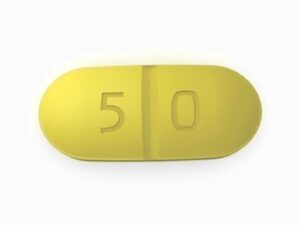
Naltrexone Hydrochloride (Naltrexone) — Patient Information (UK)
Naltrexone hydrochloride is a medicine used to help reduce alcohol and opioid misuse by blocking certain receptors in the brain. It is sometimes used as part of a wider treatment plan that may include counselling and support.
This guide explains how naltrexone works, how it is taken, what to expect, and important safety considerations for people in the United Kingdom. Always read the patient information leaflet provided with your medicine and follow professional advice tailored to you.
Quick Product Facts
| Feature | Details |
|---|---|
| Generic name | Naltrexone hydrochloride |
| What it does | Opioid receptor antagonist; helps reduce alcohol craving/relapse in certain people and blocks opioid effects |
| Common forms | Tablets (various strengths); availability may vary by supplier |
| Who it may be for | Selected adults with alcohol dependence and/or opioid dependence after opioid withdrawal |
| Typical use | Longer-term maintenance in a structured treatment plan |
| Main warnings | Do not use if dependent on opioids or if opioids are present in the body; liver considerations; precipitated withdrawal risk |
How Naltrexone Works (Mechanism of Action)
Naltrexone is classified as an opioid receptor antagonist. This means it blocks the effects of opioid drugs (such as morphine, heroin, oxycodone, codeine, and many others) at the main opioid receptors in the brain.
Importantly, because it blocks opioid receptors:
- Opioids may not work while you are taking naltrexone.
- If opioids are taken while on naltrexone, you may not get the intended effect, and you may experience harmful consequences.
- In people who still have opioids in their body, naltrexone can trigger opioid withdrawal suddenly (“precipitated withdrawal”).
For alcohol dependence, naltrexone’s effect is not simply “blocking opioids to stop drinking.” Instead, alcohol use is linked to the brain’s opioid system and reward pathways. Naltrexone is thought to reduce reinforcement and craving by influencing these pathways.
Pharmacokinetics (Absorption, Metabolism, and Elimination)
“Pharmacokinetics” describes what the body does to a medicine—how it is absorbed, processed, and removed. Below is a patient-friendly overview.
- Absorption: After taking naltrexone by mouth, the medicine is absorbed into the bloodstream. Food can affect how quickly it begins to act, but usually does not remove overall exposure.
- Distribution: Naltrexone distributes through the body and reaches the brain where it can block opioid receptors.
- Metabolism: The medicine is processed primarily in the liver. A major active metabolite is 6-β-naltrexol.
- Elimination: Naltrexone and its metabolites are cleared mainly via the kidneys (urine). Clearance may be slower in some people, such as those with kidney or liver problems.
Because metabolism involves the liver, liver function is an important part of safe use.
What Naltrexone Is Typically Used For (Indications)
Naltrexone can be used for two main purposes, in appropriate adults, depending on individual circumstances.
- Alcohol dependence: To support treatment aimed at reducing alcohol use in people with alcohol dependence.
- Prevention of relapse after opioid dependence: To help prevent relapse by blocking opioid effects, after opioid withdrawal has been completed.
Use is typically part of a structured plan that may include psychological support and monitoring. The best outcomes are often linked with regular follow-up.
Dose and Timing (How It’s Usually Taken in Adults)
Dosing can differ by indication and by patient factors such as liver function and tolerance. Your clinician will advise the dose and schedule that is right for you.
Typical adult dosing concepts
- Alcohol dependence: Often started at a low dose and increased if tolerated, depending on the treatment approach. Some regimens use a daily schedule.
- Opioid dependence (relapse prevention): Usually started only after complete opioid withdrawal. A clinician will confirm that opioids are not in your system before starting.
If you miss a dose, take it when you remember unless it is close to the time of the next dose. Do not take a double dose to “catch up” without medical advice.
When to take it
- Many people take naltrexone once daily.
- Choose a time you can remember easily. Some people prefer taking it in the morning to help notice side effects early in the day.
If you are unsure, follow the instructions on your label or your treatment plan.
Food and Naltrexone (Food Interactions)
Naltrexone can generally be taken with or without food. However, taking it consistently in relation to meals may help you avoid stomach upset.
- With food: Some people experience fewer stomach-related side effects.
- Without food: Others prefer taking it empty to keep it simple.
If you notice nausea or stomach discomfort, consider taking it with a meal.
Alcohol Interaction Information
Because naltrexone is often used to treat alcohol dependence, “alcohol interaction” is particularly important. The medication may help reduce the reinforcing effects of alcohol, but it does not guarantee safety if you drink.
- Avoid heavy drinking: Alcohol can worsen side effects and may increase risks such as low mood, sleep disturbance, or liver stress.
- Monitor how you feel: If you drink and notice dizziness, mood changes, or worsening cravings, contact your clinician.
If you are taking naltrexone for alcohol dependence, it’s best to follow your personalised treatment plan about whether and how to drink. Many programmes aim for abstinence or reduced drinking goals—your plan matters more than general advice.
Medicine Interactions (Important Drug Interactions)
Naltrexone’s main interaction is with opioid-containing medicines. It may also interact with other medicines that affect the liver or mood.
Opioid-containing medicines
While on naltrexone:
- Opioid painkillers may not work. Examples include morphine, oxycodone, hydromorphone, fentanyl, codeine and tramadol (tramadol has opioid-like effects).
- You may be unable to achieve adequate pain relief with opioids. Alternative approaches may be used for pain, depending on the situation.
- Taking opioids to “override” naltrexone can be dangerous because the body’s response is unpredictable and withdrawal may occur.
Medicines affecting the liver
Since naltrexone is processed by the liver, caution is needed if you take medicines known to affect liver function (your clinician or pharmacist can advise). Examples include some anti-epileptics and other prescription medicines that carry liver warnings.
Other considerations
- Depression and mood changes: If you have a history of depression, tell your clinician. Monitoring is important because mood symptoms can change in some people.
- Hormonal changes and severe fatigue: If you experience unusual symptoms, seek advice.
Always tell a healthcare professional about all medicines and supplements you take (including over-the-counter and herbal products).
Safety Profile: Who Should Be Careful?
Naltrexone is generally well tolerated for many patients when used appropriately. However, there are important safety points and warnings—especially regarding opioids and the liver.
Key safety concerns
- Opioid withdrawal risk: Do not start naltrexone if you are dependent on opioids or if opioids are still in your system. Starting too soon can cause sudden, uncomfortable withdrawal symptoms.
- Liver problems: Naltrexone can affect liver function. Clinicians may arrange baseline liver blood tests and follow-up tests. Seek medical advice promptly if you develop signs of liver problems (see below).
- Allergic reactions: If you develop rash, swelling, or breathing difficulty, seek urgent help.
Seek urgent medical help if you develop
- Yellowing of the skin or eyes (jaundice)
- Severe nausea or vomiting with right upper belly pain
- Dark urine or unusual pale stools
- Severe abdominal pain or significant worsening fatigue
Common side effects
Side effects vary from person to person. Many improve over time, especially during the early phase of treatment.
- Nausea
- Headache
- Dizziness
- Fatigue or drowsiness
- Trouble sleeping or changes in sleep pattern
- Reduced appetite
- Stomach discomfort
Less common but important effects
- Mood changes, including anxiety or depression
- Abnormal liver blood tests
If symptoms are severe, persistent, or worrying, contact your clinician promptly.
Practical Tips for Using Naltrexone
1) Make sure opioids are fully cleared before starting
Because naltrexone can block opioid receptors, starting it while opioids are still present can trigger withdrawal. If you have recently used opioid medicines or other opioids, discuss timing carefully with your clinician.
2) Tell healthcare professionals you take naltrexone
- Let dentists, emergency departments, and other clinicians know.
- Carry a note or use a medication reminder on your phone.
- Ask about non-opioid options for pain where appropriate.
3) Keep follow-up appointments
Follow-up supports safety (including liver checks when appropriate) and helps assess whether the treatment is helping. Many people do better when combined with structured support.
4) Track alcohol goals and triggers
- Write down situations that trigger craving.
- Plan alternatives (support calls, coping strategies, avoiding high-risk environments).
- Celebrate milestones—small steps matter.
5) Avoid abrupt stopping without advice
If you wish to stop or change your dose, discuss it with a clinician. A planned approach can reduce the risk of relapse or withdrawal-related concerns depending on your history.
Alternative Options (If Naltrexone Is Not Suitable)
“Best” treatment depends on your goals, medical history, and what else is available locally. If naltrexone isn’t suitable, clinicians may consider alternatives.
For alcohol dependence
- Acamprosate: Helps support abstinence in some people and is used as part of alcohol dependence treatment plans.
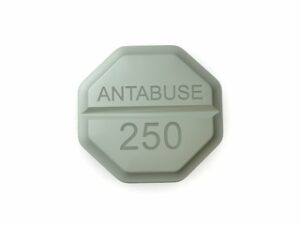
- Disulfiram: Works differently by discouraging alcohol use through an unpleasant reaction if alcohol is consumed (not suitable for everyone).
- Behavioural and psychosocial therapies: Support programmes, motivational interviewing, and structured counselling often play a key role.
For opioid dependence (relapse prevention/maintenance)
- Methadone: Long-term opioid agonist maintenance in some settings.
- Buprenorphine: Often used for maintenance and has different safety considerations.
- Support services and psychosocial interventions: Treatment plans commonly combine medication with counselling.
Only a healthcare professional can determine which option is appropriate for your circumstances.
UK Market and Legal Context (General Overview)
In the United Kingdom, medicines such as naltrexone are regulated and supplied through licensed channels. Availability can depend on local prescribing practices, formulation, and stock levels.
Information here is intended for patient understanding. It is important to follow UK healthcare guidance and local service pathways. If you are unsure what services are available to you, your GP, pharmacist, or local addiction service can guide you.
Recent guidance (high-level)
UK clinical practice for addiction care typically emphasises:
- Structured assessment and monitoring
- Combined medication and psychosocial support
- Safety checks (including careful opioid withdrawal timing and liver monitoring where relevant)
- Risk reduction and relapse prevention strategies
Guidance documents and service standards may be updated over time. Your clinician can share the most current local recommendations.
Delivery and Availability (What to Expect When Ordering in the UK)
Availability of naltrexone products may vary by strength, manufacturer, and supplier. In an online pharmacy, you can typically expect:
- Order processing: Orders are usually prepared once payment and eligibility checks (if applicable) are completed.
- Dispatch timing: Dispatch times depend on stock and delivery option selected.
- Delivery: Deliveries in the UK are commonly made by tracked services.
- Packaging: Medicines are supplied in sealed packaging with patient information.
If you need the medicine urgently, contact the pharmacy’s customer service to discuss availability and the fastest dispatch options.
FAQ — Naltrexone in the UK
1) Can I take naltrexone if I use opioid painkillers or heroin?
Naltrexone blocks opioid receptors. If you are currently using opioids or have opioid dependence that is not fully withdrawn, naltrexone can cause withdrawal and can interfere with pain control. Always discuss opioid use with a healthcare professional before starting.
2) How long does naltrexone take to start working?
Many people notice effects related to receptor blockade and side effects within hours of a dose. However, the full benefit for alcohol dependence or relapse prevention may take weeks and is best assessed through regular follow-up.
3) What happens if I drink alcohol while taking naltrexone?
Naltrexone may reduce alcohol reinforcement for some people, but it does not make alcohol “safe.” Alcohol can still affect your health, mood, sleep, and liver. Follow your personalised treatment goals and discuss any drinking patterns with your clinician.
4) Does food affect naltrexone?
Naltrexone can usually be taken with or without food. If you get nausea or stomach upset, try taking it with a meal.
5) Will naltrexone block all opioid effects completely?
Naltrexone significantly blocks opioid receptor effects, but responses can vary. Taking opioids to “test” or override the blockage is dangerous and not recommended. If pain relief is required, seek medical advice promptly.
6) Is naltrexone safe for the liver?
Naltrexone can affect liver function in some people. Clinicians may perform liver blood tests before and during treatment, especially if you have existing liver problems or risk factors. Do not ignore symptoms that may suggest liver issues (jaundice, dark urine, severe abdominal pain).
7) What side effects are most common?
Common side effects include nausea, headache, dizziness, fatigue, sleep disturbance, and stomach discomfort. If symptoms are severe or persistent, speak to a clinician.
8) If I miss a dose, what should I do?
Take it when you remember unless it is close to the next dose. Do not take double doses. If you miss several doses, contact your pharmacist or clinician for advice.
9) Can I stop naltrexone suddenly?
Stopping without advice may affect relapse risk or treatment progress. Discuss stopping plans with a healthcare professional, particularly if you have been taking it for opioid-related relapse prevention.
10) Are there any driving or machinery concerns?
Some people experience dizziness, drowsiness, or fatigue. If you feel affected, avoid driving or using machines until you know how naltrexone affects you.
Summary
Naltrexone hydrochloride is an opioid receptor antagonist used in carefully selected adults to support treatment for alcohol dependence and to help prevent relapse in opioid dependence after withdrawal. It works by blocking opioid receptors, which is why it is crucial to avoid starting when opioids may still be present in the body.
Because naltrexone can have liver-related risks and because it can interfere with opioid medicines, safe use involves proper screening, follow-up monitoring, and clear communication with healthcare professionals.
If you have questions about your specific situation—such as recent opioid use, liver health, or medication interactions—ask your pharmacist or clinician. They can help you use naltrexone safely and effectively as part of your overall treatment plan.