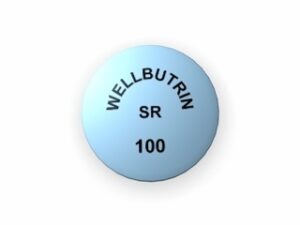

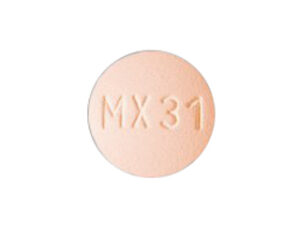
Bupropion Hydrochloride (Bupropion) — Patient Information (UK)
Bupropion hydrochloride is a prescription medicine used to treat certain mental health conditions. It works in the brain by affecting specific chemical messengers (neurotransmitters), and it is also known for a different side-effect profile compared with some other commonly used antidepressants.
This page explains how bupropion works, how it is taken, what to expect, safety considerations, and practical tips. It also covers important interactions (including with alcohol and other medicines) and the current medicines landscape in the UK.
Basic product information
| Category | Details |
|---|---|
| Generic name | Bupropion hydrochloride |
| Common uses | Depression; smoking cessation support (in some formulations/contexts) |
| Medicine type | Antidepressant; in certain contexts also used to help people stop smoking |
| How it’s taken | Tablets by mouth (formulations may include modified-release) |
| Onset of benefit | Often 1–2 weeks for some symptoms; clearer benefit may take several weeks |
| Key precautions | Seizure risk (dose-related), interaction potential, alcohol use, abrupt stopping |
How bupropion works (mechanism of action)
Bupropion is believed to work mainly by influencing dopamine and noradrenaline (also called norepinephrine). It helps regulate the levels and signalling of these neurotransmitters, which may improve mood, energy, and motivation.
Unlike some antidepressants that directly target serotonin, bupropion has less direct serotonergic activity. This contributes to differences in side-effect patterns for many people. Bupropion is also associated with effects on brain pathways involved in cravings and withdrawal, which is part of the reason it may be considered for smoking cessation in certain circumstances.
Pharmacokinetics (how the body handles bupropion)
“Pharmacokinetics” describes how the medicine is absorbed, distributed, metabolised, and eliminated.
Absorption and activation
After you swallow bupropion, it is absorbed from the gut. The body metabolises bupropion in the liver (primarily via enzymes such as CYP2B6) into active metabolites.
Active metabolites
A key metabolite is hydroxybupropion. Another is thr ee-different metabolites depending on formulation and patient factors; these contribute to overall effect over time.
Half-life and duration
Bupropion and its metabolites have a prolonged presence in the body. Depending on the formulation (immediate-release vs. modified-release) and your personal metabolism, effects may last throughout the day and across multiple days.
Elimination
Metabolites are eliminated mainly via the kidneys (urine). In people with significant kidney impairment, medicine levels may build up, so dosing and monitoring may differ.
Typical uses in the UK
In the UK, bupropion is used in specific clinical situations. It may be considered for:
- Depression (major depressive episodes), particularly when a different antidepressant profile is desirable or when other options are unsuitable.
- Support to stop smoking in certain settings, depending on formulation and local guidance.
Your clinician will decide whether bupropion is appropriate for you based on your symptoms, medical history, current medicines, and risk factors.
When to take bupropion (timing and routine)
Timing can influence how well you tolerate the medicine. Many people are advised to take bupropion in the morning to reduce the risk of insomnia (difficulty sleeping), particularly with activating medicines.
General practical guidance
- Take it at the same time each day to keep levels steadier.
- If your prescriber gives a twice-daily plan, try to keep the second dose well before bedtime (for example, early evening rather than late at night).
- Do not crush or split modified-release tablets unless your product instructions explicitly allow it.
If you miss a dose, follow the instructions provided with your specific product. In many cases, you should not take a double dose to make up for a missed one.
Indications and expected course of treatment
Bupropion is indicated for treatment of depressive illness in appropriate patients and may be used as part of a smoking cessation strategy in selected circumstances.
What to expect during the first weeks
- Early changes: some people notice improved sleep, energy, or concentration within 1–2 weeks.
- Full effect: mood improvement may take several weeks.
- Adjustments: if symptoms persist, your clinician may adjust the dose or consider another approach.
It is important to continue as directed even if you feel no benefit at first. However, if you experience troubling side effects or worsening mental health, seek advice promptly.
Dosing (overview for UK patients)
Dose depends on the formulation (immediate-release vs. modified-release), your medical history, and how you tolerate the medicine. The goal is to use the lowest effective dose while minimising side effects.
Because seizure risk is dose-related, you should never take more than the recommended dose, and you should avoid combining with other medicines that increase seizure risk.
Typical initiation and titration
- Many people start on a lower dose and increase gradually to help reduce side effects.
- When using modified-release formulations, the dosing schedule is often simpler (once daily), but it still varies by product strength.
Who may need extra caution
- People with a history of seizures or conditions that increase seizure risk.
- Those who consume significant amounts of alcohol or have a history of heavy alcohol use.
- People with eating disorders such as bulimia or anorexia nervosa.
- Individuals with significant liver impairment (dose adjustments may be necessary).
- Those taking medicines that interact strongly via liver enzymes.
Always follow the dosing instructions provided for your specific product. If you are unsure, speak to a pharmacist or clinician.
Safety profile and side effects
Like all medicines, bupropion can cause side effects. Many are mild and improve after the first days or weeks, but some require urgent medical attention.
Common side effects
- Nausea
- Dry mouth
- Headache
- Dizziness
- Insomnia or sleep disturbance
- Agitation or restlessness
- Tremor
- Increased sweating
- Constipation
- Reduced appetite
- Changes in blood pressure (usually small, but monitored in some patients)
Less common but important risks
- Seizures (rare, but risk increases with higher doses and certain risk factors).
- Hypertension (some people experience an increase in blood pressure).
- Allergic reactions (for example, rash, swelling, breathing difficulties).
- Psychiatric effects: worsening mood, agitation, or suicidal thoughts, particularly early in treatment or after dose changes.
Seek urgent help if you experience
- Symptoms of seizure (convulsions, loss of consciousness).
- Signs of a serious allergic reaction (swelling of face/lips, difficulty breathing).
- Severe agitation, confusion, or feeling significantly worse emotionally.
Food interactions and dietary considerations
Bupropion can generally be taken with or without food, depending on your product instructions. However, food can affect stomach comfort.
- If you experience nausea, taking it with a small meal may help.
- Avoid large changes in meal timing or very irregular intake, particularly in the first few days.
There are no commonly cited “must avoid” foods specifically for bupropion, but your clinician may advise against certain supplements or herbal products that affect liver enzymes.
Alcohol interactions
Alcohol can interact with bupropion in important ways. Drinking alcohol may increase the risk of seizures and can worsen side effects such as dizziness and sleep disturbance.
Practical advice
- Try to avoid alcohol during the initial treatment phase, or keep intake to the lowest possible amount.
- If you have heavy or regular alcohol use, do not stop suddenly without medical advice—sudden withdrawal can itself increase seizure risk.
- If you feel intoxicated more quickly than expected, do not drive and seek advice.
Medicine interactions (including safety with other treatments)
Interactions depend on your other medicines, liver enzyme activity, and individual risk factors. Always tell your pharmacist or clinician about all medicines you take, including over-the-counter products and herbal supplements.
Medicines that may increase seizure risk
Combining bupropion with medicines that lower the seizure threshold can raise seizure risk. Examples may include:
- Some antipsychotics
- Some antidepressants
- Stimulants used for attention disorders
- Systemic corticosteroids at higher doses
- Medicines that interact to increase bupropion levels
Medicines that may affect bupropion levels
Some medicines can change the way your liver metabolises bupropion, which can either increase side effects or reduce effectiveness. These can include:
- Medicines that inhibit liver enzymes involved in bupropion metabolism
- Medicines that induce liver enzymes
Other antidepressants and mental health medicines
If you switch between antidepressants or combine therapies, clinicians often manage timing carefully to reduce risks such as additive side effects. Never start, stop, or change doses without advice.
Statutory “do not combine” situations
Certain combinations or conditions can be unsafe. The safest approach is to check your full medication list with a pharmacist, particularly if you are:
- Taking multiple antidepressants
- Using regular stimulants
- Taking medicines for epilepsy or migraine prevention
- Using medicines that affect blood pressure
Practical use tips for everyday life
The following tips can help you use bupropion more comfortably and safely:
Optimise sleep and daily energy
- Take your dose earlier in the day if you feel restless or wired.
- Maintain a consistent sleep schedule during the first few weeks.
- If you develop insomnia, consider speaking to a pharmacist about timing rather than changing dose on your own.
Reduce nausea and stomach upset
- Take with food if recommended or if you notice stomach discomfort.
- Stay hydrated and eat regular meals.
Monitor mood and side effects
- Keep track of your mood, sleep, appetite, and any side effects.
- Write down the date you started and any dose changes—this helps clinicians interpret patterns.
Do not stop suddenly
Stopping antidepressants abruptly may cause symptoms such as mood changes, irritability, or physical discomfort. If you want to stop or reduce, discuss a gradual plan with your clinician.
Missed dose advice
If you miss a dose, the correct action depends on your dosing schedule and product formulation. In many cases:
- If you remember soon after the scheduled time, take it as directed.
- If it is near the time for your next dose, skip the missed dose—do not take a double dose.
Please refer to your specific patient information leaflet or ask a pharmacist for guidance.
Alternative options (if bupropion is not suitable)
There are several alternatives for depression and smoking cessation, and the best choice depends on your symptoms, medical history, and what has and hasn’t worked before.
For depression
- Selective serotonin reuptake inhibitors (SSRIs) (commonly used first-line options)
- Serotonin-noradrenaline reuptake inhibitors (SNRIs)
- Other antidepressants with different mechanisms
- Psychological therapies (such as CBT) alone or in combination
For smoking cessation
- Nicotine replacement therapy (patches, gum, lozenges)
- Varenicline (where appropriate)
- Behavioural support and stop-smoking programmes
A clinician can help you weigh benefits and risks and decide whether a different medicine, dose, or therapy plan is safer for you.
UK market and legal context (overview)
In the UK, bupropion is an established medicine and is used under clinical supervision in appropriate circumstances. As with other prescription-only medicines, it is supplied via regulated routes and is subject to pharmacy and prescribing rules.
Healthcare professionals and patients are expected to follow official guidance, including safety monitoring and advice on interactions. Pharmacists play a key role in checking suitability, reviewing your medicine list, and advising on how to take bupropion correctly.
Recent guidance and monitoring themes
While guidance can vary by condition and individual circumstances, recent and ongoing UK clinical emphasis generally includes:
- Careful assessment of risk factors (including seizure risk where relevant).
- Monitoring for mood changes early in treatment and after dose adjustments.
- Attention to interactions, especially with other CNS-active medicines and substances that affect seizure threshold.
- Support for smoking cessation using a combination of behavioural support and medication when appropriate.
Delivery and availability in the UK
Availability and delivery options may depend on your location, stock status, and the type of product (strength and formulation).
What to expect when ordering
- Packaging: medicines are supplied in secure pharmacy packaging.
- Dispatch times: many online pharmacies aim for fast dispatch; exact timings depend on your area and order verification.
- Tracking: some services provide delivery updates or tracking.
- Cold chain: bupropion tablets generally do not require special temperature handling.
If you need your medicine urgently, check estimated delivery times at checkout and contact customer support for advice.
Safety checklist before starting (UK patient checklist)
Consider discussing the following with your pharmacist or clinician:
- Your personal history of seizures or head injury.
- Any history of eating disorders (bulimia or anorexia nervosa).
- Your alcohol intake (especially heavy or daily drinking).
- Any liver or kidney problems.
- All current medicines, including over-the-counter products and supplements.
- Any history of high blood pressure.
- Whether you are planning to stop smoking (if bupropion is being used for cessation support).
FAQ — Bupropion (Bupropion hydrochloride)
1) How long does bupropion take to work?
Some people notice improvements in sleep, energy, or concentration within 1–2 weeks. Clear mood improvement often takes several weeks. If there is no benefit after an appropriate trial, your clinician may review your dose or treatment plan.
2) Will bupropion make me feel “activated” or restless?
It can. Some people experience insomnia, agitation, or feeling more energised. Taking the dose earlier in the day and using gradual dose increases (as directed) can help. If restlessness is severe, speak with a healthcare professional.
3) Can I take bupropion with food?
Often yes. If it upsets your stomach, taking it with a meal may help. Always follow the leaflet and instructions provided for your specific product.
4) Is it safe to drink alcohol while taking bupropion?
Alcohol can increase risk of side effects and may raise seizure risk. It’s usually best to avoid alcohol, especially early on. If you drink regularly or heavily, discuss a safe plan with a clinician—do not stop suddenly without advice.
5) What should I do if I miss a dose?
Follow the guidance in the patient leaflet for your formulation. In many cases, you should not take a double dose. If unsure, ask a pharmacist.
6) Can I stop bupropion suddenly?
Stopping abruptly may lead to withdrawal-like symptoms or a return of depressive symptoms. If you want to stop, talk to your clinician about a gradual reduction plan.
7) Does bupropion affect blood pressure?
It may. Some people experience increases in blood pressure, so clinicians may monitor your readings, especially if you have existing hypertension or other cardiovascular risks.
8) Does bupropion interact with other antidepressants?
It can. Interactions depend on the specific medicines. Always share your full medication list with a pharmacist or clinician before starting or changing antidepressants.
9) What are the signs of a serious reaction?
Seek urgent help for suspected seizures, severe allergic reactions (swelling of face/lips, breathing difficulty), or rapidly worsening mental health symptoms.
10) Are there alternatives if I cannot take bupropion?
Yes. For depression, there are multiple antidepressant options and psychological therapies. For smoking cessation, nicotine replacement therapy, varenicline (where appropriate), and behavioural support can be considered. A clinician can help choose the safest fit for you.
11) Is bupropion available online in the UK?
Availability varies by product strength and formulation, and ordering may involve pharmacy checks. Delivery timelines depend on your location and stock status.
12) Can I drive or operate machinery?
If you feel dizzy, unusually sleepy, or experience impaired concentration, avoid driving and seek advice. Many people can drive safely once they know how the medicine affects them, but this varies by individual.
Key takeaways
- Bupropion works primarily by affecting dopamine and noradrenaline signalling.
- It can improve depressive symptoms over weeks, with some early changes sometimes occurring sooner.
- Timing matters: taking it earlier can help reduce insomnia for many people.
- Seizure risk is an important consideration, particularly with high doses or certain risk factors.
- Avoid or minimise alcohol and always review interactions with other medicines.
- Use gradual dose adjustments and avoid abrupt stopping unless advised.
If you have any concerns about suitability, interactions, or side effects, speak with a pharmacist or clinician. They can help ensure bupropion is the right choice for you and guide you safely from start to finish.