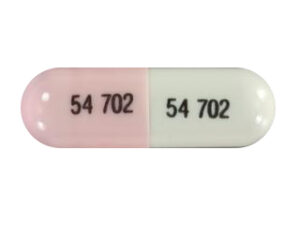
Escitalopram (UK) – Patient Information
Escitalopram is a commonly used medicine for a range of mental health conditions, particularly depression and anxiety disorders. It belongs to a group of antidepressant medicines known as SSRIs (Selective Serotonin Reuptake Inhibitors).
This guide explains how escitalopram works, how it is typically taken, what to expect, and key safety information for people in the United Kingdom.
Quick overview
| Category | Details |
|---|---|
| Medicine name | Escitalopram |
| Class | SSRI antidepressant |
| Common forms | Tablets (strengths vary by product) |
| Common uses | Depression, generalised anxiety disorder, panic disorder, social anxiety disorder (as advised) |
| How it’s taken | Once daily, same time each day |
| Time to benefit | Some improvement may begin after 1–2 weeks; full effect often takes several weeks |
| Typical side effects | Nausea, headache, sleep changes, dry mouth, sweating, sexual dysfunction |
Basic product information (UK)
In the UK, escitalopram is prescribed and supplied as tablets. Availability may include different brand names and generic versions depending on the supplier.
If you are unsure which strength you have, check the packaging or product label. Different strengths are used to match individual needs and tolerability.
How escitalopram works (mechanism of action)
Escitalopram increases the effect of serotonin in the brain by blocking its reuptake into nerve cells. Serotonin is a chemical messenger involved in mood, anxiety, sleep, appetite, and other functions.
Over time, these changes can help reduce symptoms of:
- Depression (low mood, loss of interest, low energy)
- Anxiety (worry, tension, fear responses)
- Other anxiety-related conditions
While the serotonin effect begins soon after taking the medicine, symptom relief usually takes longer, which is why early days can feel unchanged before benefits gradually appear.
Pharmacokinetics: how the body processes escitalopram
“Pharmacokinetics” describes how the medicine is absorbed, distributed, metabolised, and eliminated.
- Absorption: Escitalopram is absorbed from the stomach and intestines after oral dosing.
- Peak levels: Blood concentrations typically peak a few hours after a dose.
- Metabolism: The liver breaks down escitalopram mainly via CYP2C19 (and to a lesser extent other pathways).
- Elimination: The medicine is removed from the body through metabolism and excretion.
- Half-life: Escitalopram has a relatively long half-life, supporting once-daily use.
Because of this, missing a dose may not cause immediate withdrawal symptoms, but consistency still matters—especially during the first weeks of treatment or when changing dose.
Typical uses and indications (UK)
Escitalopram is used for several mental health conditions. Your healthcare professional will decide what is appropriate for you based on symptoms, history, and tolerability.
- Major depressive episodes (depression)
- Generalised anxiety disorder (GAD)
- Panic disorder (with or without agoraphobia)
- Social anxiety disorder (social phobia)
If you are using escitalopram for a condition not listed above, follow the plan given to you and refer to your local product information leaflet for details.
When to take escitalopram (timing)
Many people take escitalopram once daily, at about the same time each day.
- Morning: If it makes you feel energised or keeps you awake, taking it in the morning may help.
- Evening: If it makes you feel drowsy, evening dosing may be preferable.
- With or without food: It can be taken either way; see “Food interactions” below.
If you feel side effects are affecting your day, speak to a healthcare professional before making changes. Do not stop suddenly without guidance, as withdrawal-like symptoms can occur.
Dosing: common starting and maintenance approach
Dosing varies by condition, age, and tolerance. The information below is typical and should align with guidance provided for your specific situation.
Adults (general)
- Starting dose: often begins at a lower dose to minimise side effects.
- Adjustment: may be increased gradually depending on response and tolerability.
- Maximum: dosing may be limited by product guidance and individual risk factors.
Elderly (older adults)
- Lower doses may be recommended at the start and for maintenance, as sensitivity to side effects can be higher.
Liver impairment or kidney impairment
- Dose adjustments may be needed if you have significant liver or kidney problems.
What if you miss a dose?
- If you remember within the same day, take it when you remember.
- If it is close to the next scheduled dose, skip the missed dose.
- Do not double to make up for a missed dose.
If you miss multiple doses or you are unsure what to do, check the patient leaflet that comes with your medicine or contact a healthcare professional.
Food interactions
Food does not usually require special timing adjustments. Escitalopram can generally be taken with or without food.
However, some people find that taking the dose with food reduces common early side effects such as nausea. If nausea is an issue, experimenting with taking it after a meal may help.
Alcohol interactions
It’s generally recommended to avoid or limit alcohol while taking escitalopram, especially in the early weeks, because alcohol can:
- worsen mood and anxiety symptoms
- increase sleep disruption
- make side effects harder to manage (e.g., dizziness, drowsiness)
If you choose to drink, discuss safe limits with your healthcare professional, particularly if you have other health conditions or take multiple medicines.
Medicine interactions (important)
Escitalopram can interact with other medicines. These interactions may increase side effect risk or change how well medicines work.
Medicines to be cautious about
- MAO inhibitors (and related antidepressants): can be dangerous with SSRIs.
- Other serotonergic medicines (e.g., some migraine treatments such as triptans, linezolid, certain opioids like tramadol, St John’s Wort): may raise the risk of serotonin syndrome.
- Drugs affecting bleeding risk (e.g., warfarin, other anticoagulants, antiplatelet drugs, some NSAIDs): SSRIs can increase bleeding tendency.
- Medicines that affect heart rhythm or lower heart rate: escitalopram may affect the electrical activity of the heart (QT prolongation), especially at higher doses or with interacting medicines.
- Medicines that affect CYP2C19: because escitalopram is partly metabolised by CYP2C19, other drugs can increase escitalopram blood levels in some people.
Practical steps to reduce interaction risk
- Tell your healthcare professional about all medicines and supplements you take, including herbal remedies.
- If you start or stop a medicine, check whether it may interact with escitalopram.
- Do not combine serotonergic supplements or antidepressants without advice.
Safety profile: common and serious side effects
Like all medicines, escitalopram can cause side effects. Many are mild and improve after the first 1–2 weeks, but some need attention.
Common side effects
- Nausea
- Headache
- Sleep changes (sleepiness or insomnia)
- Dizziness
- Dry mouth
- Increased sweating
- Sexual side effects (reduced libido, difficulty achieving orgasm, erectile/ejaculatory changes)
- Fatigue or agitation in the early phase
Less common but important
- Bleeding tendency (e.g., easy bruising, nosebleeds, bleeding gums)
- Abnormal bleeding especially if combined with anticoagulants or antiplatelet medicines
- Serious allergic reactions (rare)
Seek urgent help if you experience
- Serotonin syndrome symptoms, such as high temperature, severe agitation, confusion, fast heartbeat, sweating, tremor, or diarrhoea
- Severe allergic reaction (swelling of face/lips, difficulty breathing)
- Unusual bruising/bleeding that is heavy or persistent
- Mania symptoms (feeling unusually energetic, decreased need for sleep, racing thoughts)
- Thoughts of self-harm or worsening depression, particularly in the early stages of treatment or after dose changes
If you feel unsafe or your symptoms worsen significantly, seek immediate medical advice.
Practical use tips (how to make treatment easier)
- Give it time: mood and anxiety improvements often take several weeks. Early side effects do not always predict long-term results.
- Track your experience: noting sleep, anxiety levels, and any side effects can help your healthcare team decide on dose changes.
- Be cautious with driving: if you feel dizzy or drowsy, avoid driving or risky activities until you know how you respond.
- Stay hydrated and eat regularly: nausea and dizziness can be easier to manage with food and fluids.
- Don’t stop suddenly: stopping abruptly can cause discontinuation symptoms (e.g., dizziness, “brain zaps”, irritability, nausea, sleep disturbance).
- Plan changes carefully: dose adjustments are usually made gradually to reduce side effects.
Alternative options (if escitalopram isn’t suitable)
There are multiple treatment options for depression and anxiety. If escitalopram is not right for you (for example, due to side effects, interactions, or insufficient response), a healthcare professional may consider alternatives.
Therapy options
- Cognitive Behavioural Therapy (CBT)
- Other talking therapies depending on availability and your needs
Other medicines
- Other SSRIs (e.g., sertraline, citalopram, fluoxetine, paroxetine—depending on suitability)
- Other antidepressant classes (e.g., SNRIs such as venlafaxine or duloxetine, depending on diagnosis and risk profile)
Choice depends on your symptoms, medical history, other medicines, and how you tolerate side effects. Never switch medicines without guidance.
UK market and legal context (what to expect)
In the United Kingdom, escitalopram is an established medicine used in routine clinical practice. It is available through NHS and private healthcare pathways depending on circumstances.
Online pharmacy suppliers in the UK may offer:
- medicine information and delivery to eligible areas
- support services where permitted and appropriate
- pharmacist advice on medicines use, side effects, and interactions
Medicines regulation and dispensing requirements in the UK are designed to ensure safe supply and appropriate patient checks.
Recent guidance and current clinical approach (UK)
Treatment decisions for depression and anxiety in the UK commonly emphasise:
- Stepwise care (talking therapies and lifestyle interventions may be considered first or alongside medication)
- Careful monitoring early on, especially during the first few weeks and after dose changes
- Reviewing effectiveness and tolerability and adjusting the plan if symptoms do not improve
- Safer prescribing practices, including attention to drug interactions and risk factors
Always follow the monitoring and follow-up plan provided by your healthcare professional.
Delivery and availability (online pharmacy)
Availability can vary by supplier, product brand, and tablet strength. Typical delivery factors include stock status, dispatch times, and your delivery location within the UK.
- Stock checking: products may be dispatched once confirmed in-stock.
- Packaging: medicines are usually supplied in original packaging with leaflets where applicable.
- Tracking: many services offer dispatch notifications and tracking.
Check the product page for estimated delivery times, delivery charges, and returns policy.
Storage and handling
- Store at room temperature, away from excessive heat and moisture.
- Keep tablets in the original container and out of reach of children.
- Do not use after the expiry date on the packaging.
FAQ about escitalopram (UK)
1) How long does escitalopram take to work?
Some people notice small improvements after 1–2 weeks, but it commonly takes several weeks to feel the full benefit. The exact timing varies by person and dose.
2) What should I do if I feel worse at the start?
Early side effects or temporary changes can occur. However, if depression or anxiety significantly worsens, or you develop concerning symptoms (such as unusual agitation or suicidal thoughts), seek urgent medical advice.
3) Can I take escitalopram with food?
Yes. Escitalopram can usually be taken with or without food. Taking it with food may reduce nausea for some people.
4) Is it safe to drink alcohol while taking escitalopram?
It is generally best to avoid or limit alcohol because it can worsen mood and anxiety and may increase side effects like dizziness or sleep disturbance.
5) Will escitalopram affect my sex drive?
Sexual side effects can occur with SSRIs, including escitalopram. If you notice changes, discuss them with your healthcare professional—there may be ways to manage or adjust treatment.
6) What happens if I miss a dose?
If you remember on the same day, take it when you remember. If it is near the next dose, skip the missed one. Do not double up. If you miss several doses, seek advice.
7) Can escitalopram cause withdrawal or discontinuation symptoms?
Stopping suddenly can lead to discontinuation symptoms such as dizziness, irritability, nausea, or sleep problems. Any stopping or dose reduction should usually be gradual with medical guidance.
8) What medicines should I avoid combining with escitalopram?
Avoid combining with other serotonergic agents and be cautious with medicines that increase bleeding risk or affect heart rhythm. Always check your current medicines and supplements with a healthcare professional.
9) Can I drive after taking escitalopram?
If you feel dizzy, drowsy, or otherwise less alert, avoid driving until you know how you respond. Early side effects may affect some people.
10) Are there groups of people who need extra caution?
Extra care may be needed for people with heart rhythm concerns, liver impairment, a history of bipolar disorder/mania, those taking interacting medicines, or those at higher risk of bleeding. Your clinician may choose a lower starting dose and monitor more closely.
Important: This page is designed to help you understand escitalopram in everyday terms. For personal advice, always follow the guidance of a qualified healthcare professional and the patient information leaflet that comes with your medicine.