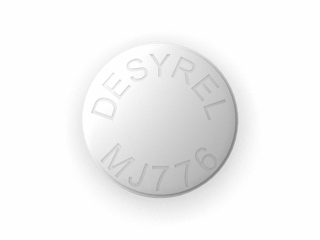

Desyrel (Trazodone) – Patient Information (UK)
Desyrel is a medicine containing trazodone, used mainly for the treatment of depressive illness and, in some situations, for sleep-related symptoms associated with mood disorders. This guide explains how Desyrel works, how it’s taken, what to expect, and key safety information to help you use it more confidently.
This page is intended to help patients understand their medicine. It does not replace advice from a healthcare professional.
At a Glance
- Active ingredient: Trazodone
- Common uses: Depression; sometimes depression-related insomnia
- How it works: Balances serotonin activity and can reduce anxiety/restlessness
- Typical onset: Sleep effects may improve earlier; mood benefits often take weeks
- Common side effects: Sleepiness, dizziness, dry mouth, nausea, headache
- Important cautions: Risk of drowsiness, interactions with alcohol and other medicines, and rare heart rhythm effects
Basic Product Information
Brand name: Desyrel
Generic name: Trazodone
Medicine type: Antidepressant (often categorised as a serotonin antagonist and reuptake inhibitor)
Available forms: Tablets (strengths vary by product and manufacturer)
In the UK: Trazodone is available as a medicine in different formulations depending on supply and licensing status. Always check the strength and instructions on your specific pack or label.
How Desyrel Works (Mechanism of Action)
Trazodone is thought to work mainly through effects on serotonin, a brain chemical involved in mood, anxiety, and sleep.
- Serotonin receptor modulation: Trazodone blocks certain serotonin receptors (notably 5-HT2A), which can help reduce some depressive symptoms and anxiety-related features.
- Serotonin reuptake effects: It also influences serotonin reuptake, supporting improved mood regulation.
- Sedating properties: At lower doses, trazodone can be more noticeable as a sleep-supporting medicine, which is one reason it may be used when insomnia is part of depression.
Because the brain adapts over time, mood improvements usually take longer than early changes in sleep or restlessness.
Pharmacokinetics: How the Body Handles Trazodone
Pharmacokinetics describes what the body does to a medicine (absorption, distribution, metabolism, and elimination).
- Absorption: Trazodone is absorbed through the gastrointestinal tract after taking a tablet.
- Metabolism: It is mainly metabolised in the liver by enzymes including CYP3A4. This is important because some medicines can speed up or slow down trazodone levels.
- Distribution: It reaches the brain and other tissues, contributing to its antidepressant and sedative effects.
- Elimination: Breakdown products are removed primarily via urine.
Clinical implication: Avoiding medicine interactions that affect CYP3A4 helps reduce the risk of excessive side effects or reduced effectiveness.
Typical Use in the UK
Desyrel (trazodone) is used for:
- Depression: Particularly where symptoms include disturbed sleep, anxiety, or agitation.
- Depression-related insomnia (in some care plans): When a healthcare professional determines that trazodone’s sedating effect is beneficial.
Important note: Treatment plans vary by individual. Your prescriber will consider your medical history, other medicines, and how you respond over time.
When to Take Desyrel: Timing and How to Use It
How you take Desyrel depends on your prescribed schedule and your response (especially regarding daytime sleepiness).
- Common approach: Many people take it later in the day due to its sedating effect.
- Adjusting to side effects: If you feel drowsy, your clinician may adjust the dose or timing.
- Steady routine helps: Taking it consistently can improve predictability of sleep and side effects.
Practical tip: If you are new to Desyrel, be cautious the first few days when driving, cycling, or using machines until you know how it affects you.
Food Interactions: Can You Take Desyrel With Meals?
Food may affect how quickly some medicines absorb, but trazodone is generally taken with or without food depending on tolerability.
- If you get nausea: Taking your dose with a light meal or after food may help.
- If you feel too sleepy: Avoid heavy meals late at night if that worsens sedation for you.
General advice: Follow the specific instructions on your label. If you have been told to take it a certain way (e.g., after meals), follow that guidance.
Alcohol and Medicine Interactions
Alcohol
Avoid alcohol while taking Desyrel unless your healthcare professional has specifically said it is safe for you.
- Alcohol can increase drowsiness, dizziness, and impaired coordination.
- It may worsen mood symptoms and sleep quality.
- Combining alcohol with sedating medicines raises the risk of accidents.
Other medicines
Some medicines can interact with trazodone, affecting safety or effectiveness—especially through metabolism (particularly CYP3A4).
Tell your healthcare professional if you take any of the following:
- Other antidepressants or medicines affecting serotonin (risk of serotonin-related side effects)
- MAO inhibitors (a high-risk interaction; combination is generally avoided)
- Strong CYP3A4 inhibitors (may increase trazodone levels), such as some antifungals and certain antibiotics
- CYP3A4 inducers (may reduce trazodone levels)
- Medicines that prolong the QT interval (possible rhythm risk in susceptible individuals)
- Sedatives, hypnotics, or opioid pain medicines (increased sedation/respiratory risk)
- Blood pressure medicines (possible additive effects such as dizziness or low blood pressure)
- Anticoagulants/antiplatelet medicines (monitoring may be needed as some antidepressants can affect bleeding risk)
Do not start or stop medicines (including over-the-counter products and herbal supplements like St John’s wort) without checking first.
Indications: What Desyrel Is Used For
In UK practice, Desyrel (trazodone) is indicated for:
- Depressive episodes and related symptoms
- Associated insomnia when prescribed as part of a depression treatment plan
Your exact treatment goal (mood, sleep, anxiety, or a combination) will depend on your diagnosis and response.
Dosing: How Much Is Usually Taken?
Dosing varies widely. Only follow your personal instructions. The information below is a general overview of how dosing is commonly approached.
| Situation | Typical approach | Why it matters |
|---|---|---|
| Starting treatment | Often started at a lower dose and increased gradually | Helps reduce early side effects such as dizziness and sleepiness |
| Depression symptoms | Dose may be adjusted based on response and tolerability | Some people need higher doses for mood; others respond at lower doses |
| Sleep-related symptoms | Frequently taken later in the day; lower doses may be used in some care plans | Matches the sedating effect and aims to improve sleep quality |
| Older adults | Extra caution with dose increases; monitoring for side effects | Higher sensitivity to sedation and blood pressure changes |
How to take your dose:
- Take the tablet exactly as directed.
- If you miss a dose, take it when you remember unless it is close to your next dose. In that case, skip the missed dose and continue as normal.
- Do not double up to compensate.
Stopping Desyrel: If you need to stop, do so with advice from your healthcare professional. Stopping suddenly can increase the chance of withdrawal-like symptoms or symptom return.
What to Expect: Timing of Effects
People often notice different improvements at different times:
- Sleep and restlessness: may improve within days, especially if insomnia is part of depression.
- Mood symptoms: often take 2–4 weeks (sometimes longer) to show clear benefit.
- Energy and concentration: may improve gradually after mood begins to lift.
When to seek advice: If you experience worsening mood, increased agitation, or severe side effects, contact your healthcare professional promptly.
Safety Profile: Side Effects and When to Get Help
Common side effects
Many side effects are dose-related and may reduce as your body adjusts.
- Sleepiness or drowsiness
- Dizziness, especially when standing up
- Dry mouth
- Nausea or upset stomach
- Headache
- Blurred vision (sometimes)
- Constipation
- Fatigue
Less common but important risks
- Low blood pressure (orthostatic hypotension), which can increase fall risk
- Falls due to dizziness or sleepiness
- Serotonin-related effects if combined with other serotonergic drugs (symptoms can include agitation, confusion, fever, sweating, tremor, diarrhoea)
- Abnormal bleeding risk may be slightly increased when combined with medicines affecting clotting
- Heart rhythm changes (QT prolongation)—rare but important in people with risk factors
Seek urgent help if you get:
- Symptoms of a serious allergic reaction (swelling of face/lips, breathing difficulty, severe rash)
- Fainting or severe dizziness
- Signs of severe serotonin syndrome (high fever, severe agitation, muscle stiffness, confusion)
- Chest pain, severe palpitations, or collapse
- Prolonged painful erection (priapism) in men—this requires urgent medical attention
Suicidal thoughts: If you feel worse emotionally, have thoughts of self-harm, or become unusually agitated, seek immediate help from emergency services or a crisis service, and contact your healthcare professional as soon as possible.
Practical Use Tips (Day-to-Day Guidance)
- Be careful at first: Avoid driving and hazardous tasks until you know how you respond.
- Rise slowly: If you feel light-headed, stand up slowly from sitting or lying positions.
- Keep a simple symptom note: Track sleep quality, daytime energy, mood, and side effects. This helps your clinician adjust the plan.
- Stay hydrated: Dry mouth can be eased with water and sugar-free sweets/gum.
- Mind interactions: Keep an updated list of all your medicines, including herbal products, and review it with your pharmacist/doctor.
- Do not mix with alcohol: This reduces the risk of excessive sedation and accidents.
- Consider timing: If the tablet makes you drowsy, taking it in the evening may help (follow your plan).
Alternative Options
If Desyrel (trazodone) isn’t suitable due to side effects, interactions, or effectiveness, several other options may be considered depending on your symptoms and history.
For depression
- SSRIs (e.g., sertraline, citalopram, fluoxetine)
- SNRIs (e.g., venlafaxine, duloxetine)
- Other antidepressants (choice depends on tolerability and comorbidities)
For insomnia associated with depression
- Adjusting antidepressant choice (selecting one with a suitable side-effect profile)
- Non-drug approaches (sleep hygiene, CBT-I for insomnia)
- Short-term sleep supports may be considered in some cases, but the decision depends on risk factors and interactions
Your clinician can help match the best option to your symptoms, lifestyle, and medical risk profile.
UK Market and Legal/Clinical Context
In the United Kingdom, access to antidepressant medicines is governed by UK medicines legislation and prescribing frameworks. Healthcare decisions take into account patient-specific factors, including mental health monitoring and medication safety.
Guidance is typically aligned with evidence-based recommendations from bodies such as:
- National Institute for Health and Care Excellence (NICE) (for depression care pathways)
- MHRA (Medicines and Healthcare products Regulatory Agency) safety updates
- Local NHS services and mental health teams
While Desyrel is widely used, the suitability of trazodone for any individual depends on diagnosis, symptom pattern, and tolerance of side effects.
Recent Guidance and Monitoring (General Overview)
In UK mental health care, clinicians commonly follow ongoing monitoring practices for antidepressants, including:
- Early follow-up after starting or changing dose
- Monitoring for side effects such as excessive sedation, dizziness, and mood changes
- Review of interactions (particularly serotonergic and heart rhythm-related risks)
- Attention to special populations such as older adults and those with cardiovascular disease
Tip: If you haven’t had a review recently, consider discussing how well the medicine is working and whether timing or dose needs adjustment.
Delivery and Availability (UK Online Pharmacy)
Availability can vary by strength and formulation, but trazodone-containing medicines are generally distributed through UK supply chains. When ordering online, delivery times depend on stock status and your location.
- Stock status: In-stock items usually dispatch faster.
- Delivery options: Some pharmacies offer standard and express delivery (depending on location).
- Packaging: Medicines are supplied in original packaging with patient information included.
Always check: The medicine strength, expiry date, and your name/address on the label before use.
FAQ About Desyrel (Trazodone)
1. Is Desyrel the same as trazodone?
Yes. Desyrel is a brand name that contains trazodone. Different brands may contain the same active substance in different strengths or formulations.
2. How long does it take to work?
Sleep-related symptoms may improve within days. Mood improvement typically takes 2–4 weeks, though it can be longer for some people.
3. Will it make me sleepy the next day?
It can. Drowsiness is one of the most common effects. Taking it later in the day and using a gradual dose increase (as advised) can reduce next-day sleepiness. Avoid driving until you know how you respond.
4. Can I take Desyrel with food?
Often yes. If you experience nausea, taking it after food may help. Follow your own label instructions.
5. Can I drink alcohol while taking Desyrel?
It’s strongly advised to avoid alcohol because it can increase sedation, dizziness, and worsen mood/sleep.
6. What should I do if I miss a dose?
If you miss a dose, take it when you remember unless it’s close to the next scheduled dose. Don’t take a double dose.
7. Are there any medicines I must not combine with Desyrel?
Certain combinations can be unsafe (for example, MAO inhibitors, and some drugs that strongly affect serotonin or heart rhythm). Provide your healthcare professional/pharmacist with a full list of medicines and supplements to check for interactions.
8. What if I feel worse after starting?
Some people experience temporary changes in sleep or agitation early on. However, if you feel significantly worse, have severe anxiety, or any thoughts of self-harm, seek urgent help and contact your healthcare professional.
9. Does Desyrel cause dependence?
Trazodone is not generally considered addictive in the same way as some sedative medicines, but stopping suddenly can cause unpleasant symptoms. Discuss any changes with your clinician.
10. Can I stop taking Desyrel suddenly?
It’s usually safer to reduce or stop under medical guidance. If you want to stop, speak to your healthcare professional first.
Important Reminder
Desyrel (trazodone) can be an effective option for depression, particularly when sleep is affected. The safest outcomes come from taking it correctly, avoiding alcohol, and making sure your healthcare team knows about all medicines and health conditions you have.