Cymbalta (Duloxetine) – Patient-Friendly Guide (United Kingdom)
Cymbalta is a brand name for duloxetine, a medicine used to treat certain mental health conditions and long-term pain conditions. This page explains what Cymbalta is, how it works, how it behaves in the body, what it’s used for, and practical guidance for taking it safely. It is written for people in the United Kingdom and refers to general UK practice.
Always follow the advice of a healthcare professional. If you have questions about whether Cymbalta is suitable for you, discuss them with your prescriber or pharmacist.
1) Basic product information
| Item | Information |
|---|---|
| Active ingredient | Duloxetine |
| Brand name | Cymbalta |
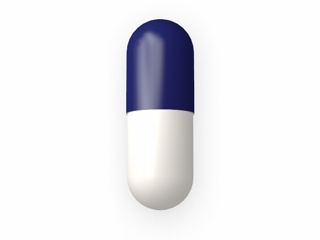
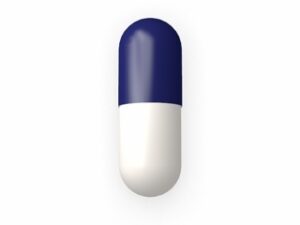
| Medicinal form | Capsules (usually enteric-coated / delayed-release depending on presentation) |
| Common strengths | 20 mg, 30 mg, 60 mg (strength may vary by product/prescribing choice) |
| Type of medicine | SEROTONIN–NORADRENALINE REUPTAKE INHIBITOR (SNRI) |
| How it’s taken | By mouth, typically once daily for many indications; frequency may differ based on dose plan |
2) How Cymbalta works (mechanism of action)
Cymbalta (duloxetine) is an SNRI. It helps increase the availability of two chemical messengers in the brain and spinal cord: serotonin and noradrenaline. These neurotransmitters are involved in mood regulation and in the way pain signals are processed.
- Mood effects: By influencing serotonin and noradrenaline signalling, duloxetine can help reduce symptoms of depression and anxiety.
- Pain effects: In chronic pain conditions, it may reduce “pain amplification” by altering descending pain pathways.
Duloxetine is not a painkiller like paracetamol or ibuprofen. Instead, it changes how the nervous system interprets pain.
3) Pharmacokinetics (how the body handles duloxetine)
Pharmacokinetics explains what happens after you take Cymbalta—how it’s absorbed, distributed, metabolised, and removed from the body. The information below is general and may vary between individuals.
Absorption
- Duloxetine is absorbed after oral dosing.
- Food can affect the rate of absorption (see “Food interactions” section below).
Distribution
- Duloxetine is highly bound to plasma proteins.
- It spreads through body tissues, including the central nervous system.
Metabolism
- It is mainly metabolised by the liver (notably CYP enzymes).
- This is important because some medicines can increase or decrease duloxetine levels.
Elimination
- Metabolites are eliminated primarily through the kidneys.
- As a result, kidney function may influence dosing choices.
Half-life (time for blood levels to drop)
Duloxetine has an elimination half-life of roughly about 8–12 hours (approximate). Because it is taken daily, steady blood levels are reached after repeated dosing.
4) What Cymbalta is used for in the UK
Cymbalta is used for several long-term conditions. The exact indication and dose may differ depending on your diagnosis and your clinical history.
Common indications
- Major depressive disorder (as part of a broader treatment plan).
- Generalised anxiety disorder (GAD).
- Diabetic peripheral neuropathic pain.
- Chronic musculoskeletal pain (for example, chronic pain associated with osteoarthritis or chronic low back pain, depending on local guidance and eligibility).
- Fibromyalgia (in some settings and countries; confirm suitability with your healthcare professional).
Whether Cymbalta is appropriate depends on your symptoms, medical history (including liver and kidney health), and other medicines you take.
5) When to take Cymbalta (timing guidance)
Many people take Cymbalta once daily. Your prescriber/pharmacist may advise: morning or evening depending on side effects such as sleep disturbance, nausea, or dizziness.
General practical timing tips
- Try to take it at the same time each day to keep daily levels stable.
- If it makes you feel sleepy, consider taking it earlier in the day (with professional advice).
- If it makes you feel wired or affects sleep, many people take it in the morning—again, follow individual guidance.
- Do not double up if you miss a dose; see FAQ for what to do when a dose is missed.
6) Food interactions
Food can influence the absorption rate of duloxetine. In many cases, Cymbalta can be taken with or without food, but:
- Taking with food may help reduce nausea and stomach upset in some people.
- Avoid sudden dietary changes if you notice side effects, and report persistent nausea to your pharmacist.
If you have been advised specifically about your dosing regimen, follow that advice.
7) Alcohol and medicine interactions
Alcohol
It’s generally recommended to limit or avoid alcohol while taking Cymbalta, because alcohol may:
- Increase the risk of sleepiness and impaired concentration
- Worsen dizziness
- Increase the risk of liver problems in susceptible people (duloxetine is metabolised by the liver)
If you drink alcohol, discuss what is safe for you with a healthcare professional.
Medicines that commonly interact with duloxetine
Duloxetine may interact with medicines that affect serotonin levels or liver metabolism. Some interactions can increase side effects or the risk of serious complications.
Tell your healthcare professional if you take any of the following:
- Other antidepressants (including SSRIs and MAO inhibitors): increased risk of serotonin-related side effects.
- Triptans (for migraine): potential serotonin syndrome risk when combined.
- Other serotonergic medicines (for example, some opioid pain medicines and cough medicines containing dextromethorphan): increased risk of serotonin syndrome.
- MAO inhibitors (certain antidepressants): generally not used with duloxetine.
- Blood thinners (anticoagulants) or medicines affecting platelet function: may increase bleeding risk, particularly if combined with NSAIDs.
- Non-steroidal anti-inflammatory drugs (NSAIDs) (e.g., ibuprofen, naproxen) and aspirin: may increase bleeding risk.
- CYP inhibitors/inducers: medicines that affect liver enzymes can raise or lower duloxetine levels.
- Some antibiotics and antifungals: can alter metabolism depending on the agent.
- St John’s Wort (a herbal supplement): may affect drug levels and safety.
This list is not exhaustive. If you are unsure whether a medicine or supplement interacts with Cymbalta, ask your pharmacist.
8) Dosing: typical starting and maintenance approaches
Dose is individual and depends on the condition being treated, tolerability, age, and medical factors such as liver or kidney function. Always use the dose plan you were given.
General UK dosing principles
- Start low, go slow: many patients begin at a lower dose to reduce side effects.
- Gradual titration: the dose may be increased after a period if tolerated and if symptom control is insufficient.
- Once-daily dosing: many common regimens are once daily for ease of use.
Important: Do not stop or change dose suddenly without medical advice.
Example dosing ranges (for information only)
| Condition (general) | Typical approach | Notes |
|---|---|---|
| Depression / anxiety disorders | Often initiated at a lower dose (commonly 30 mg daily or similar depending on plan), then adjusted | Some patients may benefit from dose adjustments over several weeks |
| Neuropathic pain (e.g., diabetic neuropathy) | Often started at a lower dose and increased if needed | Pain relief can take time; balance effectiveness with tolerability |
| Chronic musculoskeletal pain | Typically start low and increase gradually | Consider overall pain management plan, including physiotherapy where appropriate |
Your prescriber will select a dosing regimen appropriate to you. If you experience persistent side effects, speak to your pharmacist or prescriber—often adjustments can be made.
9) How long does Cymbalta take to work?
Response time varies by condition.
- Mood and anxiety symptoms: some people notice changes in the first 1–2 weeks, but full benefit usually takes several weeks.
- Pain symptoms: pain improvement may start within a couple of weeks, but for many people it takes 4–12 weeks for best assessment.
If you do not feel improvement after an adequate trial, your healthcare team may reconsider the dose or treatment plan.
10) Safety profile: common side effects and serious warnings
Common side effects
Many side effects are mild and often improve after the first few days or weeks. However, everyone responds differently.
- Nausea (one of the most common early side effects)
- Dry mouth
- Sleep changes (sleepiness or insomnia)
- Dizziness
- Headache
- Loss of appetite
- Constipation or digestive discomfort
- Increased sweating
- Fatigue
- Sexual dysfunction (may occur with antidepressants)
Less common but important risks
- Blood pressure changes (sometimes dizziness on standing)
- Bleeding risk (particularly if combined with NSAIDs, aspirin, or anticoagulants)
- Serotonin syndrome (rare, usually associated with interacting serotonergic medicines)
- Hyponatraemia (low sodium levels), especially in older adults or those taking certain diuretics
- Mania/hypomania in people with bipolar disorder history
- Liver problems (risk increases with pre-existing liver disease or heavy alcohol use)
Seek urgent help if you have symptoms of a serious reaction
Get urgent medical attention if you develop signs such as:
- Severe allergic reaction: swelling of face/lips, difficulty breathing
- Confusion, fever, severe agitation, muscle stiffness, or fast heartbeat (possible serotonin syndrome)
- Yellowing of skin/eyes (jaundice), dark urine, or severe abdominal pain (possible liver issue)
- Thoughts of harming yourself or feeling significantly worse (particularly early in treatment or after dose changes)
- Unusual bleeding, black stools, or vomiting blood
11) Practical use tips (to get the best experience)
- Take consistently: a stable routine helps with side effects and efficacy.
- Manage nausea: try taking with food; stay hydrated; consider speaking with your pharmacist if nausea persists.
- Don’t stop suddenly: stopping abruptly can cause withdrawal-like symptoms. Your prescriber may plan a gradual reduction.
- Track progress: for pain, note sleep, function, and severity scores; for mood/anxiety, note daily anxiety levels and wellbeing.
- Be careful with driving: duloxetine can cause dizziness in some people, especially at the start or after dose changes.
- Review medicines regularly: pharmacists can check interactions with new prescriptions and over-the-counter products.
12) Stopping Cymbalta safely (withdrawal symptoms)
Like other antidepressant medicines, Cymbalta can cause symptoms if stopped suddenly. Withdrawal effects can include dizziness, sensory disturbances (such as “electric shock” sensations), nausea, irritability, headache, and sleep disturbance.
To reduce risk, dose reductions are usually gradual and tailored to the individual. Never stop without guidance.
13) Alternative options for similar conditions
Depending on your diagnosis, symptom pattern, and past treatment response, healthcare professionals may consider alternatives. Options can include both medication and non-medication approaches.
For mood and anxiety
- SSRIs (e.g., sertraline, citalopram)
- Other SNRIs (e.g., venlafaxine)
- Psychological therapies (e.g., CBT) alongside medication
For neuropathic and chronic pain
- Other neuropathic pain medicines (e.g., gabapentin or pregabalin in appropriate cases)
- Tricyclic antidepressants in selected patients
- Topical options (where appropriate)
- Physiotherapy, exercise programmes, and pain management plans
Alternatives may differ in suitability, side effects, and interaction profile. Discuss options with your pharmacist or prescriber.
14) UK market and legal context (general information)
In the United Kingdom, duloxetine-containing products such as Cymbalta are regulated medicines. Supply arrangements and patient eligibility depend on the specific product, strength, and local prescribing policies.
Online pharmacies in the UK must operate within relevant UK medicine regulations and safety standards, including proper pharmacy oversight and controlled handling of medicines. Availability and brand vs generic selection can vary.
15) Recent guidance and safety updates (how to stay current)
Guidance on antidepressants and pain medicines can evolve over time, including safety warnings, prescribing practices, and monitoring recommendations. To stay up to date, it helps to:
- Check the patient information leaflet (PIL) supplied with your medicine.
- Ask your pharmacist if there have been recent label changes or new interaction warnings for duloxetine.
- Tell your healthcare professional if you are starting any new medicine, including herbal products.
If you have been taking Cymbalta for a while and are concerned about new advice, your pharmacist can review your current medicines and highlight what matters for you.
16) Delivery and availability (UK online pharmacy)
Availability depends on stock levels and the strength/pack size you choose. Delivery options, times, and service levels can vary by provider and location within the UK.
What you can typically expect
- Pack selection: choose the correct strength and pack size.
- Dispatch: most medicines are dispatched promptly when in stock.
- Tracking: some services include tracking and updates.
- Storage: medicines should be stored as directed on the pack (commonly in a dry place, away from heat and direct sunlight).
If you need urgent supply due to travel, work commitments, or timing around your treatment plan, contact customer service to confirm availability and dispatch schedules.
17) How to store Cymbalta
- Store in the original packaging.
- Keep out of the sight and reach of children.
- Store at recommended temperatures on the label / PIL.
- Do not use after the expiry date printed on the pack.
18) FAQ – Cymbalta (duloxetine) for people in the UK
Is Cymbalta the same as duloxetine?
Yes. Cymbalta is a brand name. The active ingredient is duloxetine. There may be other duloxetine-containing brands and generic medicines.
What time of day is best to take Cymbalta?
Many people take it once daily. The best time depends on your side effects and routine. Some take it in the morning, others in the evening. Follow the timing plan given to you and adjust only with professional advice.
Can I take Cymbalta with food?
Often yes. Taking with food may help reduce nausea for some people. If your healthcare professional has given specific instructions, follow those.
What should I do if I miss a dose?
If you miss a dose, take it when you remember unless it is close to the time for your next dose. Do not take a double dose to make up for the missed tablet/capsule. For exact advice, check your leaflet or ask your pharmacist.
How will I know if Cymbalta is working?
For depression/anxiety, you may notice gradual improvement over weeks. For pain, you may see changes in pain severity, sleep, and daily function over several weeks. Track symptoms and discuss progress at follow-up appointments.
What are the most common early side effects?
Nausea, dizziness, dry mouth, sleep changes, headache, and fatigue are among the more common early effects. They often improve after the first days to weeks, especially if your dose is increased slowly.
Can I drink alcohol while taking Cymbalta?
It’s usually best to limit or avoid alcohol because it can worsen side effects and may increase risk of liver-related problems in vulnerable individuals. If you drink, discuss safe amounts with your healthcare professional.
Does Cymbalta cause weight gain or weight loss?
Changes in appetite and weight can occur with antidepressants. Some people experience appetite decrease early on; others may notice weight changes later. If weight changes are significant, talk to your pharmacist.
Is it safe to stop Cymbalta suddenly?
Usually not. Stopping suddenly can lead to withdrawal-like symptoms. Dose reductions should typically be gradual under medical guidance.
Are there medicines I should avoid?
Avoid combinations that can increase serotonin-related effects or bleeding risk, and medicines that strongly affect liver metabolism. Examples include MAO inhibitors and certain other serotonergic medicines. Always check with a pharmacist if you’re starting anything new.
Who should be extra cautious?
People with liver disease, significant kidney impairment, a history of seizures, bipolar disorder, or those taking multiple interacting medicines should be assessed carefully. Always disclose your full medical history to your healthcare professional.
19) When to seek help right away
Contact urgent medical services or seek urgent advice if you develop symptoms suggesting a serious allergy, serotonin syndrome, significant liver problems, severe bleeding, or intense worsening mood with suicidal thoughts—especially during early treatment or after dose changes.
Key takeaway: Cymbalta (duloxetine) can help with depression/anxiety and certain types of long-term pain. It works by changing serotonin and noradrenaline signalling. Take it consistently, manage early side effects (often with food), avoid alcohol, and talk to a pharmacist about interactions—especially with other antidepressants, pain medicines, and blood thinners.