

Fluoxetine: patient-friendly information (UK)
Fluoxetine is a well-known antidepressant medicine belonging to the group called selective serotonin reuptake inhibitors (SSRIs). It is used for several mental health conditions, including depression and certain anxiety-related disorders. This page explains how fluoxetine works, when it may start to help, how it is usually taken, and important safety information for adults and young people where relevant in the UK.
Always follow the instructions given with your medicine and any advice from your healthcare professional. If you are unsure about your specific situation, ask your pharmacist.
Basic product information
| Feature | Details |
|---|---|
| Generic name | Fluoxetine |
| Medicine type | Antidepressant (SSRI) |
| Common brand names | May vary by manufacturer (your packaging will show the exact name) |
| Available forms | Capsules and/or tablets; liquid may be available depending on supply |
| How it is taken | By mouth, once daily in many regimens |
| Typical strength | Varies (commonly 20 mg tablets/capsules; other strengths may exist) |
| Who it may be for | Depression and certain anxiety disorders; use in children/adolescents depends on condition and local guidance |
How fluoxetine works (mechanism of action)
Fluoxetine increases the activity of serotonin in the brain by blocking the serotonin transporter that normally removes serotonin from the synaptic space. This helps to improve communication between nerve cells and is thought to contribute to improved mood and reduced anxiety symptoms.
SSRIs do not provide immediate calming effects in the way some sedating medicines do. Improvement typically develops over days to weeks as the brain adjusts to changes in serotonin signalling.
Pharmacokinetics: how your body processes fluoxetine
Understanding pharmacokinetics can help explain why timing matters and why stopping fluoxetine may feel different compared with other SSRIs.
- Absorption: Fluoxetine is absorbed after oral dosing. Food does not usually prevent absorption.
- Peak effect: Maximum levels in the blood typically occur a few hours after taking a dose (varies by formulation).
- Metabolism: Fluoxetine is metabolised mainly in the liver.
- Long half-life: Fluoxetine has a long half-life, and its active metabolite (norfluoxetine) is also long-acting. This means fluoxetine remains in the body for weeks after stopping, which can influence both side effects and withdrawal risk.
- Steady state: Blood levels generally stabilise after repeated dosing over several weeks.
What fluoxetine is used for (indications)
Fluoxetine is used to treat a range of conditions. The exact approved uses may depend on age group and local regulatory updates. In the UK, fluoxetine is commonly used for:
- Depression (including major depressive episodes)
- Obsessive-compulsive disorder (OCD)
- Bulimia nervosa
- Some types of anxiety, depending on the patient group and guidance
If you are taking fluoxetine for a specific diagnosis, check your medicine label or patient information leaflet for the indication that applies to you.
When to take fluoxetine (timing and daily routine)
Fluoxetine is usually taken once daily. Many people take it in the morning, particularly if it causes mild activation (feeling more awake). Others prefer evening if it suits their routine. Choose the time that best supports adherence and comfort.
Typical timing guidance
- Morning: Often preferred if the medicine makes you feel more alert.
- Evening: Sometimes preferred if daytime dosing makes you feel restless or nauseated; however, individual responses vary.
- Consistency matters: Try to take it at the same time each day.
- Missed dose: If you miss a dose, take it as soon as you remember unless it is near the time of the next dose. Do not take a double dose to make up for a missed one.
How soon will it start to work?
People commonly notice changes gradually:
- Early effects: Some symptoms (such as sleep, appetite, or anxiety-related tension) may improve within 1–2 weeks.
- Full benefit: It can take several weeks (often 4–6 weeks or more) for depression or OCD symptoms to improve substantially.
- OCD timing: OCD often improves more slowly than depression.
If you feel worse early on, or you have concerns about symptom change, speak to a healthcare professional promptly rather than stopping suddenly on your own.
Dosing: what is typical?
Dosing must be individualised based on diagnosis, age, tolerability, and clinical response. Below are common starting approaches used in practice, but your exact dose will be written on your label.
Common dosing patterns
- Depression (adults): A common starting dose is 20 mg once daily, which may be adjusted by a healthcare professional.
- OCD (adults): May start at 20 mg daily and be increased gradually if needed and tolerated.
- Bulimia nervosa (adults): Often starts at 20 mg once daily and may be increased if required.
- Children and adolescents: Dosing and eligibility depend on the condition and UK guidance; starting doses are typically lower with careful monitoring.
Do not change your dose without advice. If the dose is increased, clinicians often do this gradually to improve tolerability.
Food interactions
Fluoxetine can generally be taken with or without food. However, food may help reduce stomach upset for some people.
- If you feel nauseous, try taking fluoxetine with a meal or snack.
- Maintain a regular eating pattern if appetite changes occur.
- Some people experience indigestion or diarrhoea initially; these often improve over time.
Alcohol and medicine interactions
Alcohol
It is best to avoid or minimise alcohol while taking fluoxetine. Alcohol can worsen depression and anxiety and may increase side effects such as dizziness, drowsiness, impaired coordination, and mood changes.
Important medicine interactions
Fluoxetine can interact with a variety of medicines. Some combinations may increase the risk of serious side effects. Tell your pharmacist and healthcare professional about all medicines you take, including over-the-counter products and herbal supplements.
- Monoamine oxidase inhibitors (MAOIs): Do not combine. This is a high-risk interaction.
- Other serotonergic medicines: Combining SSRIs with other serotonin-increasing drugs can increase the risk of serotonin syndrome. Examples include some migraine medicines (triptans), certain strong pain medicines (e.g., some opioids), and some cough preparations containing dextromethorphan.
- Linezolid and methylene blue: These can be serotonergic; combinations require medical review.
- Tricyclic antidepressants (TCAs) and some antipsychotics: Fluoxetine can raise levels of certain medicines by affecting liver enzymes.
- Blood thinners/anticoagulants and antiplatelets: SSRIs may slightly increase bleeding risk, especially with medicines such as warfarin or other agents.
- Non-steroidal anti-inflammatory drugs (NSAIDs): Using SSRIs with NSAIDs can raise bleeding risk in some people.
- St John’s wort: Avoid, as it can affect serotonin levels and reduce stability of treatment.
- Some epilepsy medicines: Interactions vary; clinicians often monitor carefully.
- Medications affecting the heart rhythm (QT prolongation): Caution may be advised with some medicines that affect heart rhythm.
If you start any new medicine, including pharmacy-bought medicines, ask whether it is safe with fluoxetine.
Safety profile: common and serious side effects
Like all medicines, fluoxetine can cause side effects. Many are mild and tend to improve as your body adjusts. However, some effects require urgent attention.
Common side effects
- Nausea or upset stomach
- Headache
- Sleep changes (insomnia or drowsiness)
- Feeling restless or agitated
- Dry mouth
- Reduced libido and sexual dysfunction
- Diarrhoea or loose stools
- Sweating
- Appetite changes and mild weight change in some people
Less common but important risks
- Increased suicidal thoughts in young people: As with many antidepressants, early treatment can be associated with changes in mood and thinking. Any sudden worsening, unusual behaviour, or thoughts of self-harm must be taken seriously.
- Serotonin syndrome: Unusual symptoms such as high fever, severe agitation, confusion, fast heart rate, sweating, muscle stiffness, or tremor may indicate serotonin syndrome. This is an emergency.
- Mania or hypomania: Some people, especially those with bipolar disorder, may develop elevated mood, increased energy, reduced need for sleep, or risky behaviour.
- Bleeding risk: Increased bruising or bleeding can occur, particularly when combined with blood thinners or NSAIDs.
- Hyponatraemia (low sodium): Symptoms can include headache, confusion, weakness, and feeling unwell.
- Glaucoma (angle-closure): SSRIs can rarely precipitate problems in susceptible individuals; seek help if you have eye pain and blurred vision.
Seek urgent medical advice if you experience symptoms suggesting a serious reaction or if you feel unsafe.
Stopping fluoxetine and withdrawal considerations
Fluoxetine is generally considered to have a lower discontinuation symptom burden than some other SSRIs because of its long half-life. However, stopping suddenly or missing multiple doses can still cause discomfort in some people.
- Do not stop abruptly unless advised by a healthcare professional.
- If you need to stop, clinicians usually recommend a gradual taper to reduce the risk of symptoms. Your taper plan may differ depending on dose, duration of treatment, and your personal history.
- Possible discontinuation symptoms can include dizziness, nausea, sensory disturbances, irritability, and sleep disturbance.
Practical use tips
Help your treatment work better
- Give it time: Depression and OCD symptoms often take weeks to respond.
- Track changes: Consider noting sleep, appetite, mood, and anxiety weekly to help identify progress.
- Take it consistently: Setting a daily reminder can improve adherence.
- Manage early side effects: If nausea or stomach upset occurs, taking with food may help.
- Don’t double up: If you miss a dose, avoid taking two to catch up.
- Ask about dose timing: If it affects sleep, you may need to adjust the time you take it (with advice).
Driving and operating machinery
Fluoxetine may cause dizziness, headache, or sleep changes in some people. Until you know how it affects you, use caution when driving or operating machinery.
Body and mental health monitoring
- If you have a history of bipolar disorder or manic episodes, tell your healthcare professional before starting or changing your dose.
- If you notice significant agitation, mood elevation, or a “high” or unusual energy pattern, seek medical advice promptly.
- If you experience persistent side effects that affect daily life, ask about dose adjustments or alternative options.
Alternative options
Treatment choice depends on your diagnosis, age, medical history, and how you respond. Alternatives may include other SSRIs, SNRIs, or different approaches such as talking therapies. Your healthcare professional can help you decide what fits best.
Other antidepressants (examples)
- Sertraline (an SSRI often used for depression and anxiety disorders)
- Citalopram / escitalopram (SSRIs)
- Venlafaxine or duloxetine (SNRIs)
- Mirtazapine (an antidepressant with different side-effect profile; may help with sleep and appetite in some people)
- Other options may be considered for specific conditions (including OCD), depending on individual needs
Non-medicine support is also important. For depression and anxiety, psychological therapies (such as cognitive behavioural therapy) may be offered alone or alongside medication.
Fluoxetine in the UK: market and legal context
In the United Kingdom, fluoxetine is an established medicine supplied under national regulatory frameworks. It is available through healthcare services and community pharmacies, with products supplied in different strengths and formulations depending on availability.
Public health bodies and clinical guidance in the UK emphasise safe prescribing, monitoring of response, and attention to risk factors (including self-harm risk in young people). Monitoring arrangements may vary depending on diagnosis and patient age.
Recent guidance (high-level overview)
UK clinical practice for antidepressant treatment generally includes:
- Careful assessment before starting antidepressants
- Monitoring during the first weeks of treatment and after dose changes
- Reviewing side effects and treatment effectiveness regularly
- Supporting mental health safety with appropriate advice to patients and carers
- Considering therapy options alongside medication where appropriate
Guidance may be updated over time. Your pharmacist can help you understand the information in the product leaflet and how it relates to UK practice.
Delivery and availability (UK)
Availability of fluoxetine products can vary by strength and formulation due to manufacturing schedules and pharmacy stock levels. If a specific brand or strength is temporarily unavailable, substitutions may be offered where permitted by supply arrangements.
- Dispatch times: Delivery speed depends on stock and the selected service at checkout.
- Packaging: Medicines are typically supplied in secure, tamper-evident packaging.
- Cold chain: Fluoxetine does not usually require special temperature-controlled shipping.
- Track your order: Many online pharmacies provide tracking updates once dispatched.
If you have urgent needs or you are replacing a repeat order, contact customer support so they can advise on the fastest option available.
FAQ
1) Is fluoxetine the same as Prozac?
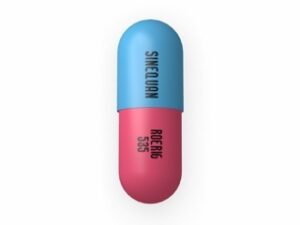
Fluoxetine is the generic name. Prozac is a brand name that contains fluoxetine. The exact appearance of tablets or capsules may differ depending on the manufacturer.
2) When should I expect improvement?
Many people notice some changes after 1–2 weeks, but it usually takes several weeks to achieve the full benefit. OCD symptoms may take longer.
3) Can I take fluoxetine with food?
Yes. It can usually be taken with or without food. If you feel nauseous, taking it with a meal may help.
4) Can I drink alcohol while taking fluoxetine?
It is best to avoid or limit alcohol. Alcohol may worsen mood and can increase side effects like dizziness or drowsiness.
5) What should I do if I miss a dose?
Take it when you remember unless it is close to the next scheduled dose. Do not take two doses at once. If you are unsure, ask your pharmacist for guidance based on your dosing schedule.
6) How do I stop fluoxetine?
Do not stop suddenly without advice. A gradual reduction (taper) helps minimise possible discontinuation symptoms. Because fluoxetine stays in the body for a long time, the approach may differ compared with other SSRIs.
7) Are there medicines I should not combine with fluoxetine?
Some combinations can be unsafe, especially MAOIs and certain serotonergic medicines. You should inform your pharmacist about all medicines, supplements, and herbal products before starting or changing fluoxetine.
8) Can fluoxetine affect sleep?
Yes. Some people experience insomnia, others feel drowsy. If sleep is affected, you may want to discuss timing changes with your pharmacist or healthcare professional.
9) Is fluoxetine suitable for everyone?
Fluoxetine is suitable for many people, but it may not be appropriate for everyone. Factors include other medical conditions (such as bipolar disorder, bleeding risk), age, and interacting medicines. Your pharmacist can help check common safety considerations.
10) Does fluoxetine cause sexual side effects?
Sexual dysfunction can occur with SSRIs, including fluoxetine. If this becomes troublesome, discuss it with a healthcare professional—there are management strategies and alternatives.
When to seek urgent help
Contact emergency services or seek urgent medical advice if you develop symptoms that may indicate a serious reaction, such as:
- Signs of serotonin syndrome (high fever, confusion, severe agitation, muscle stiffness, fast heart rate)
- Severe allergic reaction (swelling of face/lips, difficulty breathing, severe rash)
- Vivid suicidal thoughts or feeling unsafe, especially early in treatment or after dose changes
- Symptoms of mania (unusually elevated mood, extreme energy, reduced need for sleep, risky behaviour)
- Uncontrolled bleeding or severe bruising
If you are in immediate danger, call 999 in the UK. For urgent advice when not in immediate danger, you can also contact 111.
Note: This information is designed to help you understand fluoxetine and how it is typically used in the UK. It does not replace medical advice. Always refer to the patient information leaflet provided with your specific product for the most accurate details.