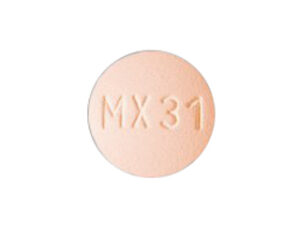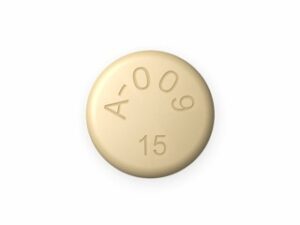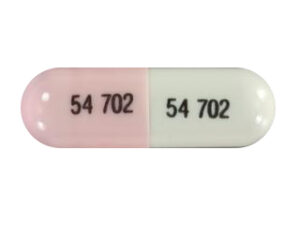
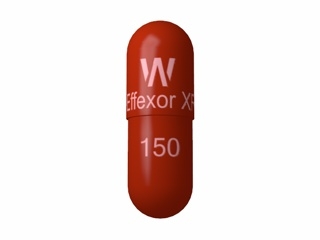

Effexor XR (Venlafaxine) — Patient Information (UK)
Effexor XR is a brand of venlafaxine in an extended‑release (XR) form, designed to release medicine steadily over the day. It is used for certain mental health conditions and can help relieve symptoms such as low mood, anxiety, and panic. This page explains how Effexor XR works, how it is usually taken, common safety considerations, and practical tips to support safe use in the United Kingdom.
| Category | Details |
|---|---|
| Medicinal ingredient | Venlafaxine (extended-release) |
| Brand | Effexor XR |
| Formulation | Capsules/tablets with extended-release properties (XR) |
| Common uses | Depression; anxiety-related conditions (including generalised anxiety and panic disorder) |
| How it’s taken | Usually once daily, preferably at the same time each day |
| Typical onset | Some improvement may be felt in 1–2 weeks; full benefit may take several weeks |
What is Effexor XR?
Effexor XR contains venlafaxine, an antidepressant belonging to the group of medicines known as serotonin–norepinephrine reuptake inhibitors (SNRI). The XR formulation means the medicine is released slowly, helping maintain steadier levels in the body throughout the day.
Effexor XR is commonly used to treat:
- Depression (major depressive episodes)
- Generalised anxiety disorder
- Panic disorder (sometimes with or without agoraphobia)
- Some people may be treated for other anxiety/depressive conditions depending on clinical assessment
How Effexor XR works (Mechanism of Action)
Venlafaxine helps correct an imbalance in certain brain chemicals involved in mood and anxiety:
- Serotonin (5‑HT): venlafaxine blocks its reuptake, increasing serotonin signalling.
- Norepinephrine (noradrenaline): at certain doses, it also reduces norepinephrine reuptake.
By increasing the availability of these neurotransmitters, Effexor XR can help improve symptoms over time. It also may reduce anxiety and panic symptoms in the appropriate conditions.
Pharmacokinetics (How the body handles it)
Understanding the way Effexor XR behaves in the body can help you take it correctly.
- Absorption: Effexor XR is designed for gradual absorption due to its extended-release formulation.
- Active metabolite: venlafaxine is metabolised mainly in the liver to O‑desmethylvenlafaxine (often called ODV), which also has antidepressant activity.
- Distribution: the medicine distributes throughout body tissues, including the brain.
- Half-life: venlafaxine and ODV have elimination half-lives that support once-daily dosing in many cases.
- Elimination: primarily by the kidneys, meaning kidney function can affect how quickly the medicine is cleared.
Why this matters: because Effexor XR is extended-release, it should be taken as directed and not crushed or opened (unless your local product instructions explicitly allow it). Taking it incorrectly can lead to dose “dumping” and increased side effects.
Typical uses and indications (UK context)
Effexor XR is used to treat conditions where symptoms may include persistent low mood, loss of interest, excessive worry, physical anxiety, and panic-related fear.
1) Depression
- Persistent sadness, emptiness, or loss of enjoyment
- Sleep or appetite changes
- Low energy, poor concentration, feelings of guilt or hopelessness
2) Generalised anxiety disorder (GAD)
- Ongoing worry that is difficult to control
- Restlessness, irritability
- Tension and physical symptoms such as muscle aches or sleep disturbance
3) Panic disorder
- Recurrent panic attacks
- Fear of future attacks
- Sometimes avoidance behaviours (e.g., staying in places where help is accessible)
In practice, the right medicine and dose are chosen based on your symptoms, medical history, other medicines, and how you respond over time.
How to take Effexor XR (Timing and routine)
Effexor XR is typically taken once daily, at the same time each day if possible.
Timing
- Some people prefer morning dosing to reduce the chance of sleep disturbance.
- Others prefer evening if it feels more calming. Choose what suits you and remains consistent.
How to take the dose
- Swallow the tablet/capsule whole with water.
- Do not crush, chew, or split if it is an extended-release product.
- If you miss a dose, take it when you remember unless it is close to the next dose. Do not take a double dose.
Tip: Use a daily reminder (e.g., phone alarm) and keep your medicine in a consistent place to support adherence.
Food interactions
In general, venlafaxine may be taken with or without food. However:
- Taking it with food can reduce the likelihood of stomach upset for some people.
- Try to avoid large changes in eating patterns if you notice nausea or dizziness when starting treatment.
If your clinician has advised a specific routine for your situation (e.g., due to side effects), follow that plan.
Alcohol interactions
It is usually advisable to avoid or limit alcohol while taking Effexor XR.
- Alcohol may worsen drowsiness, dizziness, and impaired judgement.
- Alcohol can also aggravate mood and anxiety symptoms, making treatment less effective.
- Combining alcohol with any antidepressant can increase the risk of poor coordination and falls, particularly when you are adjusting to treatment.
If you choose to drink alcohol, do so cautiously and consider discussing a personal plan with your healthcare professional.
Interactions with other medicines (important)
Effexor XR can interact with several other medicines. Always inform healthcare professionals about all medicines and supplements you take, including over-the-counter products.
Examples of interaction categories
- Other antidepressants (including MAO inhibitors): can increase serotonin-related risks.
- Triptans (for migraine), serotonergic medicines and some cough medicines: may raise the risk of serotonin syndrome when combined.
- Medicines that affect serotonin: e.g., some pain medicines (including tramadol), linezolid, or St John’s wort may increase risk.
- Medicines affecting bleeding risk: combining with NSAIDs (e.g., ibuprofen), aspirin, or anticoagulants/antiplatelets may increase bleeding risk.
- Medicines that affect heart rhythm or blood pressure: because venlafaxine can influence both.
- Medicines for high blood pressure: your prescriber may monitor and adjust.
- Inhibitors/inducers of liver enzymes: can affect venlafaxine levels (for example, some treatments for fungal infections or viral infections).
Serotonin syndrome — seek urgent help if severe symptoms occur
Serotonin syndrome is uncommon but serious. Contact urgent medical services if you develop:
- High temperature or fever
- Severe agitation or confusion
- Muscle stiffness or twitching
- Rapid heartbeat, sweating, diarrhoea
- Tremor or clonus (jerking)
Blood pressure monitoring
Venlafaxine can sometimes raise blood pressure in some individuals. Your clinician may monitor blood pressure, especially during dose increases or if you have hypertension.
Dosing — how treatment is usually started and adjusted
Dose is individual and depends on the condition being treated, response, and tolerability. In the UK, prescribers typically follow established clinical and product guidance.
General principles (not a substitute for personal instructions)
- Start low and go slow: many people begin at a lower dose to reduce side effects.
- Gradual adjustment: the dose may be increased after assessing response and side effects.
- Once daily dosing: XR formulations support consistent daily intake.
- Review after improvement: dose may be maintained once symptoms improve, then reviewed over time.
Typical dose ranges (overview)
Effexor XR doses are commonly within the range of 75 mg to 225 mg once daily, depending on the condition and response. Some people may require different dosing strategies.
Important: Do not adjust your dose without guidance. If you need to stop treatment, reducing gradually is often recommended to help prevent withdrawal symptoms.
Safety profile — common and serious side effects
Most people tolerate Effexor XR reasonably well, but side effects can occur—especially during the first days or weeks.
Common side effects
- Nausea (often improves as your body adjusts)
- Dry mouth
- Dizziness or light-headedness
- Headache
- Sleep changes (insomnia or sleepiness)
- Increased sweating
- Sexual difficulties (reduced libido, delayed orgasm)
- Constipation
- Loss of appetite
Less common but important side effects
- Changes in blood pressure
- Bruxism (teeth grinding) in some cases
- Abnormal bleeding especially if combined with other medicines that affect blood clotting
- Abnormal heart rhythm in those at risk (your clinician may assess this)
Serious warning signs (seek urgent medical advice)
- Thoughts of harming yourself or worsening depression (especially early in treatment or when doses change)
- Serotonin syndrome symptoms (see interaction section)
- Severe allergic reactions: swelling of face/lips, difficulty breathing, rash
- Seizures
- Mania/hypomania symptoms: unusually elevated mood, reduced need for sleep, racing thoughts, risky behaviour
Stopping or missing doses — withdrawal and “discontinuation” symptoms
Venlafaxine can cause discontinuation symptoms if stopped suddenly or missed frequently. These may include:
- Dizziness, “electric shock” sensations
- Nausea, headache
- Irritability, anxiety, tearfulness
- Sleep disturbance
- Flu-like feelings
Practical advice:
- If you want to stop, discuss a gradual taper plan with a healthcare professional.
- If you accidentally miss a dose, take it according to routine instructions and avoid doubling.
Practical use tips to improve comfort and consistency
- Give it time: early side effects often ease within 1–2 weeks, but mood benefits can take longer.
- Stay consistent: choose a time of day you can maintain.
- Hydrate and rise slowly: dizziness can happen; stand up carefully.
- Record symptoms: note sleep, anxiety level, mood, and side effects—this helps your clinician adjust the plan.
- Medication list: keep an updated list of all medicines and supplements to prevent harmful combinations.
- Driving and machinery: be cautious until you know how you respond. Dizziness or sleepiness can occur.
If side effects are troublesome, they do not always mean you must stop. Many issues improve with dose adjustments or supportive strategies—seek guidance promptly.
Alternative options (what else may be considered)
If Effexor XR is not suitable or not effective, healthcare professionals may consider other treatments. Options vary by condition, past response, and your medical history.
Other antidepressants
- SSRIs (e.g., sertraline, citalopram, fluoxetine, escitalopram)
- Other SNRIs (e.g., duloxetine)
- Other classes depending on individual needs (e.g., mirtazapine)
Non-medicine options
- Psychological therapies (e.g., CBT)
- Lifestyle support (sleep routine, exercise, structured activities)
- Support services (talking therapies through NHS pathways)
Your clinician can discuss benefits and side-effect profiles, including how long each option may take to work.
Market and legal context in the United Kingdom
In the UK, antidepressants such as venlafaxine are provided under regulated healthcare pathways. Medicines are supplied in line with UK medicines legislation, quality standards, and safety monitoring requirements. Mental health treatments may be guided by national clinical recommendations and local NHS services.
Important: Availability and supply processes can differ by pharmacy and region, and packaging may vary depending on the manufacturer and supply chain.
Recent guidance and monitoring (what clinicians typically emphasise)
While specific recommendations can vary over time and by individual circumstances, UK clinical practice generally emphasises:
- Close follow-up after starting treatment or changing dose, especially during the first weeks.
- Monitoring for side effects, including blood pressure changes and sleep disturbances.
- Awareness of suicide-related risk in early treatment and when doses change, with prompt support where needed.
- Appropriate review of ongoing need once symptoms improve.
- Individualised tapering if stopping to reduce discontinuation symptoms.
If you have questions about how monitoring applies to you, ask your pharmacist or prescriber.
Delivery and availability (online pharmacy notes for the UK)
When ordering medicines through an online pharmacy in the UK, availability may depend on stock levels and the specific strength/pack size. Typical delivery considerations include:
- Dispensing and verification: your order is checked and dispensed in line with pharmacy requirements.
- Delivery timing: delivery times vary; some areas may have faster dispatch than others.
- Cold-chain needs: venlafaxine XR tablets/capsules are generally not temperature-sensitive like some biologics, but follow any delivery storage guidance provided.
- Packaging: medicines are supplied in sealed containers with clear labels.
Storage: keep out of sight and reach of children. Store according to the instructions on the package (commonly at room temperature away from excessive heat and moisture).
FAQ — Effexor XR (Venlafaxine) in the UK
1) How long does Effexor XR take to work?
Some people notice improvement in anxiety or sleep within 1–2 weeks. Mood improvements often take longer, and full benefit may require several weeks. If you feel worse initially, contact your healthcare professional, especially if symptoms are severe.
2) Can I take Effexor XR with food?
Yes, it can generally be taken with or without food. If you experience nausea, taking it with a meal may help.
3) Is Effexor XR sedating?
Some people feel drowsy, while others feel more alert or experience sleep changes. Until you know how you react, take care with driving or operating machinery.
4) What should I do if I miss a dose?
Take it when you remember unless it is close to the time of your next dose. Do not take a double dose. If you miss several doses, consult a healthcare professional for advice.
5) What are the most common early side effects?
Nausea, dizziness, dry mouth, headache, sleep changes, sweating, and appetite changes are among the most commonly reported. Many lessen as your body adjusts.
6) Can I drink alcohol while taking Effexor XR?
It’s usually best to avoid or limit alcohol because it can worsen dizziness and mood symptoms. If you do drink, do so cautiously and consider your personal risk factors.
7) What medications should I avoid?
Avoid combinations without professional advice—particularly medicines that raise serotonin levels or increase bleeding risk. Always tell your pharmacist or clinician about all medicines, including over-the-counter products and herbal supplements.
8) Can venlafaxine affect blood pressure?
It can, particularly at higher doses or in certain individuals. Monitoring is commonly recommended.
9) Is it safe to stop Effexor XR suddenly?
Stopping suddenly can lead to discontinuation symptoms. If you want to stop, discuss a gradual tapering plan with a healthcare professional.
10) Are there alternatives if Effexor XR doesn’t suit me?
Yes. Options can include other antidepressants (SSRIs/SNRIs) and non-medicine approaches such as psychological therapy. Your clinician can recommend alternatives based on your condition and history.
Summary
Effexor XR (venlafaxine) is an extended-release SNRI used for depression and certain anxiety conditions. It works by increasing serotonin and, at certain doses, norepinephrine signalling in the brain. Treatment often starts with a lower dose and is adjusted gradually, with benefits typically building over several weeks. Common side effects include nausea, dizziness, dry mouth, and sleep changes, and blood pressure may be monitored. Because stopping suddenly can cause withdrawal-like symptoms, discontinuation should generally be gradual under guidance.
If you have concerns about side effects, interactions, or how Effexor XR fits your health situation, speak to a qualified healthcare professional or pharmacist.