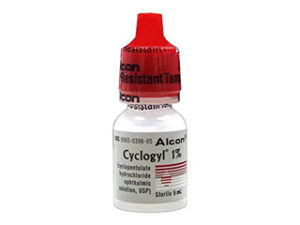
Cyclopentolate (Eye Drops) — Patient Information (UK)
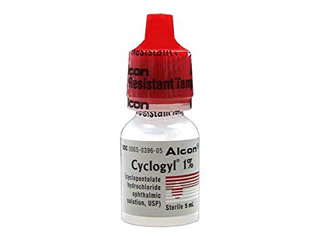
Cyclopentolate is a medicine used in the eye to temporarily widen the pupil and relax the focusing muscle. In the UK, it is commonly used during eye examinations and certain ophthalmic assessments. This leaflet-style guide explains how it works, when it is used, what to expect, and important safety information.
Key product information
- Medicine name: Cyclopentolate
- How it is given: Eye drops (topical to the eye)
- Common purposes: Pupil dilation (mydriasis) and cycloplegia (temporary loss of focusing ability)
- Who uses it: Adults and children, usually under the guidance of an eye care professional
- Typical onset: Usually within 20–60 minutes
- Duration: Effects may last several hours; in some cases longer (especially in children)
Note: Brand names and concentrations can vary. Always use the exact product strength and instructions supplied with your drops.
How Cyclopentolate works (mechanism of action)
Cyclopentolate belongs to a group of medicines called antimuscarinic agents (anticholinergics). When applied to the eye, it blocks certain nerve signals that normally control:
- Pupil size: Relaxation of the muscles that keep the pupil smaller leads to pupil dilation.
- Focusing (accommodation): It temporarily paralyzes the ciliary muscle that changes the lens shape for near vision. This is called cycloplegia.
Why this is helpful: By removing the eye’s ability to focus automatically, eye care professionals can measure refractive error (such as short- or long-sightedness) more accurately and examine the retina and lens more clearly.
Pharmacokinetics (what the body does with it)
Because cyclopentolate is applied locally to the eye, absorption into the bloodstream is usually limited. However, a small amount can enter systemic circulation through the tear film and nasal tissues after blinking.
Absorption
- Absorption occurs via the conjunctiva and through the nasolacrimal drainage system (it can reach the nose and throat).
- Children may absorb proportionally more, which can increase the likelihood of systemic side effects.
Distribution
- Any absorbed drug distributes throughout the body, but systemic exposure is typically low when used correctly.
Metabolism and elimination
- Like other antimuscarinics, cyclopentolate is processed by the body and eliminated primarily through renal (kidney) and other metabolic pathways.
Practical takeaway: Systemic side effects are uncommon but can happen, especially if drops are used excessively or if the drop drains into the nose.
Typical uses in the UK
Cyclopentolate is used to:
- Dilate pupils for detailed eye examination.
- Produce cycloplegia so that vision testing (refraction) can be performed accurately.
- Help assess certain eye conditions where a clear view of the back of the eye is needed.
It may be used in:
- Optometry and ophthalmology clinics
- Paediatric vision assessments
- Situations where the exam requires reduced accommodation (for clearer measurement)
Timing: when to expect effects
After instilling cyclopentolate eye drops:
- Onset: typically 20–60 minutes
- Peak effect: often reached within 30–90 minutes
- Duration: commonly 4–24 hours, but in some people (particularly children) effects can last longer
What you may notice:
- Blurred near vision (difficulty focusing)
- Light sensitivity (photophobia)
- Possibly reduced ability to read or use screens comfortably
Driving note: If pupils are dilated and vision is blurred, do not drive. In the UK, you must be fit to drive, and your vision may not be safe after cyclopentolate.
Food interactions
Because cyclopentolate is applied to the eye, food interactions are not expected to be clinically significant. You can eat and drink normally unless your clinician has advised otherwise.
Tip: If you are using drops for a child, ensure they are comfortable and can rest while the effects wear off.
Alcohol and medicine interactions
Alcohol
There is no direct, well-established interaction between alcohol and cyclopentolate eye drops. However, alcohol can worsen general symptoms such as dizziness or blurred vision in some people. Since cyclopentolate already affects vision and can occasionally cause systemic effects, it’s sensible to:
- Avoid alcohol on the day of use if you’re sensitive or if you experience side effects.
- Do not drive after using cyclopentolate.
Other medicines
Systemic antimuscarinic effects can be more likely if cyclopentolate is combined with other medicines that have anticholinergic activity. Tell a healthcare professional about all medicines you use, including:
- Other antimuscarinic or anticholinergic medicines
- Some medicines for overactive bladder or gastrointestinal spasms
- Tricyclic antidepressants and some antihistamines (depending on the product)
- Medicines used for motion sickness or dizziness
Also mention: any glaucoma history, eye conditions, or previous reactions to eye drops.
Important: If you use other eye drops (for example lubricants or glaucoma medicines), space them as advised by your clinician or pharmacist.
Indications (when it is used)
Cyclopentolate eye drops are indicated for:
- Myopic and hyperopic refraction testing where a cycloplegic effect is required
- Ophthalmic examination requiring pupil dilation
- Situations where reduced accommodation improves assessment
- Selected clinical evaluations as determined by an eye care professional
Dosing (typical approach)
Exact dose and concentration depend on the product strength, the patient’s age, and the clinical goal. Always follow the instructions supplied with your cyclopentolate drops.
Typical dosing patterns
In many clinical settings, cyclopentolate is administered as one or more drops in the eye(s), with timing between doses to achieve full cycloplegia and dilation.
Common regimens may include:
- Instilling one drop in the affected eye(s
- Possibly repeating after an interval (for example, within 5–15 minutes) if additional effect is needed
Children
- Dosing in children is often adjusted by age and body response.
- Because children may absorb more, it’s especially important to use the correct amount and avoid contamination between doses.
How to apply correctly (practical dosing instructions)
- Wash your hands.
- Use a clean tissue or wipe to avoid touching the dropper tip.
- Gently pull down the lower eyelid to create a small pocket.
- Place the prescribed number of drops into the pocket.
- Close the eye gently.
- Nasolacrimal occlusion: press a finger gently at the inner corner of the eye (near the nose) for 1–2 minutes. This can reduce drainage into the nose and may lower systemic absorption.
Do not: use extra drops to “make it work faster”.
Safety profile and side effects
Most people tolerate cyclopentolate well, especially when used in a clinical setting for a short period. Side effects are usually temporary.
Common effects
- Blurred vision, especially for near tasks
- Light sensitivity
- Temporary reduction in focusing ability
- Eye irritation or stinging on application
- Dryness of the eye
Less common / possible systemic effects
Because a small amount may be absorbed, symptoms that could suggest antimuscarinic effects may occur, particularly in children:
- Drowsiness or unusual behaviour
- Dizziness
- Dry mouth
- Flushing
- Fast heartbeat
- Fever (rare)
Serious reactions — seek urgent advice
Seek urgent medical help if any of the following occur:
- Severe eye pain or worsening redness
- Marked headache, nausea, or vomiting
- Significant deterioration in vision
- Confusion, severe agitation, or extreme sleepiness (more likely in children)
- Signs of an allergic reaction (swelling of the face/eyelids, breathing difficulties)
Who should be extra cautious?
- People with a history of glaucoma (or narrow-angle risk)
- Children (greater susceptibility to systemic side effects)
- Those with neurological or cardiac conditions where anticholinergic effects may be relevant
- Anyone who has reacted to similar eye drops in the past
Pregnancy and breastfeeding
If you are pregnant, planning pregnancy, or breastfeeding, discuss the use of cyclopentolate with a healthcare professional. Systemic exposure from eye drops is usually low, but guidance should be individualized.
Practical use tips (getting the most benefit with fewer issues)
- Plan your day: set aside time for blurred near vision and light sensitivity.
- Bring sunglasses: they can help with photophobia.
- Avoid contact lenses: remove contact lenses before instilling drops unless you have been specifically told otherwise. Wait for professional advice before refitting.
- Use the correct technique: nasolacrimal occlusion for 1–2 minutes can help reduce systemic absorption.
- Don’t rub the eyes: rubbing can spread the drops and increase irritation.
- Wash hands after use to prevent accidental transfer to the mouth or other eyes.
- For children: keep them calm, supervised, and out of bright light; be attentive for unusual behaviour.
Alternative options
Depending on the reason for the examination, eye care professionals may use alternative cycloplegic and mydriatic medicines. Alternatives can include:
- Atropine (stronger and longer lasting; used in specific clinical circumstances)
- Atropine-like / other cycloplegic agents used for refraction
- Tropicamide (often shorter acting; pupil dilation rather than full cycloplegia)
- Phenylephrine (pupil dilation; not the same cycloplegic effect)
Which is best? The choice depends on the age of the patient, the accuracy required for refraction, the time available, and safety considerations (for example, risk factors for narrow angles).
Market and legal context in the UK
In the UK, cyclopentolate products are used in clinical settings as part of eye examinations. Availability and product status (for example, whether it is sold through specified channels, and how it is supplied) can vary by manufacturer and formulation. Eye medicines are regulated to support safe supply and appropriate use.
Important: Always follow the advice of an eye care professional. If you have concerns about your condition or the effects of the drops, contact your optometrist, ophthalmologist, or GP.
Recent guidance and clinical practice considerations
While specific official documents may differ by year and by professional body, modern UK eye care practice commonly emphasises:
- Risk assessment for patients with suspected or known narrow-angle glaucoma.
- Minimising systemic absorption using nasolacrimal occlusion and correct drop technique.
- Clear patient instructions around blurred vision, driving, and when effects wear off.
- Child safety, including careful monitoring for behavioural or systemic antimuscarinic symptoms.
If you have questions: your pharmacist can help explain how to use the drops safely and how to fit them alongside other eye medications.
Delivery and availability (UK)
Availability of cyclopentolate eye drops may vary across pharmacies and online providers depending on local supply and the specific product strength. Many pharmacies can deliver within the UK, subject to stock status and standard delivery options.
- In-stock items: usually dispatched quickly according to the pharmacy’s delivery schedule.
- Out-of-stock items: may require ordering through usual supply channels or may not be available immediately.
- Packaging: products are typically supplied in original labelled containers with instructions.
Check: Always confirm the concentration and size of the bottle match your instructions.
FAQ — Cyclopentolate eye drops
1) What will I feel after using cyclopentolate?
You may feel mild stinging or irritation for a short time. As it takes effect, your pupils will enlarge and your near vision will become blurred. Light sensitivity is common, so sunglasses can help.
2) How long do the effects last?
In many cases, effects last several hours, but can extend up to a day (sometimes longer in children). Avoid driving and plan for reduced near vision until your eyesight returns to normal.
3) Can I drive after using cyclopentolate?
No, not if your pupils are dilated or your vision is blurred. Cyclopentolate can significantly affect visual clarity and reaction time. Only drive when you feel confident your vision meets safe driving requirements.
4) Can I use cyclopentolate if I wear contact lenses?
Typically, contact lenses should be removed before applying eye drops. Reinsert only when advised by your clinician or pharmacist, since the drops may affect the eye surface and comfort.
5) Will it interact with other eye drops?
It can. If you use other eye medications, the order and spacing can matter. Ask your pharmacist or clinician about how to separate different eye drops (often by a few minutes).
6) What should I do if the drops get in my mouth?
Wipe away any excess and rinse your mouth. Wash hands thoroughly. If a child accidentally ingests drops or you notice concerning symptoms (such as unusual drowsiness, fast heartbeat, or severe agitation), seek medical advice promptly.
7) Are side effects more likely in children?
Yes. Children may absorb more of the medicine and may be more prone to systemic antimuscarinic effects. Closely supervise children after administration and seek urgent advice for severe symptoms.
8) Can I drink alcohol?
Alcohol is not known to directly interact with cyclopentolate eye drops, but it may worsen dizziness or general impairment. It’s safest to avoid alcohol on the day of use and to avoid driving regardless.
9) Is cyclopentolate safe for people with glaucoma?
Caution is needed. Cyclopentolate can, in susceptible individuals, increase the risk of raised intraocular pressure. If you have glaucoma or a history of “narrow angles,” tell your eye care professional before use.
10) What are the alternatives?
Depending on the examination, your eye care professional may use other cycloplegic or mydriatic drops such as tropicamide, phenylephrine, or atropine (choice depends on the clinical requirement and patient factors).
Summary
Cyclopentolate eye drops temporarily dilate the pupil and relax the focusing system to support accurate eye examination. Effects usually begin within an hour and may last many hours. Blurred vision and light sensitivity are common—so plan to avoid driving and use sunglasses where helpful. Proper drop technique, including gentle nasolacrimal occlusion, can help reduce unwanted systemic absorption.
If you have concerns about your symptoms, the dosing instructions, or side effects—especially in children—contact an eye care professional or your pharmacist for tailored advice.
Quick reference table
| Topic | What to know |
|---|---|
| Purpose | Pupil dilation and temporary cycloplegia for eye examination and refraction |
| Onset | Often within 20–60 minutes |
| Duration | Commonly several hours; may last up to 24 hours or longer in children |
| Common effects | Blurred near vision, light sensitivity, mild stinging |
| Driving | Avoid driving until vision is fully back to normal |
| Food | No significant food interactions expected |
| Alcohol | Not a direct interaction, but may increase dizziness/impairment—avoid on the day |
| Best practice | Nasolacrimal occlusion for 1–2 minutes to reduce systemic absorption |