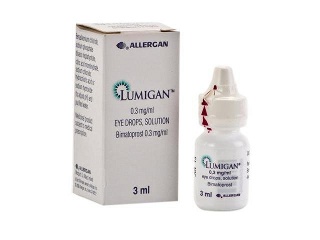
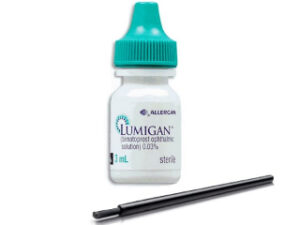
Lumigan (Bimatoprost) Eye Drops – Patient Guide (UK)
Lumigan is a well-known medicine used to lower pressure inside the eye. The active ingredient is bimatoprost, which belongs to the prostaglandin analogue group of glaucoma medicines. This guide is designed to be clear and patient-friendly and includes practical information on how it works, how to use it, common side effects, safety considerations, and options you may discuss with your eye care professional.
Important: Always follow the instructions given by your eye care professional and the leaflet supplied with your medicine. If you have any questions or concerns, speak to a pharmacist or optometrist/ophthalmologist.
Quick Product Details
| Category | Details |
|---|---|
| Medicine name | Lumigan |
| Active ingredient | Bimatoprost |
| Medicine type | Ophthalmic (eye) drops |
| How it is used | Once daily (commonly at night) in the affected eye(s) |
| Common purpose | Lower intraocular pressure (IOP) to help manage glaucoma and ocular hypertension |
What Lumigan Is Used For (Indications)
In the UK, Lumigan (bimatoprost) is used to help lower the pressure inside the eye. This is important because raised intraocular pressure can damage the optic nerve over time.
It may be prescribed for conditions such as:
- Open-angle glaucoma (including chronic forms) to reduce intraocular pressure.
- Ocular hypertension (higher-than-normal eye pressure without diagnosed glaucoma), when treatment is considered necessary to reduce risk.
Your eye care professional will decide whether Lumigan is suitable for you, depending on your eye pressure, optic nerve status, and overall eye health.
How Lumigan Works (Mechanism of Action)
Bimatoprost works by mimicking the effects of prostaglandins in the eye. While prostaglandin analogues share a general mechanism, the exact processes can be complex.
In general, Lumigan helps to increase the outflow of fluid (aqueous humour) from inside the eye. This reduces intraocular pressure by allowing more fluid to drain from the eye.
Lowering eye pressure can help slow progression of optic nerve damage in glaucoma and reduce the risk of further pressure-related damage.
Pharmacokinetics (How the Body Handles It)
Pharmacokinetics describes how a medicine moves through the body—how it is absorbed, distributed, metabolised, and eliminated. For eye drops, most effects are local to the eye.
Absorption and distribution
- After instillation, bimatoprost can be absorbed through the eye tissues. Systemic absorption is generally low when used as directed.
- The medicine acts primarily in the eye to reduce intraocular pressure.
Metabolism
- Bimatoprost is metabolised in the body through common biochemical pathways.
Elimination
- Metabolites are eliminated mainly via renal (kidney) pathways and through bile/faecal routes.
- Given the local use and low systemic exposure, significant systemic accumulation is not expected when used correctly.
If you have kidney or liver problems, discuss this with your eye care professional. They may still use Lumigan if benefits outweigh risks, but they may monitor you more closely.
Typical Treatment Plan and Timing
Lumigan is usually used . The most common recommendation is in the evening or at night. Your prescriber may specify the exact time based on your situation.
When should you take it?
- Try to apply your dose at about the same time each day.
- Many patients use Lumigan in the evening to match routine and to follow typical dosing schedules.
If you miss a dose
- If you remember on the same day, apply it as soon as possible.
- If it is close to the time for your next dose, skip the missed dose.
- Do not apply two doses to make up for a missed one.
If you frequently miss doses, ask your pharmacist for advice on habit-setting or reminders.
Dosing (How Much to Use)
The usual dosing approach for Lumigan eye drops is:
- One drop in the affected eye(s) once daily.
The strength may vary depending on the formulation available in your country and product pack. Your pharmacy label will show the exact concentration.
Who applies it?
- Apply it yourself if you can safely instil drops.
- If a carer applies drops for you, ensure they are trained and know the correct eye and dose.
How to use together with other eye drops
If you are using more than one eye medicine, spacing helps prevent dilution and washout:
- Use different drops at least 5 minutes apart, unless your clinician advises otherwise.
- If you use an ointment, apply it last.
Food Interactions
Lumigan is applied to the eye. Because systemic absorption is generally low, food interactions are not expected.
There are no known clinically significant interactions with specific foods. You can generally take your normal meals and continue your usual diet while using Lumigan.
Alcohol and Medicine Interactions
There is no strong evidence that alcohol directly interacts with Lumigan. However, it may indirectly affect eye comfort or adherence (for example, dryness, irritation, or forgetting doses).
When considering alcohol:
- If alcohol makes you feel drowsy or distracted, take care not to miss doses.
- Avoid touching the bottle tip to the eye—this helps reduce infection risk, regardless of alcohol use.
Other medicines: Tell your pharmacist or eye care professional about all medicines you use, including eye drops, tablets, and herbal products. The main interaction concerns typically relate to other eye treatments rather than tablets, due to local administration.
If you use multiple glaucoma medicines, your eye care professional will balance effectiveness and side effects.
Safety Profile: What to Expect
Like all medicines, Lumigan can cause side effects. Many patients tolerate it well. Some effects are local to the eye and may improve after the first few weeks.
Common side effects
- Redness of the eye(s).
- Itching or irritation.
- Dry eye sensation or mild discomfort.
- Changes around the eyelids, such as mild irritation.
- Increased growth or thickness of eyelashes (and sometimes darker lashes).
- Possible darkening of the iris (mainly gradual and more noticeable in some people).
Less common or important side effects
- Eye pain, marked redness, or significant worsening discomfort.
- Swelling around the eye.
- Vision changes (such as blurred vision that does not settle).
- Inflammation inside the eye (rare).
- Allergic reactions (rare), such as rash, swelling, or severe itching.
When to seek urgent advice
Contact your eye care professional promptly (or seek urgent medical help) if you experience:
- Severe eye pain.
- Sudden vision loss or severe vision changes.
- Significant swelling, discharge, or symptoms suggesting infection.
- A rash or signs of a serious allergic reaction.
Practical Tips for Safe, Effective Use
Step-by-step: How to instil Lumigan eye drops
- Wash your hands thoroughly.
- Check the bottle and expiry date.
- Tilt your head back and look up.
- Gently pull down the lower eyelid to create a small pocket.
- Hold the bottle above the eye and place one drop into the pocket.
- Close your eye gently and press lightly on the inner corner of your eye (near the nose) for about 1 minute. This may reduce drainage into the rest of the body.
- Keep your eye closed for a short time and avoid blinking repeatedly.
- Wipe away excess liquid with a clean tissue.
- Re-cap the bottle securely and wash your hands again.
Contact lenses
If you wear contact lenses, remove them before using the drops unless your clinician or pharmacist advises otherwise. Wait before reinserting. This is to avoid contamination and to reduce the chance of irritation.
Avoid contamination
- Do not let the bottle tip touch your eye or eyelids.
- Keep the cap on when not in use.
- Use only the prescribed person’s bottle.
Managing common comfort issues
- If you get dryness or irritation, artificial tears may help—but do not apply them at the same time. Space them by at least 5 minutes from Lumigan.
- If redness worsens after starting, consult your eye care professional to ensure it is not a sign of inflammation or intolerance.
Adherence matters
Consistent daily use helps maintain pressure control. If side effects make it difficult to keep using Lumigan, do not stop suddenly—speak to your eye care professional about adjusting treatment.
Alternative Options (Discuss With Your Eye Care Professional)
If Lumigan is not suitable or does not achieve adequate pressure control, there are several alternative treatments. Options include:
Other prostaglandin analogues
- Similar medicines in the same class (often once daily) may be used depending on your response and side effects.
Beta-blocker eye drops
- These reduce production of fluid inside the eye.
Alpha agonists
- These can reduce fluid production and/or improve outflow.
Carbonic anhydrase inhibitors
- Often used when prostaglandin analogues are insufficient or not tolerated.
Combination eye drops
- Some products combine two mechanisms in one bottle to simplify routines.
For some people, additional procedures may be considered if medication alone is not enough.
UK Market and Legal Context (What This Means for You)
Medicines are regulated to ensure quality, safety, and effectiveness. In the UK, glaucoma medicines such as Lumigan are supplied through established healthcare routes. Local availability can vary by formulation, pack size, and prescriber decisions.
Patient information leaflets (PILs) accompany the product, and safety updates may occur over time. UK guidance is influenced by national clinical practice, professional bodies, and monitoring of medicine safety through established pharmacovigilance systems.
Your pharmacy should provide clear instructions on use and label details such as strength and directions.
Recent Guidance and Clinical Notes (General Overview)
Clinical practice for glaucoma and ocular hypertension focuses on:
- Individualised target eye pressure based on risk factors and eye assessments.
- Regular monitoring of eye pressure and optic nerve health.
- Adherence support, as missed doses can reduce effectiveness.
- Review of side effects and adjustment of treatment if intolerance occurs.
If you experience new symptoms—especially eye pain, marked redness, or vision changes—inform your eye care professional promptly.
Delivery and Availability (UK Online Pharmacy)
Availability of Lumigan may depend on the specific formulation and pack size. Online pharmacies in the UK typically offer:
- Standard and/or express delivery options (timing may vary by postcode).
- Tracked delivery for added reassurance.
- Secure packaging to protect eye drops during transit.
When ordering, ensure you check:
- The strength matches what your clinician recommended.
- The expiry date is acceptable.
- You receive the correct product name: Lumigan (bimatoprost).
If you have questions about stock status or delivery timelines, contact customer support before placing an order.
Safety Considerations and Special Populations
Pregnancy and breastfeeding
If you are pregnant, planning pregnancy, or breastfeeding, discuss Lumigan with your eye care professional. They will weigh the benefits for your eye condition against any potential risks.
Children and adolescents
Lumigan may be used in some paediatric situations under specialist care. Dosing and suitability depend on age and medical history, so follow your clinician’s instructions.
Eye inflammation or other eye conditions
Tell your eye care professional if you have:
- A history of eye inflammation (uveitis) or complications after eye surgery.
- Severe dry eye or eye surface disease.
- Other eye problems affecting the cornea or eyelids.
Recent eye surgery
After eye surgery, your clinician may adjust timing or choose another treatment temporarily. Follow their advice carefully.
Overdose and Accidental Use
If you use more drops than advised, it is unlikely to cause serious harm, but it may increase side effects such as irritation or redness. Rinse the eye with lukewarm water if needed and seek advice if symptoms persist.
If someone accidentally swallows the drops, contact a healthcare professional or NHS advice line for guidance, especially for children.
FAQ: Frequently Asked Questions About Lumigan
1) What does Lumigan do to my eye?
Lumigan (bimatoprost) lowers intraocular pressure by increasing the eye’s fluid outflow. This helps reduce the risk of optic nerve damage associated with glaucoma or ocular hypertension.
2) How quickly will Lumigan work?
Some people notice pressure improvement over days. The full effect may take a few weeks. Your eye care professional will monitor your pressure and may adjust treatment if targets are not met.
3) Can I use Lumigan if my eyes feel dry?
Many people use Lumigan despite dryness, but it can cause irritation. If dryness is bothersome, discuss options such as lubricating drops (artificial tears) and spacing from Lumigan by at least 5 minutes.
4) Why is my eye red?
Redness can be a common side effect. However, significant pain, swelling, discharge, or worsening symptoms may indicate inflammation or a reaction. Seek advice if symptoms are severe or not improving.
5) Will Lumigan change my eyelashes?
It can. Increased eyelash growth, thickness, or darker lashes have been reported. This is usually not harmful, but if eyelashes become uncomfortable or irritate your eye, discuss it with your clinician.
6) Will Lumigan change the colour of my iris?
Gradual darkening of the iris has been reported in some patients, especially if there is pre-existing variation in iris colour. If this is a concern, talk to your eye care professional before starting or if you notice changes.
7) Can I wear contact lenses?
Often, contacts should be removed before instilling drops. Ask your pharmacist or clinician for the specific advice for your lens type and condition, and allow time before reinserting.
8) Can I use Lumigan with other eye drops?
Yes, many people use multiple eye drops. Keep at least 5 minutes between different drops (unless your clinician instructs otherwise) to prevent washout and reduce irritation.
9) Does Lumigan interact with other medicines or alcohol?
Major food interactions are not expected. Alcohol is not known to directly interact with Lumigan, but it may affect comfort or adherence. If you use other eye medicines or systemic drugs, tell your healthcare professional so they can check suitability.
10) What should I do if I miss a dose?
Apply it if you remember the same day, but if it is close to your next dose, skip the missed dose. Do not double up.
11) Is Lumigan suitable for everyone?
Suitability depends on your eye condition, medical history, and risk factors. Your eye care professional will assess whether bimatoprost is appropriate and safe for you.
12) How should I store Lumigan?
Follow the storage instructions on the pack. Keep the bottle tightly closed and out of reach of children. Avoid storing in conditions that do not match the label directions.
Summary: Key Points to Remember
- Lumigan (bimatoprost) is used to lower intraocular pressure in glaucoma and ocular hypertension.
- It is typically taken once daily, commonly at night.
- Common side effects include redness, irritation, and changes around eyelashes; rare but important symptoms require prompt medical advice.
- Keep drops spaced by 5 minutes from other eye medicines.
- If you experience severe pain, sudden vision changes, or marked swelling, seek urgent advice.
Always consult your healthcare professional for advice tailored to you. This webpage provides general information to help you understand Lumigan and use it safely.