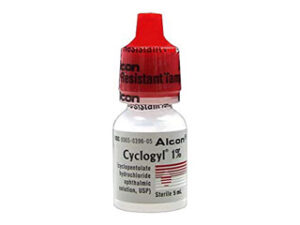
Cyclogyl (Cyclopentolate) Eye Drops – Patient Guide (UK)
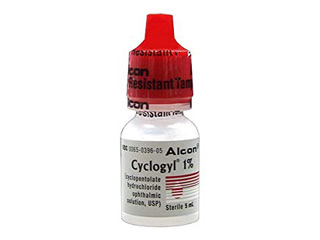
Cyclogyl contains cyclopentolate, an eye medicine used to temporarily widen (dilate) the pupil and paralyse focusing for a short time. It is commonly used in eye examinations and certain eye conditions where controlled pupil dilation and reduced focusing are needed.
This guide explains how Cyclogyl works, when it’s used, what to expect, and important safety information to help you use it confidently.
Key information at a glance
- Active ingredient: Cyclopentolate
- Medicine type: Anticholinergic (antimuscarinic) eye drops
- Main effects: Pupil dilation and temporary loss of near focusing
- Typical uses: Eye examinations; helping certain ophthalmic conditions by reducing focusing
- Common side effects: Blurred vision, light sensitivity, stinging/burning after drops
- Duration: Effects usually wear off within hours, sometimes longer depending on dose and age
What is Cyclogyl?
Cyclogyl is a brand of eye drops containing cyclopentolate. Cyclopentolate belongs to a group of medicines called antimuscarinic agents. By blocking specific nerve signals in the eye, it:
- Dilates the pupil (makes it larger)
- Prevents focusing on near objects by temporarily paralysing the ciliary muscle
These effects help clinicians examine the inside of the eye more clearly and, in selected situations, can help manage certain visual problems.
How Cyclogyl works (mechanism of action)
Cyclopentolate acts by blocking muscarinic receptors, which are involved in controlling:
- Iris constriction and pupil size
- Accommodation (the eye’s ability to change focus from distance to near)
After Cyclogyl is placed in the eye, it inhibits normal reflexes that would normally keep the pupil smaller and allow focusing. The result is:
- Mydriasis: pupil dilation
- Cycloplegia: reduced ability to focus on close-up details
Because the effects are temporary, most people will regain normal focusing gradually as the medicine wears off.
Pharmacokinetics (what happens to the medicine in the body)
The way cyclopentolate behaves in the body depends on how it is absorbed and distributed after eye administration. In general:
- Absorption: Cyclopentolate can be absorbed through the eye tissues. Some systemic absorption (into the bloodstream) may occur, especially in children.
- Distribution: Like other anticholinergic agents, it can potentially distribute beyond the eye when absorbed systemically.
- Metabolism and elimination: The drug is processed by the body and eliminated over time; effects gradually fade as levels decrease.
Practical note for patients: because a small amount may reach the bloodstream, it’s important to use the correct dose and avoid accidental overuse—particularly for children and for people with certain eye or medical conditions.
Typical uses in the UK
Cyclogyl is used mainly for pupil dilation and cycloplegia for eye care purposes. Common UK uses include:
- Ophthalmic examinations (helping clinicians view the retina and optic nerve)
- Refraction/vision testing where cycloplegia helps achieve a more accurate measurement of refractive error
- Selected ophthalmic conditions where temporary reduction of focusing may be beneficial (as advised by an eye specialist)
Your local clinician or pharmacist may choose a specific strength and regimen depending on age, the reason for dilation, and clinical findings.
When the effects start and how long they last (timing)
Response can vary between individuals, but typical timing is as follows:
| Effect | Typical onset | Typical peak | Typical duration |
|---|---|---|---|
| Pupil dilation (mydriasis) | Within 20–60 minutes | Often 30–90 minutes | Usually several hours; may last longer in some people |
| Blurred near vision / reduced focusing (cycloplegia) | Within 20–60 minutes | Often 30–120 minutes | Usually several hours; longer in children or after higher doses |
| Light sensitivity | As the pupil dilates | At peak dilation | Until pupils gradually return to normal size |
If you are preparing for an eye test, plan for blurred vision and sensitivity to bright light. You may need help with activities that require clear near vision.
Do you need to take with food?
Cyclogyl is an eye drop and is not taken by mouth. Therefore, typical “food interactions” are not expected in the same way as tablets. However, it’s still wise to:
- Use it as directed and avoid unnecessary repeats.
- Be aware that mild systemic effects (such as dryness or sleepiness) can be more noticeable in children.
For patient comfort, using the drops at a convenient time may help you avoid discomfort while the medicine starts working. Food does not usually affect the eye drop action.
Alcohol and medicine interactions
Alcohol
There is no specific, well-known direct interaction between alcohol and cyclopentolate eye drops at typical doses. However, because cyclopentolate may cause blurred vision, and occasionally systemic anticholinergic effects, drinking alcohol could make it harder to judge visual clarity and may increase dizziness or drowsiness in susceptible people.
As a precaution, if you have blurred vision or feel unwell after using Cyclogyl, it’s best to avoid alcohol until you feel fully normal again.
Other medicines
Cyclopentolate is an anticholinergic. Systemic absorption is usually limited, but interactions are still important, especially in people using other medicines with anticholinergic activity.
Tell a healthcare professional if you use:
- Other antimuscarinic/anticholinergic medicines (for example, some treatments for overactive bladder)
- Medicines that can affect the eye or pupil response
- Medicines that cause drowsiness or dizziness, as combined effects may be more noticeable if you feel unwell
If you are unsure about interactions with your current medicines, ask your pharmacist for tailored advice.
Indications (when Cyclogyl is meant to be used)
Cyclogyl is indicated for:
- Ophthalmic examination where mydriasis and cycloplegia are required
- Refraction tests to obtain more accurate measurements, particularly in children or where accommodation may affect results
- Other specialist-led ophthalmic uses where cycloplegia is part of treatment planning
The exact strength and frequency depend on age and clinical purpose. Cyclogyl should be used under guidance from an eye care professional when used for specific medical indications.
Dosing and how to apply (patient-friendly guidance)
Dosing can vary based on the reason for use and the patient’s age. Always follow the instructions provided for your specific situation. The information below is general and may not match every regimen.
General dosing principles
- Use only the prescribed/indicated dose and number of drops.
- Do not share eye drops with others.
- If using more than one eye medicine, spacing between drops may be required.
Typical administration (how to put in eye drops)
- Wash your hands.
- If wearing contact lenses, remove them before instilling drops (contacts are usually avoided during dilation).
- Tilt your head back and pull down the lower eyelid to create a small “pocket”.
- Place the correct number of drops into the lower eyelid pocket.
- Close your eye gently and keep it closed for about 1–2 minutes. Avoid squeezing your eyelids tightly.
- Optional but useful: press gently on the inner corner of your eye (near the nose) for about 1 minute to reduce drainage into the nose and improve local-only effect.
- Wipe away any excess liquid with a clean tissue.
- If you’re using multiple drops, wait between products as advised, then use the next one.
For children, it can be helpful to have another adult assist by keeping them still and using gentle reassurance.
Safety profile: who should be careful and what to watch for
Common side effects
These are usually temporary and relate to pupil dilation and focusing changes:
- Blurred vision (especially for near tasks)
- Light sensitivity (photophobia)
- Stinging or burning after application
- Dryness or reduced tear feeling
- Headache in some people
Less common but important systemic effects
If cyclopentolate is absorbed into the bloodstream, more widespread effects can occur, particularly in children. Seek urgent medical advice if you notice:
- Unusual agitation, confusion, or extreme drowsiness
- Fever or flushing
- Very fast heartbeat
- Dry mouth with difficulty swallowing
- Reduced sweating or overheating
- Hallucinations or severe behavioural change
Eye safety: what to monitor
Pupil dilation can increase the risk of an acute angle-closure type eye problem in susceptible individuals. Stop use and get urgent ophthalmic advice if you experience:
- Severe eye pain
- Bad headache with nausea/vomiting
- Sudden blurred vision or halos around lights
- Red eye that worsens
Who should be extra cautious
Speak to a healthcare professional before using Cyclogyl if you have:
- A known or suspected tendency toward narrow angles or glaucoma risk
- Any history of adverse reactions to cyclopentolate or similar medicines
- Existing eye inflammation where dilation could worsen symptoms
- Children or infants (because systemic effects may be more pronounced)
Practical use tips (make it easier and safer)
- Bring sunglasses for after the appointment. Bright outdoor light can be very uncomfortable after dilation.
- Avoid driving until your vision is clear again. Even if you feel okay, your focusing ability may still be reduced.
- Plan help for near tasks (reading, using a phone, cooking, or paperwork) if your near vision is blurred.
- Use punctal occlusion (gentle pressure at the inner corner of the eye) for about a minute after each dose. This can reduce drainage into the nose and may reduce systemic side effects.
- Close eyes gently after applying the drop; avoid rubbing.
- For children: keep them seated safely, and consider distraction techniques. Never let a child share drops or touch the bottle tip.
Alternative options
Depending on the reason for dilation and cycloplegia, clinicians may use other medicines with similar effects. Alternatives can include other cycloplegic or mydriatic drops such as:
- Atropine (longer lasting cycloplegia)
- Homatropine (shorter to intermediate duration cycloplegia)
- Tropicamide and other mydriatic agents (often used for fundus examination)
- Combination products used in eye examination protocols
Choice depends on age, required duration, risk of side effects, and the clinical goal (refraction versus retinal examination). Your eye care professional can advise what is most suitable.
Market and legal context in the United Kingdom (patient view)
In the UK, medicines are supplied and used according to national medicines legislation and regulatory guidance. Eye drops such as Cyclogyl are regulated by the UK medicines framework and are dispensed under appropriate pharmacy and healthcare pathways.
For patient safety, UK practice commonly includes:
- Clear labelling with directions for use
- Pharmacist or clinician advice tailored to your age and eye health
- Advice on driving and aftercare following pupil dilation
If you are unsure about your product label or what to expect, consult your pharmacist or eye care team.
Recent guidance and clinical practice notes (UK)
Eye examination practices continue to emphasise:
- Accurate refraction, especially in children, by using cycloplegia when needed
- Safety screening for glaucoma risk and monitoring for symptoms after dilation
- Reduced systemic exposure strategies, such as punctal occlusion
- Aftercare advice (sunglasses, avoiding driving, and planning for blurred vision)
Always follow the most current directions provided with your specific product and appointment plan.
Delivery and availability (UK online pharmacy)
Availability can vary depending on manufacturer supply, pharmacy stock, and the exact presentation of Cyclogyl. When ordered through an online pharmacy, delivery options typically include standard and tracked services within the UK.
To help ensure smooth delivery and safe use:
- Check that the product matches the brand and strength on the listing.
- Store according to the label (commonly at room temperature and away from heat and sunlight).
- Verify expiry dates before use.
If you need Cyclogyl for an upcoming eye appointment, allow extra time for delivery and consider that dilation may be needed on the day of the test only.
Frequently Asked Questions (FAQ)
1) Will Cyclogyl blur my vision?
Yes. Cyclogyl dilates the pupil and temporarily stops near focusing, so near vision will likely be blurry. You may also have reduced clarity at distance and increased light sensitivity.
2) How soon will it start working?
Effects commonly begin within 20–60 minutes after instillation. The strongest effects are often reached within the first 1–2 hours.
3) How long will the effects last?
Many people return toward normal within several hours. In some individuals (especially children or with higher dosing), effects can last longer. Plan to avoid activities requiring clear vision until you feel back to normal.
4) Can I drive after using Cyclogyl?
Generally, you should not drive until your vision is clear and focusing has returned. Because pupil dilation affects light response and focusing, it can be unsafe to drive too soon.
5) What should I do if I miss a dose?
Use should be based on the planned regimen for your eye care purpose. If you are uncertain, contact your pharmacist or eye care provider for advice. Avoid doubling up without guidance.
6) Can I use contact lenses?
It’s usually recommended to remove contact lenses before using dilating drops and wait until vision is clear before reinserting. Follow product label and your clinician’s advice.
7) Can Cyclogyl be used with other eye drops?
Often yes, but spacing may be needed. If you use multiple eye medicines, ask your pharmacist how long to wait between different drops.
8) Are there any food interactions?
Because Cyclogyl is used in the eye, food interactions are not typically expected. Still, follow instructions carefully and avoid overuse.
9) What about alcohol?
Alcohol doesn’t usually have a direct interaction with the eye drops, but it may worsen dizziness or make visual discomfort more difficult. Avoid alcohol until your vision and comfort are back to normal, especially if you feel unwell.
10) When should I seek urgent help?
Seek urgent medical/eye advice if you develop:
- Severe eye pain
- Severe headache with nausea/vomiting
- Sudden worsening vision or red eye
- Severe systemic symptoms such as unusual agitation, confusion, fever, or fast heartbeat
Summary
Cyclogyl (cyclopentolate) is an antimuscarinic eye drop used to dilate pupils and temporarily reduce focusing (cycloplegia). It helps eye professionals carry out examinations and refraction tests more accurately. Most effects are temporary, but you should expect blurred vision and light sensitivity for several hours. If you experience severe eye pain, significant vision changes, or troubling systemic symptoms, seek urgent medical advice.