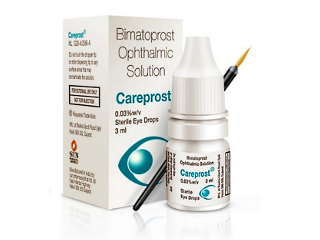
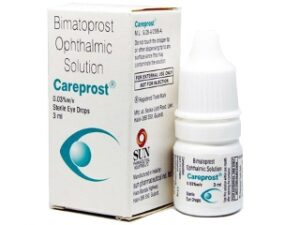
Careprost + Applicators (Bimatoprost) – Patient Guide (UK)
Careprost + Applicators contains bimatoprost, a medicine used to reduce eye conditions related to increased pressure inside the eye. This guide explains how it works, how to use it, what to expect, and important safety information—written for patients in the United Kingdom.
1) What is Careprost + Applicators?
Careprost + Applicators is an eye treatment supplied with applicators to help you apply the medicine to the treatment area. The active ingredient is:
- Bimatoprost
Bimatoprost belongs to the group of medicines called prostaglandin analogues (more precisely, it is a prostaglandin receptor agonist). It is commonly used in eye conditions where reducing intraocular pressure (IOP) can help protect the optic nerve.
In the UK, Careprost is marketed and supplied according to local medicines regulations and prescribing/dispensing requirements. Your pharmacy or eye-care professional will confirm the correct use for your specific condition.
2) Indications (What it is used for)
Bimatoprost is used to treat certain eye conditions where lowering intraocular pressure is beneficial. In the UK, it is commonly used for:
- Primary open-angle glaucoma
- Ocular hypertension (high pressure in the eye)
For some individuals, specialist eye-care professionals may also recommend bimatoprost depending on the clinical situation and product licences. Always follow the advice given to you for your condition.
3) How Careprost works (Mechanism of action)
Inside the eye, a clear fluid called aqueous humour is continually produced and drained. If the drainage system is less efficient, pressure can rise. Elevated pressure can damage the optic nerve over time.
Bimatoprost helps lower this pressure by:
- Increasing outflow of aqueous humour (through the eye’s drainage pathways)
- Supporting a change in the balance of fluid production and drainage so that pressure reduces
The effect is typically seen gradually and builds with regular use.
4) Pharmacokinetics (How the body handles bimatoprost)
Pharmacokinetics describes what happens to a medicine in the body—absorption, distribution, metabolism, and elimination.
- Local effect: Bimatoprost works mainly in the eye.
- Absorption: After topical eye use, only small amounts enter the bloodstream.
- Distribution: The medicine and its metabolites distribute through tissues at low levels.
- Metabolism & elimination: Bimatoprost is metabolised and cleared from the body, primarily by metabolic pathways and excretion. Systemic exposure after eye dosing is generally low.
Because absorption into the bloodstream is limited, side effects are most commonly related to the eye and the application site.
5) Typical dosing and timing
The usual dosing regimen for bimatoprost eye drops is:
| Use aspect | Typical patient guidance |
|---|---|
| Frequency | Once daily |
| Time of day | Often recommended in the evening or at the same time each day |
| Consistency | Try to apply at the same time daily to maintain the best pressure control |
Important: Follow the dosing instructions provided by your pharmacist or eye-care professional and the instructions included with your specific Careprost pack.
How long does it take to work?
- Some pressure reduction may be noticed within hours.
- More stable effect is usually reached after several days of regular use.
6) Practical instructions for using the applicators
Careprost is supplied with applicators to help you apply bimatoprost accurately. Exact technique can vary by product format, so use the enclosed leaflet for your pack.
Before you start
- Wash your hands thoroughly.
- Check the expiry date on the pack.
- Avoid touching the applicator tip to the eye or eyelids to reduce contamination risk.
Step-by-step general technique (patient-friendly overview)
- Choose the correct eye(s) as directed by your clinician.
- Look slightly downward (or as comfortable).
- Apply gently to the prescribed area using the applicator. Do not rub the eye afterwards.
- If needed, you can close the eye gently for a short moment.
- Wipe away excess medicine with a clean tissue if advised by the leaflet.
- Wash your hands again after use.
Contact lenses
- Many patients can use their lenses after applying eye drops, but specific product guidance matters.
- If you wear contact lenses, ask your pharmacist or follow the leaflet instructions on whether you should remove them before use and how long to wait before reinserting.
What if you miss a dose?
- Apply it as soon as you remember if it is close to your usual time.
- If it is nearly time for your next dose, skip the missed dose.
- Do not apply extra to make up for a missed dose.
If you are unsure, ask your pharmacist or eye-care professional.
7) Food interactions
Because bimatoprost is applied to the eye and systemic absorption is typically low, food interactions are not generally expected.
You can usually take meals and drinks normally. However, if you notice any unexpected eye irritation after meals (for example, with alcohol), treat it as individual sensitivity and seek advice if symptoms persist.
8) Alcohol and medicine interactions
Alcohol
- There are usually no direct alcohol–bimatoprost interactions because the medicine is used locally in the eye.
- Alcohol can contribute to dry eyes in some people, which may increase stinging or discomfort.
Other medicines
Interactions are less common with topical eye medicines, but it is still important to provide a complete list of medicines you use—especially:
- Other eye drops (for glaucoma, dryness, redness, allergies, etc.)
- Anti-inflammatory medicines (eye or tablet forms)
- Medicines that affect immune function
If you use more than one eye medicine, the order and timing matters (often you should separate different drops by a few minutes). Your pharmacist can advise the correct schedule.
If you experience new symptoms after starting another medicine, consult your clinician or pharmacist.
9) Safety profile and possible side effects
Most side effects are related to the eye area. Side effects can vary between individuals. The most common effects are typically mild to moderate and may lessen as your eyes adjust.
Common and expected side effects
- Redness of the eye
- Itching or mild irritation
- Dry eye or a gritty sensation
- Stinging/burning shortly after application
- Changes to eyelashes (e.g., increased length, thickness or darkening)
- Increase in pigmentation around the eyelid area
Less common but important effects
- Inflammation of the eye (uveitis) or symptoms such as pain and light sensitivity
- Swelling around the eye (periorbital effects)
- Blurred vision or discomfort that persists
- Corneal effects in those with certain risk factors
When to seek urgent advice
Contact urgent care or your eye-care provider promptly if you experience:
- Severe eye pain
- Significant vision changes
- Marked light sensitivity
- Severe swelling of the eyelids or eye
- Symptoms of possible infection (e.g., worsening discharge plus pain)
Who should take extra care?
- People with a history of eye inflammation
- Those with corneal problems
- Patients who have had recent eye surgery
- Anyone using multiple eye treatments
10) Safety tips for practical use
- Be consistent: bimatoprost works best when used at the same time every day.
- Do not overuse: extra dosing does not typically improve results and can increase side effects.
- Remove contact lenses if advised and avoid applying when your eyes are very dry.
- Manage irritation: if stinging happens after application, keep using as directed unless symptoms are severe. Consider asking about lubricating drops compatible with your treatment plan.
- Watch eyelid skin changes: darker pigmentation around the eyelids can occur in some people. This is usually not harmful but should be noted.
- Tell your clinician about other eye problems or planned procedures.
11) Missed dose, stopping, and long-term use
Glaucoma and ocular hypertension treatment is typically long-term. Do not stop bimatoprost without speaking to your eye-care professional, even if you feel well. Eye pressure can rise again.
If you need to pause treatment (for example, due to an eye reaction), seek medical advice to ensure your eye pressure is monitored.
12) Alternative options
If Careprost is not suitable—due to side effects, effectiveness, or other factors—there may be alternatives. Treatment choice depends on your diagnosis, response, and eye health.
Possible alternative medicines (examples)
- Other prostaglandin analogues (often once daily alternatives)
- Beta-blocker eye drops
- Carbonic anhydrase inhibitors
- Alpha agonists
- Combination eye drops (where suitable)
Your clinician may also discuss non-medicine options such as laser or surgical approaches depending on the severity and progression of your condition.
13) UK market and legal/regulatory context
Medicines in the United Kingdom are regulated by the Medicines and Healthcare products Regulatory Agency (MHRA). Products like bimatoprost are supplied in accordance with their licence conditions and safety information.
Pharmacies must ensure correct supply, including verification of patient details and adherence to the product’s intended use. If you are collecting from a pharmacy, the pharmacist will provide guidance on proper use and answer questions about side effects and interactions.
Recent guidance and monitoring (high-level overview)
- Eye pressure targets and treatment plans are periodically reviewed based on clinical assessments such as visual field testing and optic nerve imaging.
- Patients are encouraged to report new symptoms promptly, particularly signs of inflammation, pain, or changes in vision.
For the most up-to-date instructions specific to your product and condition, always refer to the leaflet provided with your Careprost pack and the advice from your healthcare team.
14) Delivery and availability in the UK
Careprost + Applicators may be available through UK pharmacies and online pharmacy services depending on stock and local supply arrangements. Availability can vary by:
- Pack size and concentration
- Current demand and supply chain conditions
- Regulatory or prescribing supply rules in place
Online pharmacies typically arrange delivery to UK addresses. Delivery times vary—check the pharmacy’s website at checkout for estimated dispatch and delivery windows.
If a product is out of stock, some services offer email notifications or alternatives.
15) Frequently Asked Questions (FAQ)
Can I use Careprost if I have sensitive eyes?
Many people tolerate bimatoprost well, but irritation can occur. If you have a history of eye sensitivity, dryness, or inflammation, discuss this with your pharmacist or eye-care professional. Report persistent or worsening symptoms promptly.
Will Careprost make my eyelashes grow?
Changes to eyelashes are a known effect. Some people notice longer, thicker, or darker eyelashes and increased pigmentation around the eyelid. This is usually cosmetic, but if you notice significant discomfort or eye changes, seek advice.
How should I apply it if I also use other eye drops?
Use bimatoprost as directed, and separate different eye drops by the interval recommended by the leaflet or your pharmacist (often a few minutes). If you are unsure, ask your pharmacist to set out a clear daily timetable.
What should I do if it stings after application?
Mild stinging may happen. Try to avoid touching the eye with the applicator and apply gently. If stinging is severe, lasts long, or is accompanied by pain, light sensitivity, or blurred vision, contact your eye-care professional urgently.
Can I wear makeup or use face creams around my eyes?
You can usually use makeup, but avoid applying it immediately after dosing if it gets into the eye or if it irritates the eyelids. Keep face products away from the eye surface. If you have eyelid pigmentation changes, choose gentle products and avoid rubbing your eyes.
Is it safe to drink alcohol while using Careprost?
Direct interactions are not expected. However, alcohol may worsen dry eye discomfort in some people. If you notice increased irritation, reduce alcohol intake and discuss options with your pharmacist.
What if I accidentally put the applicator in the wrong eye?
Accidental minor misapplication may not be harmful, but you should continue using it exactly as directed for the prescribed eye(s). If you experience symptoms such as redness, pain, or vision changes, seek advice.
How will I know it’s working?
Eye pressure control is assessed during eye check-ups. You may not feel the effect. Follow-up appointments are important to monitor pressure and optic nerve health.
Should I store it in the fridge?
Storage instructions depend on the product leaflet. Check the pack label for temperature and light protection guidance, and follow it carefully.
Summary
Careprost + Applicators (bimatoprost) is used to lower intraocular pressure in conditions such as open-angle glaucoma and ocular hypertension. It works by improving the eye’s fluid drainage, with benefits developing over days. Most side effects are mild and related to the eye area, though you should seek urgent help if you develop severe pain, light sensitivity, or significant vision changes.
Use the applicator technique gently, at the same time each day, and keep all follow-up appointments. If you have questions about interactions, missed doses, or managing side effects, speak with your pharmacist or eye-care professional.