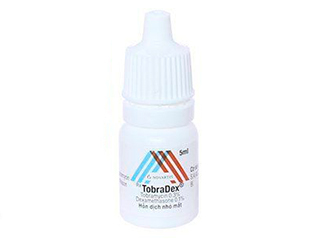
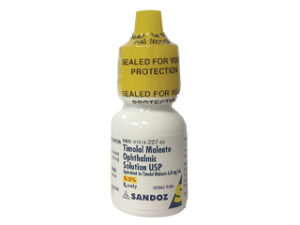
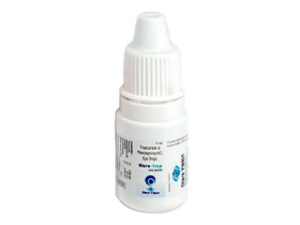
Tobradex (Obramycin / Dexamethasone) Eye Drops & Ointment
Tobradex is a combined medicine used in the eye to treat certain eye infections and inflammation. It contains tobramycin (Obramycin), an antibiotic, and dexamethasone, a corticosteroid that reduces inflammation. This combination is commonly used when infection and inflammation occur together.
In the UK, Tobradex products may be available as eye drops and/or eye ointment depending on brand presentation. Always check the package for the exact strength and formulation.
Quick overview
- Active ingredients: Tobramycin (as Obramycin) + Dexamethasone
- What it’s for: Infected, inflamed conditions of the eye where both bacterial infection and inflammation are present
- Forms: Eye drops and eye ointment (depending on product pack)
- How it works: Tobramycin fights susceptible bacteria; dexamethasone reduces swelling, redness and pain from inflammation
- Typical duration: Often several days to about 1–2 weeks, depending on response and clinician advice
Important safety note
Steroid-containing eye medicines can reduce symptoms even when infection is not fully treated. Use Tobradex exactly as directed on the pack or by a healthcare professional. Stop and seek urgent advice if you experience severe pain, sudden worsening, marked light sensitivity, or reduced vision.
Do not use Tobradex for viral eye infections (such as herpes simplex keratitis) or fungal eye disease, unless specifically directed by an eye specialist.
Basic product information
| Category | Details |
|---|---|
| Medicine name | Tobradex (Obramycin / Dexamethasone) |
| Medicinal components | Tobramycin (Obramycin) + Dexamethasone |
| Route | Ocular (eye) use |
| Dosage forms | Eye drops and/or eye ointment (strength depends on product) |
| What to use it for | Selected bacterial eye infections with inflammation |
How Tobradex works (mechanism of action)
Tobramycin (Obramycin) – antibiotic action
Tobramycin is an aminoglycoside antibiotic. It works by interfering with bacterial protein synthesis. This helps stop bacterial growth and can lead to bacterial death. Tobramycin is most effective against susceptible bacteria that commonly cause eye infections.
Dexamethasone – corticosteroid action
Dexamethasone is a corticosteroid that reduces inflammation by affecting inflammatory pathways in the eye. It can help decrease redness, swelling, itching and pain caused by inflammatory processes.
Combination benefit: Tobradex is designed for situations where inflammation is significant and bacterial infection is also suspected or confirmed.
Pharmacokinetics (what happens in the body)
After topical ocular administration, only a fraction of the medicine reaches the deeper eye structures. A significant part may drain through the tear ducts into the nose and throat, then be swallowed. The overall systemic absorption is usually low, but it can be increased in some situations (for example, frequent dosing, larger amounts, or prolonged use).
- Ocular distribution: Tobramycin and dexamethasone penetrate ocular tissues to varying degrees.
- Elimination: Any swallowed portion is broken down by normal body metabolism and excreted largely through kidneys and bile pathways, though systemic levels remain generally low with proper use.
- Clinical implications: Because systemic exposure is limited, systemic side effects are less common than local eye effects. However, steroid-related eye effects can occur locally.
Typical uses in the UK
Tobradex is generally used for eye conditions where both infection and inflammation are present, including:
- Bacterial conjunctivitis (infective inflammation of the conjunctiva), when the doctor considers steroid use appropriate
- Blepharitis and other eyelid inflammation with suspected or confirmed bacterial involvement
- Post-operative or trauma-related inflammatory states where bacterial infection and inflammation need to be treated together (only when specifically indicated)
Use of steroid-containing eye medicines should be guided by clinical judgement, because steroids may be harmful in some eye infections (such as viral or fungal infections) and can worsen certain conditions.
When to start and how to time your doses
Timing matters for keeping antibiotic levels in the eye and for controlling inflammation. Because exact dosing depends on the condition and product strength, follow your pack instructions or clinician guidance.
General timing principles
- Space doses evenly: If using multiple times daily, keep intervals as consistent as possible.
- Complete the course: Even if symptoms improve, stopping early can allow infection to return.
- Don’t exceed frequency: More frequent use can increase the risk of side effects, including raised eye pressure with steroids.
Drops vs ointment timing
If you are using both drops and ointment (only if instructed), ointment is often applied last, usually before sleep, because it can blur vision.
How to dose Tobradex (eye drops and ointment)
Dosing schedules can vary by age, severity, and formulation. Below are commonly used patterns for Tobradex, provided for general information. Always check the specific pack leaflet for your exact strength.
Typical regimen (general guidance)
- Eye drops: Often used several times per day initially, then reduced as symptoms improve.
- Eye ointment: Often applied less frequently than drops because it stays on the eye surface longer.
Many treatment regimens for Tobradex aim to balance two goals: rapid control of inflammation and adequate antibiotic coverage for the suspected infection.
Remember
- If using more than one eye medicine, separate them by at least 5–10 minutes.
- Do not touch the nozzle or tube tip to the eye or surrounding skin to reduce contamination risk.
- Wash your hands before and after use.
Food interactions
Tobradex is applied to the eye. Food interactions are not expected to be clinically significant. However, because some medicine may drain into the mouth and be swallowed, it is sensible to follow general medication safety:
- There is typically no need to change meals.
- If you feel unwell after using the product, stop and seek advice promptly.
Alcohol and medicine interactions
There are no well-known direct interactions between alcohol and Tobradex for most people. However, because steroids can rarely cause systemic effects when absorbed and because some people may have sensitivity or dizziness from blurred vision (a local effect), it is best to avoid alcohol if you are experiencing symptoms such as dizziness, blurred vision or feeling unwell.
Medicine interactions: The main considerations are more about local eye combinations than systemic interactions. Tell your pharmacist or clinician about all eye drops/ointments you use, especially other steroid-containing medicines. Also mention any medicines you take regularly, particularly if you have a history of glaucoma or raised eye pressure.
Contact lenses
You should generally avoid wearing contact lenses during an active eye infection or inflammation unless advised otherwise. If your eye is red, painful, or secreting fluid, remove lenses and use glasses until you have recovered.
Indications (what it is meant to treat)
Tobradex is indicated for selected bacterial eye infections with inflammation. Steroid-containing medicines are used only where the inflammatory component is appropriate to treat and where infection is not likely to be viral or fungal.
Examples include some forms of infective conjunctivitis and inflammatory eyelid conditions with bacterial features, as well as specific post-surgical or traumatic situations under medical oversight.
How to use Tobradex correctly (practical tips)
Step-by-step for eye drops
- Wash your hands thoroughly.
- Check the tip: Make sure it is clean and not cracked.
- Position: Tilt your head back and gently pull down the lower eyelid to form a small pocket.
- Instil the drop: Hold the bottle above the eye and squeeze one drop into the lower eyelid pocket.
- Close the eye gently: Keep the eye closed for about 1 minute.
- Prevent drainage (recommended): Lightly press the inner corner of the eye (near the nose) for 30–60 seconds to reduce drainage into the tear duct.
- Repeat if needed: If dosing requires multiple drops, wait between drops as directed.
- Replace cap and wash hands.
Step-by-step for eye ointment
- Wash hands.
- Pull down the lower eyelid gently.
- Squeeze a small ribbon of ointment into the pocket.
- Close the eye gently and keep it closed for about 1 minute.
- Ointment may blur vision temporarily—this is normal.
Common practical considerations
- Vision blur: Especially with ointment, vision may blur briefly. Avoid driving until your vision clears.
- Symptom change: Mild burning or irritation can occur. Persistent or worsening pain needs prompt review.
- Hygiene: Replace bottles/ointments as advised. Don’t share personal eye medicines.
Safety profile and possible side effects
Most common local effects
- Transient stinging, burning or watering
- Redness or mild irritation
- Blurred vision (more likely with ointment)
- Dryness or discomfort after instillation
Important steroid-related risks
Dexamethasone (a corticosteroid) can cause or contribute to:
- Raised intraocular pressure (IOP): Prolonged use can increase eye pressure in some people.
- Glaucoma risk: If you already have glaucoma or are at risk, monitoring is essential.
- Cataract formation: Long-term steroid use may increase risk of cataracts.
- Delayed healing: Steroids may slow the recovery of tissues.
Allergy and severe reactions
Seek urgent medical help if you experience symptoms of an allergic reaction such as swelling of the eyelids, severe itch, rash, or difficulty breathing.
Seek prompt advice if you have
- Severe eye pain
- Worsening redness or swelling after starting
- Marked light sensitivity
- Blurred or reduced vision
- Increased discharge or the infection appears to spread
- No improvement after a short period of treatment (for example, within 48 hours, or sooner if advised)
Who should be extra cautious
- People with glaucoma or a history of raised eye pressure
- Those with herpes simplex eye disease (keratitis), unless specifically managed by an eye specialist
- People with thin cornea or corneal surface problems
- Anyone with suspected viral or fungal eye infection
- Pregnant or breastfeeding individuals should seek advice before use (see FAQ)
Warnings and precautions
- Do not use longer than recommended: Steroid effects increase with prolonged use.
- Avoid contamination: Keep the tip clean; close the cap promptly.
- Follow hygiene measures: Wash hands and avoid touching the eye.
- Contact lenses: Avoid during infection; replace lenses only when fully recovered.
Alternative options
Depending on the diagnosis and cause, alternative treatments may include:
- Antibiotic-only drops or ointments (if inflammation is not the primary issue)
- Artificial tears or lubricating gels for irritation (not treating infection)
- Anti-viral treatment where viral infection (e.g., herpes simplex) is suspected
- Anti-allergy eye drops for allergic conjunctivitis (if appropriate)
- Referral to ophthalmology for corneal involvement, severe pain, reduced vision, or recurrent symptoms
The best alternative depends on the underlying cause of symptoms. Using a steroid-containing product when infection is viral or fungal can be harmful.
UK market and legal context (overview)
In the UK, Tobradex and similar eye preparations are available through regulated pharmaceutical routes. Availability may vary by formulation and strength, and pharmacy staff can advise on suitable options where appropriate.
Medicines classification and supply arrangements can change over time. Always check the product listing on your chosen UK pharmacy website for:
- Whether the medicine is available for supply
- Any eligibility questions that apply
- Pack size and formulation
- Manufacturers’ patient information leaflets
Recent guidance and best practice (UK-relevant themes)
While guidance can differ by clinical circumstance, UK best-practice approaches for eye infections commonly emphasise:
- Correct diagnosis: Distinguishing bacterial infection from viral, allergic, or non-infectious causes
- Judicious steroid use: Avoiding steroids when viral/fungal infection is possible
- Timely review: Reviewing symptoms if not improving promptly
- Monitoring risk factors: Considering eye pressure monitoring with steroid use, especially for longer courses
If your symptoms are severe, recurrent, or involve the cornea (pain, gritty sensation, light sensitivity), prompt assessment by an appropriate clinician is recommended.
Delivery and availability (online pharmacy)
Tobradex may be available as eye drops and/or eye ointment depending on stock and supplier. Delivery times depend on the UK pharmacy’s dispatch schedule, carrier options, and your postcode.
- In-stock items: Typically dispatched quickly during working days.
- Out-of-stock items: May require ordering from the supplier network, leading to longer lead times.
- Storage: Store at room temperature as directed on the pack. Keep out of sight and reach of children.
Check the product page for the most up-to-date availability information, pack sizes, and delivery estimates.
FAQ
1) Can I use Tobradex for any red, sore eye?
Not always. Red eyes can have many causes (viral, allergic, dry eye, irritation, or corneal conditions). Because Tobradex contains a steroid, it should be used only for conditions where steroid use is appropriate and infection is bacterial or otherwise managed clinically.
2) How quickly should I feel better?
Some people notice improvement within 24–48 hours if the cause is bacterial and responds. If symptoms worsen or do not improve within a short period, seek advice promptly—especially if you have pain or reduced vision.
3) Will Tobradex affect my contact lenses?
Contact lenses should generally be avoided during active infection/inflammation. If you use lenses, remove them before applying the medicine. Ask a pharmacist or clinician when you can safely resume wearing them. Replace lenses and lens cases according to advice.
4) Can I drive after using Tobradex?
Eye drops usually cause less blur than ointment, but some blurring can occur. Avoid driving if your vision is blurred, and wait until it clears.
5) Is Tobradex safe for children?
Tobradex may be used in children in appropriate circumstances, but dosing and duration should be determined carefully by a healthcare professional. If the child has severe pain, light sensitivity, or vision changes, seek prompt assessment.
6) Can I use Tobradex during pregnancy or breastfeeding?
The medicine is applied to the eye, so systemic absorption is usually low, but it’s still important to obtain professional advice if you are pregnant, trying to conceive, or breastfeeding. A clinician can assess risks and the likely benefit for your specific situation.
7) What happens if I miss a dose?
If you miss a dose, apply it when you remember unless it’s close to the time for the next dose. Do not apply extra drops to make up for the missed dose. If you are unsure, ask your pharmacist for guidance.
8) How long can I use it?
Use for the shortest time needed to treat the condition. Prolonged steroid use increases the risk of raised eye pressure and other steroid-related effects. Always follow the pack instructions and clinical advice.
9) Are there any alcohol concerns?
Alcohol is not known to have a direct interaction with Tobradex for most people. However, if alcohol makes you feel unwell or affects your alertness, avoid driving or unsafe activities—especially if your vision is blurred after using the ointment.
10) What other eye drops can I use alongside Tobradex?
If you need more than one eye medicine, separate them by at least 5–10 minutes unless your clinician says otherwise. Some combinations may not be suitable. Tell your pharmacist or clinician what you are using.
11) Could Tobradex worsen a viral infection?
Yes. Steroids can make some viral eye infections worse. If you have a history of herpes simplex in the eye, or if symptoms suggest a viral cause (for example, severe sensitivity to light with a previous cold sore history), seek medical advice promptly before using steroid-containing drops.
12) When should I seek urgent help?
Seek urgent medical attention if you have severe pain, reduced vision, marked light sensitivity, sudden worsening, suspected corneal injury, or if you wear contact lenses and develop significant symptoms.
Final reminders
- Use Tobradex only for the specific eye problem it was intended for.
- Follow dosing and do not extend treatment beyond advised duration.
- Keep good eye hygiene and avoid contact lenses during active symptoms.
- Contact a clinician urgently if symptoms are severe, worsening, or vision changes occur.