Timoptic (Timolol Maleate) Eye Drops – Patient Information (UK)
Timoptic is a medicine containing timolol maleate, used in the treatment of certain eye conditions, most commonly glaucoma and ocular hypertension. It works by lowering pressure inside the eye. This page explains how Timoptic works, how it is typically used, and what to expect in everyday life.
This information is designed to be patient-friendly and UK-focused, but it does not replace advice from your eye care professional.
Quick Facts
- Active ingredient: Timolol maleate
- Medicinal form: Eye drops (topical ophthalmic use)
- Main use: Reduces intraocular pressure (IOP)
- How it works: A beta-blocker that decreases production of aqueous fluid in the eye
- Typical dosing schedule: Often once or twice daily, depending on your specific regimen
- Common precautions: Can affect heart rate and breathing in some people; can interact with other medicines
Basic Product Information
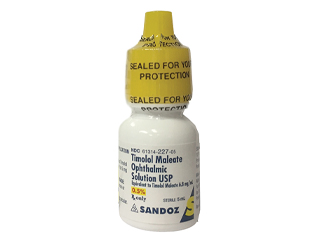
Timoptic is supplied as eye drops containing timolol maleate. Timolol belongs to a group of medicines called beta-blockers. When used in the eye, it lowers the pressure within the eye by reducing the amount of fluid produced.
In the UK, medicines are supplied and regulated according to pharmacy and medicines standards. Your local supplier may provide the exact concentration and packaging details; these can vary by product presentation.
How Timoptic Works (Mechanism of Action)
Timolol is a non-selective beta-adrenergic receptor blocker. In the eye, beta receptors help regulate the production of aqueous humour (the fluid that maintains eye pressure). By blocking these receptors, timolol:
- Reduces aqueous humour production, which lowers intraocular pressure (IOP)
- May also contribute modestly to improving fluid outflow, depending on individual factors
Lowering IOP helps protect the optic nerve and can reduce the risk of progression of optic nerve damage in glaucoma.
What It’s Used For (Indications)
Timoptic is indicated for conditions where lowering intraocular pressure is beneficial, including:
- Primary open-angle glaucoma
- Ocular hypertension (raised eye pressure without definite glaucoma damage)
- Secondary glaucoma or raised intraocular pressure in some situations, as directed by an eye specialist
Your clinician may choose timolol when it is suitable for your eye findings, overall health, and other medications you take.
When Timoptic Starts Working and Timing Advice
Many people notice effects within the same day, but the full pressure-lowering benefit may take time to stabilise. It is common for clinicians to check pressure after starting (timing varies).
- Typical dosing frequency: Often once daily or twice daily, depending on the specific product strength and your regimen.
- Best practice: Use at the same times each day to maintain consistent effect.
- If you miss a dose: Use it when you remember unless it is close to the next dose. Do not double up.
If you are unsure about your exact schedule, follow the instructions provided with your specific Timoptic product or your eye-care team’s guidance.
Dosing: Typical Regimens in Adults
Dosing can vary. The guidance below describes common approaches used in clinical practice and on product information for ophthalmic timolol. Your clinician may adjust the dose depending on your response and tolerability.
| Condition | Typical dosing approach | Notes |
|---|---|---|
| Glaucoma / Ocular hypertension | Often one drop into the affected eye(s) once or twice daily | Dosing frequency depends on strength and your prescribed plan |
| Combination therapy | Timoptic may be used alongside other glaucoma medicines | If using multiple eye drops, separate doses as advised (e.g., by at least 5–10 minutes) |
| Adjustment over time | May be titrated based on measured IOP and symptoms | Do not stop suddenly without medical advice |
How to apply one drop: Keep your bottle clean, avoid touching the dropper tip to the eye or eyelashes, and wash your hands before and after use.
Pharmacokinetics (Absorption, Distribution, Metabolism, Excretion)
When used as eye drops, timolol primarily acts locally in the eye, but some absorption through the eye and nasal passages can occur. This means systemic effects can rarely occur, particularly in sensitive individuals.
- Absorption: A portion of timolol may reach the bloodstream via the conjunctival tissues and the nasolacrimal drainage pathway (the channel that drains tears into the nose).
- Systemic distribution: Like other beta-blockers, absorbed timolol can distribute to body tissues and may affect heart rate and other beta-mediated functions.
- Metabolism: Timolol is metabolised in the body (primarily in the liver).
- Excretion: Metabolites are mainly eliminated via the kidneys (urine).
For practical reasons, the amount absorbed can be reduced by using techniques such as punctal occlusion (see “Practical Use Tips”).
Food Interactions
Because Timoptic is used as eye drops, food interactions are generally not expected to be clinically significant. Systemic absorption is possible, but it is not typically influenced by what you eat.
- Most patients: Can continue normal meals.
- If you take medicines for heart rhythm or blood pressure: Interactions depend on those medicines, not on food.
Alcohol and Medicine Interactions
Alcohol
Alcohol is not known to directly interact with timolol eye drops in a predictable way. However, alcohol can affect dizziness, blood pressure, and heart rate in some people. If you experience light-headedness, fatigue, or blurred vision, consider limiting alcohol and discuss symptoms with your clinician.
Medicine Interactions
Timolol can potentially interact with other medicines, mainly due to its beta-blocker activity when small amounts are absorbed into the body. Tell your eye-care professional and pharmacist about all medicines you take, including over-the-counter products.
Important interaction groups include:
- Other beta-blockers (including some eye drops): may increase beta-blocking effects (e.g., lower heart rate).
- Medicines for heart rhythm problems (antiarrhythmics): combined effects may increase risk of slow heart rate or blood pressure changes.
- Medicines that lower heart rate (e.g., some calcium channel blockers such as verapamil/diltiazem): may have additive effects.
- Medicines that affect the nervous system or blood pressure: monitor for dizziness or faintness if you are sensitive.
- Diabetes medicines (especially insulin) and blood sugar awareness: beta-blockers can sometimes mask symptoms of low blood sugar (such as palpitations). Timolol absorption from the eye is usually limited, but caution is still sensible.
- Medicines for respiratory conditions (asthma/COPD): beta-blockers can potentially worsen breathing in susceptible patients.
Do not start or stop other medicines because of Timoptic without seeking advice.
Safety Profile and Who Should Be Cautious
Common Side Effects
Many people tolerate timolol well. However, eye symptoms can occur because it is a topical medicine. Possible side effects include:
- Eye irritation or discomfort
- Dry eyes or a gritty feeling
- Blurred vision (often temporary)
- Redness of the eye
- Watery eyes
- Itching or mild burning sensation
Systemic (Body) Side Effects – Rare but Important
Because timolol can be absorbed into the bloodstream, the following effects can rarely occur:
- Slow heart rate (bradycardia)
- Lower blood pressure, dizziness, or feeling faint
- Shortness of breath or worsening respiratory symptoms, especially in people with asthma or certain chronic lung diseases
- Fatigue, reduced exercise tolerance
Who should seek extra advice before using Timoptic
Take extra care and discuss your situation with a clinician if you have:
- Asthma or a history of wheezing/bronchospasm
- Chronic obstructive pulmonary disease (COPD) with symptoms
- Slow heart rate or certain heart conduction problems
- Heart failure or significant cardiovascular disease
- Diabetes (especially if you are prone to low blood sugar)
- Corneal disease or severe dry eye (you may need additional supportive treatment)
Practical Use Tips (How to Get the Best Results and Reduce Side Effects)
Step-by-Step Technique
- Wash your hands.
- Shake only if your product instructions require it (some eye drops do; others do not).
- Tilt your head back and gently pull down the lower eyelid to create a pocket.
- Instil one drop into the pocket without touching the eye with the bottle tip.
- Close your eye gently and keep it closed for about 1–2 minutes.
- Wipe excess liquid from the eyelid with a clean tissue.
Punctal Occlusion (Helps Reduce Systemic Absorption)
To reduce how much medicine drains into the nose and bloodstream, you can gently press the inner corner of the eye (near the nose) for about 1–2 minutes after instilling the drop. This may lower the chance of systemic beta-blocker effects.
If You Wear Contact Lenses
- Many eye drops contain ingredients that may be unsuitable for contact lens use. Check your product leaflet.
- As a general rule, remove lenses before using drops and wait at least 15 minutes (or follow product-specific guidance) before reinserting.
Using More Than One Eye Medicine
If you use other eye drops (such as prostaglandin analogues, lubricants, or combination therapies), separate them to prevent “washing out” of earlier drops.
- Common advice is to wait 5–10 minutes between different eye drops unless your clinician instructs otherwise.
- Lubricating drops (artificial tears) are often used last unless told otherwise.
Driving and After Use
Some people experience temporary blur after instillation. Avoid driving or operating machinery until your vision is clear.
What to Expect at Follow-Up
Glaucoma treatment is ongoing. Your eye-care professional may check:
- Intraocular pressure (IOP)
- Optic nerve health and visual field testing
- Eye surface condition (for irritation/dryness)
- Heart and breathing symptoms if you have related risks
If your pressure is not adequately controlled, your clinician may adjust the regimen or switch to another medicine type.
Alternative Options (Other Medicines for Raised Eye Pressure)
Timoptic is one approach to lowering IOP. Depending on your diagnosis and tolerability, an eye specialist may consider alternatives, including:
- Prostaglandin analogues (often used once daily): such as latanoprost or similar agents.
- Other beta-blockers: sometimes used if timolol is not suitable.
- Carbonic anhydrase inhibitors: e.g., dorzolamide or brinzolamide eye drops.
- Alpha-2 adrenergic agonists: e.g., brimonidine (in some cases).
- Combination eye drops: combining two active medicines to improve convenience.
- Laser or surgical options: considered when medicines alone are insufficient.
The best option depends on your eye pressure levels, type of glaucoma, other health conditions, and how well you tolerate side effects.
UK Market & Legal/Regulatory Context (What It Means for You)
Medicines in the UK are regulated by the Medicines and Healthcare products Regulatory Agency (MHRA) and are distributed through authorised channels. Eye drops like Timoptic are typically supplied with patient information leaflets describing indications, risks, and use instructions.
In the UK, eye medicines are subject to pharmacy availability rules, and online pharmacies operate within UK legal frameworks for dispensing and delivery. Availability, pack sizes, and exact product presentation can vary by supplier.
If you have any uncertainty about the authenticity of a product, or the exact strength you are buying, contact the pharmacy directly or check the packaging details.
Recent Guidance and Clinical Updates (General Themes)
While specific guidance can change over time, the broader clinical approach in the UK has included:
- Emphasis on correct drop technique to improve adherence and effectiveness.
- Safety screening for risk factors (asthma, COPD, bradycardia, conduction issues).
- Structured follow-up to track IOP and optic nerve health.
- Consideration of combination therapy when single agents are insufficient.
- Switching or adding treatments if side effects occur or control is inadequate.
If you have been told to change your regimen recently, ensure you understand the new schedule and how to separate multiple eye drops.
Delivery and Availability (UK Online Pharmacy)
Availability can vary by manufacturer and stock levels. Many online pharmacies in the UK deliver within standard timeframes once an order is confirmed and dispatched.
- Delivery areas: UK mainland and selected regions depending on the pharmacy’s courier network.
- Dispatch times: Usually stated at checkout or in your order confirmation.
- Packaging: Medicines are typically shipped in protective packaging to prevent damage.
- Storage: Store eye drops as directed on the label (often at room temperature, away from heat and direct sunlight). Do not use beyond the expiry date.
If your Timoptic bottle is nearing its expiry date once opened, ask your pharmacist about safe use times, which are often listed on the product packaging.
Storage and Handling
- Keep the bottle clean and tightly closed when not in use.
- Avoid contamination: don’t touch the drop tip to your eye or eyelids.
- Store according to label directions and keep out of reach of children.
- If the drops change colour, become cloudy, or you suspect contamination, do not continue using—seek advice from your pharmacy.
Safety Checklist: When to Stop and Seek Urgent Advice
While most side effects are mild, seek urgent medical advice if you experience:
- Severe eye pain or a sudden worsening of symptoms
- Marked redness with pain or light sensitivity
- Sudden changes in vision
- Breathing difficulties, wheezing, or swelling (allergic-type symptoms)
- Fainting or severe dizziness
FAQ – Timoptic (Timolol Maleate) Eye Drops
1) How quickly does Timoptic lower my eye pressure?
Many people see an effect within the same day, but the full pressure-lowering effect may stabilise over days. Your eye-care team may measure IOP after starting to confirm control.
2) Can I use Timoptic if I have asthma or COPD?
Timolol is a beta-blocker and may worsen breathing in susceptible individuals. If you have asthma or significant COPD, discuss with your clinician before using. Your team may choose a different option if risk is high.
3) Will Timoptic affect my heart rate?
It can, rarely, because small amounts can be absorbed into the bloodstream. If you notice symptoms like dizziness, unusual fatigue, fainting, or slow pulse, contact your clinician promptly.
4) What should I do if I miss a dose?
Instil the missed dose when you remember unless it is close to your next scheduled dose. Do not use extra drops to “catch up.”
5) Can I take Timoptic with other glaucoma eye drops?
Yes, many regimens involve more than one medicine. Separate different drops by about 5–10 minutes unless instructed otherwise.
6) Are there food or drink interactions?
Food interactions are not typically expected with eye drops. Alcohol is not known for a specific interaction, but if you feel dizzy or unwell, consider reducing alcohol and seek advice.
7) Is it safe to drive after using Timoptic?
If your vision becomes temporarily blurred, wait until it clears before driving.
8) How do I reduce side effects like dryness or irritation?
Use correct technique, avoid contaminating the bottle, consider punctal occlusion, and discuss supportive lubricating treatments if dryness occurs.
9) What are the most important medicine interactions?
Tell your pharmacist/clinician if you take other beta-blockers, heart rhythm medicines, medicines that slow heart rate, or medicines that affect breathing. These interactions are mainly related to systemic beta-blocker effects.
10) What if Timoptic does not control my eye pressure?
Your clinician may adjust your dosing schedule, add another class of glaucoma medicine, or recommend laser/surgical options depending on your glaucoma severity and response.
Contact Your Pharmacy or Eye-Care Team
If you have questions about Timoptic, your dosing schedule, or side effects, it is best to speak with your pharmacist or eye-care professional. They can tailor advice to your medical history and the specific Timoptic product you have.