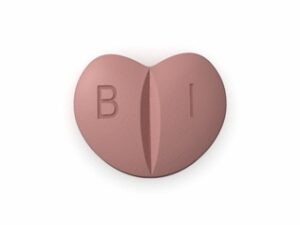
Bisoprolol (e.g., Bisoprolol fumarate) — Patient Information
Bisoprolol is a medicine used to treat several long-term heart conditions and, in some people, high blood pressure. It belongs to a group of medicines called beta-blockers. This guide explains how bisoprolol works, how it behaves in the body, what it’s used for in the UK, and how to take it safely.
This information is designed to be easy to read and practical. It does not replace advice from a healthcare professional. If you have questions about your condition or personal dosing, seek medical advice.
Basic product information
| Feature | Details |
|---|---|
| Active ingredient | Bisoprolol (often as bisoprolol fumarate) |
| Medicine class | Beta-1 selective beta-blocker |
| Common forms | Tablets (strengths vary by product) |
| Typical dosing schedule | Usually once daily; sometimes divided depending on the condition and formulation |
| Onset of effects | Heart-rate and symptom benefits can be noticeable within hours; full benefits may take days to weeks |
| Key safety considerations | May slow heart rate and reduce blood pressure; caution in asthma/wheezing and certain heart rhythms |
How bisoprolol works (mechanism of action)
Bisoprolol blocks beta-adrenergic receptors, mainly beta-1 receptors found in the heart. By doing this, it helps to:
- Slow the heart rate (reduces how fast the heart beats).
- Reduce the heart’s workload (less force and oxygen demand).
- Lower blood pressure in some people.
- Stabilise the heart’s rhythm in certain conditions.
Because bisoprolol is relatively beta-1 selective, it is often better tolerated than non-selective beta-blockers in people who have mild respiratory conditions. However, caution is still needed in asthma or other conditions with bronchospasm.
Pharmacokinetics (what happens to the medicine in the body)
“Pharmacokinetics” describes how bisoprolol is absorbed, distributed, metabolised, and eliminated. The exact numbers can vary between individuals and formulations, but the general pattern is:
- Absorption: Bisoprolol is absorbed from the gut and is available as tablets. It reaches peak effect in the body within hours after taking a dose.
- Distribution: It distributes into body tissues, with greatest effects on the heart.
- Metabolism: Part of bisoprolol is processed by the liver and partly cleared via other pathways.
- Elimination: It is removed from the body mainly through the kidneys and other routes. This means kidney and liver function may influence how quickly it clears.
- Half-life: Bisoprolol has a duration of action that often supports once-daily use.
If you miss a dose, follow the guidance in the “Timing” and “Practical use tips” sections below.
Typical uses in the UK
Bisoprolol is commonly used to treat conditions where slowing the heart rate and reducing cardiac workload is helpful. Indications can vary by age, overall health, and local clinical guidance.
Common indications
- Heart failure (chronic): especially stable chronic heart failure, often in combination with other standard therapies.
- High blood pressure (hypertension): when a beta-blocker is appropriate for the individual.
- Angina (stable): to help reduce symptoms such as chest pain by controlling heart rate and demand.
- Some rhythm-related conditions: where beta-blockade helps to control heart rate and rhythm.
Your clinician will decide whether bisoprolol is suitable based on your diagnosis, co-existing conditions, current medicines, and your risk profile.
When to take bisoprolol (timing and consistency)
Many people take bisoprolol once daily. The key is consistency—taking it at the same time each day helps maintain a stable effect.
- Once daily dosing: Many formulations are taken in the morning or evening. Choose the time you can maintain reliably.
- If you’re sensitive to low blood pressure: Some people find evening dosing helps, but this should be discussed with a clinician.
- After dose changes: After starting or increasing, monitor how you feel over the following days (dizziness, fatigue, breathing).
Do not stop suddenly without medical advice. Stopping abruptly can worsen heart symptoms in some conditions. If you need to stop, a gradual reduction is often used.
Food interactions (with meals)
Bisoprolol can generally be taken with or without food. For many people, food does not significantly change absorption. However, to avoid missed doses and stomach upset, it’s usually best to take it in a way that suits your routine.
- If food is tolerable: you may take it with breakfast or after an evening meal.
- If you feel nauseated on empty stomach: take it with food.
- Keep it consistent: if you start taking it with meals, continue that pattern.
Alcohol and medicine interactions
Alcohol can affect blood pressure, heart rate, and dizziness risk. While there is no single “universal” prohibition, it’s important to consider the combined effects of alcohol and beta-blockade.
Alcohol considerations
- Increased dizziness or light-headedness: both can contribute to falls.
- More pronounced fatigue: some people feel more tired when mixing alcohol with beta-blockers.
- Heart rhythm effects: heavy alcohol intake can trigger palpitations in some individuals.
If you drink alcohol, consider keeping it modest and avoid drinking on an empty stomach. If you have symptoms after alcohol (fainting, severe dizziness, chest pain, breathlessness), seek advice promptly.
Interaction with other medicines (key points)
Bisoprolol can interact with several medicines. Examples include:
- Other heart medicines that slow the heart: such as verapamil or diltiazem (calcium-channel blockers) and certain antiarrhythmics. Combined effects may increase the risk of slow pulse or heart block.
- Other beta-blockers: avoid doubling up unless specifically advised.
- Medicines for irregular heartbeat: some drugs can affect heart conduction when used together.
- Blood pressure medicines: combined use may lower blood pressure too much.
- Diabetes medicines and insulin: beta-blockers can mask some warning symptoms of low blood sugar (such as fast heartbeat).
- Asthma medicines (especially beta-agonists): beta-blockers may reduce their effectiveness or cause breathing symptoms in susceptible people.
- Non-steroidal anti-inflammatory drugs (NSAIDs): may reduce the blood-pressure-lowering effect for some people.
- Some antidepressants and antipsychotics: interactions are possible through blood pressure and heart rhythm effects.
Always check each medicine you take. Tell your healthcare professional about all prescribed, over-the-counter, and herbal products. If you’re unsure about a particular product, ask a pharmacist.
Dosing: how much and how it’s adjusted
Bisoprolol dosing is individual. It depends on the condition being treated, your heart rate and blood pressure, your response, and other medicines you take.
General approach
- Start low, increase gradually: especially for heart failure and in people who are older or sensitive to blood pressure changes.
- Regular monitoring: heart rate, blood pressure, and symptoms are checked after starting and after dose increases.
- Adjusting for side effects: if you develop dizziness, slow pulse, or worsening breathlessness, the dose may need review.
Typical dose ranges (for education)
Strengths and exact dose regimens vary by indication and product. Typical target doses used clinically may include:
- High blood pressure: often starts at a low dose, then adjusted upward to achieve blood pressure control.
- Angina: adjusted to control heart rate and symptoms.
- Heart failure: commonly titrated slowly to a target dose used in clinical practice for stable chronic heart failure.
Your pharmacist or clinician will provide the specific dosing instructions for your particular medicine and condition. If you’re using different strengths, make sure you know what each tablet contains.
Indications (what conditions it treats)
In the UK, bisoprolol is used for a range of cardiovascular conditions. Indications include:
- Chronic heart failure (stable) — usually as part of a combination regimen.
- Hypertension — to help lower blood pressure and reduce cardiovascular risk.
- Angina pectoris — to reduce frequency and severity of chest pain episodes.
- Heart rate control — in selected rhythm and rate conditions as judged by a clinician.
Whether bisoprolol is the best choice depends on your medical history—particularly breathing problems, heart rhythm issues, and blood pressure.
Safety profile: common side effects and when to get help
Like all medicines, bisoprolol can cause side effects. Many are predictable due to its heart-rate and blood pressure effects. Most people tolerate it, especially when doses are increased gradually.
Common side effects
- Feeling tired or low energy
- Dizziness, especially when standing up
- Slow heart rate (bradycardia)
- Cold hands or feet
- Sleep disturbance or unusual dreams (occasionally)
Less common but important side effects
- Shortness of breath or wheezing (particularly in asthma or COPD)
- Worsening heart failure symptoms (if dose is too high or disease is unstable)
- Low blood pressure leading to fainting
- Conduction problems in the heart (heart block in susceptible individuals)
Seek urgent medical advice if you experience
- Fainting or severe dizziness
- Severe breathlessness or chest pain
- Allergic reaction (swelling of face/lips, rash, difficulty breathing)
- Very slow pulse with symptoms such as weakness, confusion, or collapse
Special caution groups
- Asthma or chronic wheeze: discuss carefully; monitoring may be needed.
- Diabetes: may mask warning signs of hypoglycaemia (fast heartbeat).
- Peripheral circulation problems: cold extremities may worsen.
- Known heart rhythm/conduction disorders: requires careful assessment.
- People who are elderly or frail: may be more sensitive to low blood pressure and fatigue.
Practical use tips (how to take bisoprolol safely)
- Be consistent: take it at the same time each day.
- Don’t stop suddenly: abrupt discontinuation can be harmful in certain heart conditions.
- Monitor pulse and symptoms: if advised, check heart rate and blood pressure, and watch for dizziness, breathlessness, or unusual fatigue.
- Stand up slowly: helps reduce dizziness from blood pressure changes.
- Keep a medicine list: include bisoprolol and any inhalers, diabetes medicines, and over-the-counter NSAIDs.
- Inform clinicians before procedures: anaesthetics and emergency drugs may require special consideration for beta-blocker use.
- Travel and missed doses: carry tablets in your hand luggage and keep them in the original packaging if possible.
If you miss a dose
If you miss a dose, take it when you remember unless it’s close to the time for your next dose. In general, avoid doubling up to make up for a missed dose. If you’re unsure, ask a pharmacist for advice based on your schedule.
Alternatives to bisoprolol (options you may be offered)
Depending on the condition and your personal health profile, clinicians may consider other medicines. Examples of alternatives include:
- Other beta-blockers: such as metoprolol or carvedilol (choice depends on the condition).
- Calcium-channel blockers: used for angina and hypertension in some people.
- ACE inhibitors / ARBs: especially for heart failure and high blood pressure.
- Diuretics: commonly used in heart failure to reduce fluid build-up.
- Other anti-anginal therapies: such as nitrates or ivabradine (for selected patients).
The “best” alternative depends on your symptoms, heart function, blood pressure, kidney function, and other medications. Do not switch medicines without professional guidance.
UK market and legal context (how it’s managed)
In the United Kingdom, bisoprolol is a widely used prescription medicine in routine NHS and private care. Availability, pack sizes, strengths, and formulations can vary by manufacturer and pharmacy.
- Regulation: Medicines in the UK are regulated through frameworks including the Medicines and Healthcare products Regulatory Agency (MHRA).
- Safety monitoring: The UK operates pharmacovigilance systems to identify and assess adverse drug reactions.
- Medicines information: Product characteristics and patient information leaflets are used to guide safe use.
Supply can vary due to manufacturing schedules and market demand. If your usual strength is unavailable, your pharmacist can advise on alternatives within the same active ingredient and treatment plan (where appropriate).
Recent guidance and clinical considerations
Treatment of cardiovascular conditions continues to evolve with new evidence and updates to clinical practice. In recent years, UK and international guidance has generally emphasised:
- Individualised targets: titrating medicines based on tolerance, symptoms, blood pressure, and heart rate.
- Comprehensive heart failure care: using guideline-based “disease-modifying” therapy in suitable patients.
- Careful initiation: monitoring closely during the early period after starting or increasing doses.
- Safety awareness: particular attention to bradycardia, hypotension, and respiratory side effects.
If you have a heart condition, it’s helpful to attend regular reviews and report any new symptoms promptly. Your clinician may adjust your treatment plan as your condition changes.
Delivery and availability (online pharmacy)
Availability of bisoprolol may depend on stock levels and the specific strength/formulation you choose. When placing an order online, you can expect:
- Current stock updates: many pharmacies show real-time availability for each strength.
- Packaging and labelling: medicines are supplied in sealed packaging with product identification.
- Delivery times: depend on the courier service and your location within the UK.
- Cold chain: bisoprolol tablets do not usually require cold storage, but follow storage directions on the pack.
If you need a specific strength and it is out of stock, you may be offered an alternative strength or discussed substitutions. Always ensure the dose instructions match your medicine.
FAQ
Is bisoprolol suitable for everyone?
Not necessarily. People with certain heart conduction problems, very low heart rate, severe low blood pressure, or specific respiratory conditions may need extra caution. Suitability depends on your medical history, current medicines, and monitoring.
How quickly will I feel the benefits?
Some effects, such as reduced heart rate and symptom improvement in angina, may be noticed within hours to days. For conditions like chronic heart failure, noticeable benefits may take weeks as your dose is titrated and your condition stabilises.
Will bisoprolol affect my breathing?
It can, especially in people with asthma or wheezing. Bisoprolol is more beta-1 selective than some other beta-blockers, but breathing symptoms can still occur. If you develop wheeze or increasing breathlessness, seek advice promptly.
Can I take bisoprolol with food?
Usually yes. Taking it with food can be convenient and may help with stomach tolerance. The key is to take it consistently each day.
What should I avoid while taking bisoprolol?
Avoid:
- Suddenly stopping the medicine without guidance.
- Doubling doses if you miss one.
- Mixing with other medicines that slow the heart or lower blood pressure without advice.
- Heavy alcohol intake, which may increase dizziness and worsen heart symptoms in some people.
Does bisoprolol interact with inhalers?
It may interact with some asthma medicines. Beta-agonist inhalers (used for quick relief or bronchodilation) may feel less effective. This does not mean you can never use inhalers, but it does mean monitoring and advice are important.
Can I drive or operate machinery?
If bisoprolol causes dizziness or tiredness, be cautious with driving or machinery, especially when starting or after dose increases. If you feel unwell, avoid driving until you feel steady again.
What happens if I stop taking bisoprolol?
Stopping suddenly can lead to worsening heart symptoms in some people (for example, increased angina or fast heartbeat). If stopping is needed, a gradual reduction plan is commonly used under clinician guidance.
How should bisoprolol be stored?
Store tablets according to the instructions on the pack (usually at room temperature, away from moisture and direct heat). Keep out of sight and reach of children.
If you would like, you can tailor the information on this page to the exact strength and your specific product pack details (for example, whether it is an immediate-release tablet or another formulation). Always follow the directions provided with your medicine.