

Hydrochlorothiazide (HCTZ) – Patient Information (UK)
Hydrochlorothiazide is a well-established medicine commonly used to treat high blood pressure and fluid retention (oedema). This page explains how it works, how to take it safely, and what to expect. It is written for patients in the United Kingdom and uses UK-style wording.
Basic product information
| Category | Information |
|---|---|
| Generic name | Hydrochlorothiazide |
| Brand examples | Brand names vary by manufacturer (often “hydrochlorothiazide” is listed as the active ingredient) |
| Medicinal type | Thiazide diuretic (“water tablet”) |
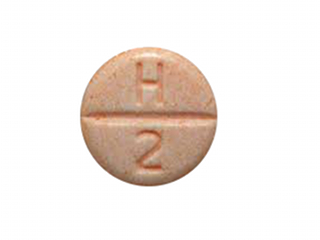
| Common strengths | Typically 12.5 mg and 25 mg tablets (check your own pack for exact strength) |
| How it’s taken | By mouth, usually as a tablet |
| Typical storage | Store at room temperature and keep out of sight and reach of children. Follow pack instructions. |
What hydrochlorothiazide is and what it’s used for
Hydrochlorothiazide belongs to the thiazide class of diuretics. It helps the kidneys remove extra salt (sodium) and water from the body. By reducing fluid volume and relaxing blood vessels over time, it can lower blood pressure and reduce fluid build-up.
Indications (common reasons for use)
- High blood pressure (hypertension) – to help reduce cardiovascular risk over the long term.
- Fluid retention (oedema) – such as swelling caused by certain medical conditions.
- As part of combination treatment – often used with other blood pressure medicines to improve effectiveness.
- Sometimes for specific kidney-related or electrolyte-related concerns – depending on individual assessment.
Your treatment plan depends on your personal health history, blood test results (electrolytes and kidney function), and how you respond to therapy.
How hydrochlorothiazide works (mechanism of action)
Hydrochlorothiazide acts primarily in the kidneys, at a site in the tubules called the distal convoluted tubule. It blocks the sodium-chloride (NaCl) transporter. This leads to:
- Reduced reabsorption of sodium and chloride back into the bloodstream.
- Increased excretion of sodium and water in urine.
- Gradual reduction in blood volume and changes in vascular tone over time.
Over days to weeks, lowering blood pressure is not only due to immediate fluid loss; long-term effects include vascular changes that help keep blood pressure controlled.
Pharmacokinetics (how the body handles it)
“Pharmacokinetics” describes absorption, distribution, metabolism, and elimination. Exact values can vary between people, but typical patterns include:
- Absorption: Hydrochlorothiazide is absorbed from the gut after oral dosing.
- Onset of effect: Diuretic effect may begin within a few hours of a dose.
- Peak action: Blood levels peak after oral absorption (time to peak varies by formulation and individual factors).
- Distribution: It distributes into body fluids and tissues to a degree consistent with thiazide diuretics.
- Metabolism: It is not extensively metabolised.
- Elimination: Mainly excreted by the kidneys into the urine.
Because elimination depends on kidney function, kidney impairment may increase the chance of side effects and can affect dosing decisions.
Typical timing – when to take it
Many people take hydrochlorothiazide in the morning to reduce the chance of needing the toilet at night. Your prescriber’s instructions should guide your exact schedule.
- Most common approach: once daily in the morning.
- If taking more than once daily: doses are usually spaced out (e.g., morning and early afternoon) to avoid night-time diuresis.
- If a dose is missed: take it when you remember on the same day, unless it is close to your next dose. If you’re unsure, ask a pharmacist for advice.
Does food affect hydrochlorothiazide?
Hydrochlorothiazide can generally be taken with or without food. However, for practical reasons and to improve tolerance, many people choose to take it with a meal or after food.
- Food interactions: No major dietary interaction is expected, but staying hydrated and maintaining a steady salt balance is important.
- Eating habits: If you have been advised to limit salt (sodium), continue to follow that plan.
Alcohol and medicine interactions
Alcohol can increase the risk of low blood pressure (hypotension), especially when starting treatment or if your dose is increased. It can also worsen dizziness and dehydration risk.
- Avoid or limit alcohol until you know how the medicine affects you.
- Be careful with driving or operating machinery if you feel light-headed.
- Hydration matters: drink water regularly (unless you’ve been told to restrict fluids).
Hydrochlorothiazide also interacts with certain medicines that can raise the risk of electrolyte disturbances or kidney problems. See the interactions section below.
Medicine interactions (important)
Some medicines can affect how hydrochlorothiazide works or increase the risk of side effects. Always tell a healthcare professional which medicines you take, including over-the-counter products.
Common interaction areas
- Other blood pressure medicines: may increase the risk of low blood pressure.
- NSAIDs (painkillers like ibuprofen and naproxen): may reduce diuretic effect and can affect kidney function, particularly in dehydration or in older adults.
- Lithium: hydrochlorothiazide may increase lithium levels, raising the risk of lithium toxicity.
- Digoxin: low potassium can increase sensitivity to digoxin and risk of rhythm problems.
- Corticosteroids (e.g., prednisolone) or ACTH: can increase potassium loss.
- Some laxatives (especially when used regularly): may increase potassium loss.
- Potassium-losing medicines: may worsen hypokalaemia (low potassium).
- Diabetes medicines: thiazides can slightly affect blood glucose; monitoring may be needed.
- Calcium-related treatments: thiazides can affect calcium levels.
Electrolyte and kidney-related monitoring
Because hydrochlorothiazide can alter levels of potassium, sodium and magnesium, your clinician may check blood tests. This is especially relevant if you are elderly, have kidney disease, or take other medicines that can affect electrolytes.
Dosing – how much is usually taken
Dosing varies by condition, age, kidney function, and response. Your local instructions on the packaging or from your healthcare team should be followed.
Typical starting and maintenance patterns
- High blood pressure: dosing often starts low and is adjusted based on blood pressure readings and blood tests.
- Fluid retention: dosing may be started to achieve the desired diuretic effect, then adjusted to a maintenance level.
In general, thiazide diuretics are started at a dose likely to reduce side effects while achieving treatment goals. Many people benefit from regular monitoring early in therapy.
How to take it
- Take the tablet with water.
- Try to take it at the same time each day.
- If you are prescribed a once-daily regimen, morning dosing is common to reduce night-time urination.
Do not change your dose without medical advice, especially if you have cardiovascular conditions or kidney impairment.
Safety profile – side effects to watch for
Like all medicines, hydrochlorothiazide can cause side effects. Many people tolerate it well. Some effects are related to changes in water and salt balance.
Common or expected side effects
- More frequent urination (often around the first days of treatment)
- Dizziness, especially when standing up quickly
- Headache
- Muscle cramps or weakness (may be linked to electrolyte changes)
- Low blood pressure symptoms such as light-headedness
Possible changes seen in blood tests
- Low potassium (hypokalaemia)
- Low sodium (hyponatraemia)
- Raised uric acid (may trigger gout in susceptible people)
- Changes in blood sugar in some individuals
- Changes in kidney function (particularly if dehydrated or with kidney impairment)
Serious side effects – seek urgent help if
Call for urgent medical advice if you experience:
- Fainting or severe dizziness
- Chest pain, severe palpitations, or signs of an abnormal heart rhythm
- Severe weakness or confusion
- Allergic reactions such as swelling of the face/lips, difficulty breathing, or widespread rash
- Signs of dehydration: extreme thirst, very dark urine, reduced urination, or persistent vomiting
Practical use tips (making treatment easier)
- Hydration: drink water regularly unless you have fluid restrictions. Dehydration increases the chance of kidney problems and dizziness.
- Stand up slowly: rise gradually from sitting or lying positions to reduce light-headedness.
- Keep an eye on swelling and weight: if you’re taking it for fluid retention, note changes. Sudden rapid weight loss can suggest over-diuresis.
- Attend blood test monitoring: early blood tests help ensure electrolytes and kidney function are safe.
- Be consistent with diet: avoid sudden extremes of salt intake unless advised.
- Know your triggers: if you have gout, discuss flare risk; if you have diabetes, discuss glucose monitoring.
Food interactions and dietary considerations
There are no strict food “taboos” for most people, but several practical dietary points can help keep therapy safe and effective:
- Salt (sodium): many clinicians advise limiting salt for blood pressure control. Keep your salt intake consistent.
- Potassium balance: hydrochlorothiazide can lower potassium. A clinician may recommend dietary potassium sources or supplements if appropriate (do not self-start supplements without advice).
- Gout and uric acid: if you’re prone to gout, your clinician may consider monitoring uric acid or other strategies.
- High-fibre and balanced diet: supports overall cardiovascular health, which helps with long-term blood pressure control.
Pharmacological considerations in kidney, liver, and older adults
Hydrochlorothiazide relies on renal (kidney) elimination. In people with kidney impairment, effectiveness may be reduced and side effects may be more likely. In older adults, dizziness and dehydration risk may be higher.
- Kidney impairment: careful monitoring and sometimes dose adjustment are important.
- History of electrolyte imbalance: extra monitoring may be required.
- Cardiovascular conditions: low potassium can increase arrhythmia risk; follow monitoring advice.
When to seek medical advice before continuing
Contact a healthcare professional if:
- You develop persistent vomiting or diarrhoea (dehydration can make side effects more likely).
- You feel significantly more dizzy than usual.
- You notice muscle weakness, cramps, or severe fatigue.
- You have reduced urine output or symptoms of kidney problems.
- You suspect a gout flare.
Alternative options (other medicines and approaches)
If hydrochlorothiazide is not suitable or does not control symptoms adequately, there are alternatives. Choice depends on your condition (blood pressure vs oedema), age, kidney function, and other medicines.
Other diuretic options
- Thiazide-like diuretics (e.g., indapamide)
- Loop diuretics (e.g., furosemide) – often used for more significant fluid retention
- Potassium-sparing diuretics (e.g., amiloride, spironolactone) – used in selected cases, often to reduce potassium loss
Non-diuretic blood pressure options
- ACE inhibitors (e.g., lisinopril) and ARBs (e.g., losartan)
- Calcium-channel blockers (e.g., amlodipine)
- Other agents depending on your individual circumstances
Treatment in the UK often follows evidence-based guidelines, considering benefits, tolerability, and monitoring requirements. Your healthcare team can advise the most suitable option for your situation.
UK market and legal/regulatory context (overview)
In the United Kingdom, medicines such as hydrochlorothiazide are regulated by the Medicines and Healthcare products Regulatory Agency (MHRA). Medicines must meet quality, safety, and effectiveness standards before they can be supplied. Many established medicines are also available as generics, which can be more affordable while maintaining the same active ingredient.
The National Health Service (NHS) typically uses evidence-based prescribing and may recommend monitoring (for example, checking electrolytes and kidney function) where appropriate. In community settings, pharmacists and prescribers support safe use through patient advice and reviewing interactions.
Recent guidance and monitoring considerations (UK-relevant)
While individual recommendations may vary, in recent years UK practice has increasingly focused on:
- Safer prescribing and monitoring of electrolytes and kidney function for diuretics.
- Individualised treatment for people at higher risk of side effects (older adults, those with kidney impairment, or those taking interacting medicines).
- Electrolyte awareness, especially potassium and sodium, because diuretics can contribute to imbalance.
- Patient-centred advice about recognising dizziness, dehydration, and signs of electrolyte disturbance.
For the latest NHS/UK guidance relevant to your condition, you can ask a pharmacist or clinician, or check reputable NHS information sources. Your local care team remains the best source for guidance tailored to you.
Delivery and availability (online pharmacy)
Hydrochlorothiazide is widely available as a generic medicine in the UK. Availability can vary by strength and pack size, but many online pharmacies can deliver within the UK using tracked delivery options.
- Availability: commonly in tablet form (strengths such as 12.5 mg or 25 mg).
- Delivery: typically dispatched quickly if in stock; delivery times vary by supplier and postcode.
- Packaging: medicines should be supplied in their original packaging where possible.
- Returns: follow the retailer’s policies, as medicines may have restrictions on returns for safety reasons.
If you need a specific strength or pack size, check stock status on the website or contact customer support.
FAQ – Frequently asked questions
1) Why does hydrochlorothiazide make me urinate more?
Hydrochlorothiazide increases salt and water loss from the kidneys. The diuretic (water-losing) effect often becomes most noticeable within the first few hours after a dose. Over time, your body may adjust, and the effect can feel less dramatic, although it still lowers blood pressure.
2) Is it safe to take hydrochlorothiazide long term?
Many people take thiazide diuretics long term for blood pressure control. Safety depends on regular monitoring of blood pressure, kidney function, and electrolytes (such as potassium and sodium), especially early in treatment or after dose changes.
3) What should I do if I feel dizzy?
If you feel dizzy, sit or lie down immediately and get up slowly. Dizziness can be due to lowered blood pressure or dehydration. If dizziness is severe, persistent, or you faint, seek medical advice promptly. Avoid alcohol and be cautious when driving.
4) Can I take hydrochlorothiazide with other medicines?
Many medicines can be taken alongside hydrochlorothiazide, but some interactions are important—especially NSAIDs, lithium, digoxin, and medicines that affect potassium. Tell a pharmacist about everything you take (including over-the-counter products).
5) Does hydrochlorothiazide affect potassium or sodium?
Yes. It can lower potassium and sodium in some people. That is why clinicians may recommend blood tests and sometimes potassium monitoring strategies. Do not take potassium supplements unless advised.
6) Will it affect my diabetes?
It may slightly affect blood glucose in some people. If you have diabetes, discuss glucose monitoring with your clinician and watch for changes in readings, especially after starting or increasing the dose.
7) Can hydrochlorothiazide trigger gout?
It can raise uric acid levels, which may trigger gout in people who are predisposed. If you have a history of gout, discuss this with your healthcare team.
8) What if I forget a dose?
Take the missed dose when you remember, unless it is close to your next scheduled dose. Do not take a double dose. If you’re unsure, ask a pharmacist for guidance.
9) Should I avoid salt or avoid drinks that contain caffeine?
There is no single rule for caffeine, but excessive caffeine may worsen dehydration in some people. For blood pressure control, keep salt intake consistent with advice from your healthcare professional. If you’re instructed to limit salt, follow that plan.
10) When should I contact a clinician?
Contact a clinician or urgent care if you experience severe dizziness, fainting, palpitations, severe weakness, confusion, signs of dehydration, or symptoms of an allergic reaction.
Reminder: This information is a general guide. For personalised advice about your condition and medicines, consult your pharmacist or healthcare professional.