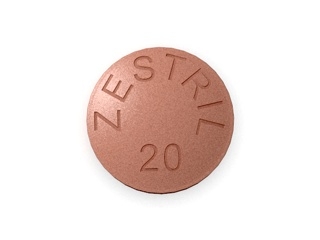

Zestril (Lisinopril) – Patient Information (UK)
Zestril contains lisinopril, an ACE inhibitor (angiotensin-converting enzyme inhibitor). It is used to treat several long-term cardiovascular conditions. This guide explains how Zestril works, how it’s taken, what to expect, and important safety information. It is written for people in the United Kingdom and uses UK healthcare terminology where relevant.
Always follow the instructions provided with your medicine and consult a healthcare professional if you have questions—especially if you are unsure about dosing, monitoring, or interactions.
Key product information
| Feature | Details |
|---|---|
| Medicine name | Zestril |
| Active ingredient | Lisinopril |
| Medicine type | ACE inhibitor |
| Common uses | High blood pressure; heart failure; after a heart attack (in selected patients) |
| How it is taken | Oral tablets (swallowed with water) |
| Typical dosing frequency | Usually once daily for blood pressure and many heart conditions |
| Availability in the UK | Widely available via UK pharmacies and through NHS services depending on individual circumstances |
How Zestril works (mechanism of action)
Lisinopril helps relax and widen blood vessels, lowering the workload on the heart and reducing blood pressure. It does this by blocking the enzyme ACE (angiotensin-converting enzyme).
- Lower angiotensin II levels: ACE inhibition reduces angiotensin II, a substance that tightens blood vessels.
- Reduced aldosterone release: This can lead to less sodium and water retained by the body, further supporting blood pressure control.
- Improved circulation: Blood vessels become more relaxed, helping the heart pump more efficiently.
- Bradykinin effects: ACE inhibitors can increase bradykinin, which contributes to blood vessel relaxation but is also associated with side effects such as dry cough and, rarely, angioedema.
Pharmacokinetics (how the body handles lisinopril)
Understanding pharmacokinetics can help you know what to expect from dosing and timing.
- Absorption: After oral administration, lisinopril is absorbed from the gastrointestinal tract.
- Time to peak effect: Blood levels rise and reach peak concentration typically within a few hours after taking a dose.
- Not extensively metabolised: Lisinopril is not significantly broken down by the liver and largely remains unchanged.
- Excretion: The kidneys remove most of the drug from the body.
- Half-life: The elimination half-life is long enough to support once-daily dosing in many patients.
- Steady state: With regular dosing, steady levels are usually reached within a few days.
Kidney function matters: Because lisinopril is cleared by the kidneys, people with reduced kidney function may require dose adjustments and closer blood monitoring (e.g., kidney function and potassium).
What Zestril is used for (indications) in the UK
Zestril is prescribed for several cardiovascular conditions, commonly including:
- High blood pressure (hypertension): To lower blood pressure and reduce cardiovascular risk.
- Heart failure: To improve symptoms, reduce risk of hospitalisation, and support long-term management.
- After a heart attack (myocardial infarction): In selected patients to support cardiovascular outcomes, depending on clinical condition.
- Other specialist uses: Your clinician may prescribe ACE inhibitors for additional indications based on your individual health profile.
When and how to take Zestril (timing)
Zestril is usually taken once daily. Many people choose a consistent time each day to help remember. The best time can depend on how your body responds and any other medicines you take.
- Morning or evening: Either can be suitable. If you feel light-headed after your dose, consider taking it at night and seek advice from a healthcare professional.
- Consistency: Take it at the same time each day where possible.
- With water: Swallow the tablet whole with water.
- Continue regularly: Even if you feel well, continue taking it—blood pressure and heart conditions often need long-term treatment.
Missed dose: If you forget a dose, take it when you remember unless it is close to the time of the next dose. Do not take double the dose to make up for a missed tablet. If you are unsure, ask a pharmacist or clinician for advice.
Food interactions
In general, food does not significantly affect lisinopril in most people. You can often take Zestril with or without food. However, individual advice may differ if you have stomach problems, multiple medications, or specific health circumstances.
Practical tip: If taking Zestril with food helps reduce stomach discomfort or improves tolerance, that is usually reasonable—unless your clinician advises otherwise.
Alcohol and medicine interactions
Alcohol can add to the blood-pressure-lowering effects of ACE inhibitors, which may increase the chance of dizziness or faintness, especially when you first start or when you increase the dose.
- Start cautiously: Limit alcohol when beginning treatment or after dose changes.
- Hydration matters: Dehydration from alcohol may increase the risk of side effects such as low blood pressure or kidney strain.
General interaction approach: Many medicines can interact with ACE inhibitors via kidney function, potassium levels, or blood pressure effects. Always check with a pharmacist before combining medicines, including over-the-counter products and herbal remedies.
Medicine interactions (important)
Some medicines can affect how safe or effective Zestril is. Not all interactions apply to everyone, but the following are commonly considered when people take lisinopril.
1) Potassium-related medicines
Because ACE inhibitors can raise potassium, caution is needed with:
- Potassium supplements
- Salt substitutes (often contain potassium chloride)
- Potassium-sparing diuretics (e.g., spironolactone, eplerenone, amiloride, triamterene)
2) Diuretics (water tablets)
- “Loop” and “thiazide” diuretics can enhance the blood-pressure lowering effect and contribute to dehydration in some people.
- When combined, clinicians often monitor kidney function and electrolytes (including potassium).
3) NSAIDs (painkillers like ibuprofen and naproxen)
Non-steroidal anti-inflammatory drugs (NSAIDs) can sometimes reduce kidney blood flow, increasing the risk of kidney impairment when used with ACE inhibitors—especially in older adults or those who are dehydrated.
- Example NSAIDs: ibuprofen, naproxen, diclofenac.
- Seek advice if you need regular NSAID use.
4) Lithium
ACE inhibitors can increase lithium levels, which may be harmful. If you take lithium, your clinician will typically arrange closer monitoring.
5) Other blood pressure medicines
Combining with other antihypertensives may increase the risk of low blood pressure. This is not always unsafe—often it is planned—but monitoring is important.
6) Medicines affecting the renin-angiotensin system
Use with other drugs that block the same pathway (e.g., some ARBs) may increase risks such as kidney problems and high potassium in certain combinations. Your prescriber will balance benefits and risks.
7) Immunosuppressants and some diabetes medicines
Caution is needed with medicines that can affect immunity, kidney function, or blood sugar control.
Always tell your pharmacist or clinician about all medicines you take, including:
- Over-the-counter painkillers and cold/flu remedies
- Herbal supplements
- Vitamins or minerals (especially potassium-containing products)
Dosing: typical approaches for Zestril (lisinopril)
Doses vary by condition, kidney function, blood pressure response, and how you tolerate treatment. Below are common dosing ranges to help you understand how clinicians typically prescribe. Your exact dose should come from your treatment plan.
High blood pressure (hypertension)
- Starting dose: Often low, then adjusted based on response.
- Maintenance: Dose may be increased gradually to reach the target blood pressure.
Heart failure
- Starting dose: Usually very cautious due to the risk of low blood pressure when initiating therapy.
- Adjustment: Gradual increases may be made based on symptoms, blood pressure, kidney function, and potassium results.
After a heart attack
- Starting and continuation: Often begins after initial stability in the hospital setting, then adjusted to tolerance and monitoring results.
Kidney function and monitoring: If you have reduced kidney function, your clinician may start at a lower dose and monitor blood tests more closely.
Do not change your dose or stop taking Zestril suddenly without professional advice, as this may worsen blood pressure or heart symptoms.
What to expect: effectiveness and timing of benefit
- Blood pressure: Some reduction may be noticed within days, but full effect may take a bit longer, especially after dose adjustments.
- Heart failure: Benefits may build over weeks as the heart and circulation adapt.
- After a heart attack: Use is often aimed at long-term protection and risk reduction.
Monitoring: Many people are advised to have blood tests (kidney function and electrolytes) and blood pressure checks, particularly after starting or changing dose.
Safety profile: important side effects and warnings
Most people tolerate Zestril well, but like all medicines, it can cause side effects. Some are mild; others require urgent medical attention.
Common or known side effects
- Dry, persistent cough
- Dizziness or light-headedness (especially after the first dose or dose increases)
- Headache
- Fatigue
- Nausea or stomach discomfort
Less common but important
- Low blood pressure (hypotension), particularly in people who are dehydrated, elderly, or using diuretics
- Increased potassium (hyperkalaemia), which may not cause symptoms initially but can be dangerous
- Changes in kidney function (usually monitored by blood tests)
Serious risks requiring urgent action
Seek urgent medical help if you experience:
- Angioedema: swelling of the face, lips, tongue, or throat; difficulty breathing or swallowing. This is a rare but potentially life-threatening reaction.
- Severe allergic-type reaction (e.g., rash with swelling, breathing difficulties).
- Signs of kidney problems: reduced urine output, severe weakness, or unexplained swelling—especially if accompanied by vomiting or dehydration.
- Fainting or severe dizziness due to low blood pressure.
Immediate advice: If you suspect angioedema or severe allergy, treat it as an emergency and get help right away.
Practical use tips for safer, more effective treatment
- Have baseline tests: Clinicians typically check kidney function and potassium before starting, and again after dose changes.
- Check blood pressure: Home monitoring can help you understand whether the medicine is working. Record readings and share them with your clinician.
- Stay hydrated: Follow normal fluid intake recommendations. Dehydration can increase the risk of low blood pressure and kidney strain.
- Be cautious with “salt substitutes”: Many contain potassium—ask your pharmacist if you’re unsure.
- Don’t overuse NSAID painkillers: If you need pain relief often, speak to a pharmacist about safer options.
- Know the signs of high potassium: Symptoms can include muscle weakness, unusual heart rhythms, or tingling—seek advice if you’re concerned.
- Keep a medication list: Include all prescriptions, over-the-counter items, and supplements.
Pregnancy warning (UK guidance relevance): ACE inhibitors like lisinopril are generally not recommended during pregnancy. If you become pregnant or are planning pregnancy, seek prompt medical advice to discuss safer alternatives.
Alternative options (what else might be used)
If Zestril isn’t suitable due to side effects (such as cough) or other safety considerations, your clinician may consider alternatives. Common options include:
- ARBs (Angiotensin II Receptor Blockers): e.g., candesartan, losartan, valsartan. These also affect the renin-angiotensin system but may cause less cough for some people.
- Calcium channel blockers: e.g., amlodipine, depending on your condition.
- Thiazide-like or thiazide diuretics: e.g., indapamide or hydrochlorothiazide.
- Beta-blockers: often used in heart failure or after heart attacks, depending on the clinical scenario.
- Other heart failure medicines: selection depends on severity, ejection fraction, symptoms, and comorbidities.
Important: Alternatives must be chosen based on your diagnoses, kidney function, potassium levels, blood pressure targets, and other medicines you take.
United Kingdom market and legal context (overview)
In the UK, medicines like Zestril are regulated by national medicines authorities and supplied through UK healthcare pathways. Patients typically receive ACE inhibitors through NHS services or private prescribing, depending on circumstances.
Regulation and safety: The UK medicines system supports safety monitoring, including information updates (e.g., product notices, safety alerts, and prescribing guidance) and pharmacovigilance reporting.
Important note for safety: If you have questions about the authenticity or quality of a product, use reputable UK pharmacy suppliers and avoid unverified sources.
Recent guidance and monitoring focus (what’s commonly emphasised)
Healthcare practice in the UK commonly emphasises:
- Blood test monitoring: Kidney function and potassium should be checked before and after starting an ACE inhibitor and after dose changes, especially in people with risk factors.
- Managing risks early: Starting at a low dose where appropriate and adjusting gradually to reduce the chance of dizziness or kidney strain.
- Recognising ACE inhibitor cough: A persistent dry cough is a known effect; treatment review may be needed if it becomes troublesome.
- Safety alerts: Ongoing attention to rare but serious events such as angioedema.
- Medicines review: Regular review of all medicines to reduce interaction risks (e.g., NSAIDs, potassium supplements).
Guidance can evolve. Your clinician or pharmacist can provide updates relevant to your personal situation.
Delivery and availability in the UK
Zestril (lisinopril) is generally available through UK pharmacy networks. Availability may vary by:
- Strengths and pack sizes (e.g., different tablet strengths)
- Local supply and pharmacy stock levels
- Whether the product is supplied via NHS services or private routes
Online ordering: Many UK pharmacies offer home delivery. Dispatch times depend on stock status and local delivery routes. Delivery may be next-day or within a few working days depending on the service level.
What to check when ordering:
- Correct strength and quantity
- Product integrity and expiry date
- Customer service contact options if you have concerns about delivery timing
FAQ
1) Is Zestril the same as lisinopril?
Yes. Zestril is a brand name containing the active ingredient lisinopril.
2) How quickly will I feel the effects?
Blood pressure can start to lower within days. Full benefit may take longer, particularly after dose changes. Heart failure benefits can build over weeks.
3) Can I take Zestril with food?
Usually, yes. Food generally does not significantly affect lisinopril, so you can typically take it with or without meals. If you feel unwell on an empty stomach, taking it with food may help.
4) What should I do if I miss a dose?
Take it as soon as you remember unless it’s near your next dose. Do not take a double dose. If you’re uncertain, ask a pharmacist for advice.
5) Why do I need blood tests while taking Zestril?
ACE inhibitors can affect kidney function and potassium levels. Blood tests help ensure the treatment remains safe and effective.
6) Can I use ibuprofen or other painkillers?
Occasional use may be possible, but regular NSAID use can increase kidney risks when combined with ACE inhibitors. Ask a pharmacist for the safest approach for your situation.
7) Will Zestril cause a cough?
A dry, persistent cough is a well-known side effect of ACE inhibitors. If it becomes bothersome, speak to your pharmacist or clinician. They may consider switching to an alternative such as an ARB.
8) Is it safe to drink alcohol?
Alcohol can increase the chance of dizziness or low blood pressure. Limit alcohol, especially when starting or after dose changes, and stay hydrated.
9) Who should be extra careful when taking lisinopril?
Extra caution is often needed if you have kidney disease, dehydration, low blood pressure, high potassium, diabetes, or you take medicines that affect potassium or kidney function.
10) What are the most urgent side effects to watch for?
Seek urgent medical help for suspected angioedema (swelling of face/lips/tongue/throat, breathing or swallowing difficulty) or for severe dizziness/fainting or signs of serious allergic reactions.
Summary
Zestril (lisinopril) is an ACE inhibitor used in the UK to treat conditions such as hypertension and heart failure, and in selected cases after a heart attack. It works by relaxing blood vessels and supporting better heart function. While many people tolerate it well, important safety monitoring includes blood pressure and blood tests for kidney function and potassium levels. If you experience severe symptoms such as swelling of the face or throat, seek urgent medical attention.
If you’d like, tell me your target condition (e.g., hypertension or heart failure) and your age range, and I can tailor a UK-focused dosing and monitoring checklist for the information you’re preparing to publish.