
Tenormin (Atenolol) – Patient Information Guide (UK)
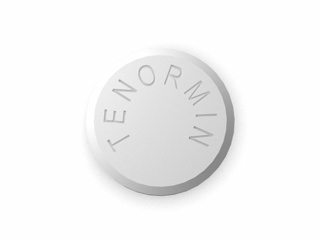
Tenormin is a medicine containing atenolol, a beta-blocker used to treat a range of cardiovascular conditions. This guide explains what Tenormin is used for, how it works, how it’s taken, key safety points, and practical advice for everyday use in the United Kingdom.
Important: This information is written to help you understand Tenormin. It does not replace advice from your healthcare professional or the patient information leaflet provided with your medicine.
1) Basic product information
| Feature | Details |
|---|---|
| Medicine name | Tenormin |
| Active ingredient | Atenolol |
| Drug class | Beta-1 selective adrenergic blocker (beta-blocker) |
| Common strengths (may vary) | Usually 25 mg, 50 mg, and 100 mg tablets |
| How it works | Slows the heart rate and reduces workload on the heart |
| Typical dosing frequency | Often once daily (depending on condition) |
2) Mechanism of action (how Tenormin works)
Atenolol is a beta-blocker. It primarily blocks beta-1 receptors located in the heart. By doing so, it helps to:
- Reduce heart rate (less frequent heart beats)
- Decrease the force of the heart’s contractions
- Lower the workload of the heart
- Reduce oxygen demand, which can be helpful in angina
These effects can also contribute to a reduction in blood pressure and help stabilise the cardiovascular system during conditions where the heart is under strain.
3) Pharmacokinetics (how the body handles atenolol)
Pharmacokinetics describes how atenolol is absorbed, distributed, metabolised, and excreted.
- Absorption: Atenolol is absorbed from the gut after taking a tablet. Food can slightly affect absorption, but the overall clinical effect is usually not major.
- Distribution: It distributes into body tissues and crosses biological membranes to a limited extent. It does not extensively undergo fat storage like some other beta-blockers.
- Metabolism: Atenolol is not extensively metabolised by the liver, which makes it different from some other beta-blockers.
- Excretion: Atenolol is mainly eliminated via the kidneys. This is important if you have reduced kidney function.
- Half-life: Atenolol has a relatively long duration of action, often supporting once-daily dosing.
Clinical implication: If you have kidney problems, your prescriber may choose a lower starting dose and adjust carefully.
4) Typical uses (indications)
Tenormin is used for several heart-related conditions, including:
- High blood pressure (hypertension): To help lower blood pressure and reduce risk to the heart and blood vessels.
- Angina pectoris: To help prevent chest pain episodes by reducing the heart’s workload.
- Some heart rhythm problems: Certain types of fast heart rhythms may be treated with beta-blockers.
- After a heart attack (myocardial infarction): In appropriate patients, to reduce the risk of further events.
Note: The exact indication and dosing can vary based on your individual medical history, symptoms, and other treatments.
5) When and how to take Tenormin (timing and dosing approach)
Timing: Many people take atenolol . Try to take it at the same time each day to help you remember and maintain steadier blood levels.
With or without food: You can generally take Tenormin with or without food (see the food interaction section for more details).
Consistency matters: If you miss a dose, follow the advice in your leaflet or from your pharmacist. In many cases, you should take it when you remember unless it’s close to your next dose.
6) Dosing (general guidance)
Dosing depends on the condition being treated, your age, kidney function, and how you respond. The information below is general and not a substitute for personalised instructions.
- High blood pressure: Often started at a lower dose and increased if needed.
- Angina: Dose may be adjusted based on heart rate and symptom control.
- Other cardiovascular indications: Dosing is tailored to the specific diagnosis and clinical goals.
- Kidney impairment: Because atenolol is largely cleared by the kidneys, dose adjustments may be necessary.
How to adjust safely: Do not increase or decrease the dose without medical advice. If you need to stop Tenormin, it should generally be reduced gradually to reduce the risk of rebound effects such as increased heart rate or chest pain.
7) Food interactions (what to know about meals)
Food can influence how quickly some medicines are absorbed. With atenolol:
- Absorption may be affected: Taking atenolol with food can alter absorption rate in some people.
- Practical approach: For most patients, the effect is small enough that taking it consistently with or without food is more important than changing meal timing each day.
Tip: Choose a routine (e.g., morning breakfast or evening meal) and stick to it unless your clinician advises otherwise.
8) Alcohol and medicine interactions
Alcohol
Alcohol may enhance the blood-pressure-lowering effect of atenolol in some individuals and can sometimes worsen dizziness or light-headedness, especially when standing up.
- If you notice dizziness, faintness, or unusual tiredness, consider reducing alcohol intake and speak to your pharmacist or GP.
- Alcohol can also mask early signs of low blood pressure or poor exercise tolerance.
Medicine interactions
Several medicines can interact with beta-blockers, potentially affecting heart rate, blood pressure, or electrical activity of the heart. Tell your healthcare professional and pharmacist about all medicines you take, including over-the-counter products and herbal remedies.
Common interaction themes include:
- Other medicines that slow the heart: Combining with certain rate-slowing drugs can increase the risk of bradycardia (slow heart rate) or heart block.
- Blood pressure medicines: Using with other antihypertensives may add to blood-pressure-lowering effects.
- Non-dihydropyridine calcium channel blockers (e.g., verapamil/diltiazem): Combination therapy can increase the risk of slow pulse or conduction problems.
- Antiarrhythmics: Some rhythm medicines may increase risk of heart rhythm disturbances if combined.
- Diabetes medicines: Beta-blockers can affect symptoms of low blood sugar (hypoglycaemia). You may still have sweatiness or shakiness, but awareness can be reduced in some people.
- Asthma/COPD inhalers: Beta-blockers can potentially reduce the effect of certain bronchodilators, especially at higher doses or in people sensitive to beta-blockade.
Always check: If you’re unsure whether a medicine interacts with Tenormin, ask a pharmacist. This is especially important for new prescriptions, antibiotics, antifungals, antidepressants, and cough/cold remedies.
9) Safety profile and side effects
Like all medicines, Tenormin (atenolol) can cause side effects. Not everyone will experience them. Side effects are often dose-related and may improve as your body adjusts.
Common side effects
- Feeling tired or low energy
- Slow heart rate (bradycardia)
- Dizziness or light-headedness
- Cold hands or feet (reduced peripheral circulation)
- Gastrointestinal effects such as nausea or mild stomach discomfort
Less common but important effects
- Breathing difficulties (especially in people with asthma or certain lung conditions)
- Sleep disturbances or vivid dreams
- Sexual side effects (may occur in some patients)
- Worsening of heart failure symptoms in those prone to fluid retention
Seek urgent medical help if you have
- Fainting, severe dizziness, or collapse
- Chest pain worsening or new severe chest pain
- Severe breathlessness or wheezing that is unusual for you
- Signs of an allergic reaction such as swelling of the face/lips or trouble breathing
Important safety considerations
- Do not stop suddenly: Abrupt withdrawal can lead to increased heart rate and chest pain. If stopping is required, taper under guidance.
- Driving and machinery: If you feel dizzy or unusually tired, avoid driving or operating machinery until you feel steady.
- Heart block and very slow pulse: Tell your clinician if you’ve had conduction problems.
- Asthma/COPD: Even “beta-1 selective” beta-blockers can affect airways in some people. Monitoring may be needed.
- Diabetes: Watch for hypoglycaemia. Symptoms may feel different while on beta-blockers.
10) Practical use tips (making Tenormin easier to manage)
- Track your pulse: If your clinician advises, monitor your heart rate and blood pressure—especially during dose changes.
- Rise slowly: If you feel light-headed, stand up gradually from sitting or lying positions.
- Maintain consistent timing: Choose a time you can realistically remember each day.
- Keep a medication list: Include OTC products, inhalers, and supplements to help prevent interactions.
- Understand your goals: For angina, the aim is fewer episodes; for hypertension, the aim is sustained blood-pressure control.
- Don’t skip when you feel “better”: Continuing treatment often prevents problems rather than quickly relieving symptoms.
11) Alternatives to Tenormin (other treatment options)
Depending on your condition, your healthcare professional may consider alternatives. These may include other beta-blockers or different medicine classes.
Other beta-blockers
- Bisoprolol
- Metoprolol
- Propranolol (non-selective)
- Carvedilol (beta and alpha blocking properties)
Non–beta-blocker options (condition-dependent)
- ACE inhibitors or ARBs for blood pressure and some heart conditions
- Calcium channel blockers for angina or hypertension
- Diuretics if fluid retention is part of your condition
- Antianginal medicines such as nitrates or other agents (where appropriate)
Choosing an alternative: Your prescriber will consider your diagnosis, other medicines, kidney function, breathing issues, and side-effect history.
12) United Kingdom market and legal context
In the UK, atenolol (Tenormin) is an established prescription-only medicine in most circumstances, and is regulated under UK medicines law. Regulatory oversight and safety updates are handled by the Medicines and Healthcare products Regulatory Agency (MHRA) and other UK health authorities.
When using any online pharmacy service in the UK, ensure the supplier is legitimate, has appropriate governance, and provides clear product information, batch details (when applicable), and reliable delivery timelines. For medicines, quality and authenticity checks are important.
Recent guidance and clinical practice notes (high level)
- Individualised therapy: Beta-blockers are commonly used, but the choice of agent and dose is tailored to the patient’s comorbidities (such as asthma, kidney impairment, and diabetes).
- Medication review: Ongoing review of blood pressure, heart rate, and symptom control supports safe use.
- Concomitant therapy awareness: UK prescribing practice increasingly emphasises checking interaction risks, especially with rate-slowing and blood pressure medicines.
13) Delivery and availability in the UK
Availability can vary by strength and formulation. In the UK, Tenormin tablets are commonly supplied through authorised channels. Delivery services typically aim to deliver within a stated timeframe (often next working day or within a few days, depending on the provider and shipping option).
What you may expect from a reliable online pharmacy:
- Clear stock status and estimated delivery dates at checkout
- Discrete packaging
- Secure payment and customer support
- Medicines compliance checks where required by law and pharmacy standards
If you need the medicine urgently, contact the pharmacy’s customer support before placing the order to confirm the fastest available options.
14) FAQ – Tenormin (Atenolol)
How quickly does Tenormin work?
Some effects (like lowering heart rate) can be noticed soon after starting. Blood pressure lowering and angina prevention may take days to weeks to optimise, depending on dose and your response.
Will Tenormin make my heart rate too slow?
It can. A dose that’s too high may cause an excessively slow heart rate, dizziness, or fatigue. Your clinician may adjust the dose if your pulse or symptoms are not ideal.
Can I take Tenormin if I have asthma?
Tenormin is beta-1 selective, but it can still affect the lungs in some people. If you have asthma or COPD, discuss risk and monitoring with your healthcare professional. Do not stop your inhalers unless advised.
What should I do if I miss a dose?
Follow the advice in the patient leaflet supplied with your medicine or guidance provided by your pharmacist. In general, if you remember shortly after missing it, you may take it. If it’s close to the next dose, you usually skip the missed one rather than doubling.
Can I stop Tenormin once I feel well?
Do not stop suddenly. Beta-blockers should typically be withdrawn gradually under medical guidance to reduce the risk of rebound symptoms such as increased chest pain or heart rate.
Are there any foods I must avoid?
There are no strict food avoidances for most people. However, consistent dosing with respect to meals is helpful. If you have specific dietary concerns, discuss them with your pharmacist.
Can I drink alcohol while taking Tenormin?
Small amounts may be tolerated by many people, but alcohol can increase dizziness or low blood pressure effects. If you notice symptoms, reduce intake and seek advice if they persist.
Does Tenormin interact with my diabetes medicines?
Yes, there can be important interaction effects—particularly because beta-blockers may reduce some awareness symptoms of low blood sugar. Your monitoring plan may need to be adjusted.
Is Tenormin safe for long-term use?
Many patients use beta-blockers long-term under supervision. Long-term safety depends on correct dosing, regular monitoring, and managing other conditions such as kidney function.
What monitoring might I need?
Monitoring often includes blood pressure and heart rate, symptom review, and kidney function where relevant. If you have angina or heart rhythm issues, your clinician may also monitor ECG results.
15) When to contact a healthcare professional
Contact your pharmacist, GP, or urgent care services if you experience:
- Severe dizziness or fainting
- Worsening shortness of breath or wheezing
- New or worsening chest pain
- Symptoms of a very slow pulse (extreme fatigue, light-headedness)
- Any signs of allergy
Reminder: Always read the leaflet included with your medication. If you have questions about Tenormin’s suitability for you, dosing, or interactions, speak to a qualified healthcare professional.