

Lisinopril + Hydrochlorothiazide (Lisinopril/Hydrochlorothiazide) – Patient Guide (UK)
Lisinopril with hydrochlorothiazide is a combination medicine used to treat high blood pressure (hypertension) and, in some people, heart-related conditions. It contains two medicines in one tablet: lisinopril (a medicine that helps relax blood vessels) and hydrochlorothiazide (a “water tablet” that helps the body remove excess salt and water).
This guide explains what the medicine does, how it’s taken, what to expect, important safety information, and practical tips. It is written for patients in the United Kingdom and reflects widely used UK clinical practice.
Basic product information
- Medicines in combination: Lisinopril + Hydrochlorothiazide
- Type of medicine: ACE inhibitor + thiazide diuretic
- Common uses in the UK: Hypertension; selected cardiovascular indications
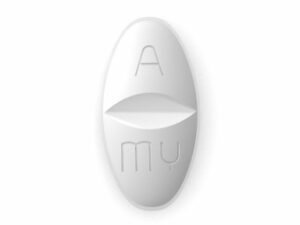
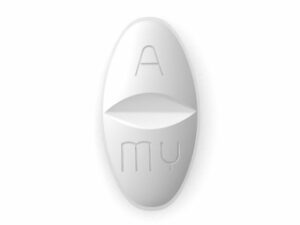
- How it’s usually supplied: Tablets of fixed strength (varies by brand/generic)
- Who may prescribe it: Clinicians managing blood pressure and cardiovascular risk
If you’re unsure which strength you have, check the label/box (e.g., how many mg of lisinopril and how many mg of hydrochlorothiazide). Different strengths are not interchangeable milligram-for-milligram.
How it works (mechanism of action)
This combination lowers blood pressure and helps the heart work more efficiently by acting in two complementary ways:
-
Lisinopril (ACE inhibitor): ACE (angiotensin-converting enzyme) helps the body produce angiotensin II, a substance that
narrows blood vessels. Lisinopril reduces angiotensin II levels, leading to:
- Relaxation of blood vessel walls (vasodilation)
- Lower blood pressure
- Reduced strain on the heart
-
Hydrochlorothiazide (thiazide diuretic): Hydrochlorothiazide helps the kidneys remove excess salt (sodium) and water,
increasing urine output. Over time, this contributes to:
- Lower blood volume
- Reduced blood pressure
- Improved control of hypertension
Together, the medicines often provide better blood pressure control than either one alone, and they can help counterbalance some of the effects of each medicine on potassium levels (ACE inhibitors typically raise potassium; thiazide diuretics typically lower it).
Pharmacokinetics (what the body does to the medicine)
Pharmacokinetics describes how the medicine is absorbed, distributed, metabolised, and eliminated. While individual results vary, the following are typical patterns:
| Medicine component | Key points (approx.) |
|---|---|
| Lisinopril |
|
| Hydrochlorothiazide |
|
Important: Kidney function can affect how quickly these medicines are cleared. Your clinician may monitor blood tests (e.g., creatinine and electrolytes) especially when starting or increasing dose.
Typical use in the UK
The most common reason for prescribing lisinopril with hydrochlorothiazide is to treat high blood pressure. This helps reduce the risk of complications such as stroke, heart attack, and kidney disease.
In some patients, it may be used when blood pressure is not adequately controlled with one medicine alone. Combination therapy is a common approach because:
- It targets blood pressure through two mechanisms
- Lower doses of each component may be used versus higher doses of a single medicine
- It can improve overall blood pressure control
Indications (what conditions it may be used for)
Indications vary by clinical judgement and local guidance. Common indications include:
- Hypertension: especially when adequate control has not been achieved with lifestyle changes and/or one agent
- Cardiovascular risk management: in selected patients as part of a broader treatment plan (e.g., alongside other medicines such as statins, antiplatelets, or additional blood pressure drugs).
If you have been given this medicine for a specific reason, your clinician’s goal is usually described in your care plan (for example, achieving a target blood pressure and reducing cardiovascular risk).
How and when to take it (timing and dosing principles)
Many patients take lisinopril with hydrochlorothiazide . The most important practical point is to take it consistently at the same time each day.
Timing
- Morning dosing is often preferred because hydrochlorothiazide can increase urine output.
- If you notice frequent urination affecting your sleep, discuss changing the timing with your clinician or pharmacist.
- Try to take it at a time you can stick to daily.
Dosing (general guidance)
Doses depend on age, blood pressure response, kidney function, and whether you are taking other medicines. Strengths vary, so always follow the instructions on your label.
Common dosing approach:
- Starting dose may be lower, particularly if you are sensitive to blood pressure changes.
- Your clinician may adjust the dose after monitoring blood pressure and blood tests.
- If changing dose, the typical practice is to check electrolytes and kidney function within a suitable timeframe after initiation or change.
Missed dose
- If you miss a dose, take it when you remember unless it is close to the next dose.
- Do not take a double dose to make up for a missed tablet.
- If you have frequent missed doses, speak to a healthcare professional for advice.
Food interactions and what you should know
Food does not typically cause a major interaction that prevents use, but individual absorption can vary. For practicality:
- You can usually take the tablet with or without food.
- For easier routine, many people take it with a meal.
- Try to take it the same way each day.
Salt intake: Excess dietary salt can make blood pressure harder to control. Consider following dietary advice for hypertension (for example, reducing processed foods and adding less salt).
Alcohol and medicine interactions
Alcohol
Alcohol may increase the chance of side effects such as dizziness or feeling faint—particularly when you first start the medicine or after a dose increase.
- If you drink alcohol, keep to sensible limits and monitor how you feel.
- Avoid excessive alcohol, especially if you feel light-headed.
Other common interactions involving blood pressure
Some medicines and substances can affect blood pressure or kidney function when combined with ACE inhibitors and diuretics. In particular, be careful with:
- Non-steroidal anti-inflammatory drugs (NSAIDs): e.g., ibuprofen, naproxen, diclofenac. Regular or high-dose NSAID use can reduce blood pressure-lowering effect and may affect kidney function.
- Potassium supplements or salt substitutes: ACE inhibitors can raise potassium levels. Salt substitutes often contain potassium chloride.
- Other blood pressure-lowering medicines: combined effects can be beneficial, but may increase risk of low blood pressure (dizziness).
Always inform your pharmacist about your full list of medicines (including over-the-counter products and herbal remedies).
Interactions with medicines: key points to discuss
Below are common interaction categories relevant to lisinopril + hydrochlorothiazide. This is not exhaustive.
- Diuretics and dehydration: If you are already taking diuretics or have been dehydrated (e.g., vomiting/diarrhoea), the risk of low blood pressure and kidney strain may increase.
- Lithium: ACE inhibitors can increase lithium levels, which can be dangerous. Monitoring is needed if lithium is used with these medicines.
- Diabetes medicines: Blood glucose may change when blood pressure improves and with electrolyte shifts. Your clinician may adjust diabetes treatment and monitor closely.
- Medicines affecting potassium: e.g., potassium supplements (or potassium-containing salt substitutes), and other drugs that influence potassium.
- Gout medications: Thiazide diuretics can raise uric acid levels, which may trigger gout in susceptible individuals.
- Immune/anti-cancer or transplant-related medicines: Some require extra caution due to blood count or immune effects.
If you are starting a new medicine (including painkillers), ask your pharmacist whether it is safe with lisinopril/hydrochlorothiazide.
Safety profile (side effects and when to seek help)
Common side effects
Many people tolerate lisinopril with hydrochlorothiazide well. Common or noticeable effects may include:
- Dizziness, especially when standing up (postural hypotension)
- Headache
- Increased urination after taking the dose
- Fatigue or feeling weak
- Muscle cramps (may relate to electrolyte changes)
Important (but less common) side effects
- Dry, persistent cough can occur with ACE inhibitors (lisinopril). It is not usually dangerous, but it should be reported.
- Changes in blood tests: kidney function and electrolytes (such as sodium and potassium) can change. This is why monitoring is recommended.
- Skin reactions: rash or itching can occur. Seek advice if symptoms are significant or spreading.
- Gout flares: thiazide diuretics may increase uric acid in some people.
Seek urgent medical help if you get
ACE inhibitors (like lisinopril) can rarely cause severe allergic reactions. Get urgent help if you experience:
- Swelling of the face, lips, tongue or throat
- Difficulty breathing or swallowing
- Severe dizziness or fainting
Also seek prompt advice if you have symptoms that may suggest kidney problems (for example, reduced urine output, severe weakness) or severe dehydration after illness.
Practical use tips (making treatment easier and safer)
- Stay hydrated: On hot days or during illness (especially with vomiting or diarrhoea), dehydration increases the risk of side effects. Ask your clinician about “sick day” guidance if you become unwell.
- Check blood pressure at home: Home monitoring can help confirm whether the dose is working. Record readings and share them at reviews.
- Attend blood test appointments: These check kidney function and electrolyte levels, particularly potassium and sodium.
- Be careful with salt substitutes: Many contain potassium; ask before using them.
- Stand up slowly: If you feel light-headed, rise gradually from sitting/lying positions.
- Keep a medication list: Include over-the-counter items and inform healthcare professionals if you need pain relief.
Kidney function, blood tests, and monitoring
Because both components can affect the kidneys and electrolyte balance, monitoring is an important part of safe use. Your clinician may check:
- Creatinine / eGFR (kidney function)
- Sodium and potassium
- Other blood results as clinically indicated
If you have known kidney disease, have had recent dehydration, or are taking other medicines that affect kidney function, monitoring may be more frequent.
Alternative options (other ways to treat high blood pressure)
Treatment choices depend on your overall health, other conditions, and how you respond. Possible alternatives to lisinopril/hydrochlorothiazide include:
- ACE inhibitor alone (e.g., lisinopril or another ACE inhibitor) if diuretic therapy is not suitable
- ARBs (angiotensin receptor blockers) if ACE inhibitor cough or intolerance occurs (chosen by clinician)
- Other diuretics (thiazide-like or loop diuretics depending on the situation)
- Other combination regimens (e.g., ACE inhibitor with different diuretic; or ARB with diuretic; or combinations with calcium channel blockers)
- Non-medicine approaches: salt reduction, weight management, regular physical activity, limiting alcohol, and smoking cessation
If this combination doesn’t suit you, ask your clinician or pharmacist what options may be safer or more effective for your circumstances.
UK market and legal context (how medicines are regulated and supplied)
Medicines in the UK are regulated to ensure quality, safety and effectiveness. Combination products such as lisinopril/hydrochlorothiazide are available through licensed supply chains and are subject to UK medicines regulation and pharmacovigilance.
In general, patients should obtain medicines from licensed pharmacies and follow the instructions on the packaging and patient information materials. If you have questions about authenticity or supply, contact the pharmacy where you purchased.
Your local healthcare team will provide guidance on monitoring, ongoing review, and what to do if side effects occur.
Recent guidance (high-level)
UK blood pressure management emphasises:
- Using evidence-based target blood pressure strategies tailored to individual risk
- Regular monitoring of blood pressure and relevant blood tests when using ACE inhibitors/diuretics
- Reviewing medicines periodically to optimise benefits and minimise harm
- Individualising choices based on kidney function, electrolytes, age, and comorbidities
Guidance may evolve, so always follow the advice provided with your prescription plan and the recommendations from your healthcare team.
Delivery and availability
Availability depends on stock levels and the specific strength/brand. Where your online pharmacy offers delivery, typical options may include standard and express services.
- Processing time: orders are commonly prepared during business hours
- Delivery window: varies by provider and destination
- Tracking: many services provide delivery updates
- Cold chain: usually not required for tablets
If you need your medicine urgently, contact the pharmacy to confirm dispatch times and suitable delivery options.
FAQ
1) How long does it take for lisinopril/hydrochlorothiazide to work?
Blood pressure can start to improve within days, but the full effect may take a few weeks. Your clinician may adjust treatment after reviewing both your home or clinic readings and blood test results.
2) Why do I need blood tests?
The medicines can affect kidney function and electrolyte levels (especially potassium and sodium). Testing helps ensure the treatment remains safe and effective—particularly after starting or changing dose.
3) Will I have to urinate more?
Hydrochlorothiazide can increase urine output, especially at the start. Taking the tablet in the morning often reduces disruption to sleep. If you experience severe thirst, dizziness, or symptoms of dehydration, seek advice promptly.
4) Can I take it with food?
Usually yes. You can generally take it with or without food. Choose the routine that helps you remember to take your dose consistently.
5) Is it safe to drink alcohol?
Moderate alcohol may be possible for some people, but alcohol can increase dizziness or faintness. Avoid heavy drinking, and be cautious especially after starting or increasing the dose.
6) What painkillers should I avoid?
Frequent or high-dose NSAIDs (such as ibuprofen or naproxen) may interfere with kidney function and reduce blood pressure control in some people. Ask your pharmacist for safer options suitable for you.
7) What should I do if I feel dizzy when standing?
Sit or lie down until the symptoms pass. Rise slowly. If dizziness persists, it may indicate low blood pressure, and you should speak to your clinician. Do not stop the medicine without advice.
8) Can I stop taking it if my blood pressure improves?
Hypertension is usually a long-term condition. Stopping suddenly can cause blood pressure to rise again. Discuss any changes with your healthcare team.
9) What if I miss a dose?
Take it when you remember unless it’s nearly time for the next dose. Do not take a double dose. If you often miss doses, ask about strategies to improve adherence.
10) Are there alternatives if I develop an ACE inhibitor cough?
A dry cough can occur with ACE inhibitors. If it’s troublesome, your clinician may review treatment—this can include switching to a different class (such as an ARB) or adjusting the regimen. Seek advice rather than stopping on your own.
Summary
Lisinopril with hydrochlorothiazide combines an ACE inhibitor and a thiazide diuretic to help control blood pressure. It works by relaxing blood vessels and helping the kidneys remove excess salt and water. Many people take it once daily, often in the morning. Safe use involves monitoring kidney function and electrolytes, being mindful of dehydration and drug interactions, and seeking help promptly for rare but serious allergic reactions.